The Truth About Mineral Pseudomorphs
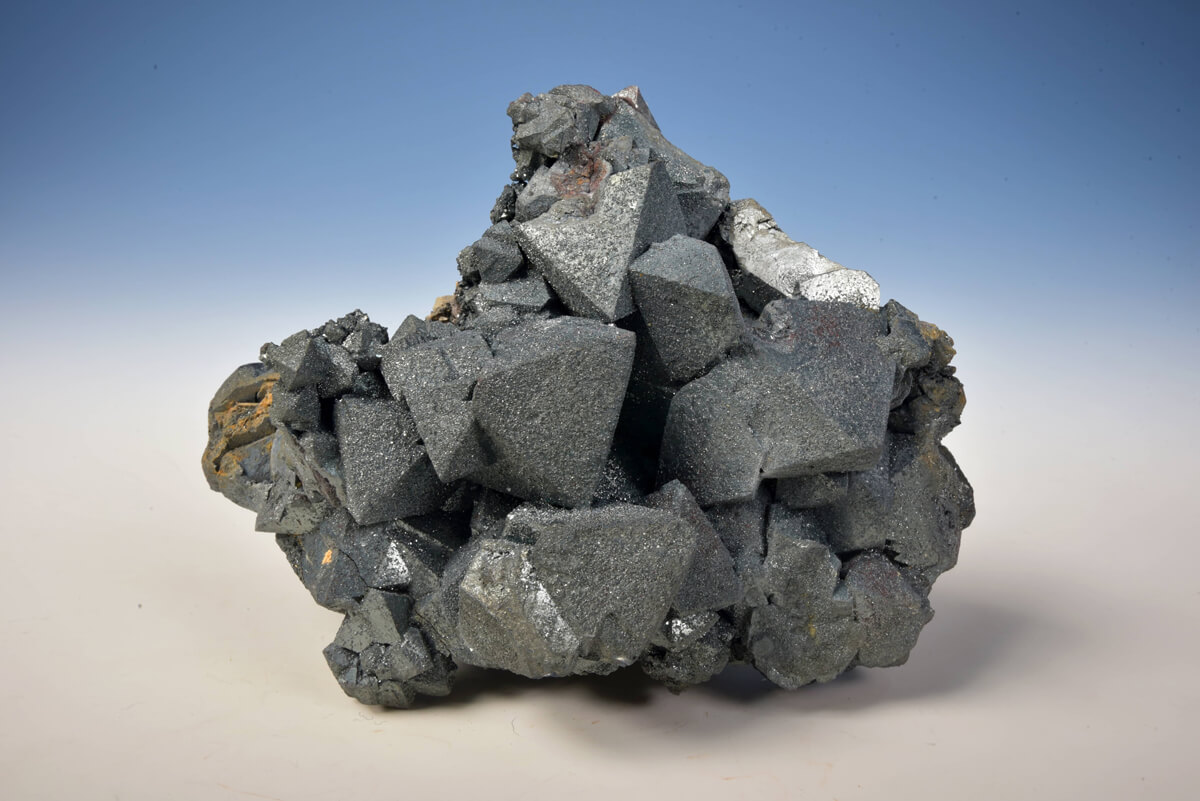
Mineral pseudomorphs refer to minerals that have been transformed due to structural or chemical composition changes but still maintain their original appearance. For example, magnetic magnetite can be converted into non-magnetic hematite via heating and oxidation. The hematite retains the octahedral appearance of the original magnetite. This is referred to as HEMATITE pseudomorph after MAGNETITE, which means that hematite formed later and inherited the appearance of the original magnetite. In the same way, when pyrite comes in contact with air and moisture it is transformed into goethite. If the goethite retains the crystalline form of the original pyrite it becomes GOETHITE pseudomorph after PYRITE. As minerals can be transformed through different pathways, pseudormorphs can roughly be divided into the following categories:
A mineral’s crystal structure changes but its chemical composition remains the same. For example, β quartz which forms at high temperatures becomes low-temperature or α quartz at below 573 degrees Celsius. However, the crystal structure of β quartz is maintained, resulting in α QUARTZ pseudomorph after β QUARTZ. Once the crystal structure of aragonite changes, it is transformed into calcite. The two have the same chemical composition. The result is CALCITE pseudomorph after ARAGONITE.
The crystal structure and chemical composition of minerals undergo transformation and this transformation process involves chemical reactions. Infiltration pseudomorphs can be divided into the following types:
(1)Partial loss of components, for example native copper can be transformed into cuprite (Cu₂O) or azurite (Cu₃(CO₃)₂(OH)₂) pseudomorph.
(2)New components are obtained, for example malachite (Cu₂(OH)₂CO₃) can be transformed into hematite (Fe₂O₃) pseudomorph and gypsum can be transformed into anhydrite pseudormorph.
(3)Partial exchange of components, for example goethite (α-FeO(OH)) can be transformed into pyrite (FeS₂) pseudomorph and galena can be transformed into pyromorphite pseudomorph.
(4)Complete exchange of components, for example quartz can be transformed into calcite, barite, or fluorite pseudomorph.
The surface of a mineral is covered by another mineral that is growing on it. Later, the encased mineral dissolves and disappears until finally only an empty shell remains. This is referred to as an incrustation pseudomorph. The biggest difference between this type of pseudomorph and the previously mentioned types of pseudomorphs is that the mineral that forms later does not replace the original mineral or fill the space left by it. Only the shape left by the original mineral is left. If a mineral grows on the surface of and encases another mineral and the shape of the encased mineral can be clearly identified and the encased mineral is still intact, this is a case of one mineral encasing another and is not an example of an incrustation pseudormorph.
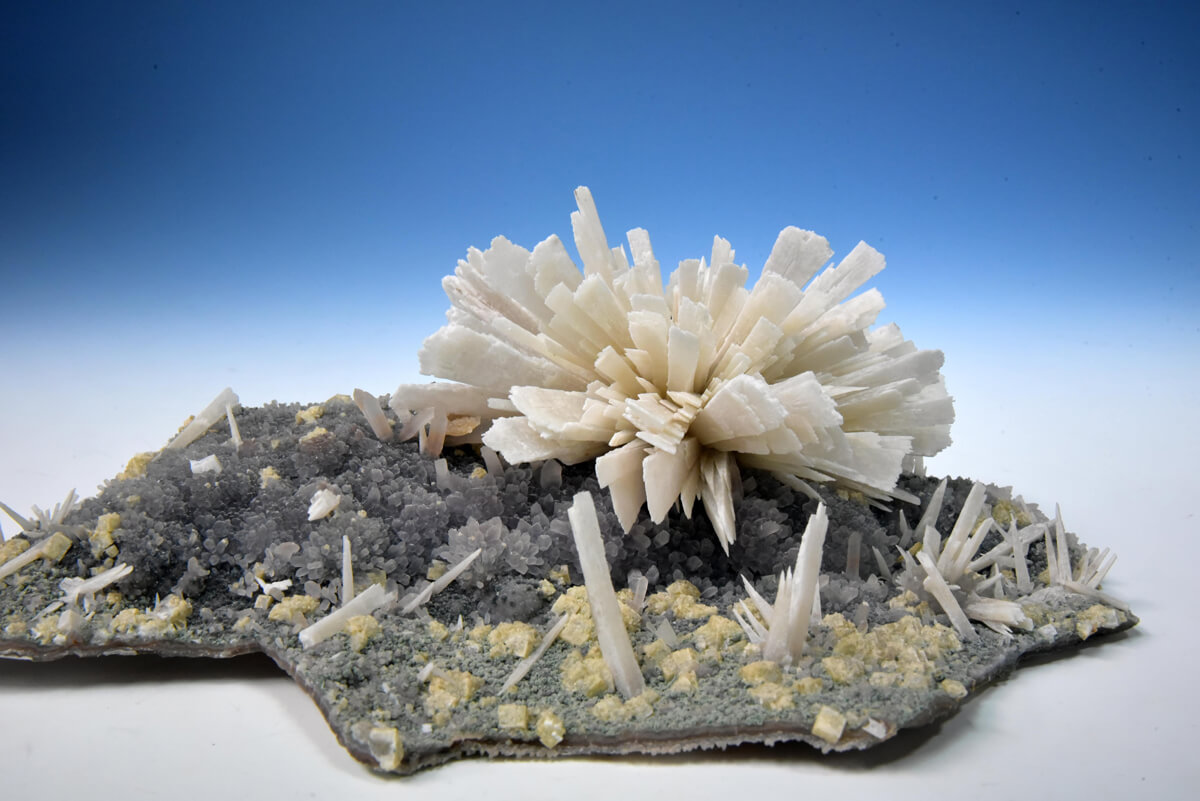
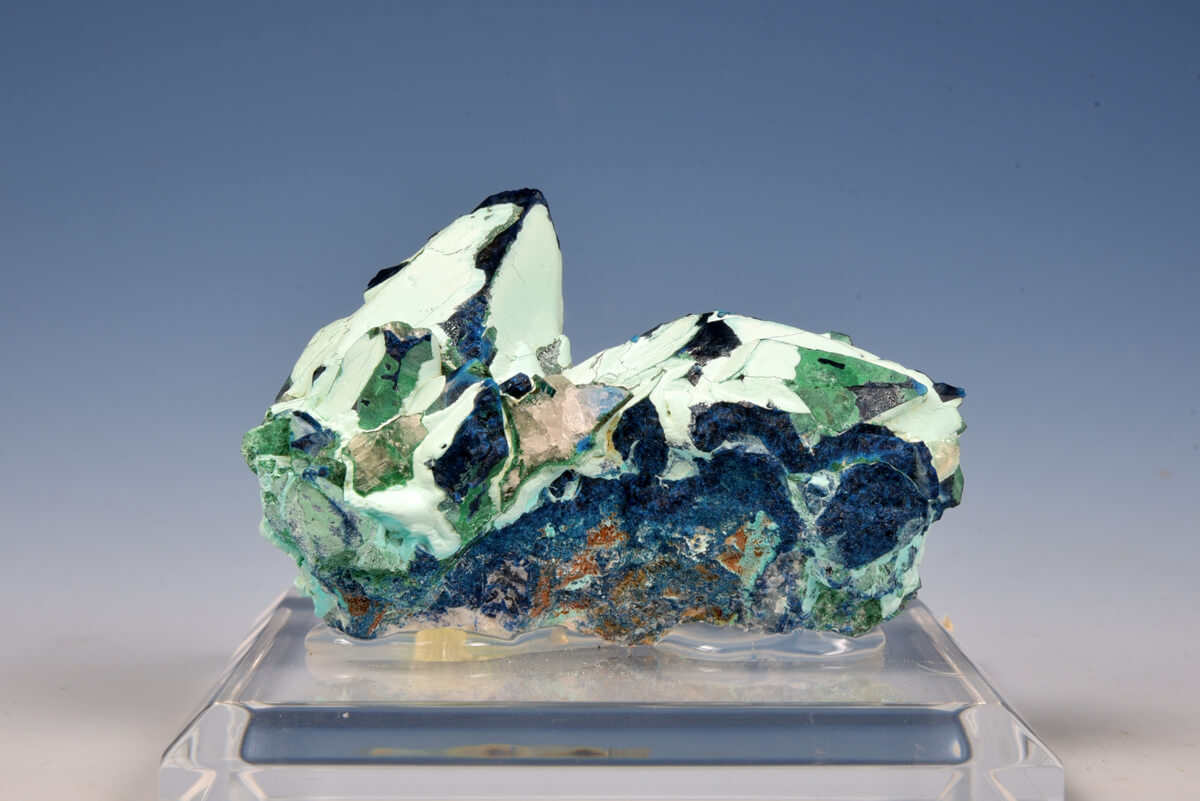
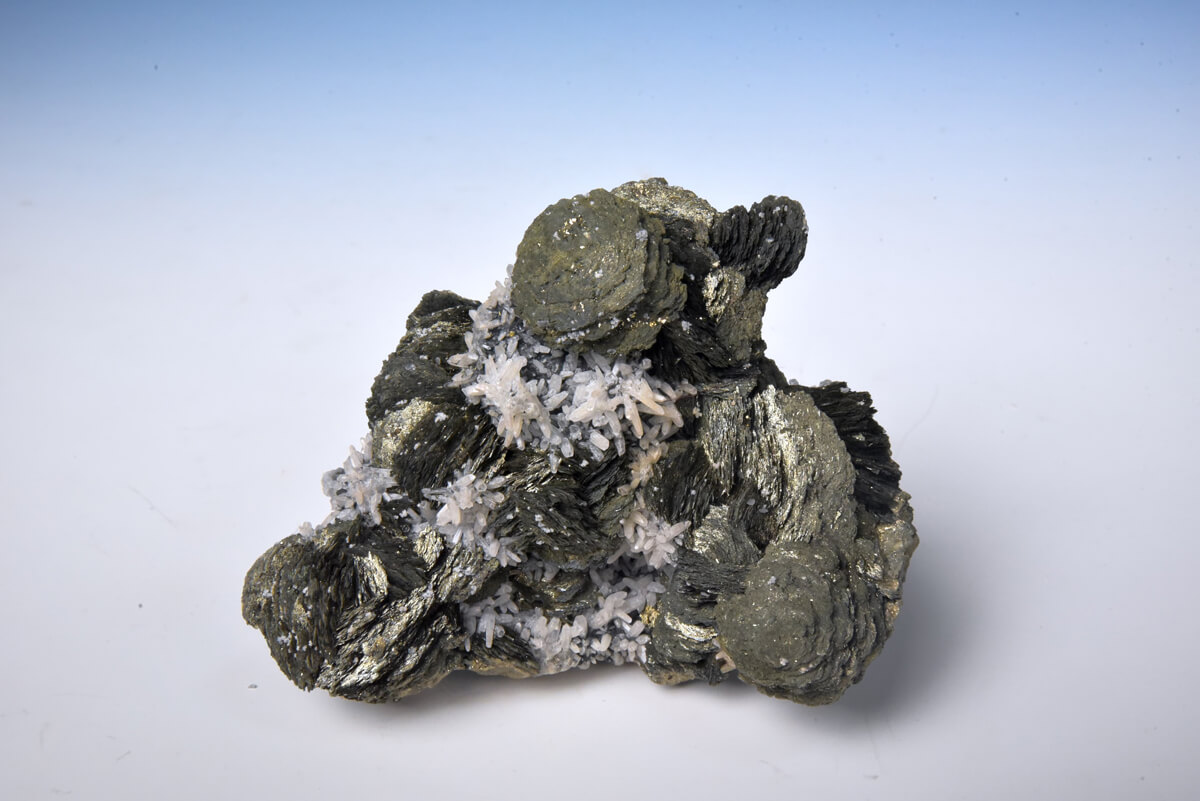
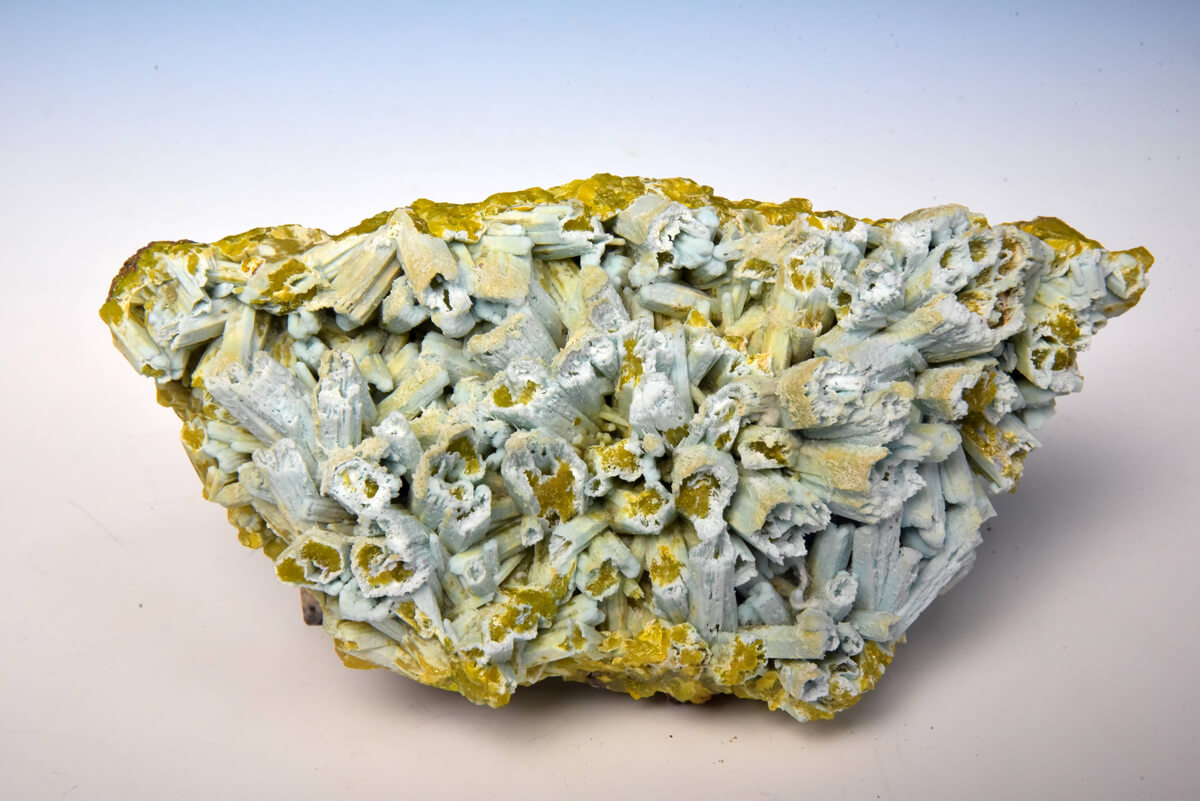
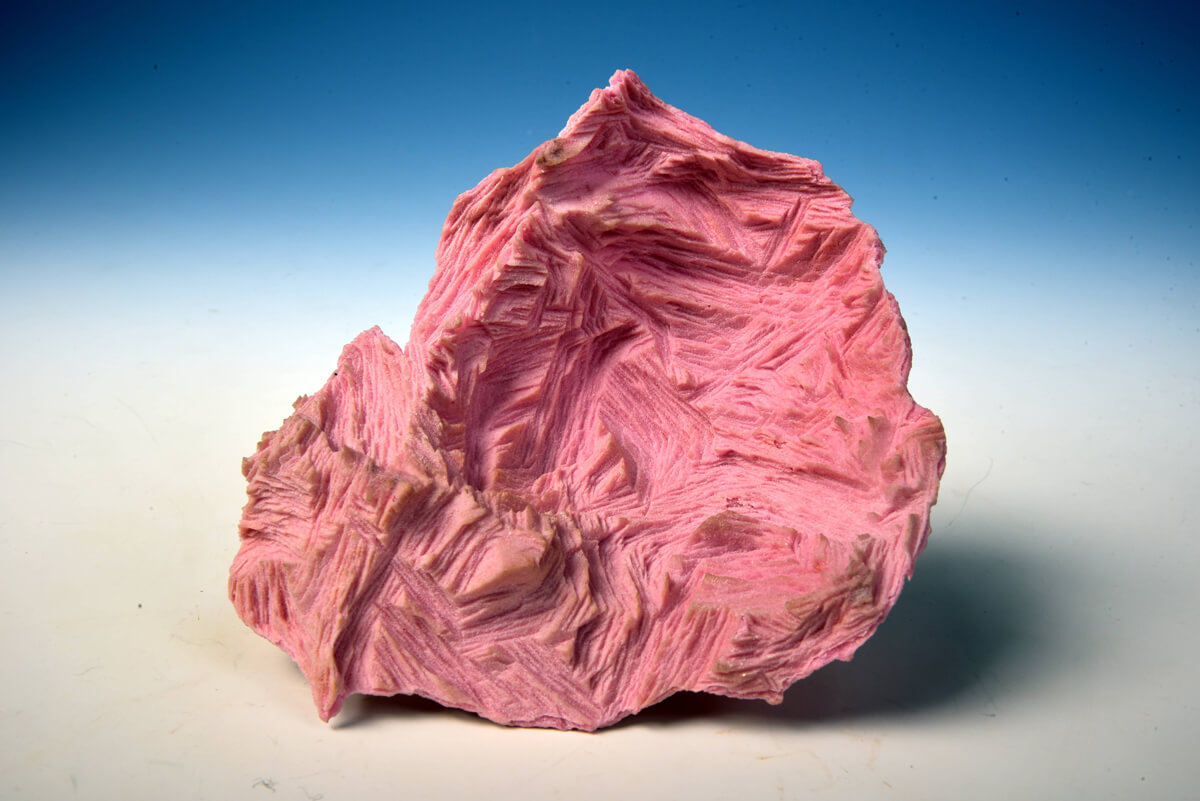
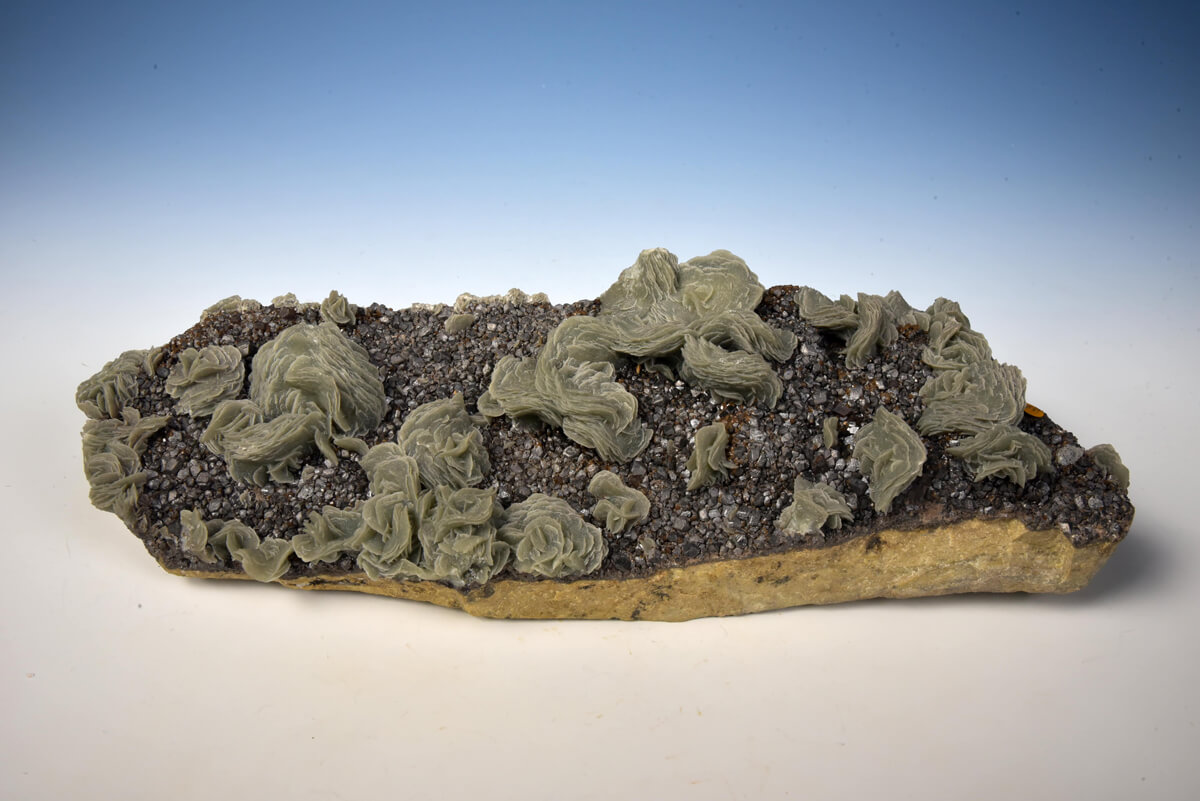
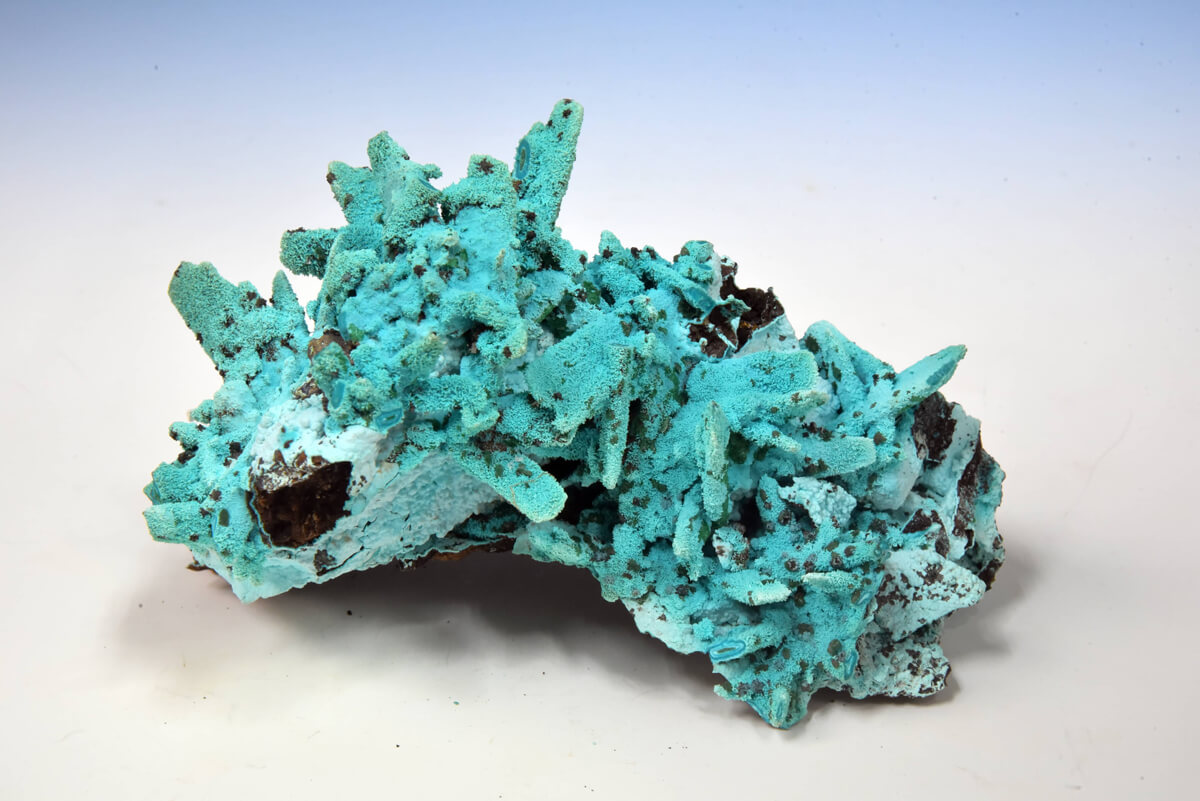
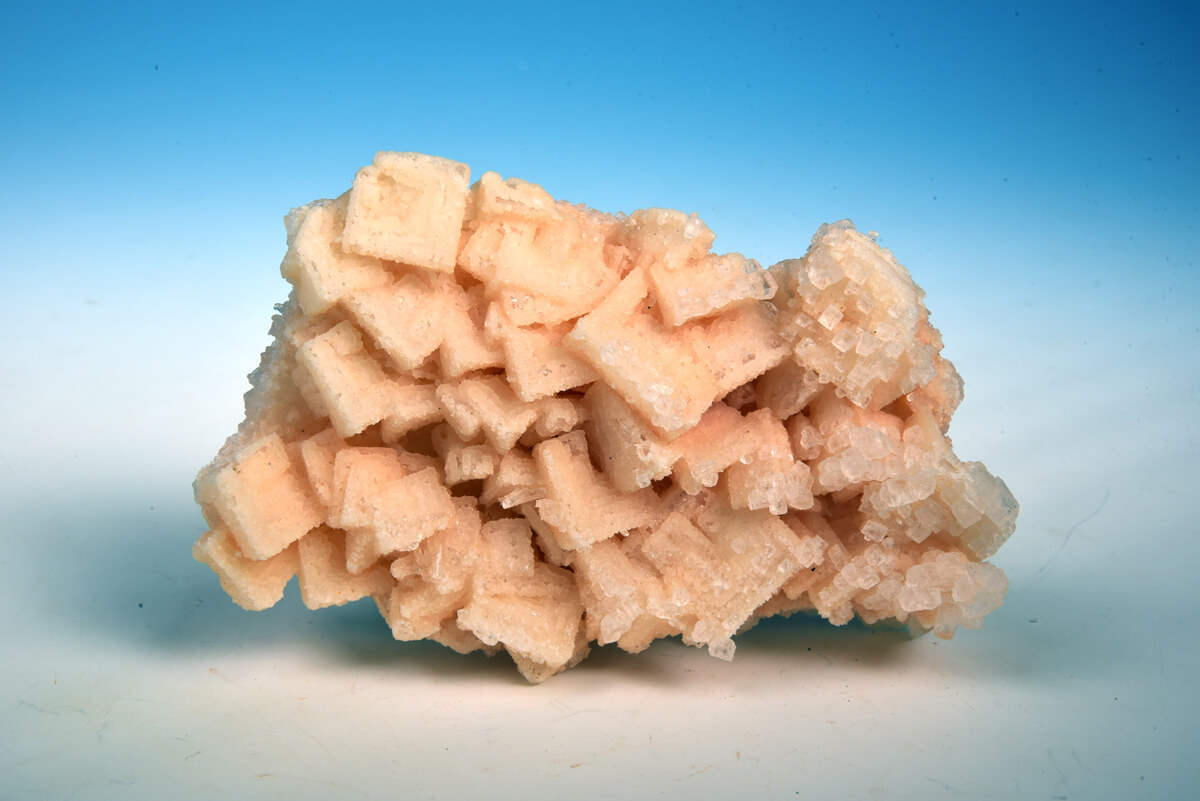
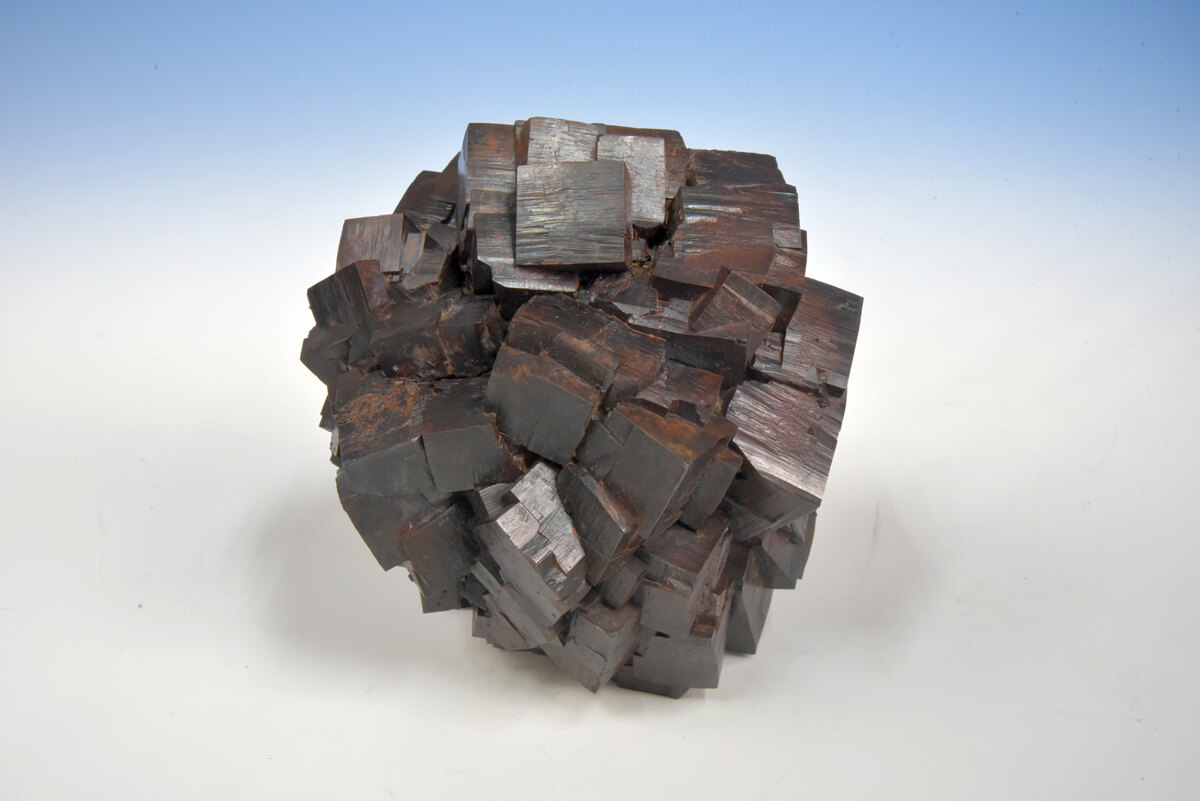
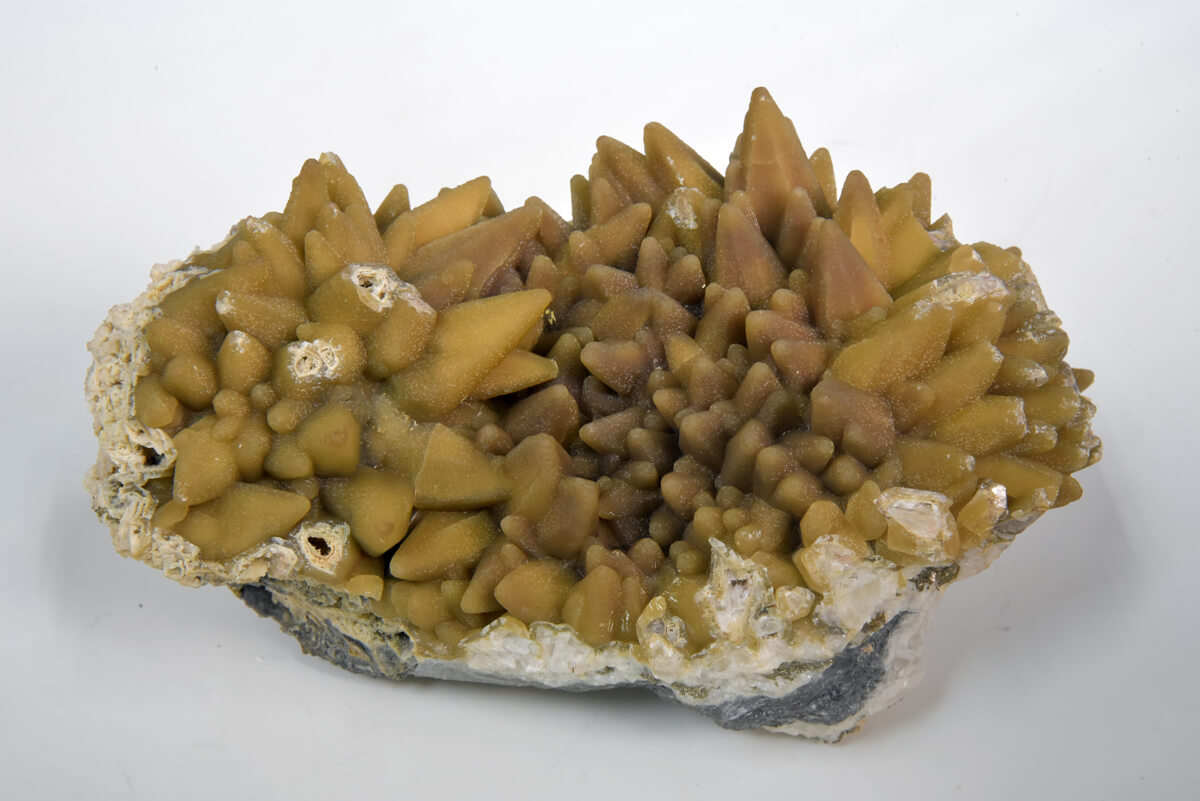
Twelve amazing examples of mineral pseudomorphs were chosen for this exhibition. While admiring these specimens, try and guess what type of pseudomorph each one is based on the above descriptions.