Emergence of Mythical Beasts
Since prehistoric times, humans have developed special bonds with animals they come in frequent contact with and that affect their daily routine, including worship and reverence. Animal worship originated from the reverence for the natural powers of animals and need. For example, some animals were food sources, providing the energy to sustain life. Some animals decided whether a person lived or died, such as man-eating beasts, and some warned of climate change. Therefore, some animals were transformed into symbols of life and death and even took on the role of communicating Nature’s “will.” Complying with this will could bring safety and protection and violating it could bring death and disaster. As part of human culture, animals guided certain rules of life. Some gave strength and some brought a sense of security. How to make use of the power of animals for protection has been a long-standing question in human society.
Against this ideological backdrop, the worship of mythical beasts is not surprising. Mythical beasts refer to animals with special powers or that are magical. They often have a strange appearance that is unimaginable and goes beyond biological reasoning. Examples include dragons, phoenixes, and unicorns of China; griffins and unicorns of Europe and West Asia; and sphinxes of Egypt.
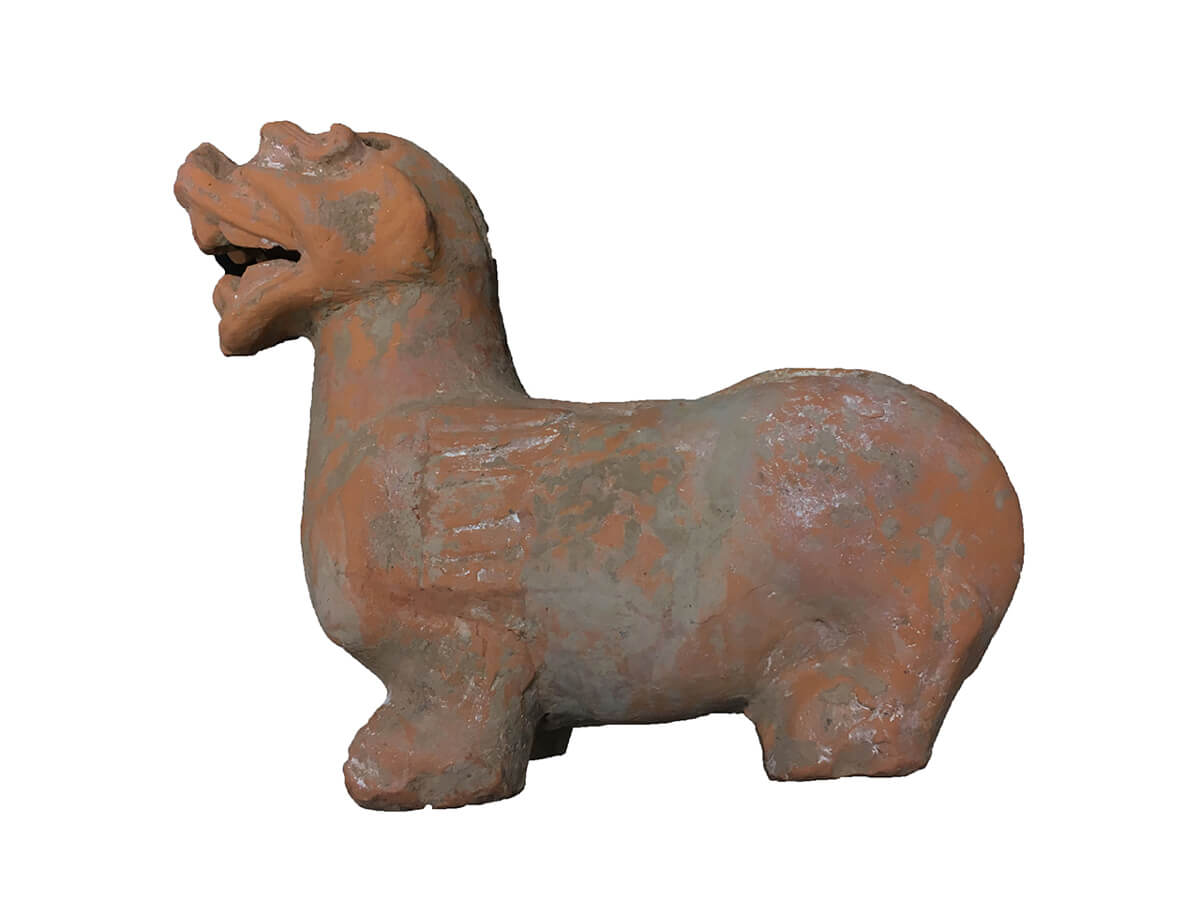
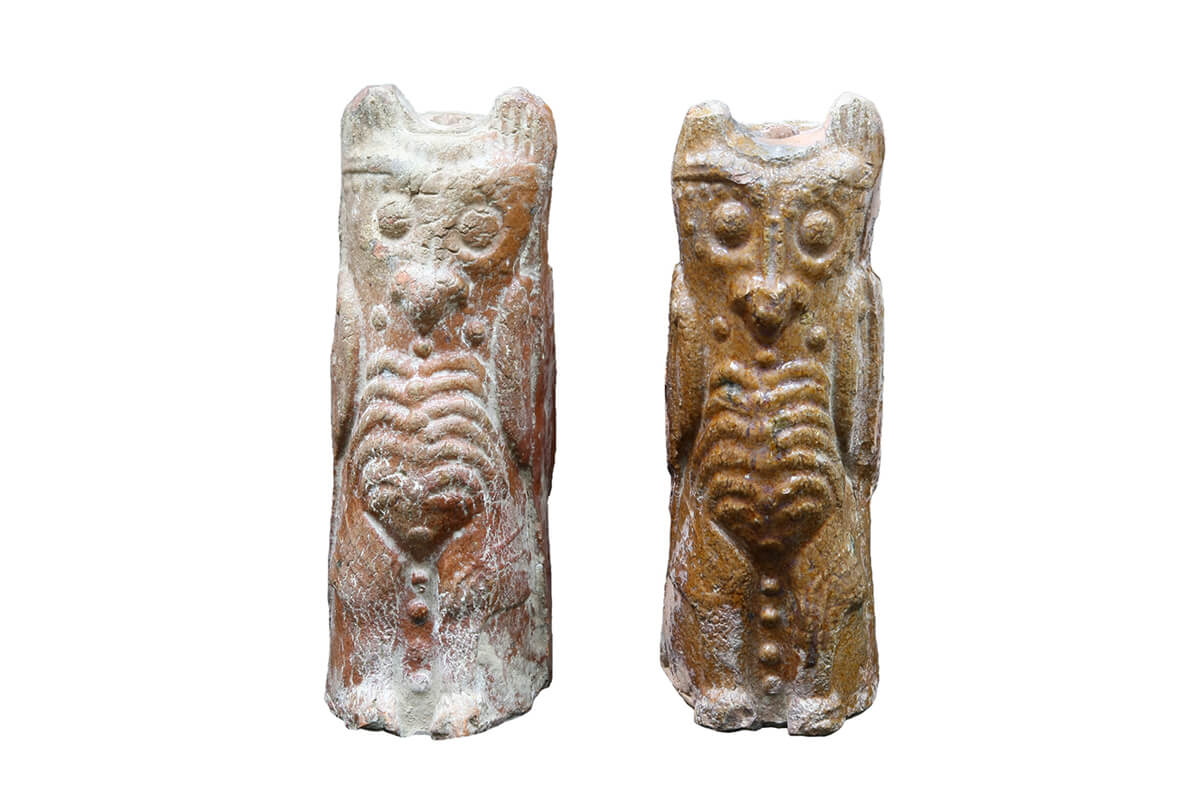
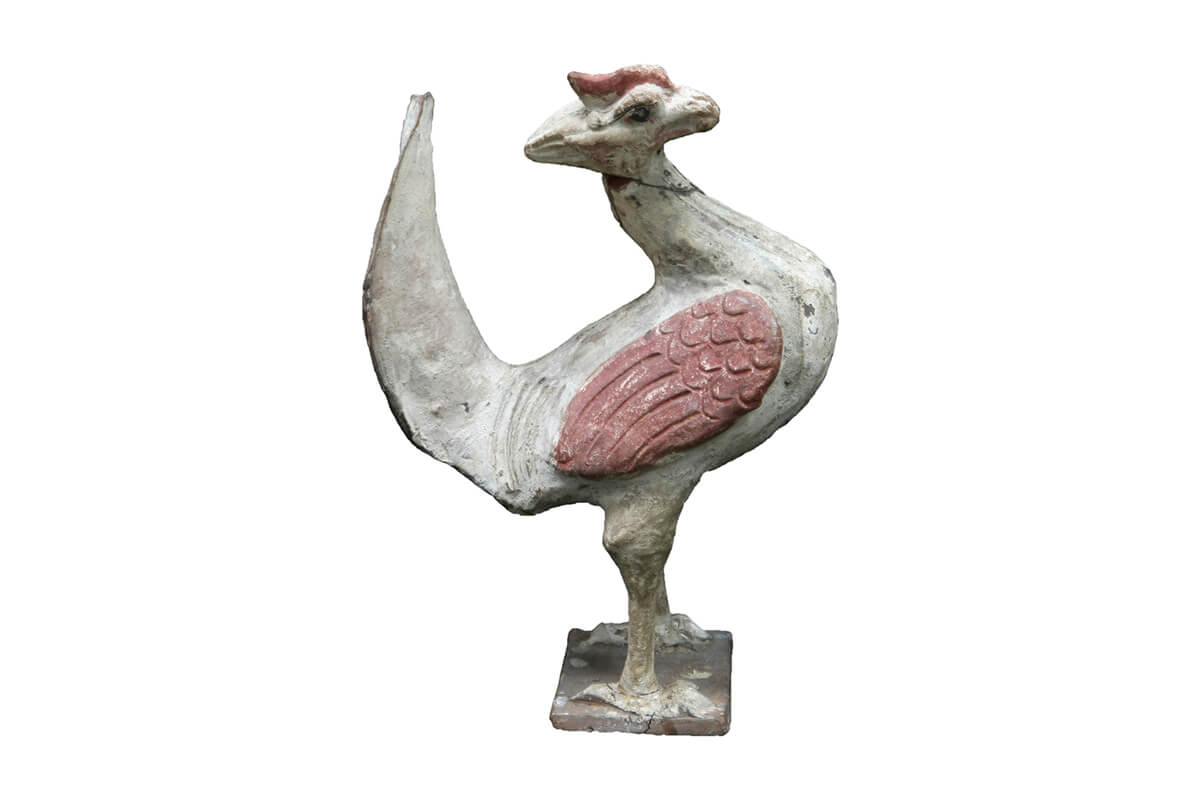
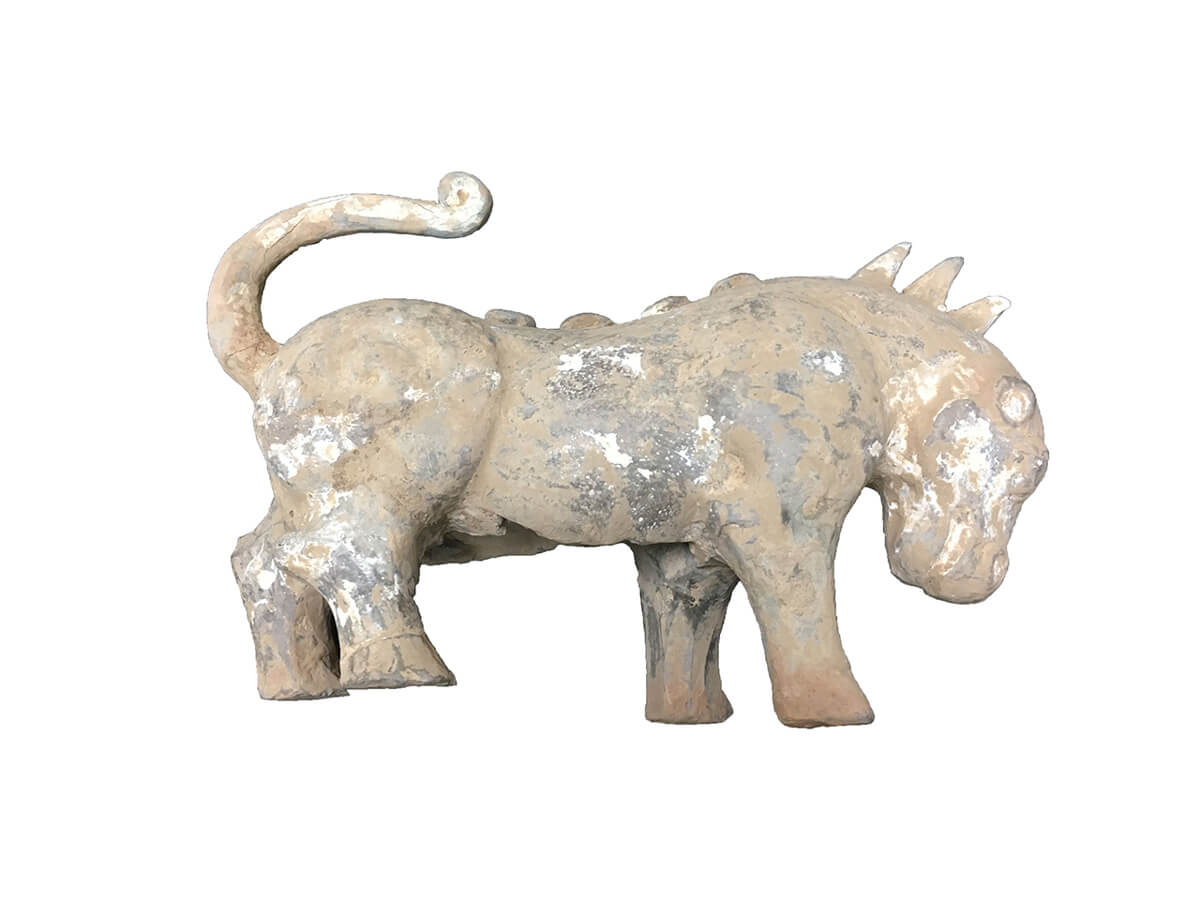
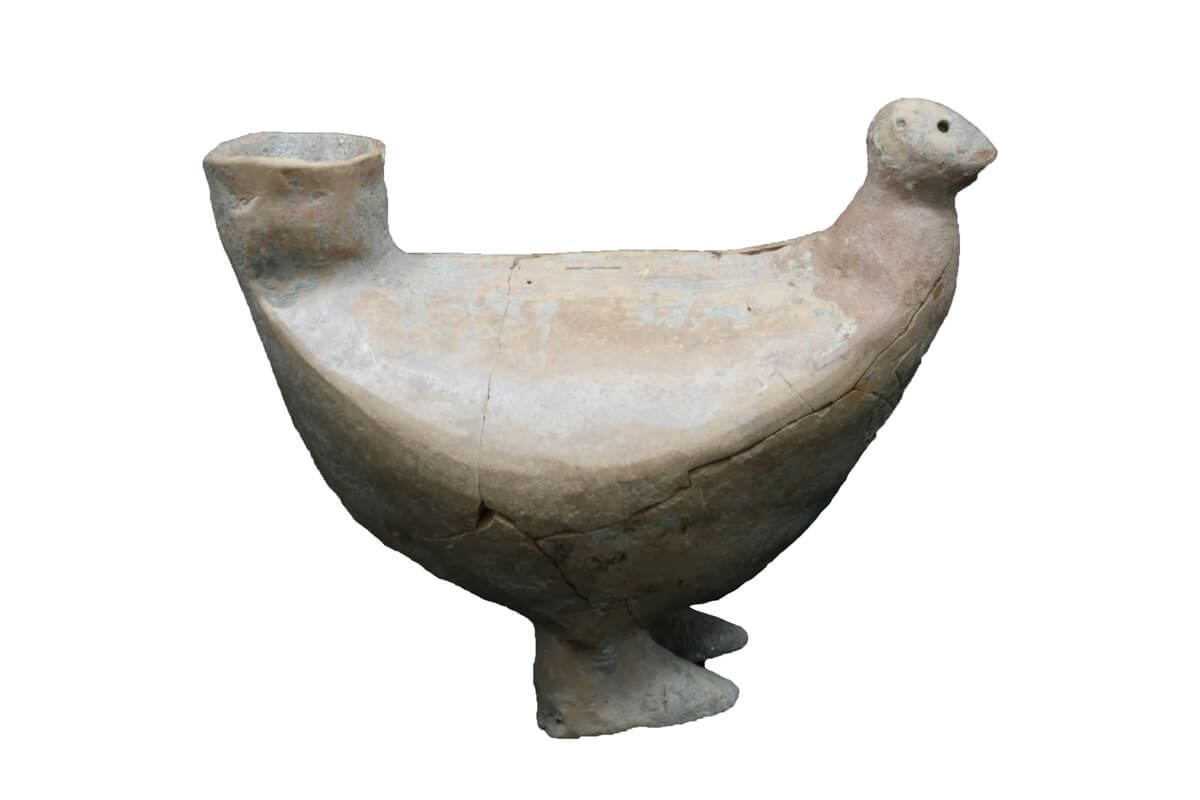
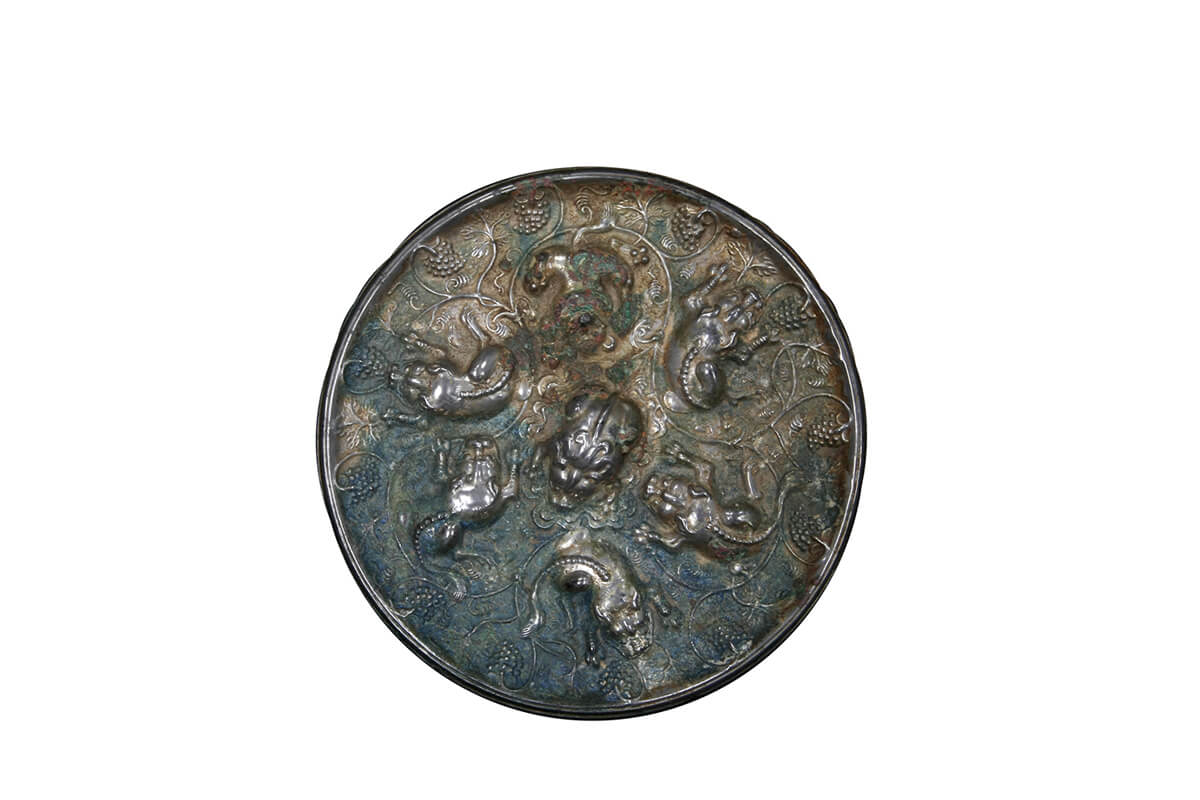
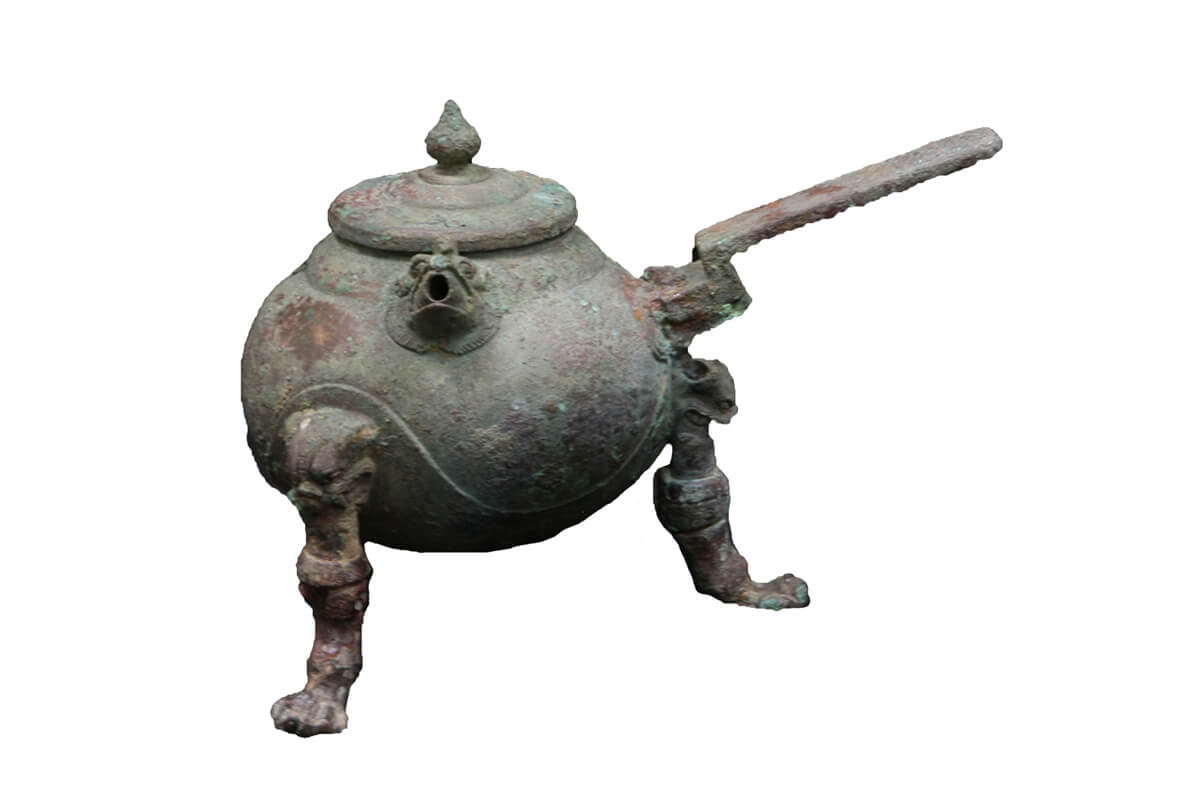
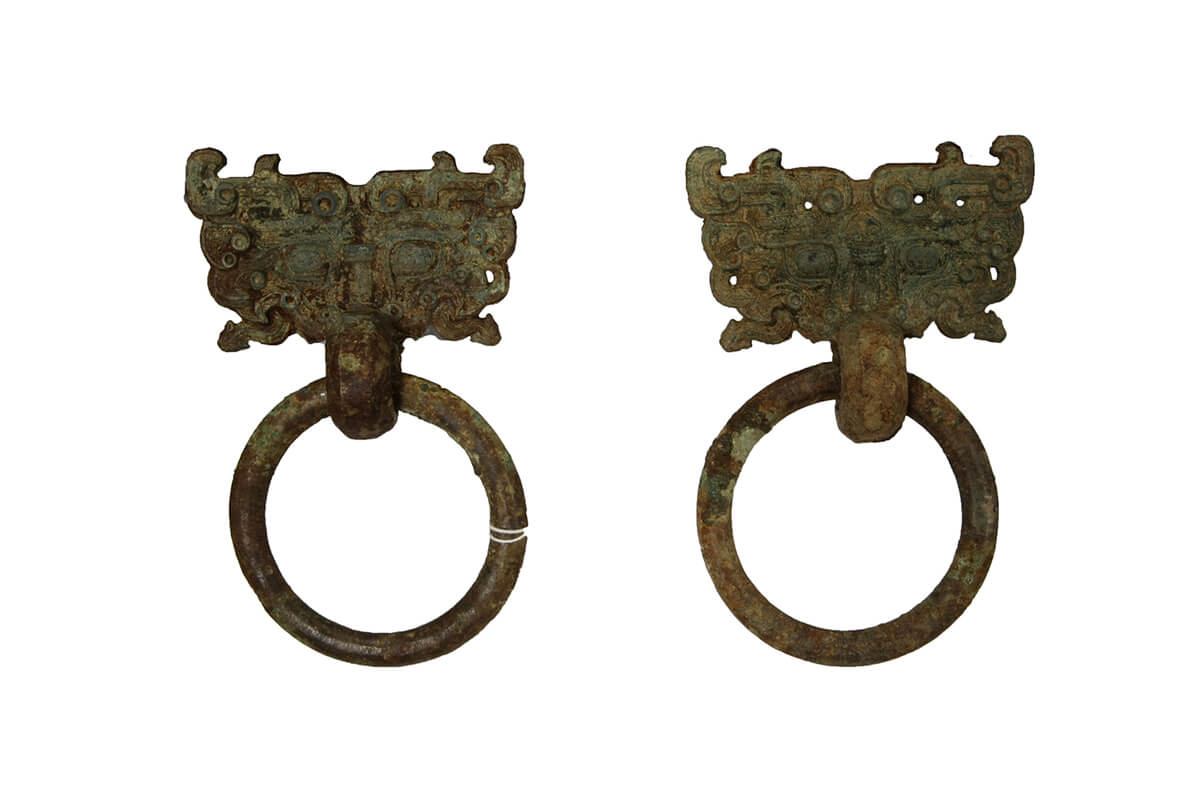
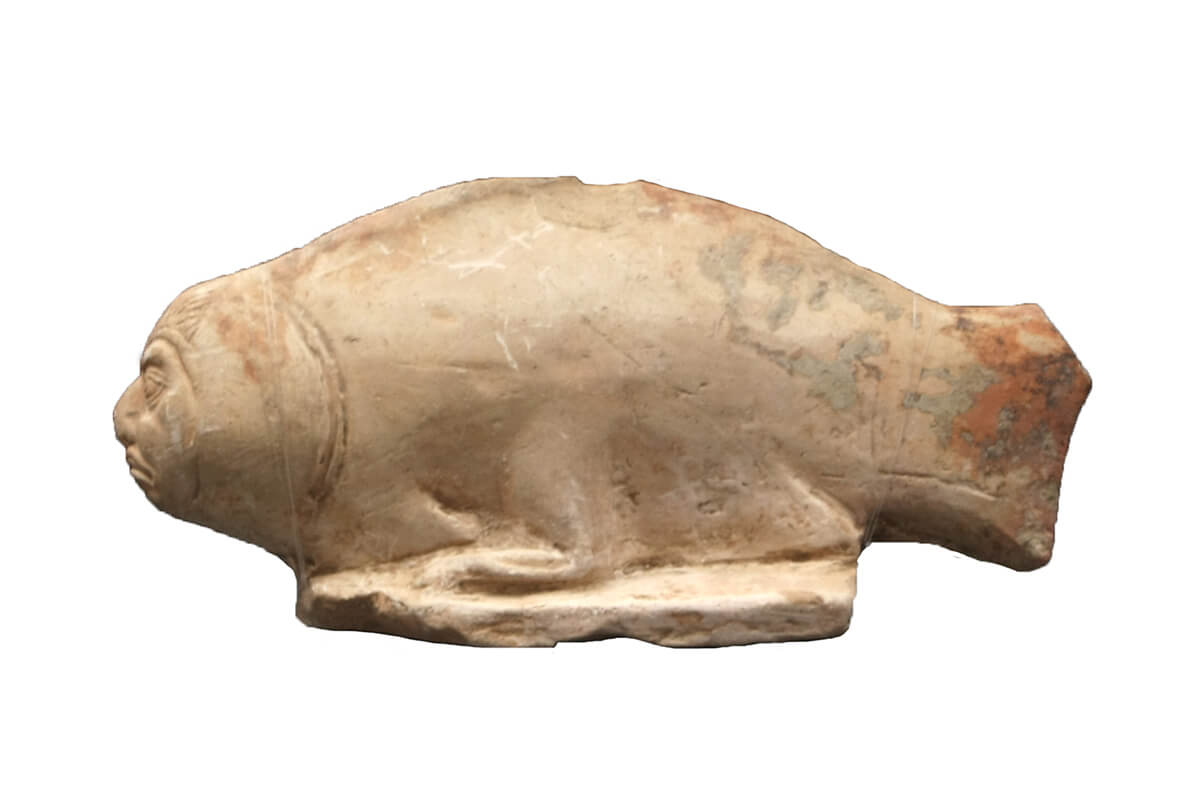
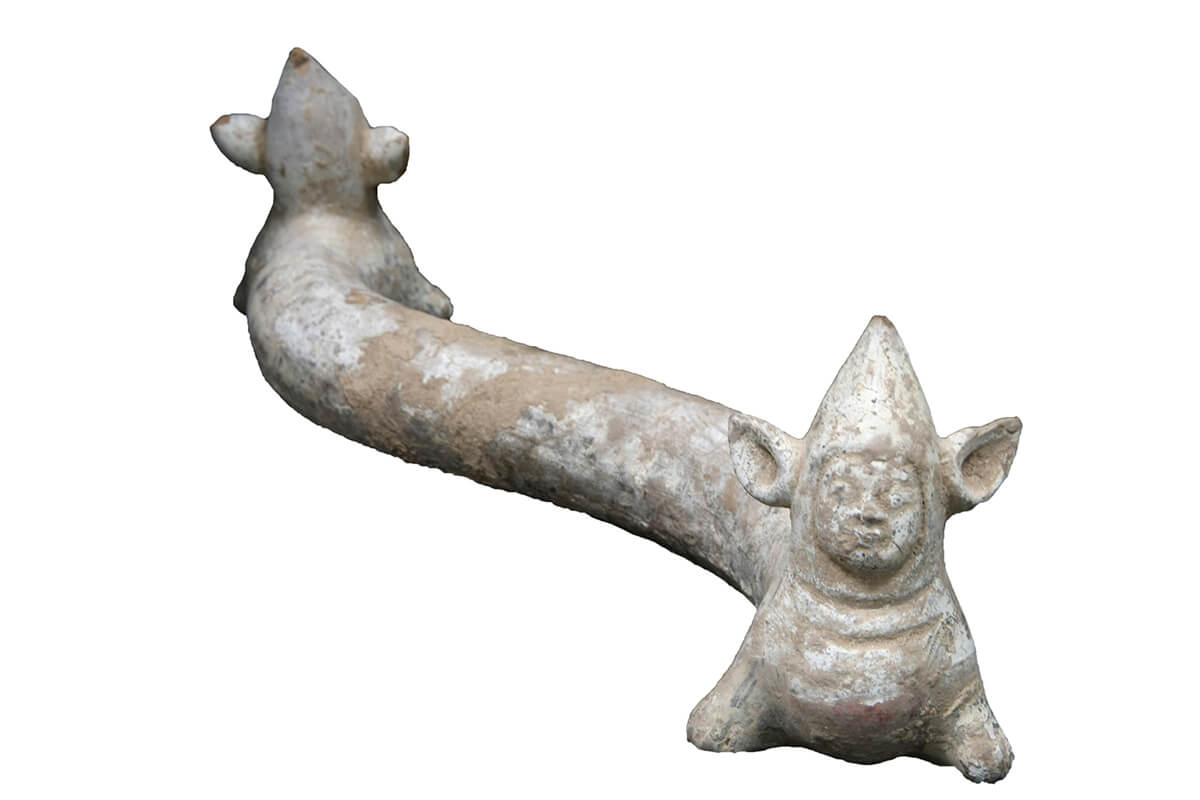
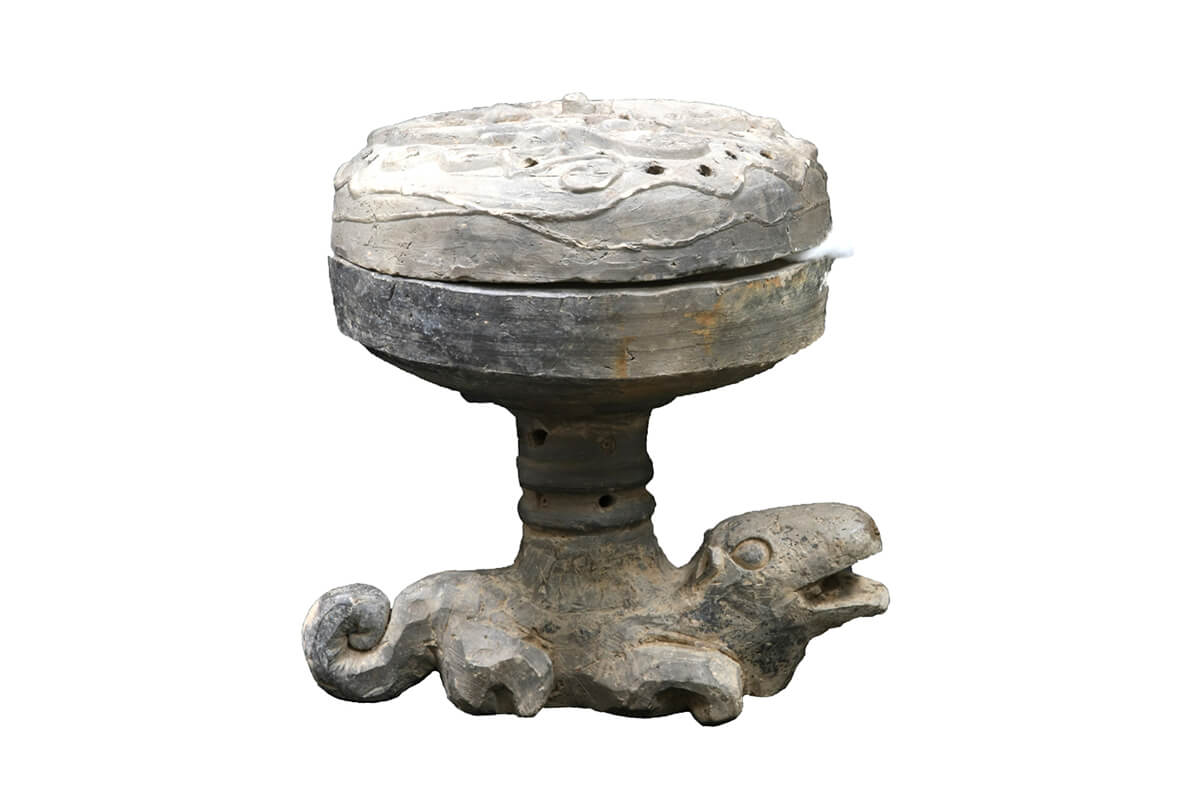
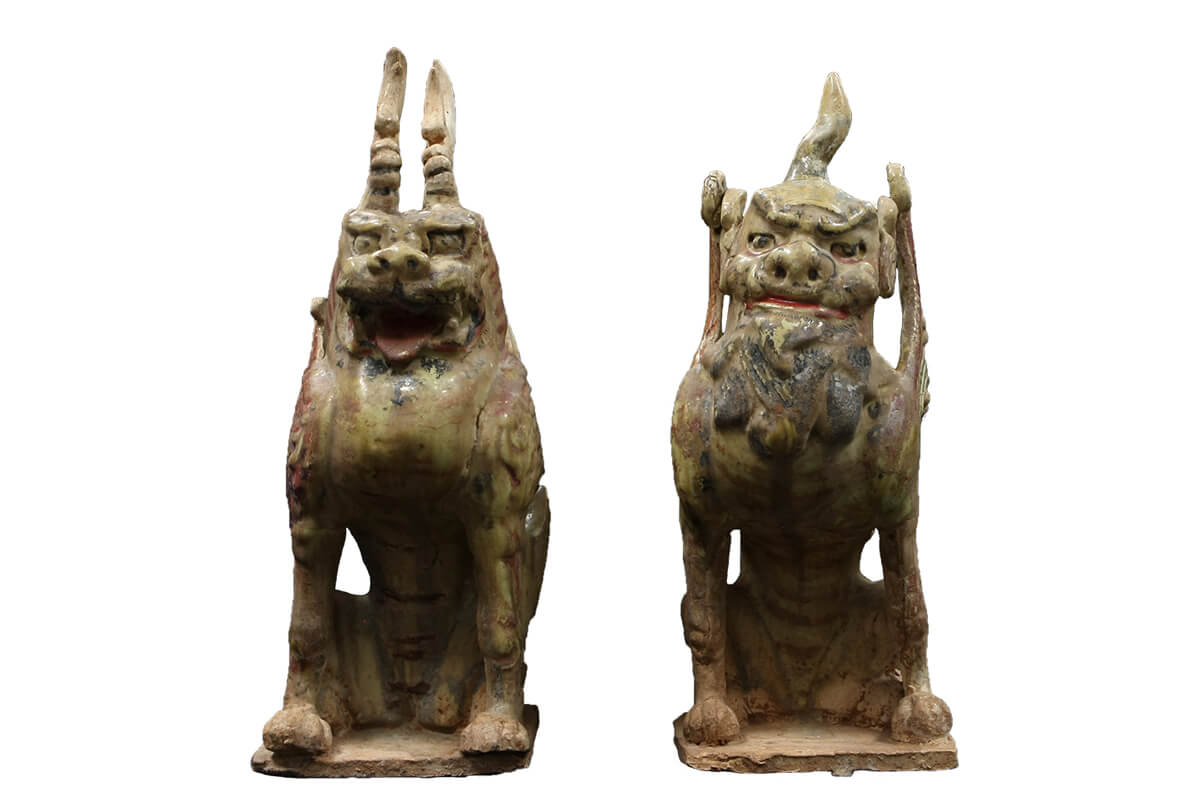
For this online exhibition, a total of 12 artifacts with commonly seen mythical beasts were specially selected to introduce the topic of animal worship starting from prehistoric times. For example, the people of the Qijia Culture made duck-shaped pottery vessels, with naïve expressions that made people smile. In the pre-Qin and Han dynasties, symbolic animal-shaped pottery burial figures developed - such as those shaped like owls. In modern people’s impressions, influenced by Japanese culture, they represent blessing. However, in ancient times they were revered gods of the night. There were combinations of beasts, such as the vermilion bird, phoenixes, tigers, lions, bears and mythical beasts such as qiongqi, pixiu, and suan ii. These extremely strong beasts with fierce expressions were the first-line guardian figures of ancient tombs. Tomb guardians that included a combination of human and animal features, such as the human-face fish-shaped pottery figures and serpent pottery figures with humanoid heads, first became popular in the Changsha area of Hunan Province and Changzhi area of Shanxi Province around the early Tang dynasty. One theory holds that the significance of bestowing these beasts with human features is the hope that the unique abilities of these beasts can be used by humans and that, at the same time, they can be “managed” due to their human nature. For example, eating the vermilion fish, as mentioned in the Classic of the Mountains: South volume of the Classic of Mountains and Seas was purported to prevent scabies and itchy skin. In the Classic of the Great Wilderness volume, the descendants of Emperor Yan were able “to move up and down in the sky.” Human-face fish-shaped figures were burial objects that provided the deceased with supernatural expectation and protection. On the other hand, the combination of human and beast is based on the concept of being god-like, a metaphor for powers that transcend those of ordinary humans. Nuwa and Fuxi are half-human half-serpent figures revered as creators of humanity. Therefore, figures with a humanoid head and serpent body may imply the hope of the tomb owner for rebirth and immortality.
Mythical beasts, which exist in mythology, have also been made real by human society. Through this exhibition, it is hoped that more people can gain an interest in ancient artifacts and archaeology.