The Clothing and Textiles of Taiwanese Indigenous Peoples
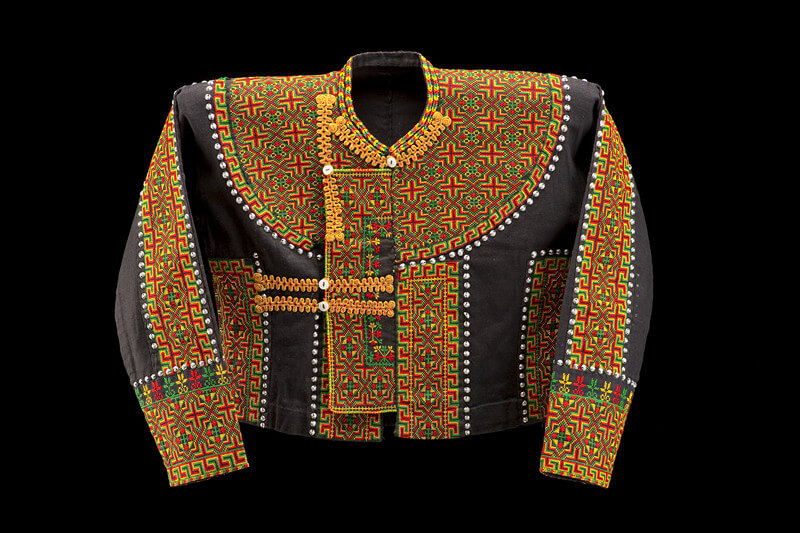
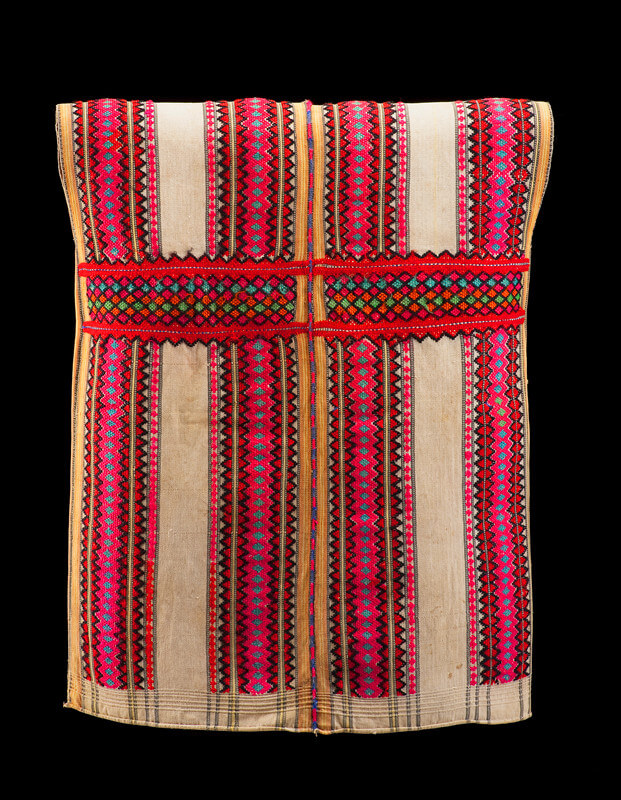
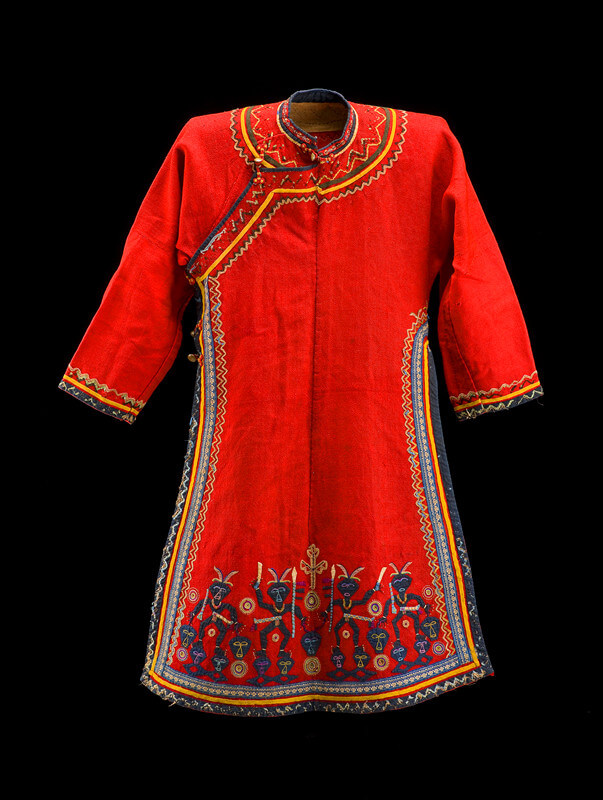
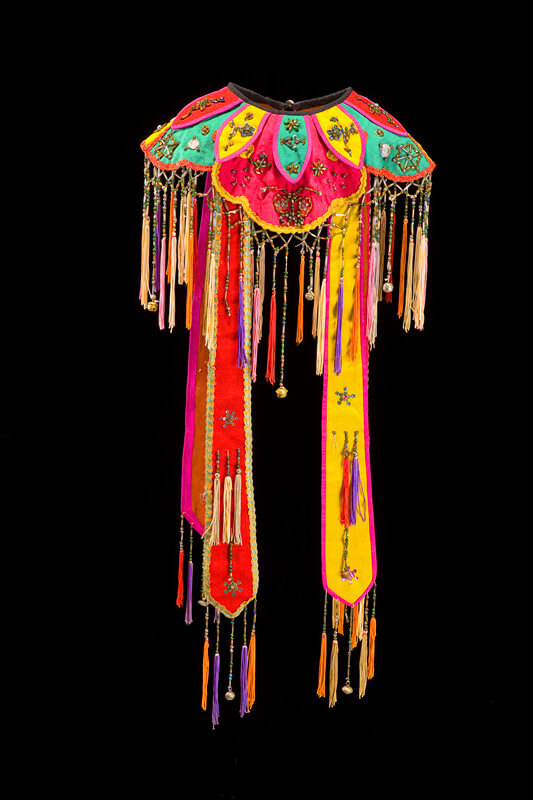
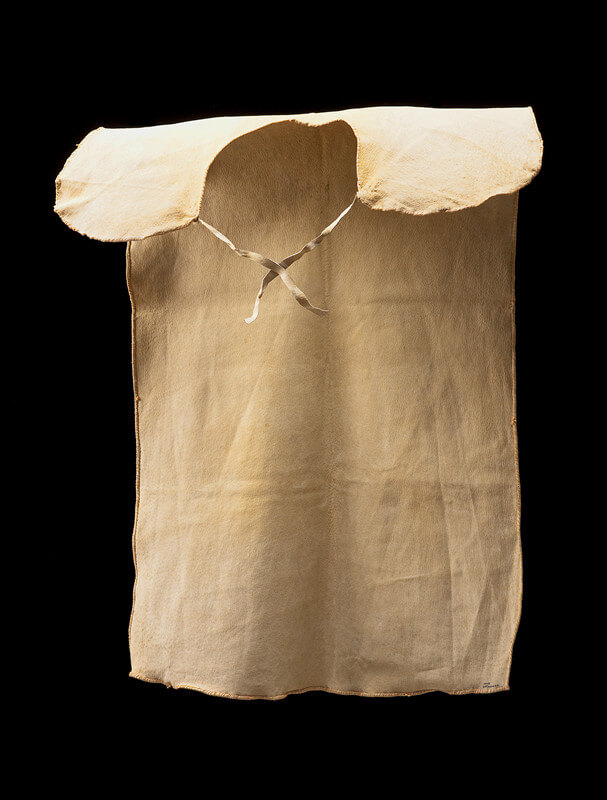
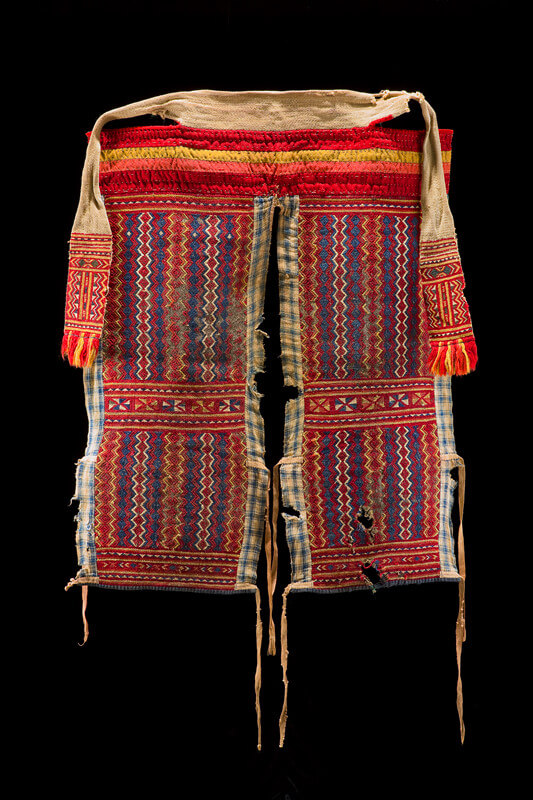
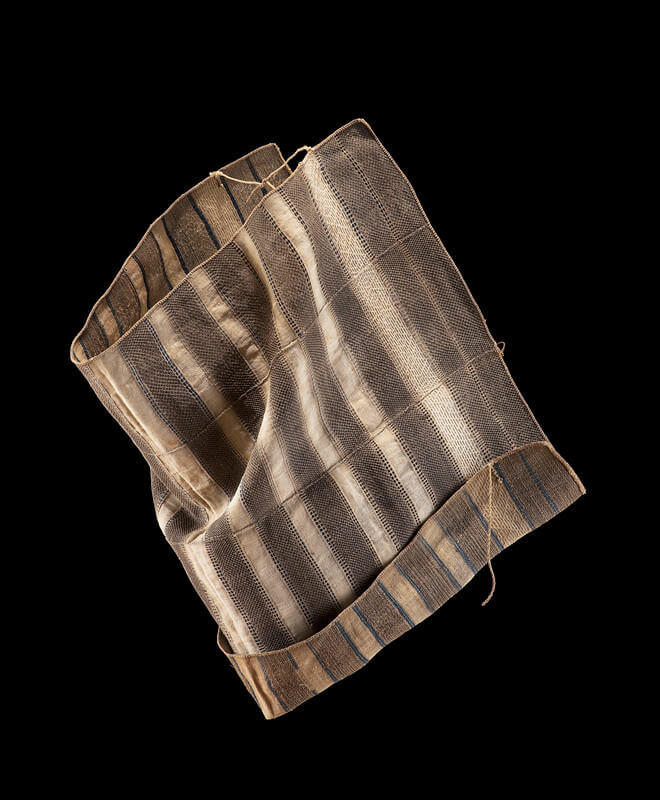
Taiwan's indigenous peoples make up about two percent of the total population. In the past, research mostly adopted the language-based classification system developed during the Japanese occupation era (1895-1945). This included Pingpu (plains-dwelling) and mountain-dwelling indigenous tribes. The mountain-dwelling indigenous peoples were further divided into nine tribes. With the rise of the indigenous social consciousness movement, the total number of officially recognized tribes increased to 16. Each tribe possesses unique characteristics, as well as clothing culture, which are distinctive cultural treasures of Taiwan.
Taiwan's indigenous peoples make up about two percent of the total population. In the past, research mostly adopted the language-based classification system developed during the Japanese occupation era (1895-1945). This included Pingpu (plains-dwelling) and mountain-dwelling indigenous tribes. The mountain-dwelling indigenous peoples were further divided into nine tribes. With the rise of the indigenous social consciousness movement, the total number of officially recognized tribes increased to 16. Each tribe possesses unique characteristics, as well as clothing culture, which are distinctive cultural treasures of Taiwan.
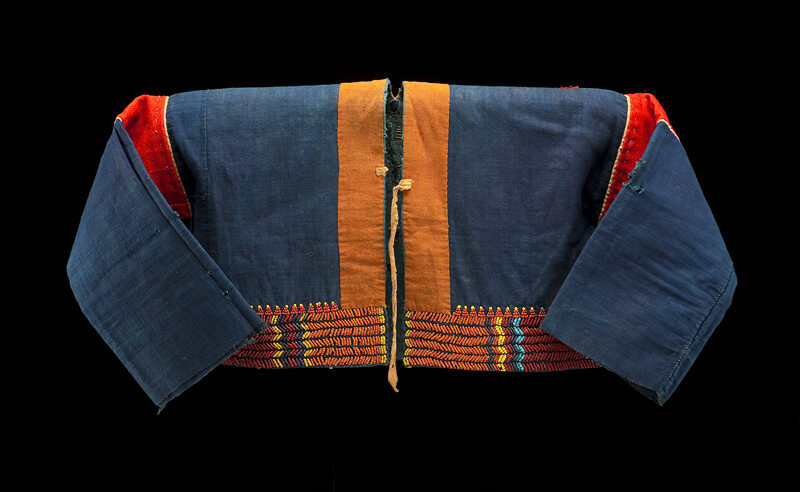
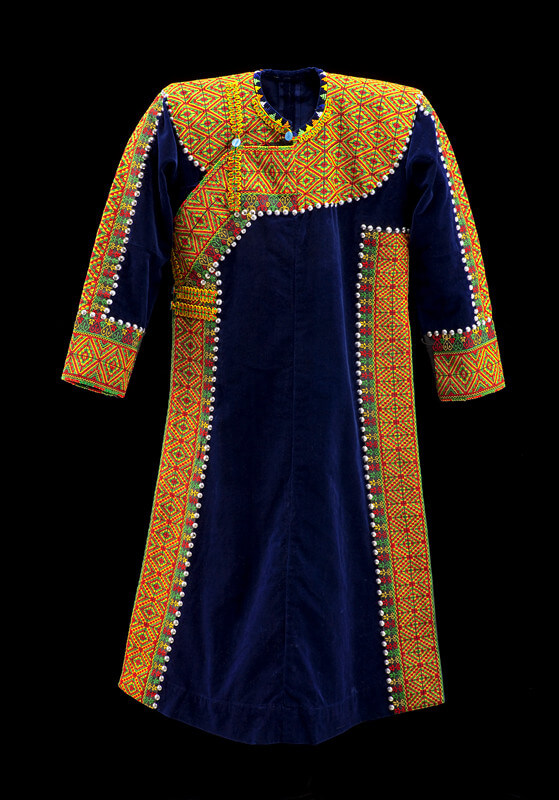
Taking the Atayal tribe as an example, shell bead shirts could only be worn by the chieftain and respected warriors. Shell beads symbolized authority and wealth. It is said that a shell bead shirt could serve as a conciliatory gift in a dispute between two families. Shell bead shirts were also betrothal gifts. Shell beads were valuable because they were difficult to obtain. Shells were acquired through trade and then ground into beads. Finally, a hole was drilled through the center. Ramie thread was used to string the shell beads into strands which were then attached to traditional Atayal shirt. Precious shells and a complicated process were required to produce this high-value textile.
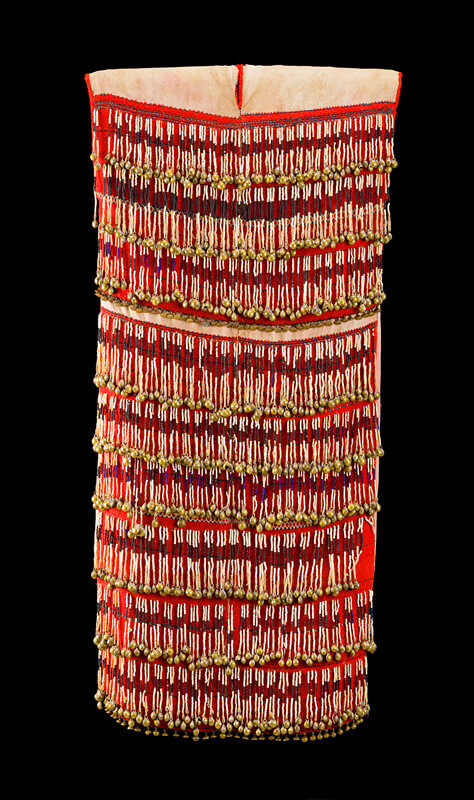
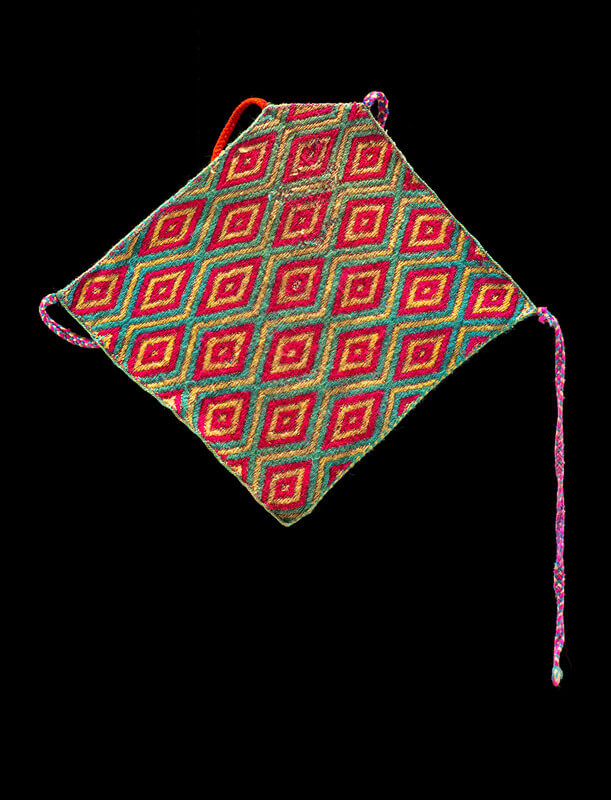
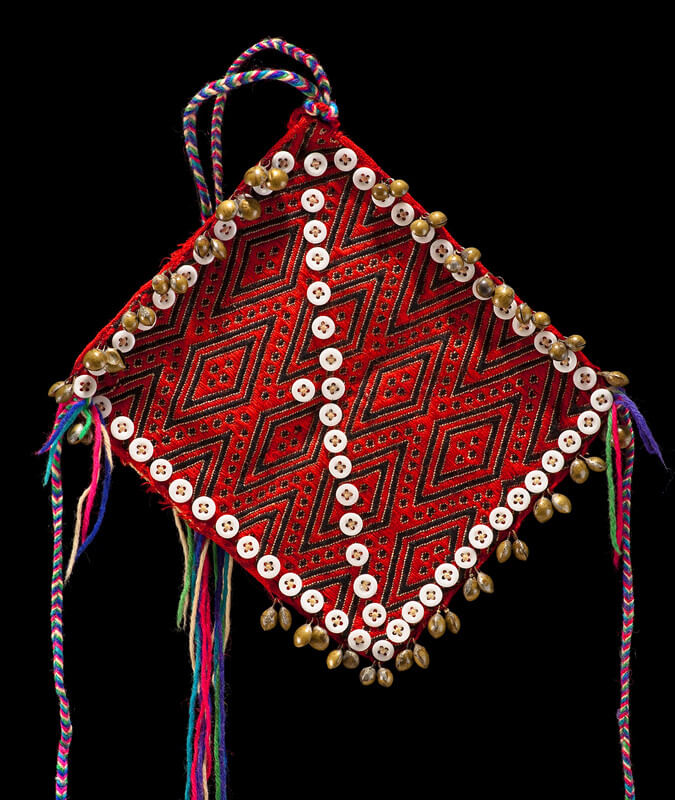
During the Dwarf Spirit Ceremony (Pasta'ay), the Saisiyat wear a set of hip bells. As the Saisiyat sway back and forth during the ceremony, the bamboo or metal tubes that hang down over the buttocks emit sounds. This instrument is also referred to as "back echo" for the sound effects it emits. This instrument could not be produced or used other than for this ceremony, as it was considered sacred. Among the Southern Saisiyat, each family was free to make their own hip bells. However, for the Northern Saisiyat, there were some restrictions and the surname and clan had to be taken into consideration. In general, it was the men who produced the hip bells. They were mostly worn by women. However, men could wear them as well. The top part of the hip bells was usually triangular in shape. Materials included bamboo, cotton cloth, and woven ramie net bag, etc.
The hundred pace pit viper motif of the Rukai tribe was carved on wooden ancestral spirit post, eaves, trusses and doors of Rukai homes. This motif was also tattooed on the body, embroidered onto clothing, used to adorn pottery and in drawings, etc. According to one tribal legend, the hundred pace pit viper is the ancestor of the Rukai people and a blood relative of Rukai nobility. In general, commoners could not randomly use the hundred pace pit viper pattern. It is speculated that in a hunter's life, snakes presented the greatest peril, and the hundred pace pit viper was the most dangerous. Therefore, the animal that they most feared, the hundred pace pit viper, was looked upon as their ancestor and they called themselves the descendants of this snake.
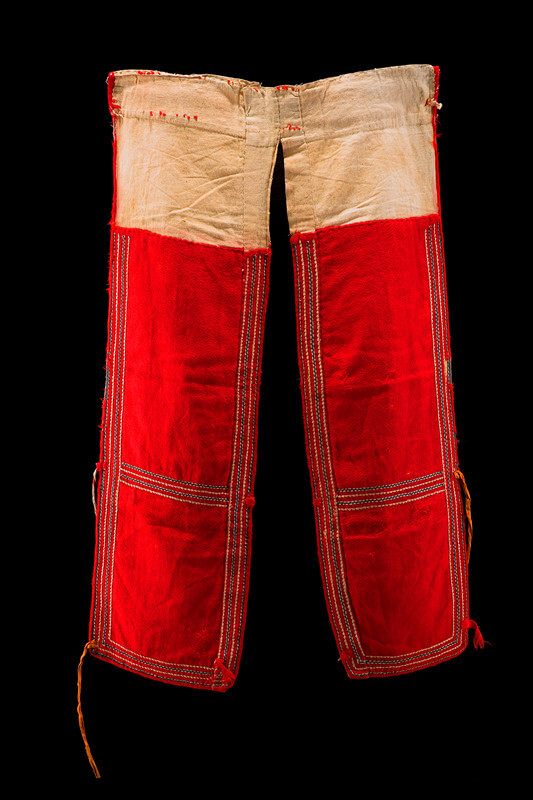
Other tribes also obtained materials and inspiration from nature, and used their life experiences as a starting point. Simple tailoring and bright color combinations were interwoven into a beautiful textile culture. Today, following the introduction of modern technology into indigenous communities, there have been innovative new ideas. However, bright and exquisite textiles can still be seen. Various elements have been influenced by outside cultures and have led to continuous changes. This has resulted in more abundant and beautiful indigenous clothing and ornaments.