Mysterious Calcite
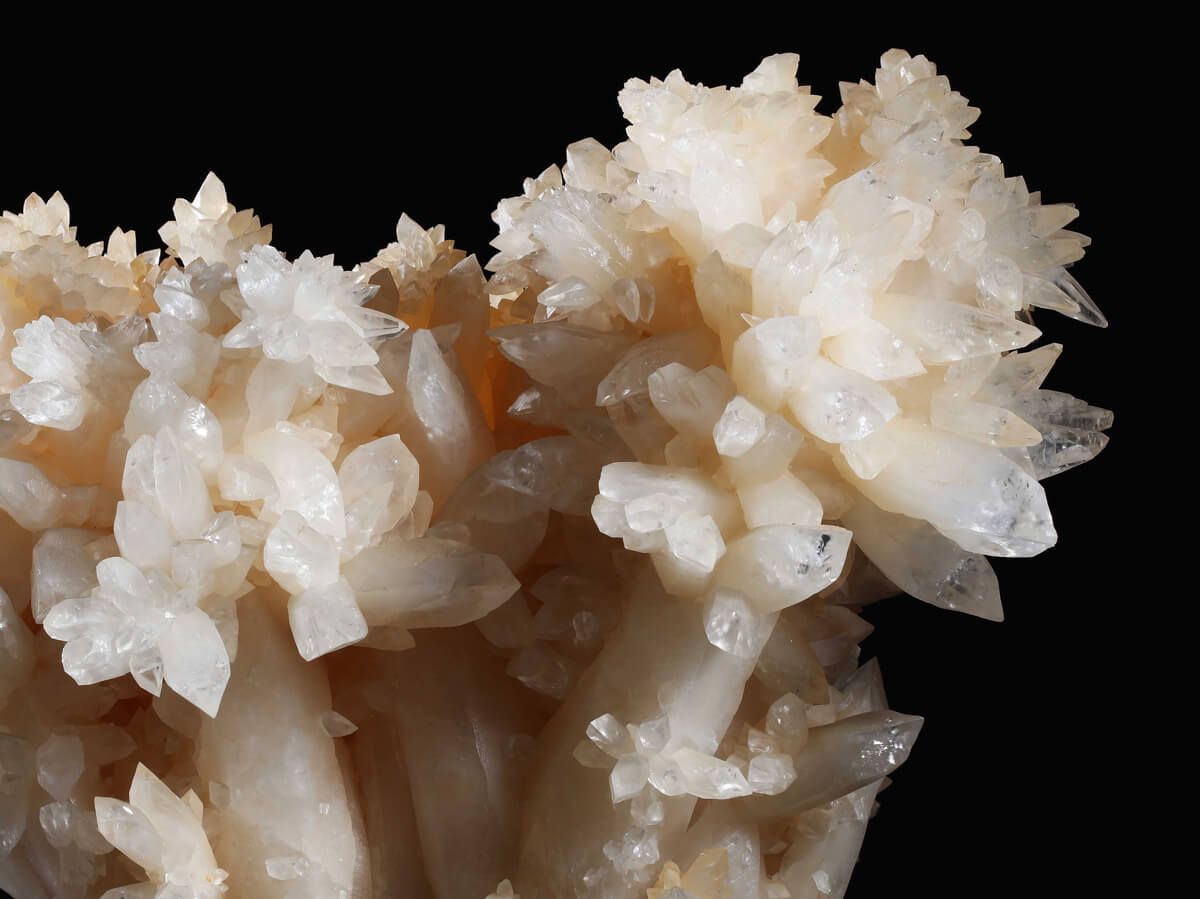
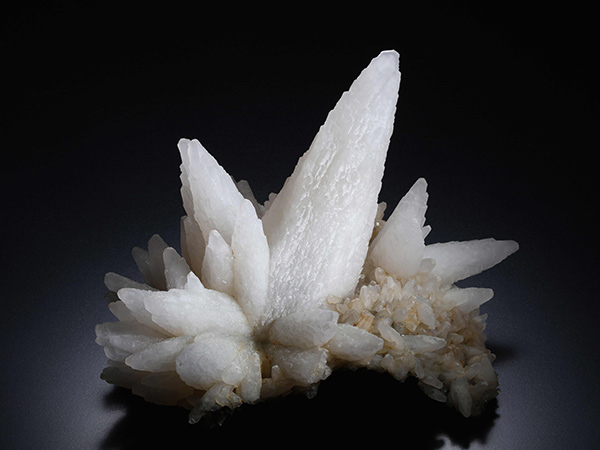
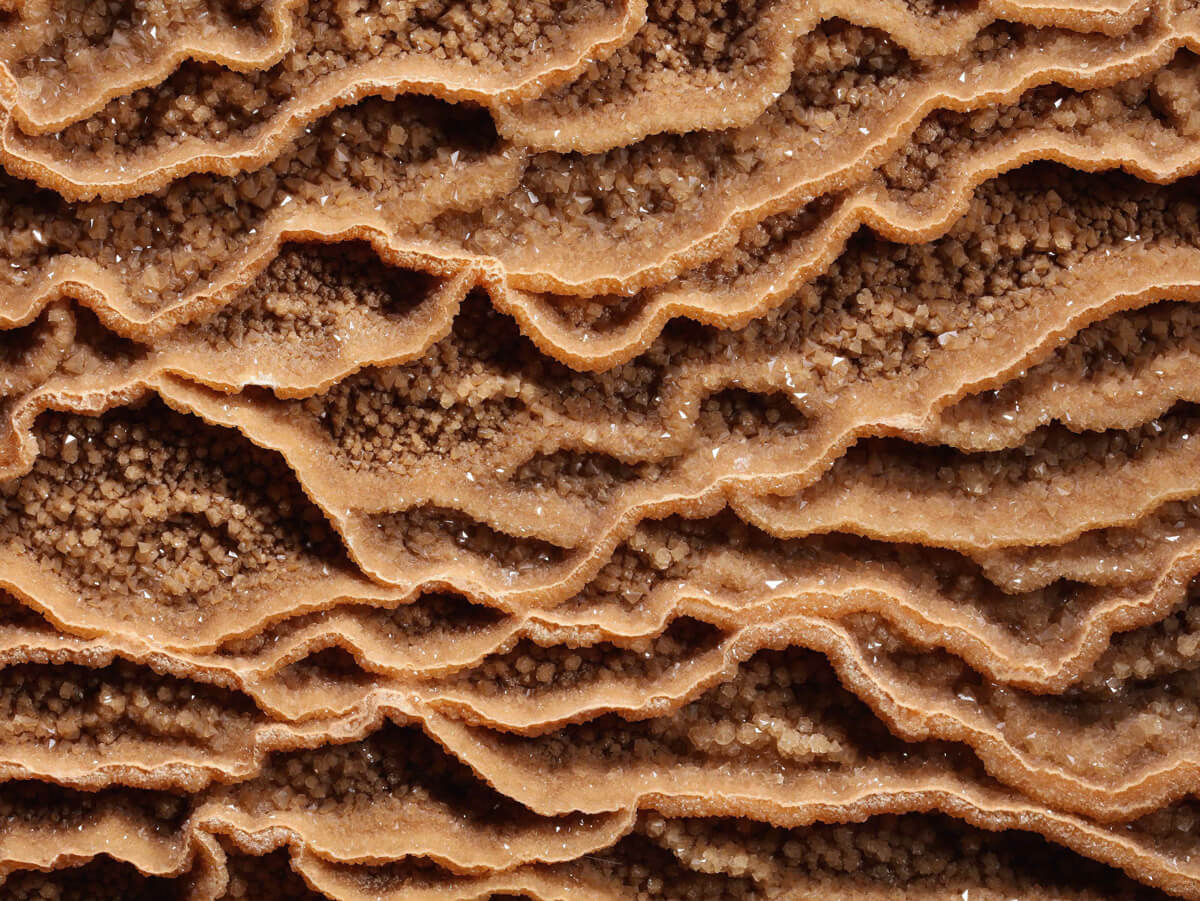
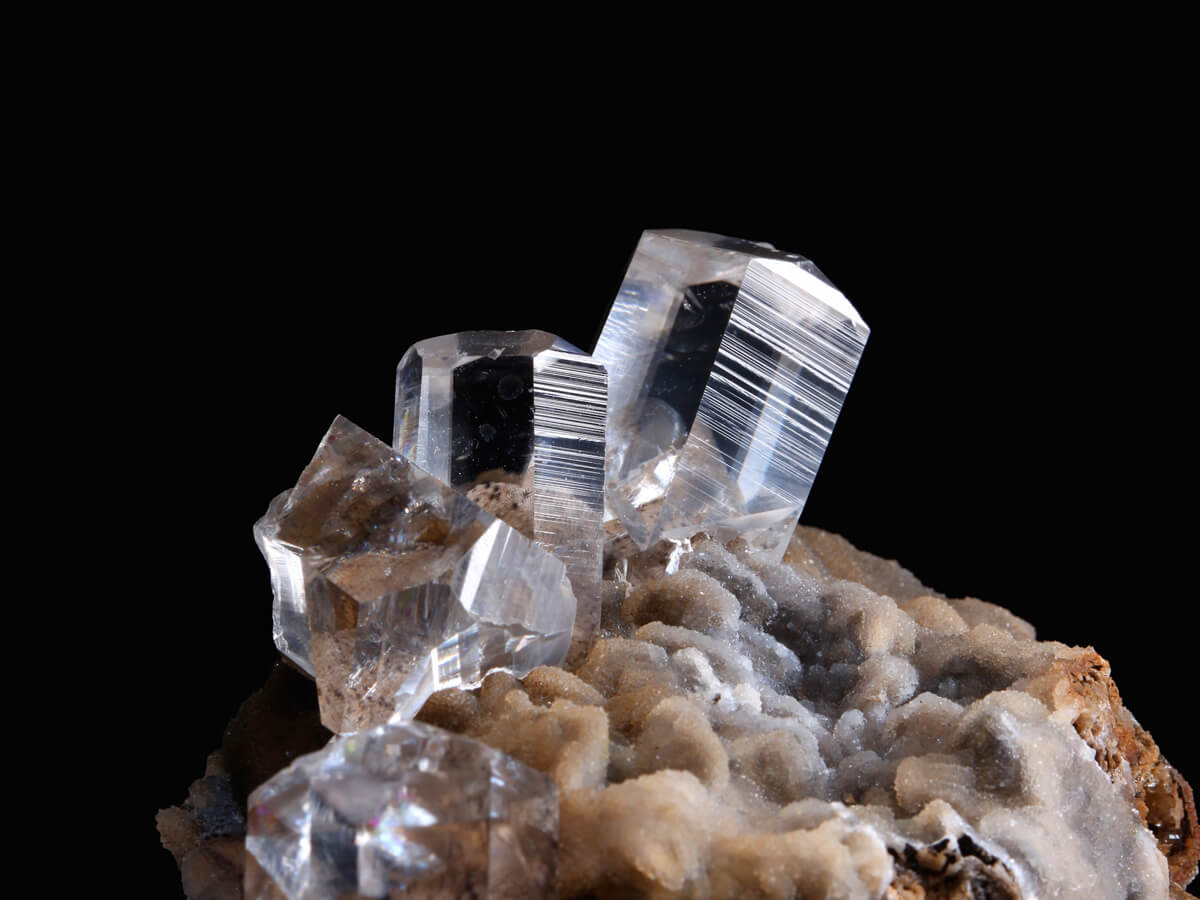
Calcite is a common mineral. Its chemical composition is calcium carbonate (CaCO3), meaning that it is made up of three very common elements: carbon, oxygen and calcium. Calcite is the second most ubiquitous mineral on Earth, with quartz being the most ubiquitous. It can be found just about everywhere. Calcite has numerous crystal forms including rhombohedron in the hexagonal lattice system and orthotrigonal.
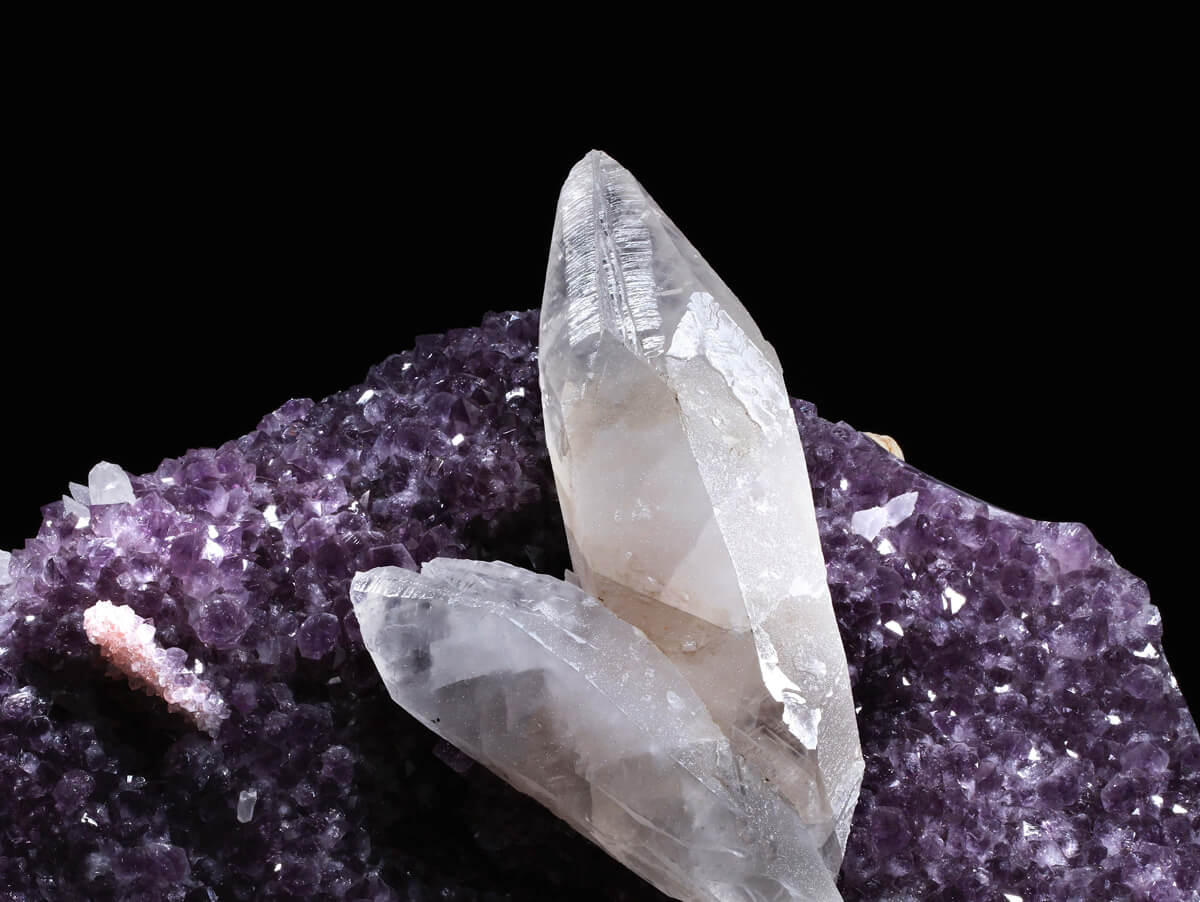
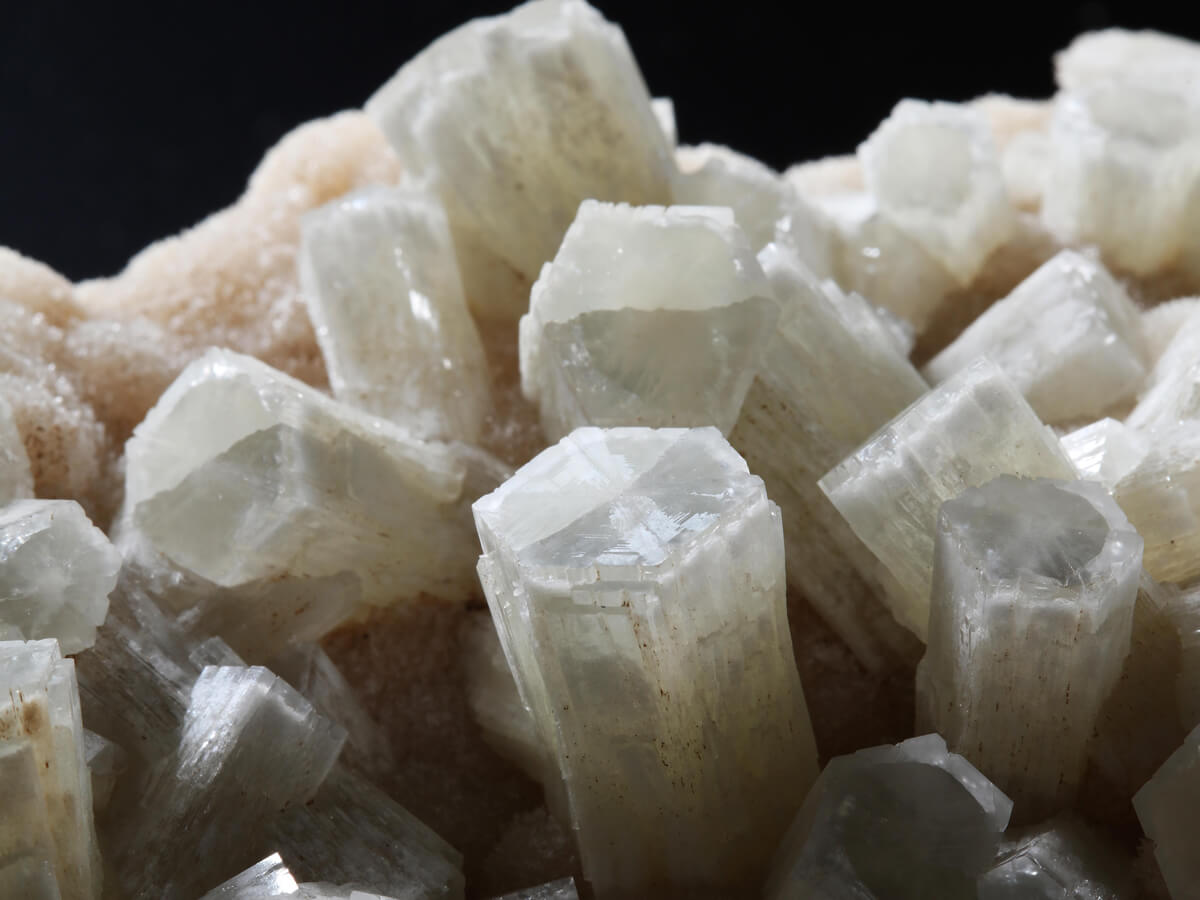
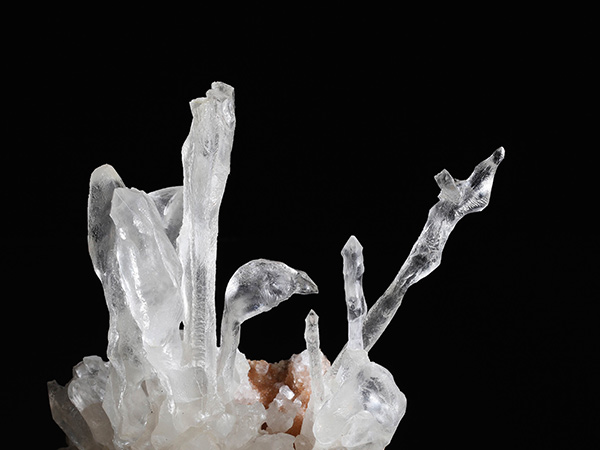
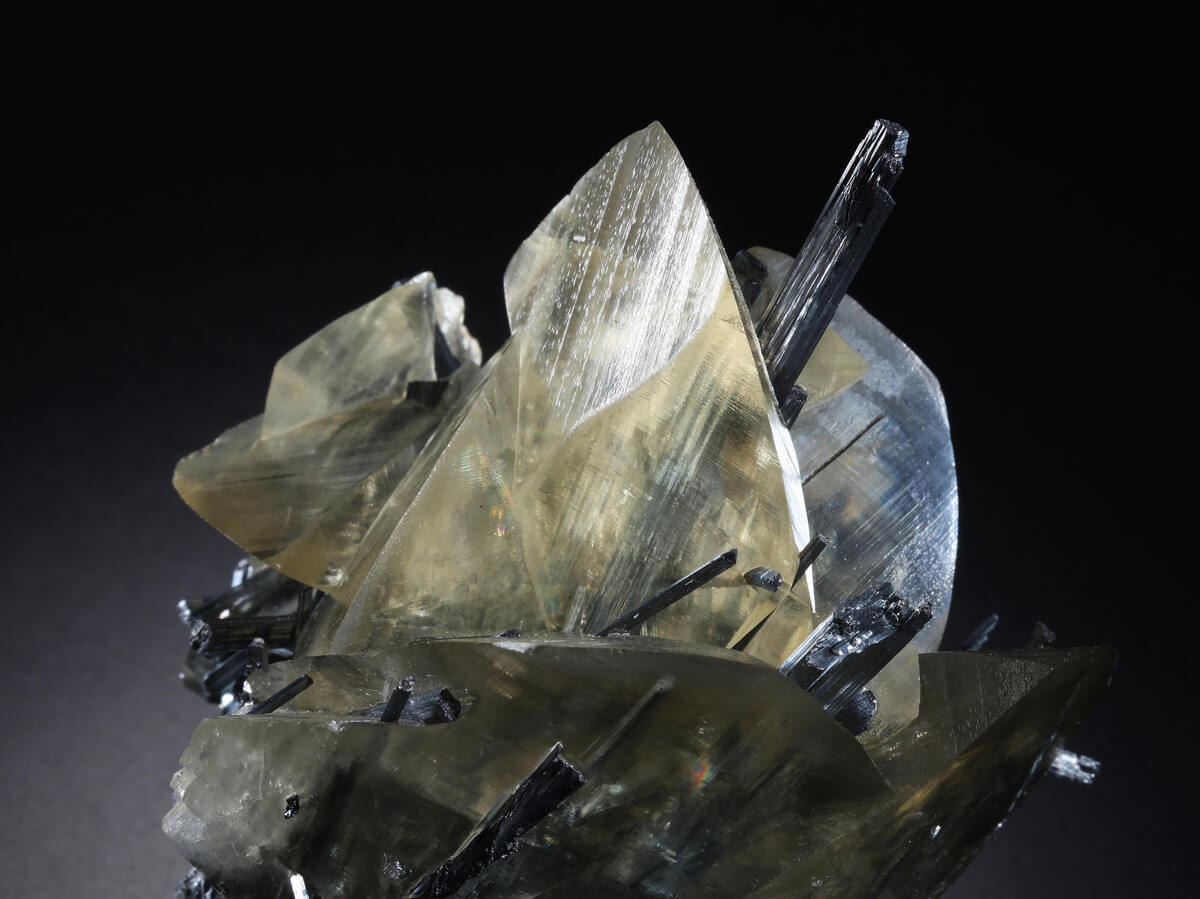
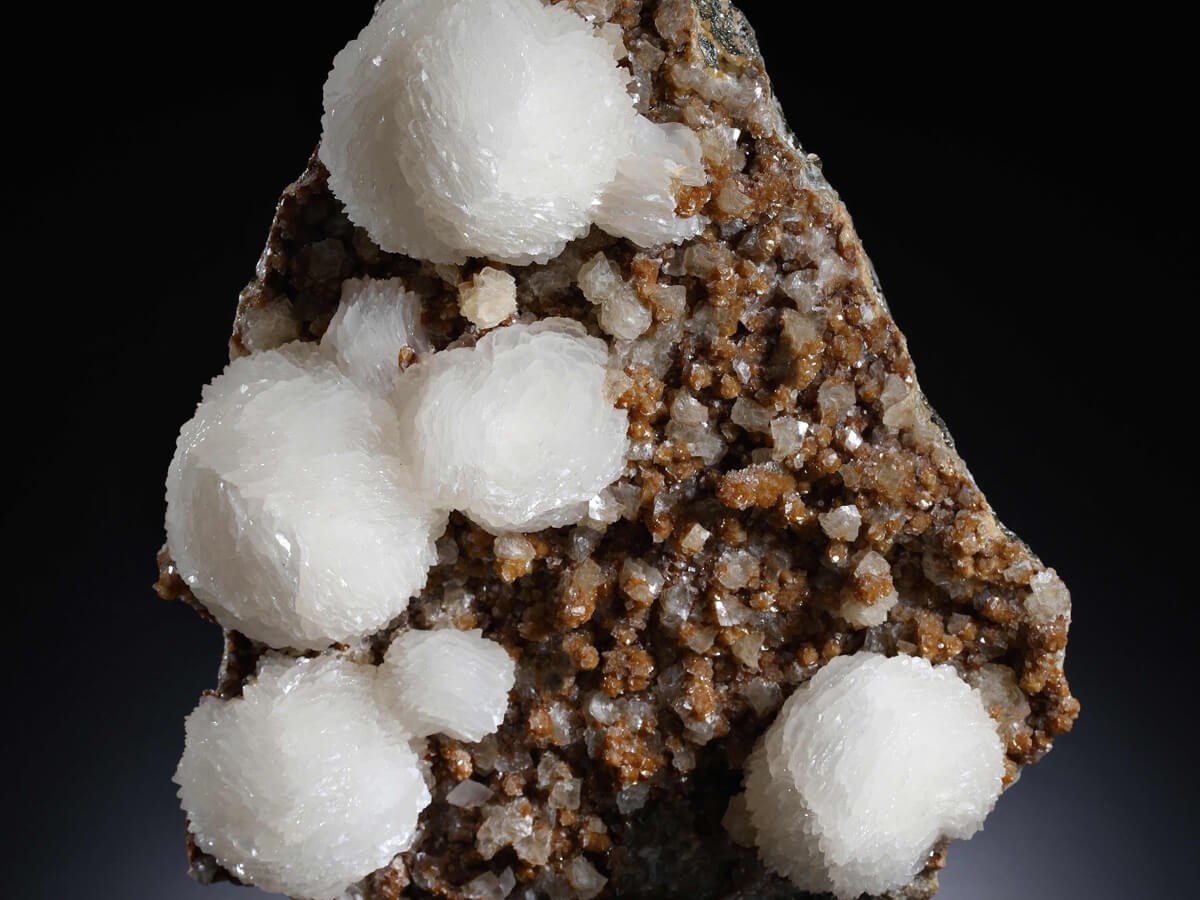
A rhombohedron has six faces, each rhombus shaped. Orthotrigonal refers to 12 faces, each in the form of a scalene triangle. Rhombohedron and orthotrigonal forms with other angular faces result in different forms of calcite. Calcite can also come in many different colors. Pure calcite is translucent and colorless or white. However, with the presence of trace quantities of other substances, it can be ivory white, cream, pink and dark red. No matter in which crystalline form or color, calcite is extremely beautiful.
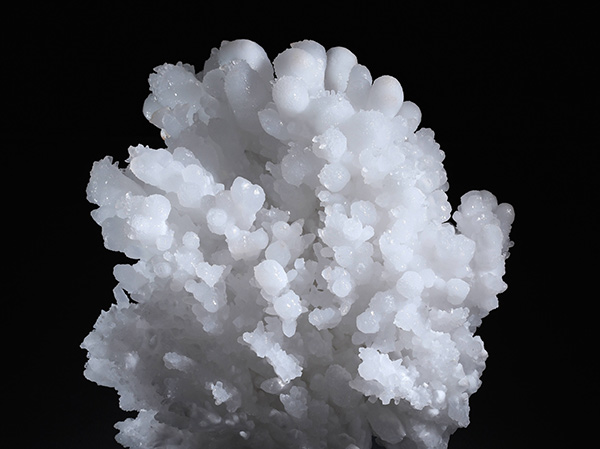
Aragonite is a calcium carbonate mineral. The chemical composition is identical to calcite, but the crystalline structure is not. In addition to aragonite, other minerals in the same carbonate family as calcite include magnesite, siderite, rhodochrosite, dolomite and ankerite.
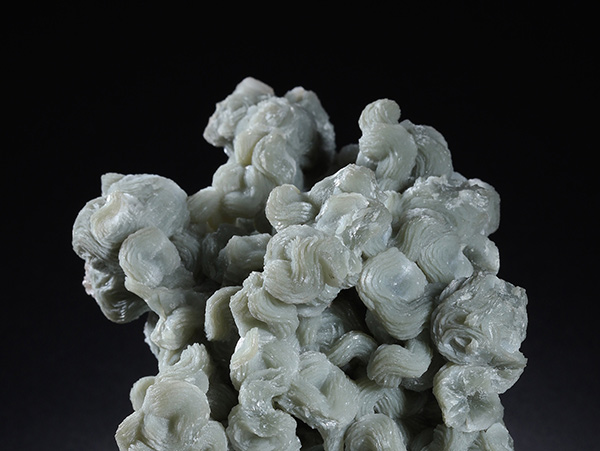
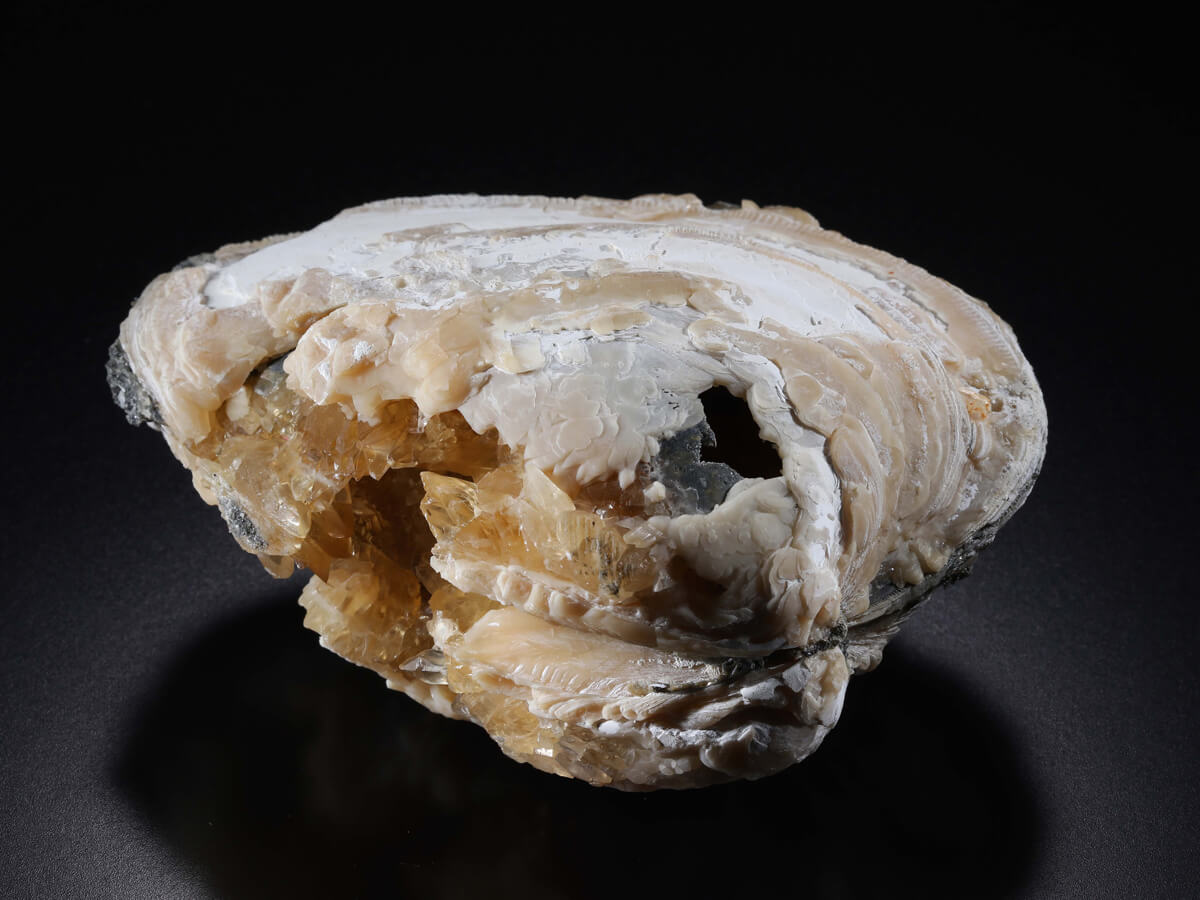
Calcite is a very ordinary mineral with many variations and forms. When contained within rock it may be hard to distinguish. You may have walked past rocky areas in which calcite has formed and not even known it. Sometimes, calcite and aragonite become beautiful seashells, which better attract our attention.
Although calcite is a mineral, it has a close relationship with living organisms. In the next newsletter, we will introduce organisms that produce calcite and the role of calcite in evolution.
Biomineralization refers to the production of minerals inside or outside of cells by living organisms. Living organisms that produce minerals are distributed across more than 30 phyla and produce more than 40 types of minerals. The two most common are calcium phosphate and calcium carbonate. Calcium phosphate is mainly found in the bones and teeth of vertebrates. Calcium carbonate is the most common material in the production of exoskeletons in invertebrates.
Living organisms that produce calcium carbonate exoskeletons include animals, plants and protists. Examples in the animal kingdom include sponges, sea mosses, corals, mollusks, pteropods, nautiluses, spirifers, sea urchins, crabs, barnacles and horseshoe crabs. In the plant kingdom, examples are coralline algae and calcareous algae. Among the protists are forams and coccolithophorids. For hundreds of millions of years, calcium carbonate mineralization has influenced evolution.