Silkworms and Their Mutants
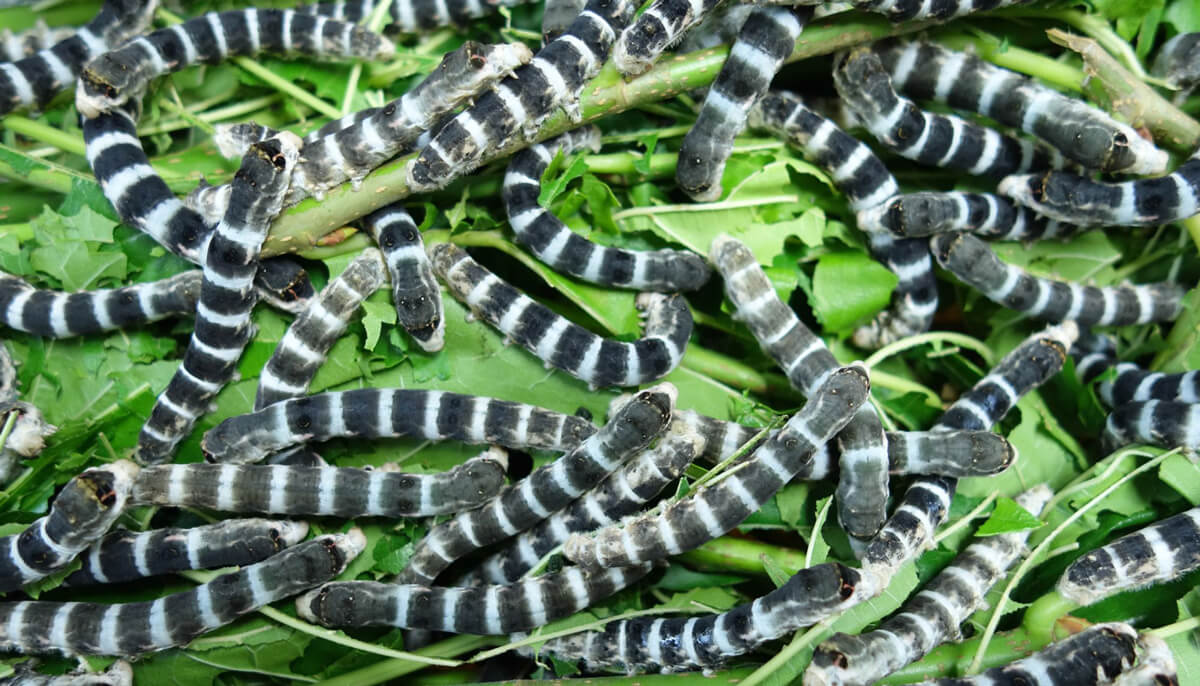
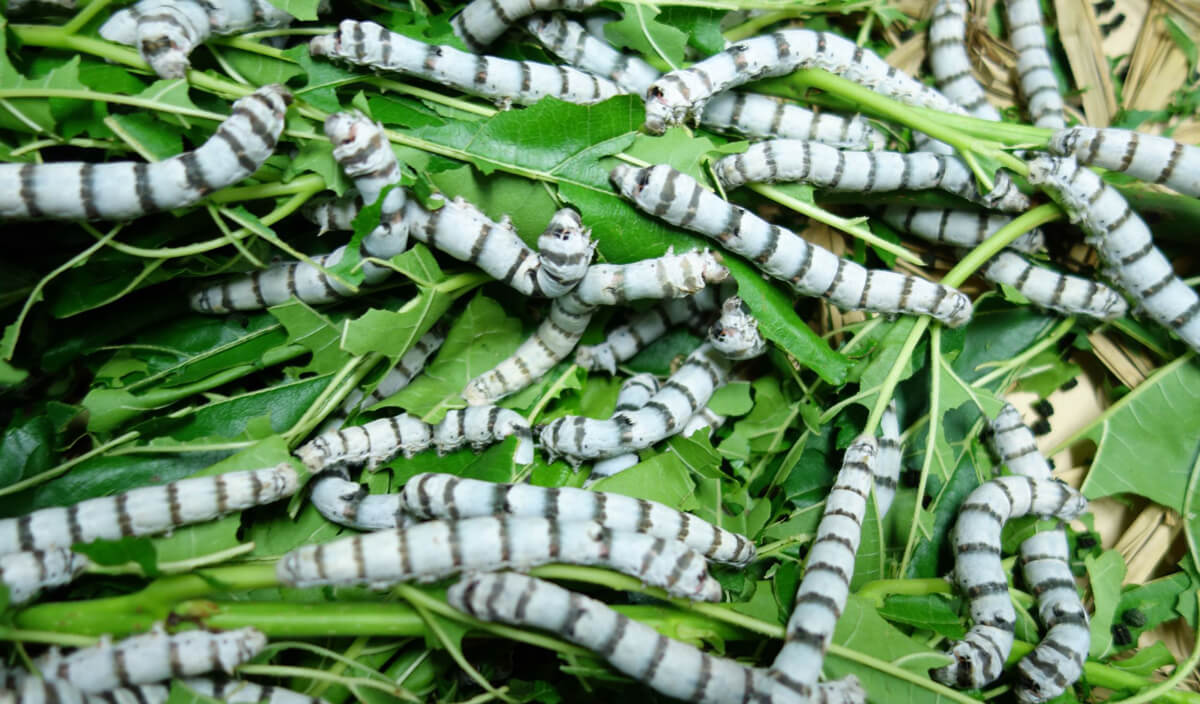
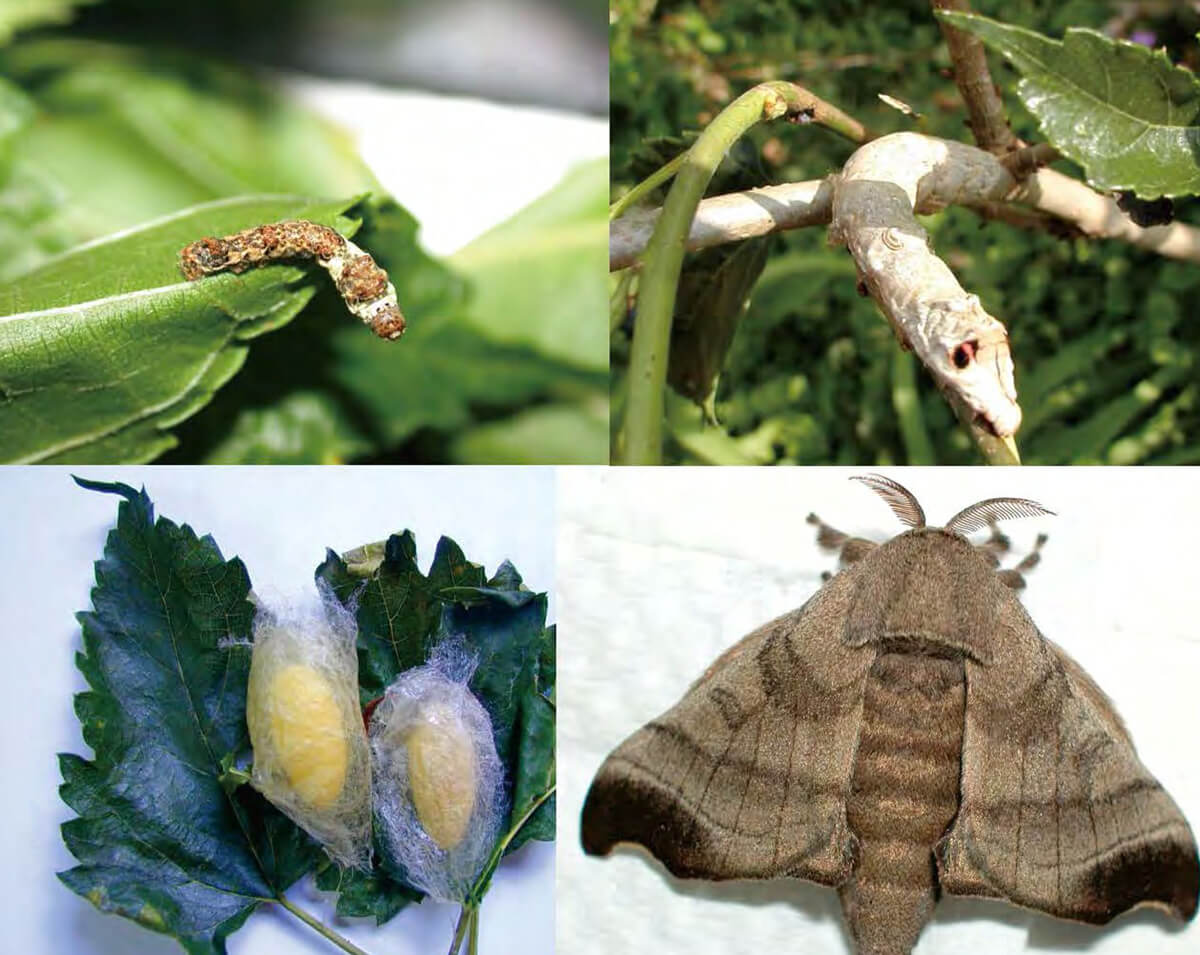
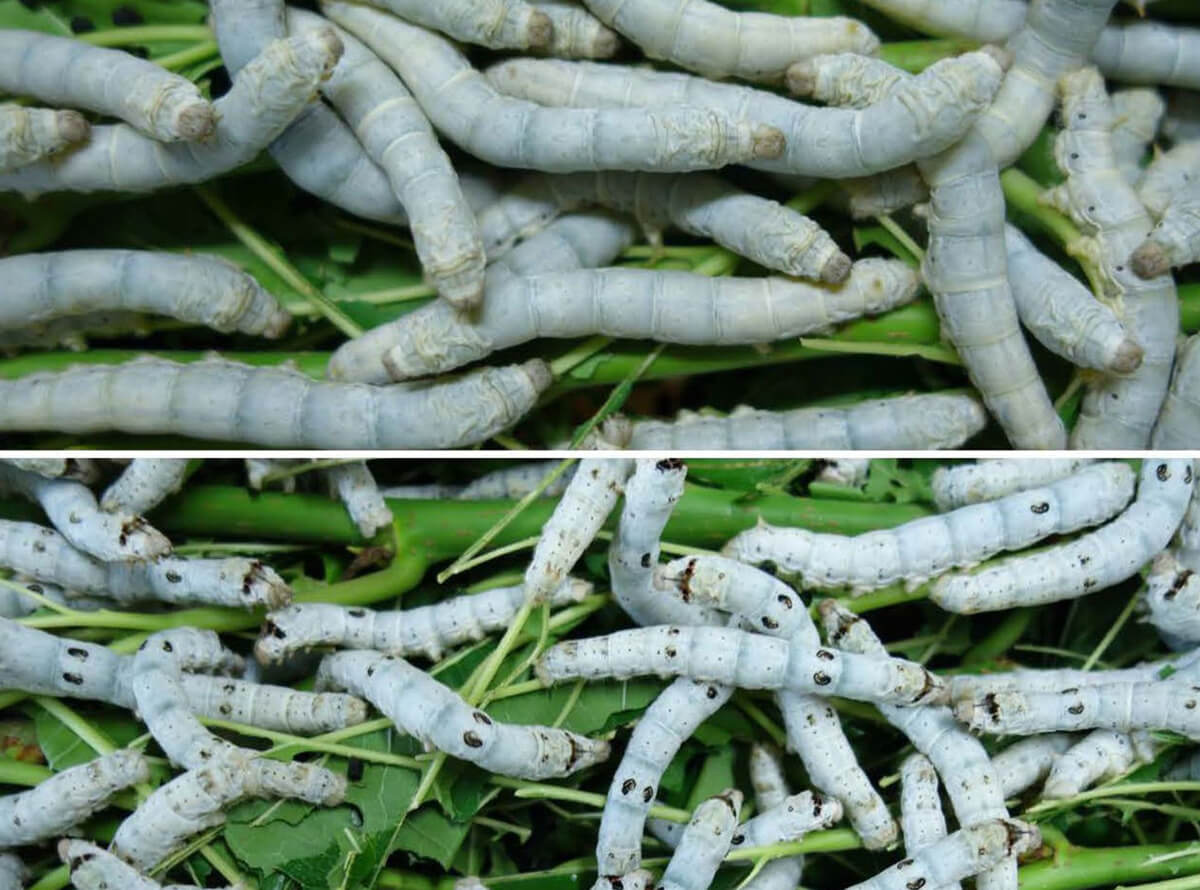
Bombyx mori is an insect, the domestic silk moth. Its larvae, known as silkworms, feed on the leaves of mulberry trees. Wild silkworms that inhabited mulberry forests were domesticated by ancient peoples with the domestic silkworm originating in China.
Sericulture refers to the raising of domestic silkworms from hatching to cocooning to extracting silk. Research has shown that the Yellow River Basin of China is the birthplace of sericulture. Around 7,000 years ago, people in China discovered and began utilizing wild silkworms found on mulberry trees. There was a very long process to transform wild silkworms into domestic silkworms. Scholars believe that ancient people first ate the pupa inside the cocoon. Once they had gathered many wild silkworm cocoons and removed the pupae, they discovered that the fibers could be extracted and used. Finally, they developed sericulture and began producing silk.
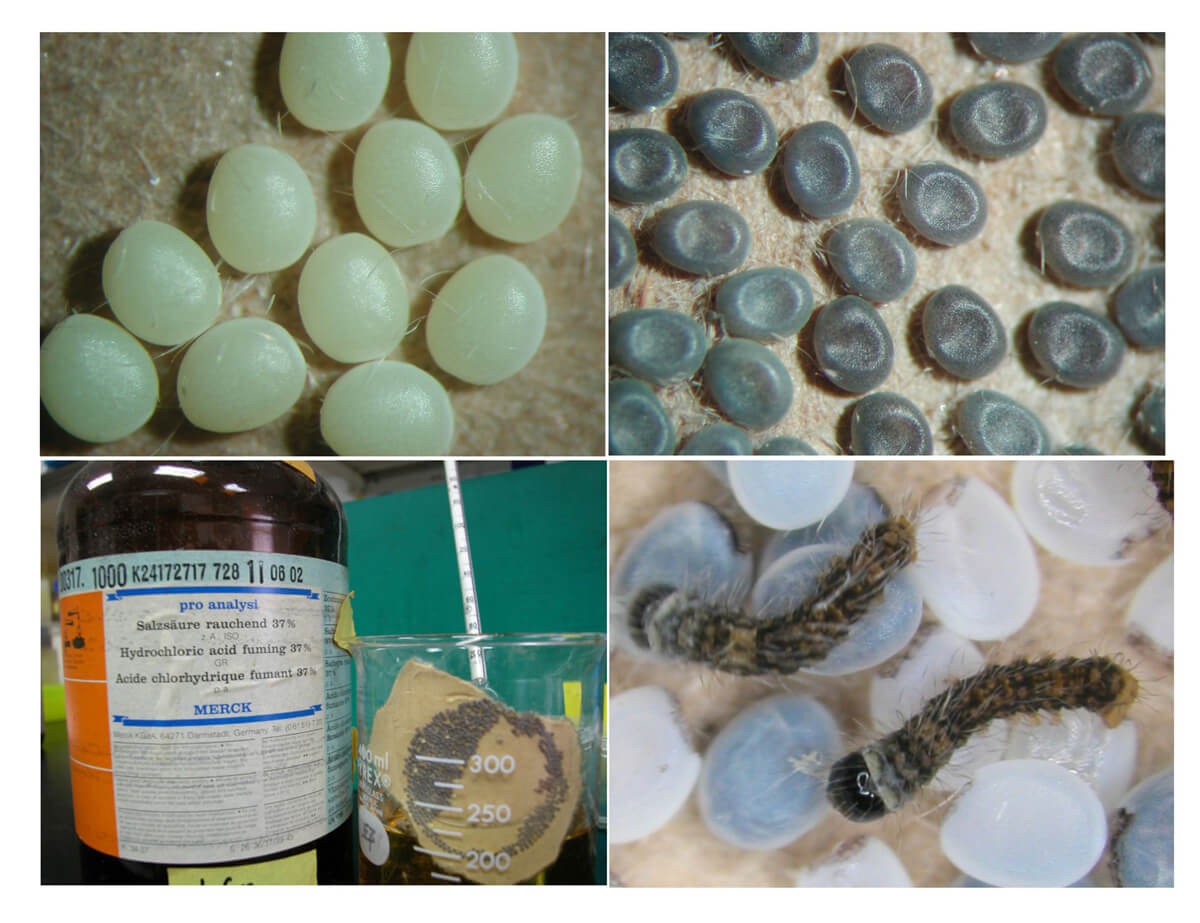
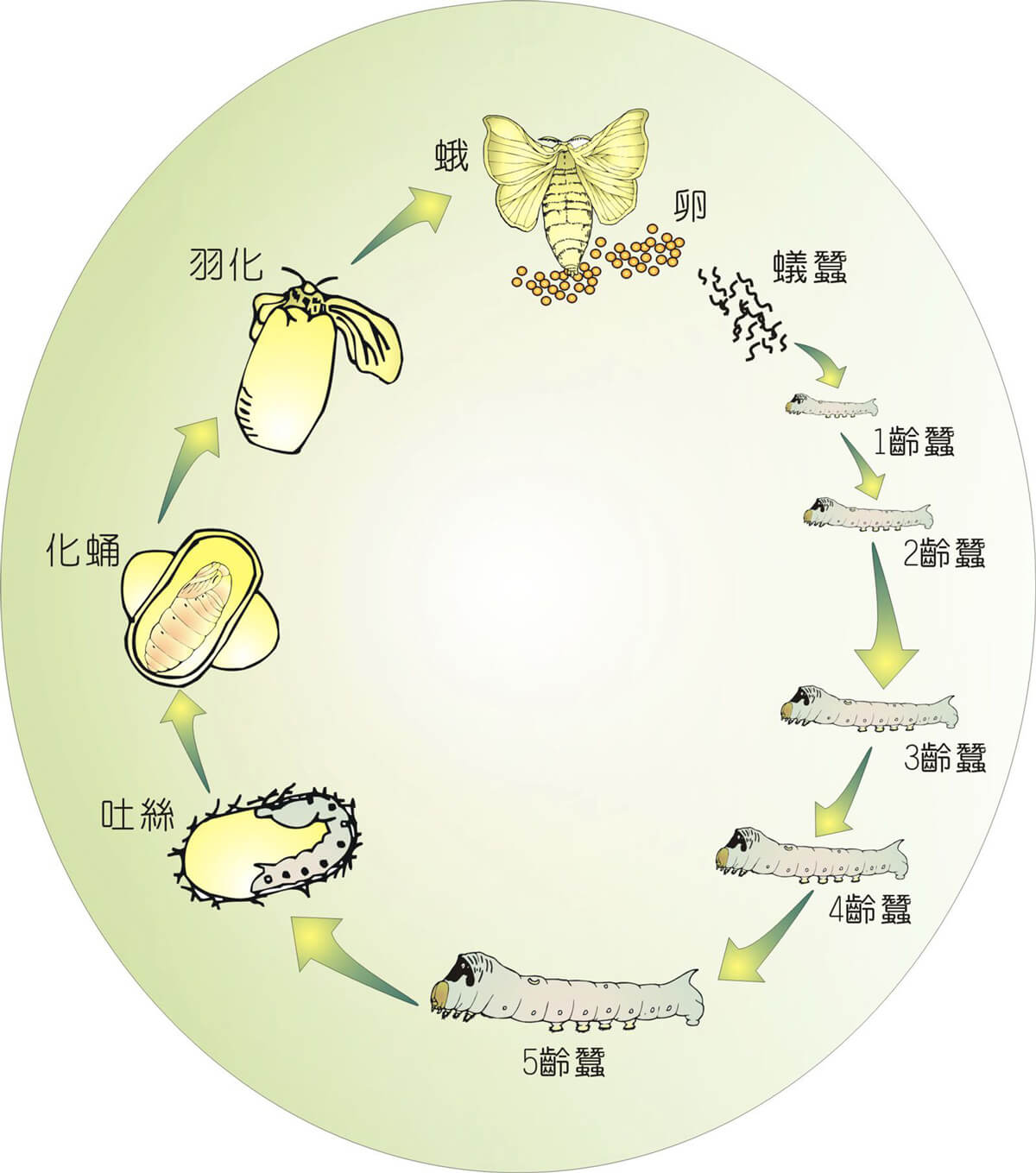
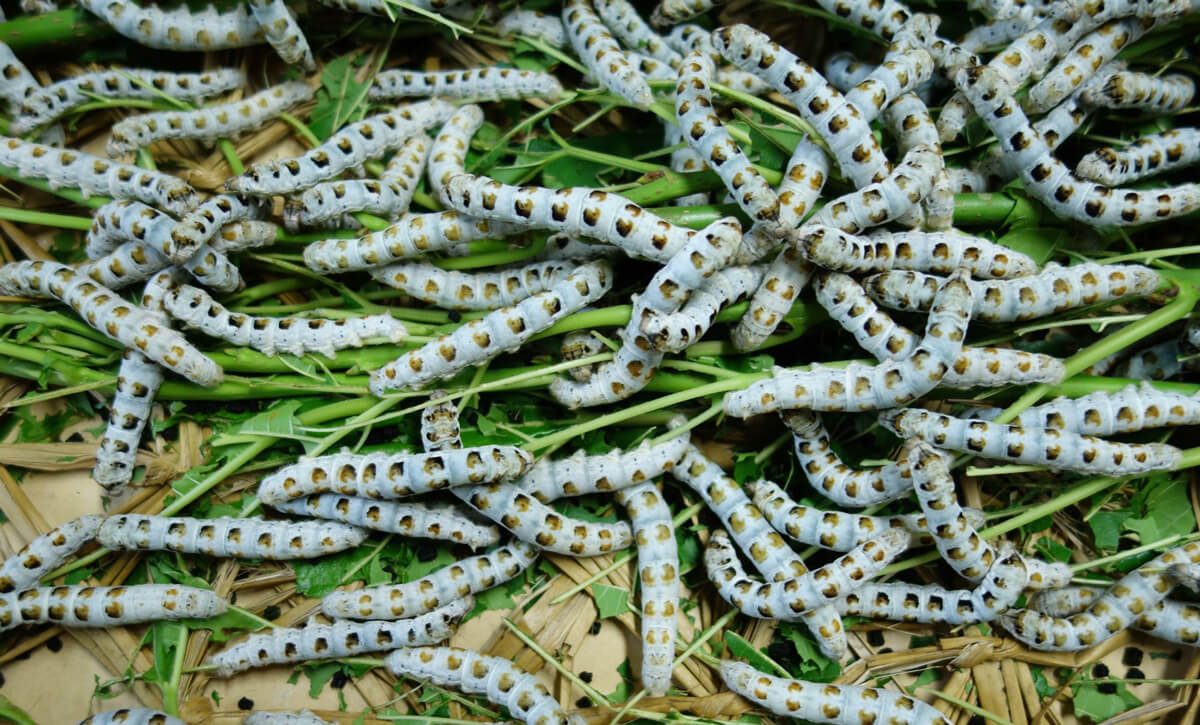
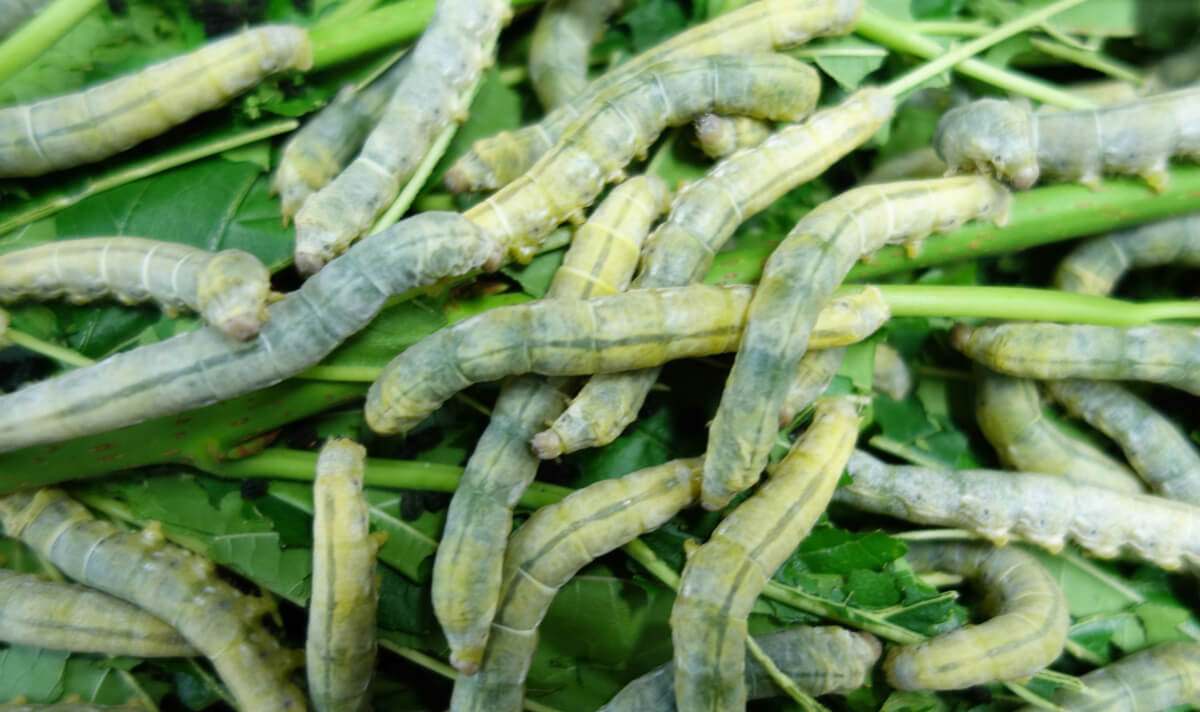
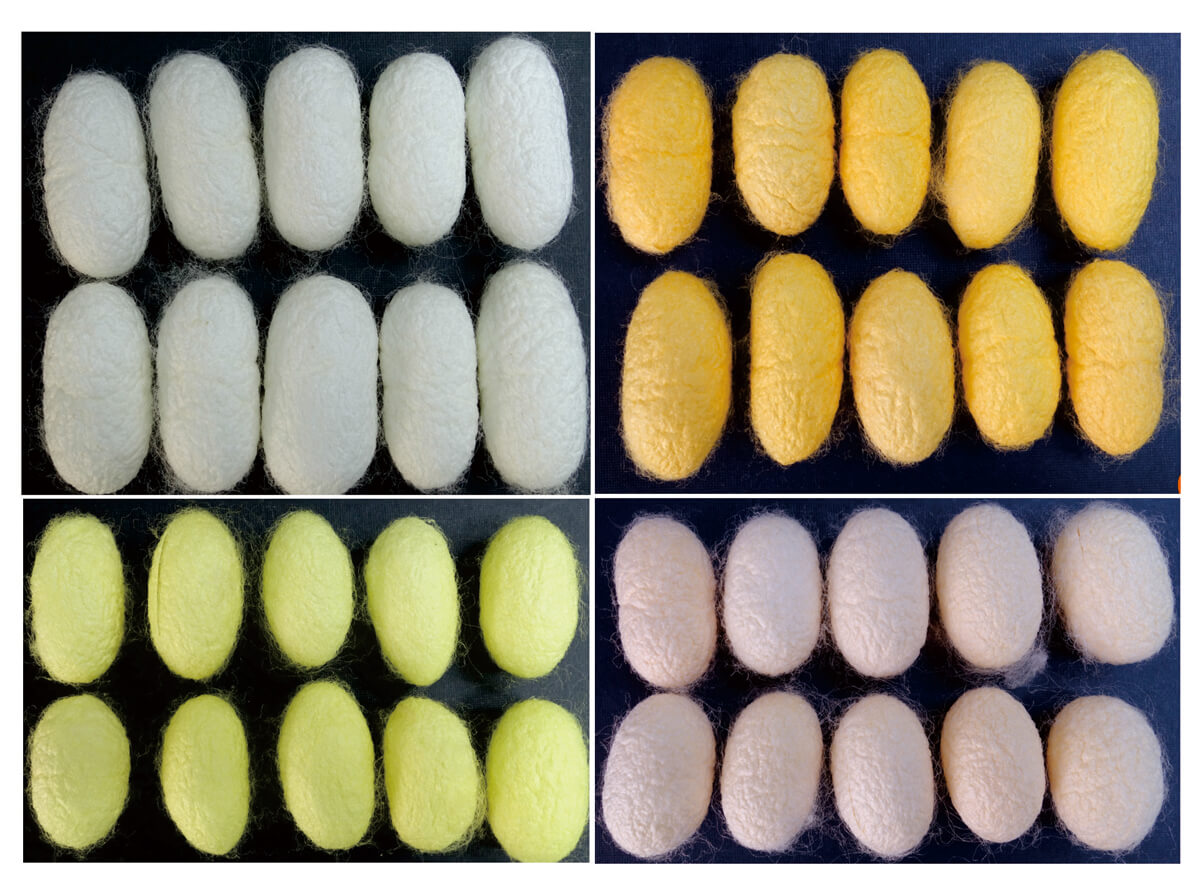
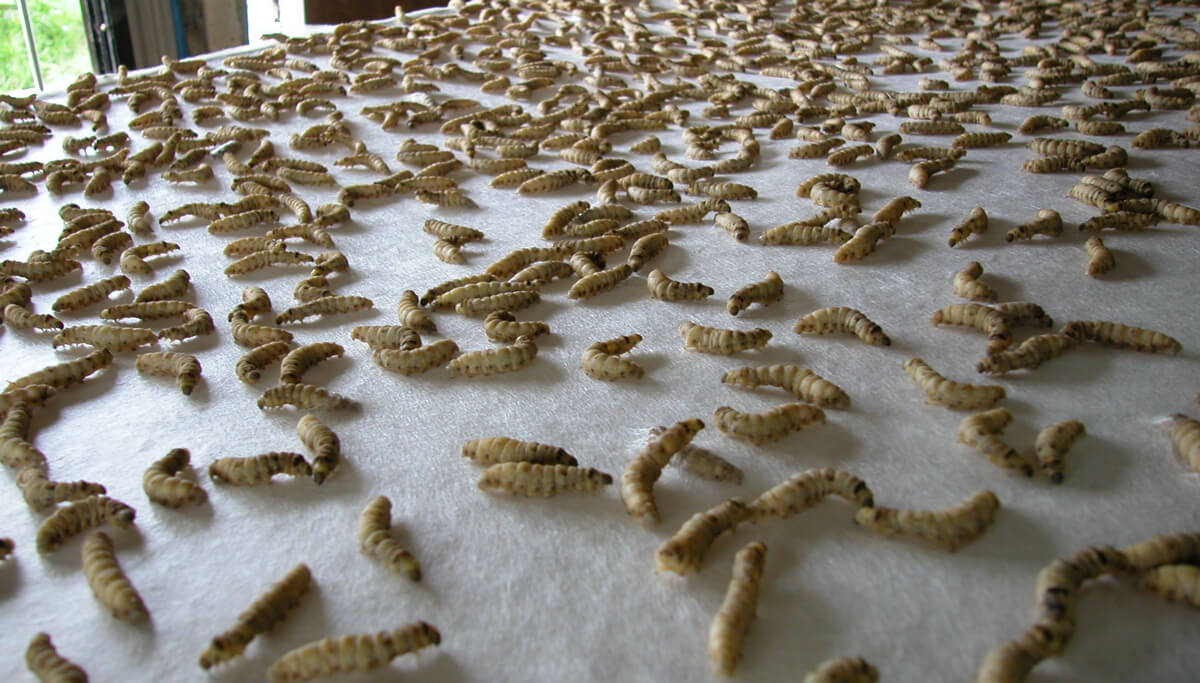
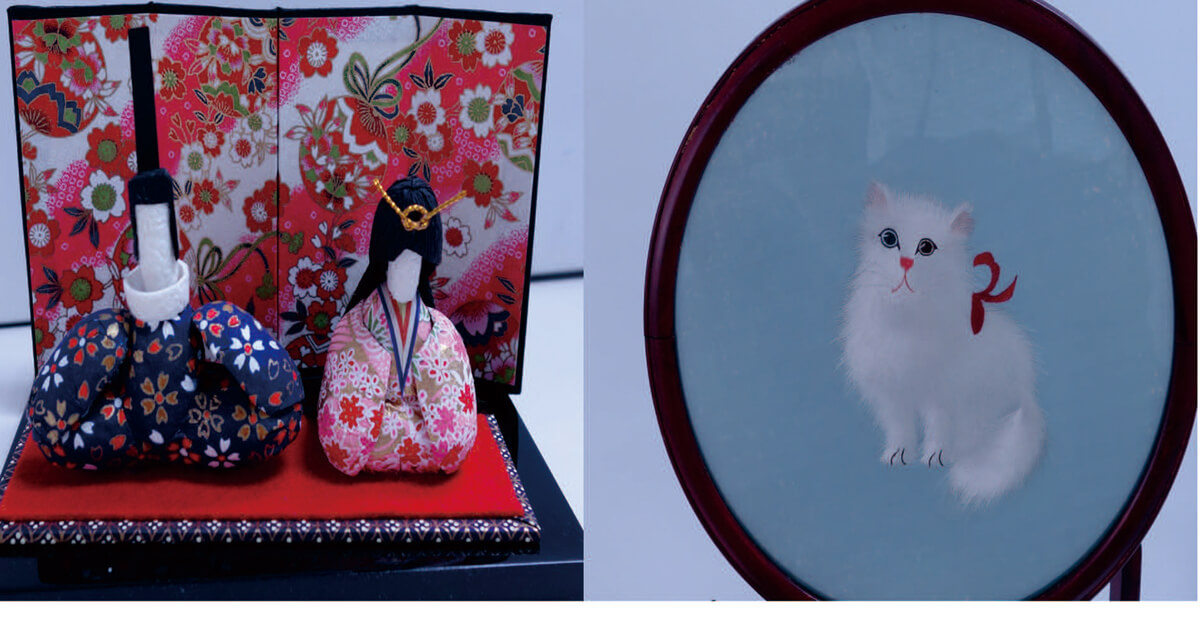
The life history of silkworms is important for learning about insects. This exhibition provides an overview of wild and domestic silkworms, as well as their life history of egg-larva-pupa-adult, then mating and laying of eggs. From observations of silkworm mutants and silk products, we can increase our awareness of the main character in sericulture – the silkworm – from a scientific perspective.