Studying Rocks – What We Know About Earth We Mostly Learned from Rocks
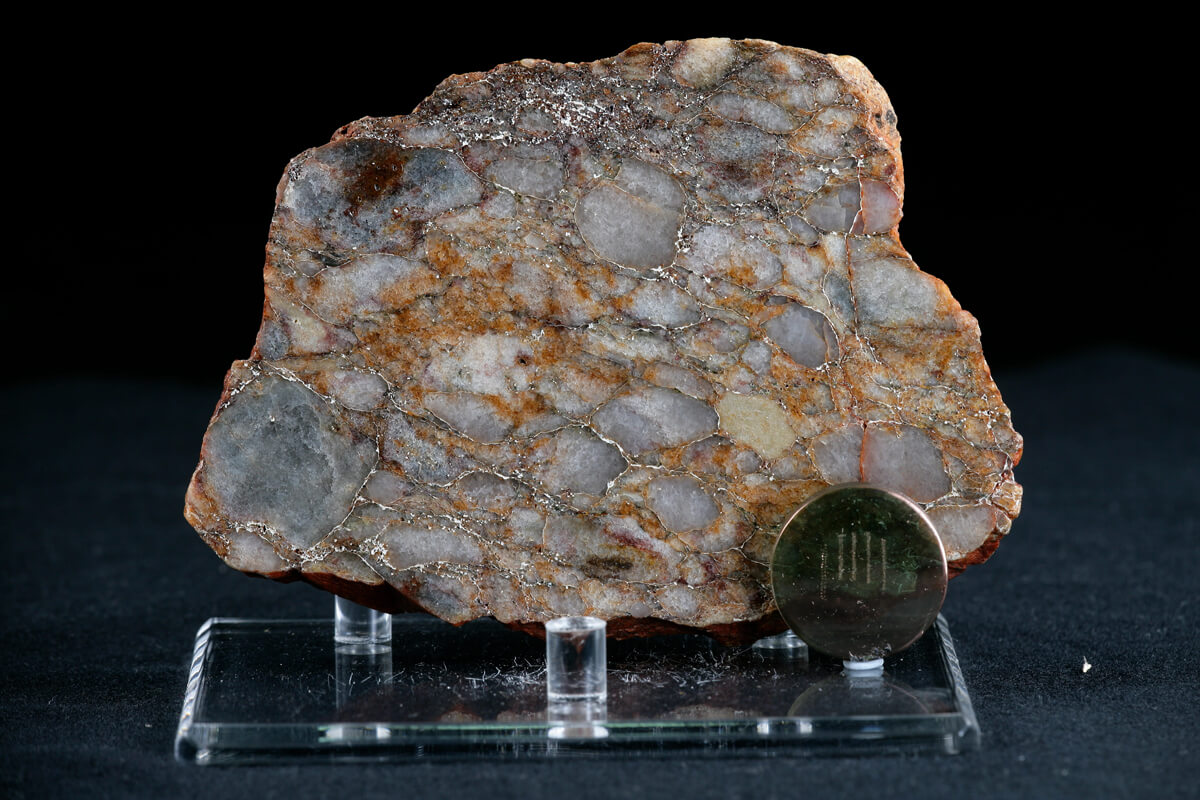
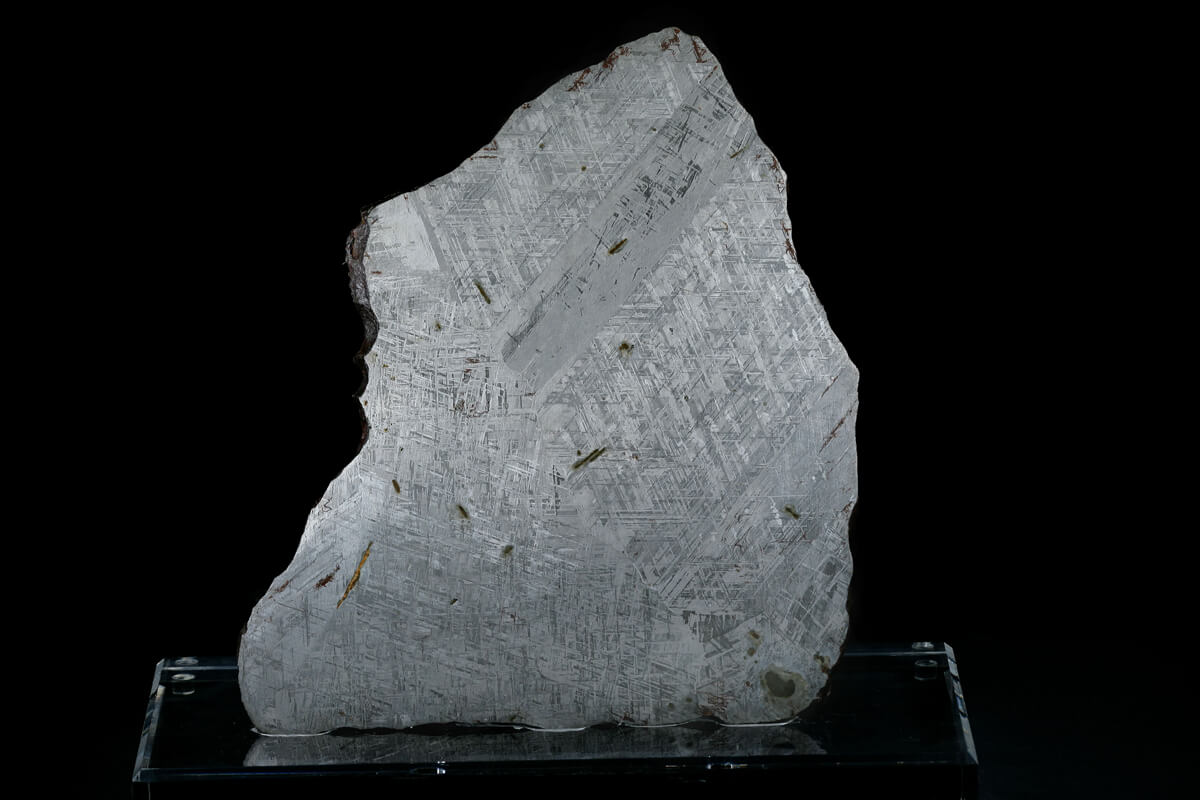
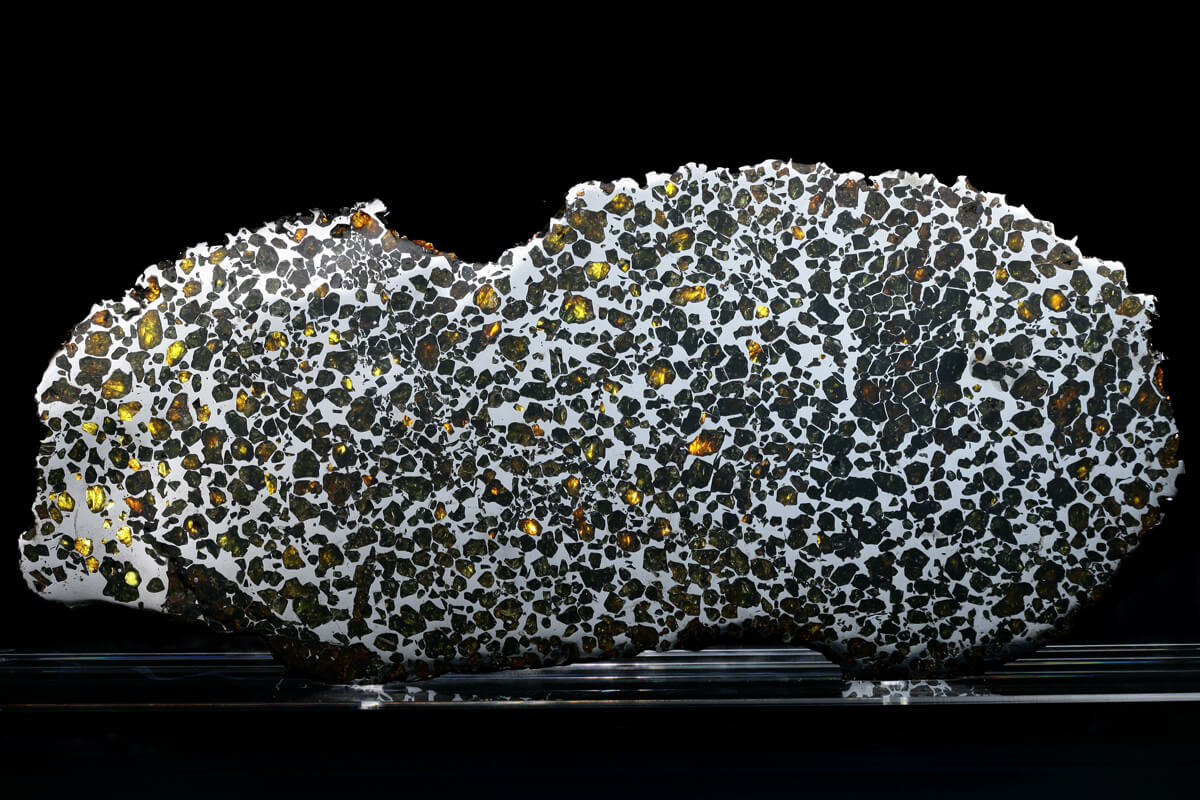
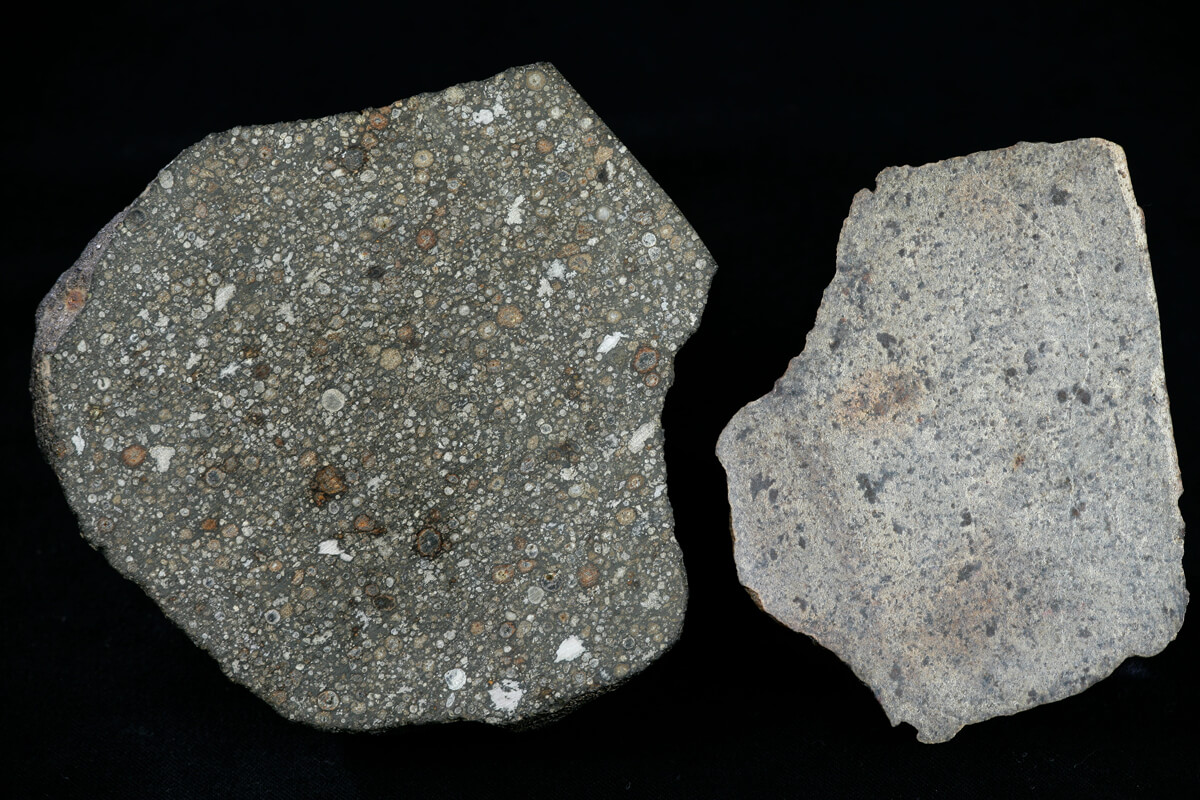
Rock, also commonly known as stone, is the main material that makes up the earth. It is also the best witness to the evolutionary changes that have taken place over the past more than 4 billion years. From meteorites, we know that the earth was born 4.6 billion years ago and within 100 million years, the core and primitive mantle formed. The primitive mantle further divided into the mantle and the crust, forming an internal structure that is similar to the one today. Meteorite evidence helps geologists to fill in the gaps in the Hadeon geological eon (4-4.6 billion years before present).
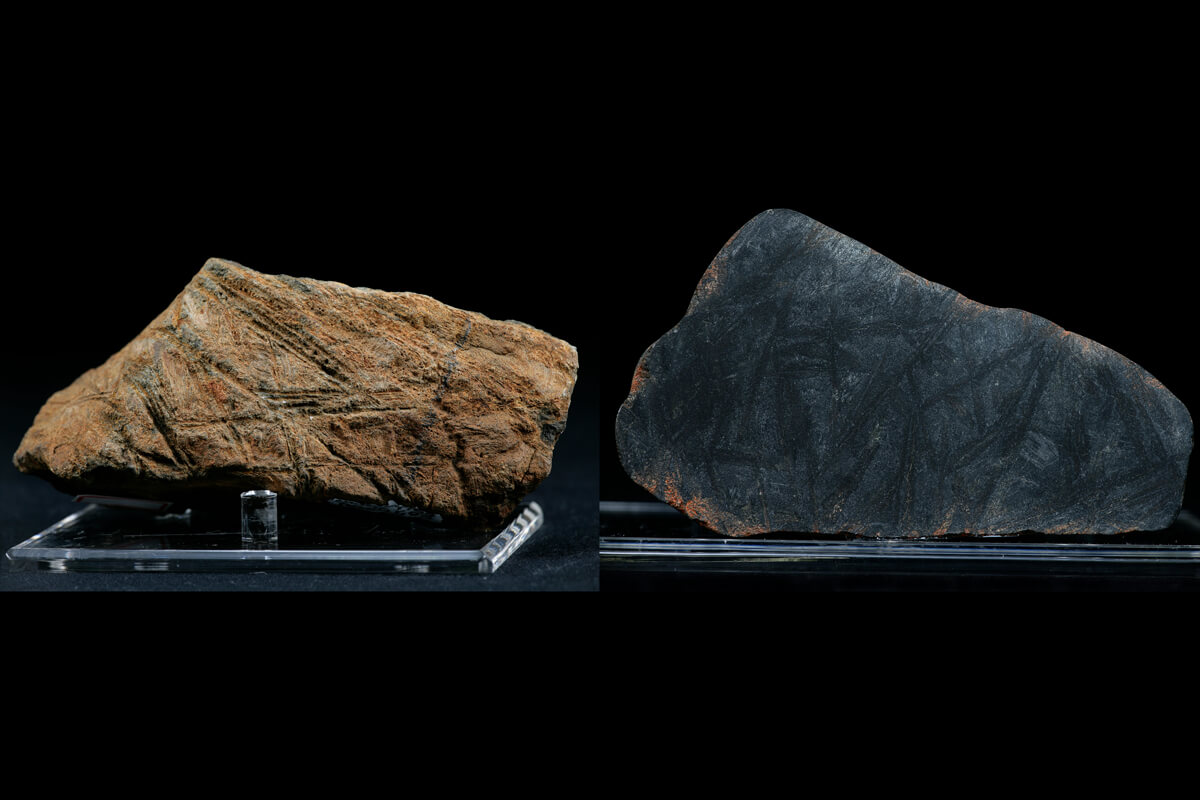
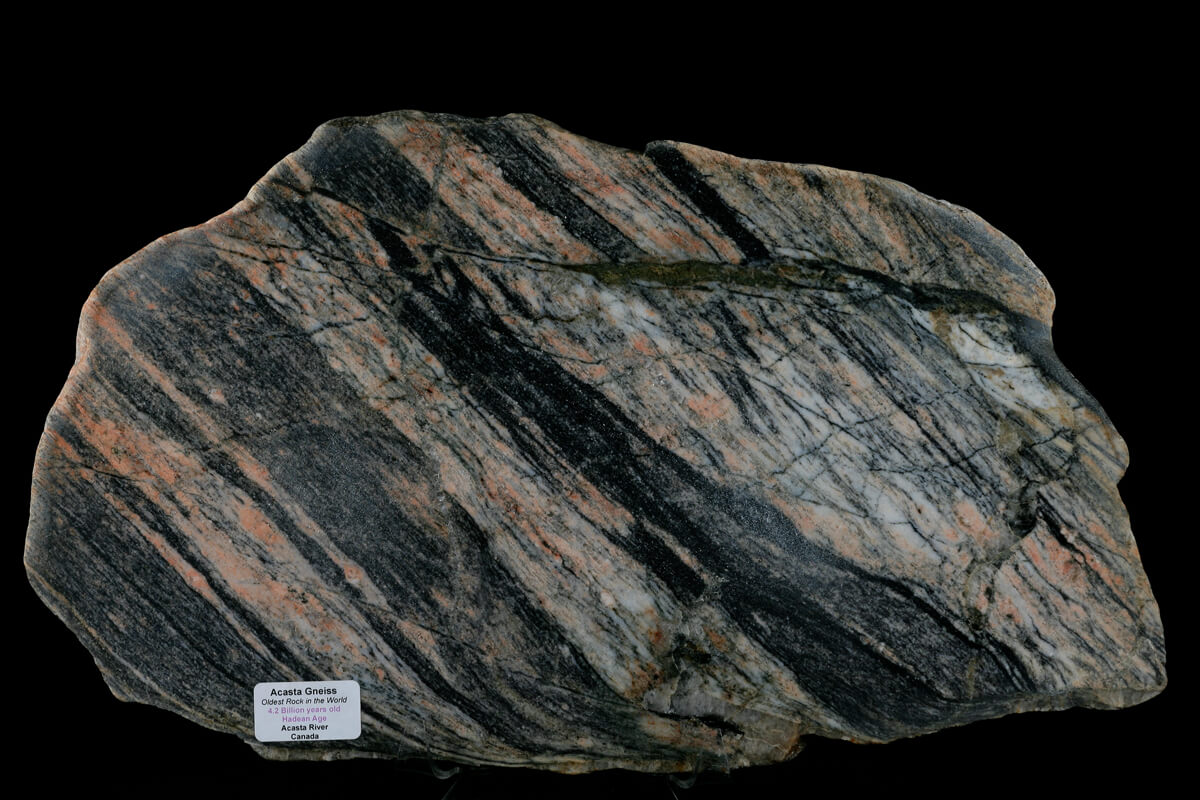
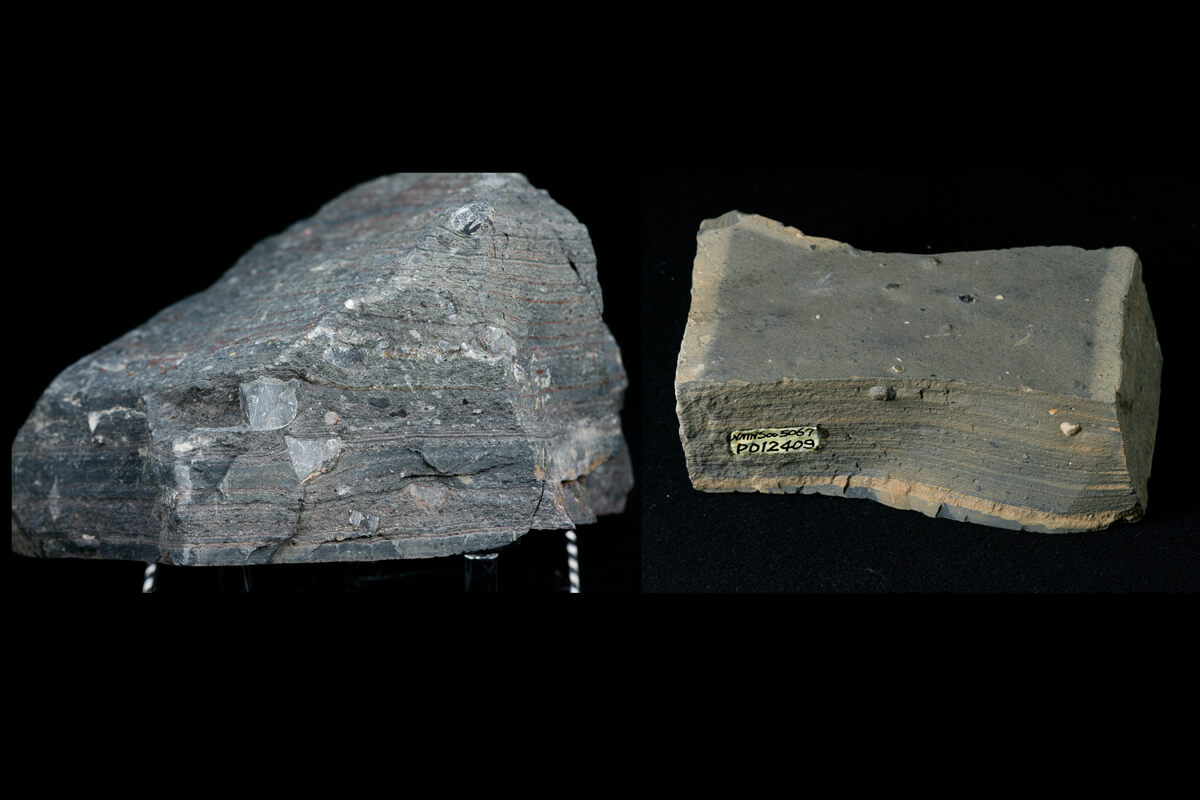
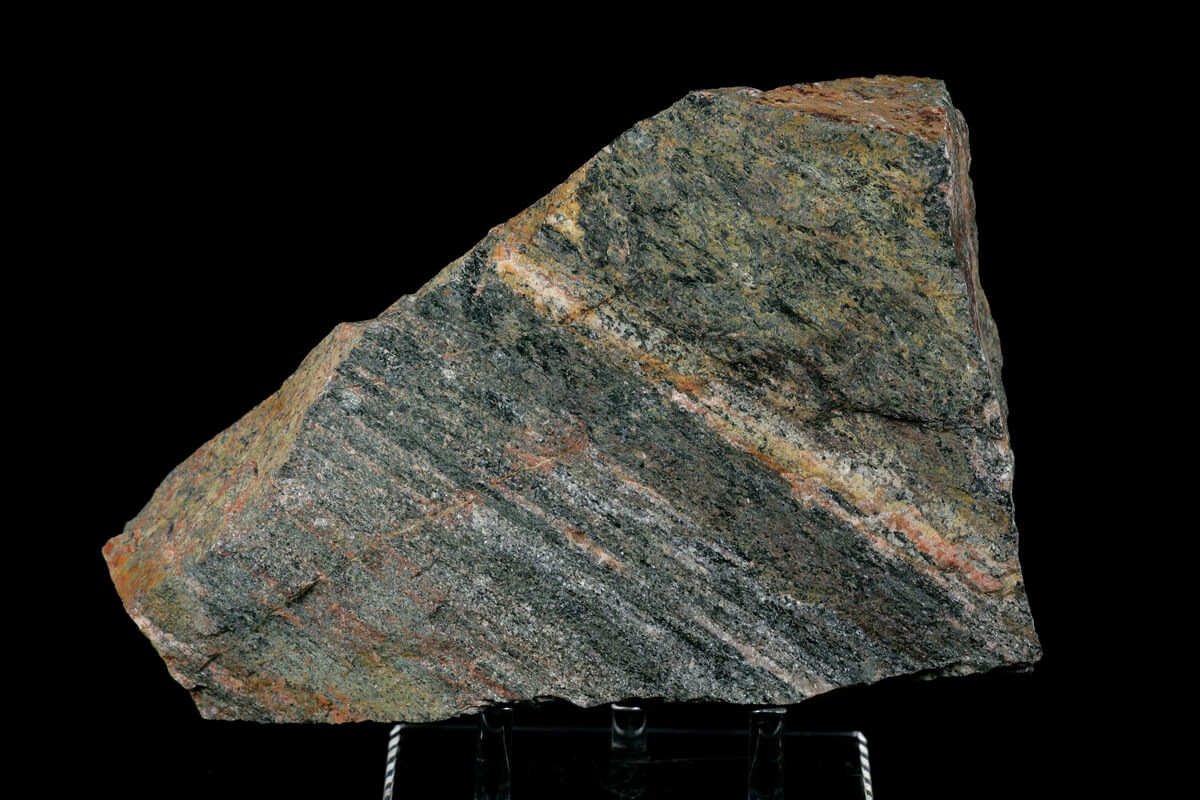
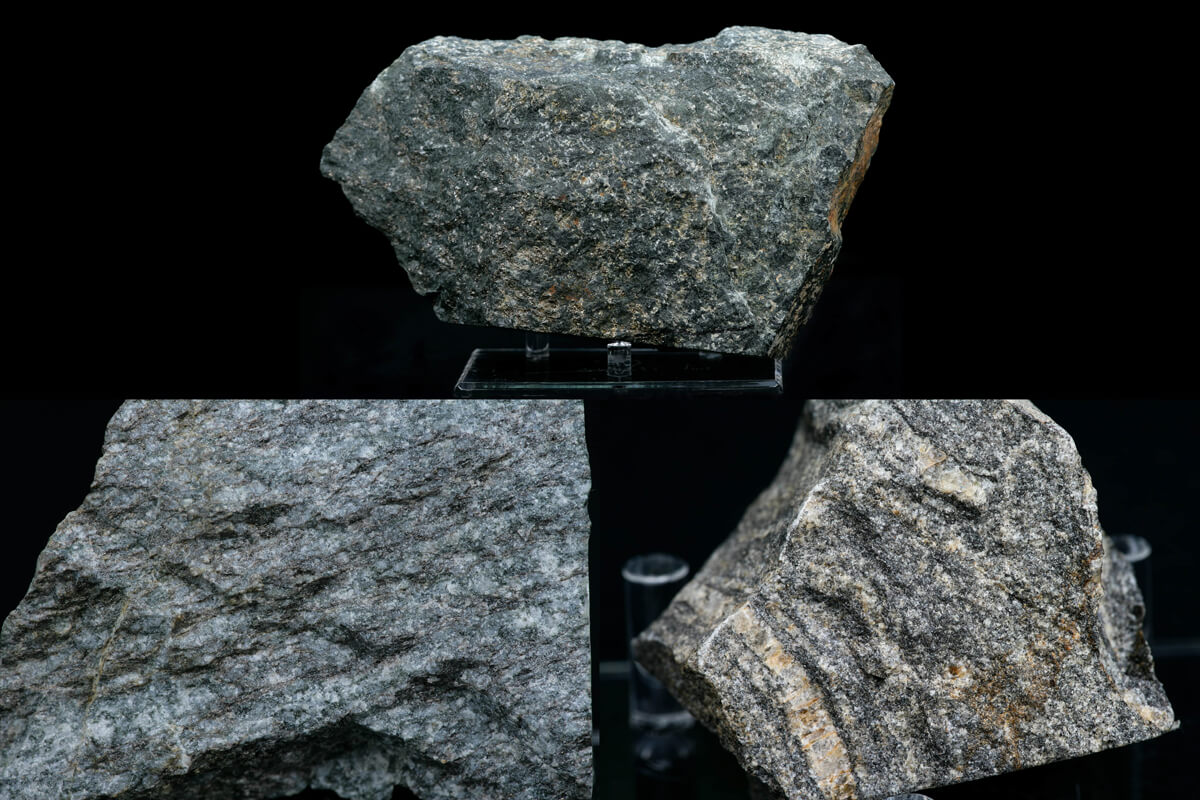
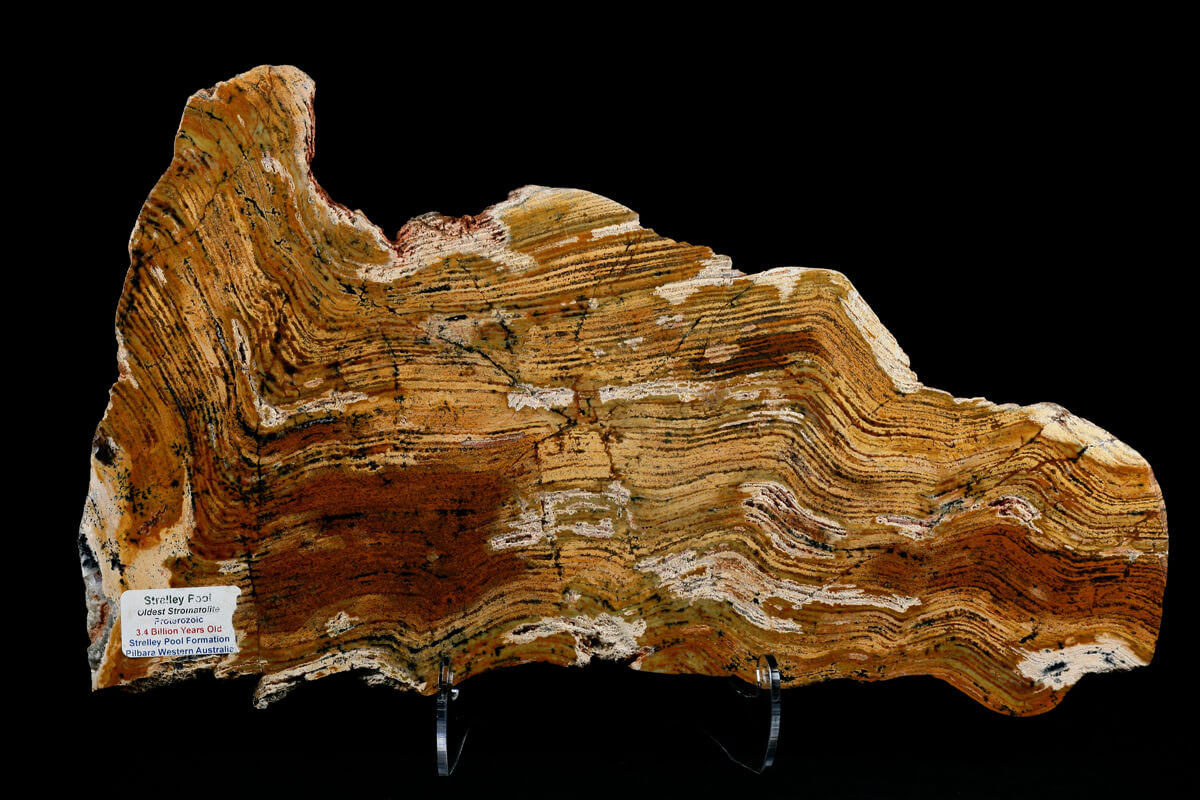
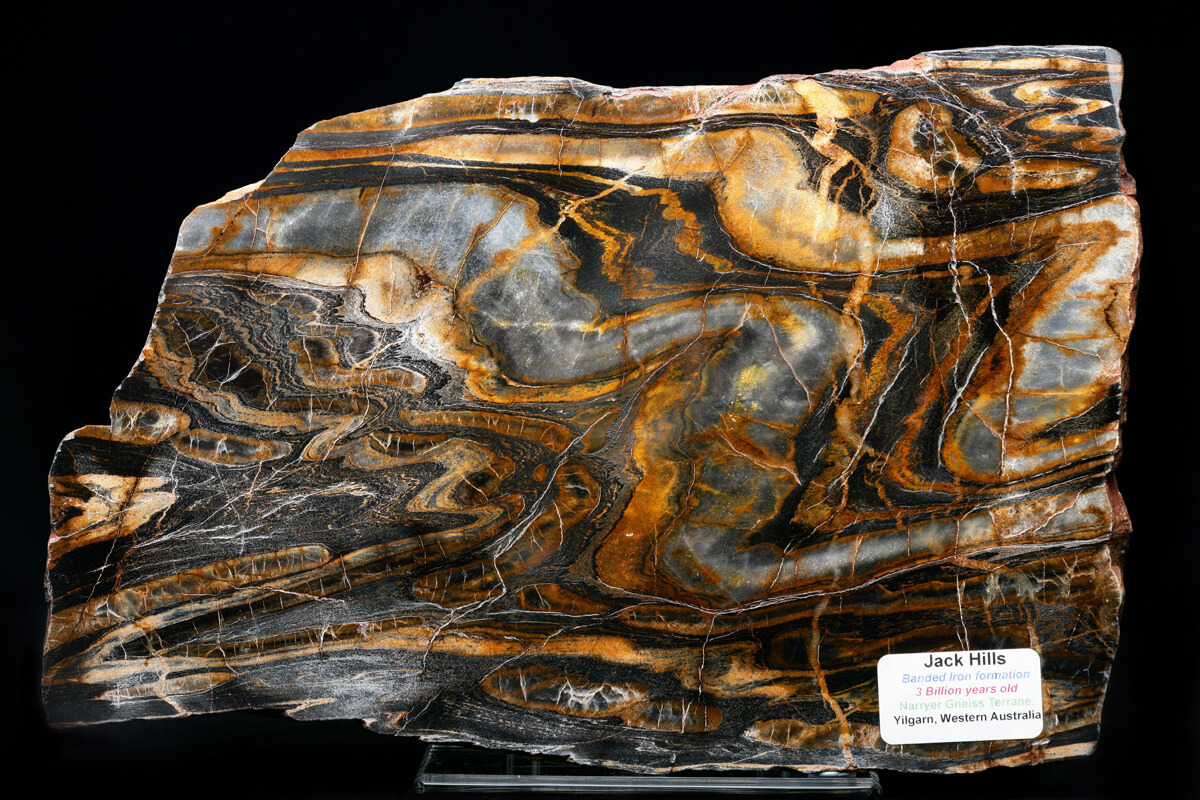
Currently, the oldest known rock is the Acasta Gneiss in northwestern Canada (4 billion years before present). Rocks from the Archaean Eon are relatively rare and unique. The environment of the early earth differed from that of the earth today and there were no modern tectonics. The main rock types were komatiite and tonalite–trondhjemite–granodiorite (TTG) with typical granitic composition. As time passed, the penetrability of the earth’s atmosphere to light gradually increased, providing favorable conditions for photosynthesis by marine microorganisms. A large amount of carbon dioxide dissolved in the oceans and adhered to microorganisms in the form of carbonates, forming deposits, which became the unique stromatolites of this period. Rapid increases in the numbers of photosynthetic organisms led to gradually increasing oxygen levels. However, in the beginning, this resulted in the oxidation of the abundant ferrous ions in the ocean and banded ironstone formations. Currently, more than 80% of the iron ore on the earth was formed during the late Archean Eon (2.5 billion years before present). Once there was no more oxidizable material on the earth’s surface, oxygen began to be released into the air, resulting in the so-called Great Oxidation Event (GOE), which stimulated biodiversity and led to the near extinction of anaerobic organisms, significantly changing the composition of the earth’s life forms.
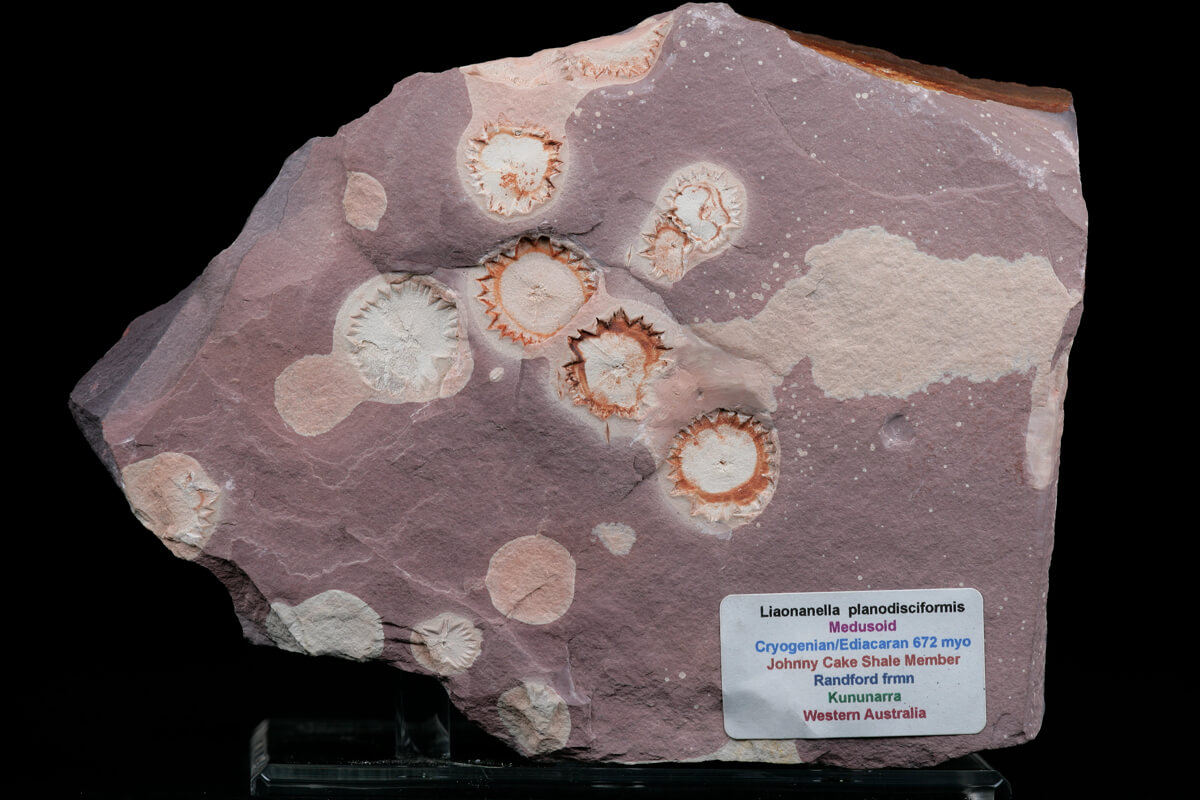
In the Proterozoic Eon, the earth was gradually developing large-scale modern plate tectonics. The Rodinia supercontinent began to break up 800 million years ago. Part of it became shallow sea continental shelf. Photosynthesizing blue-green algae increased in large numbers. Blue-green algae also led to the formation of stromatolites and reduced carbon dioxide concentrations causing global cooling with dramatic drops in temperature. This began a 10-million-year global glaciation that scientists call a Snowball Earth event. Fortunately, the earth was able to warm up and emerge from this time of ice and snow. This was followed by the Ediacaran biota and the Cambrian Explosion.
In general, humans associate rocks with traits such as dullness and slowness. However, in the eyes of geologists, rocks are weathered travelers that tell stories of heat waves, impacts, storms, disasters, and other changes. People living on this earth often forget that they are the youngest inhabitants of this planet and sometimes turn a blind eye to the earth’s rich evolutionary history and repeated mass extinction events. Try paying more attention to the natural environment around you and the stories that the rocks have to tell.