Biotic Reefs
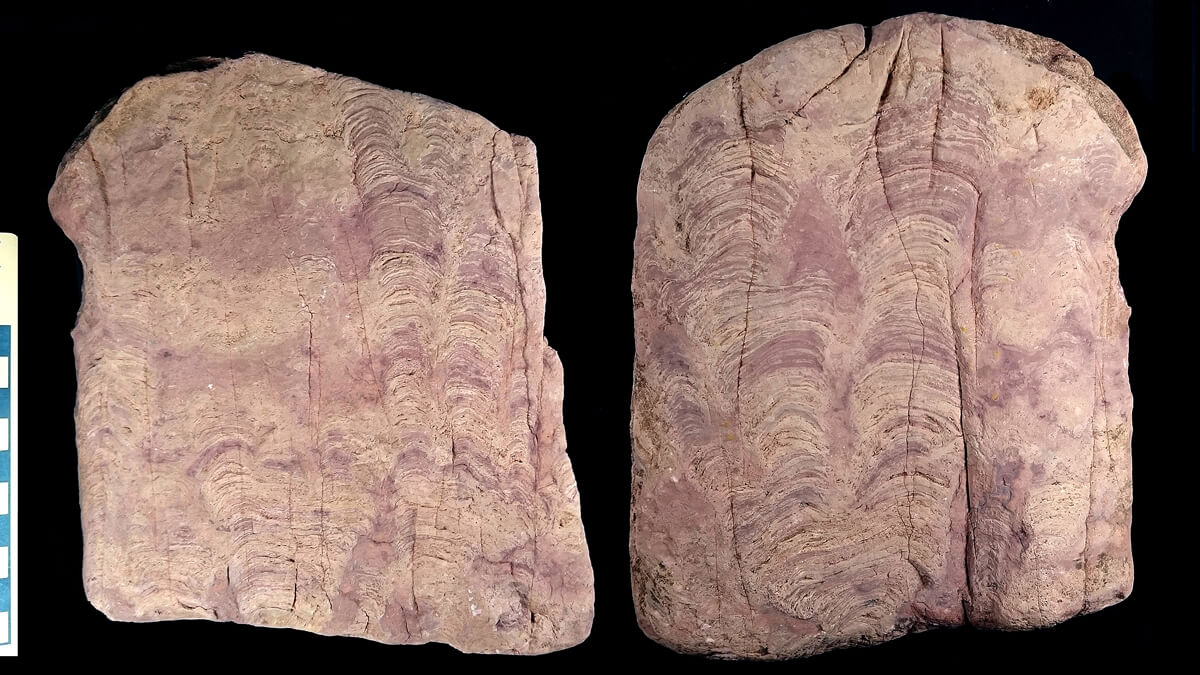
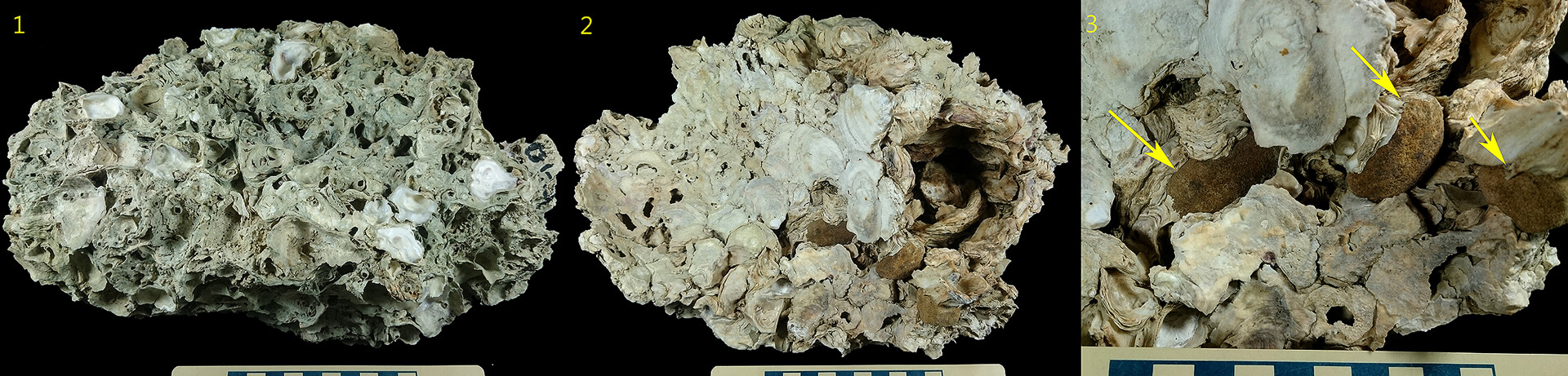
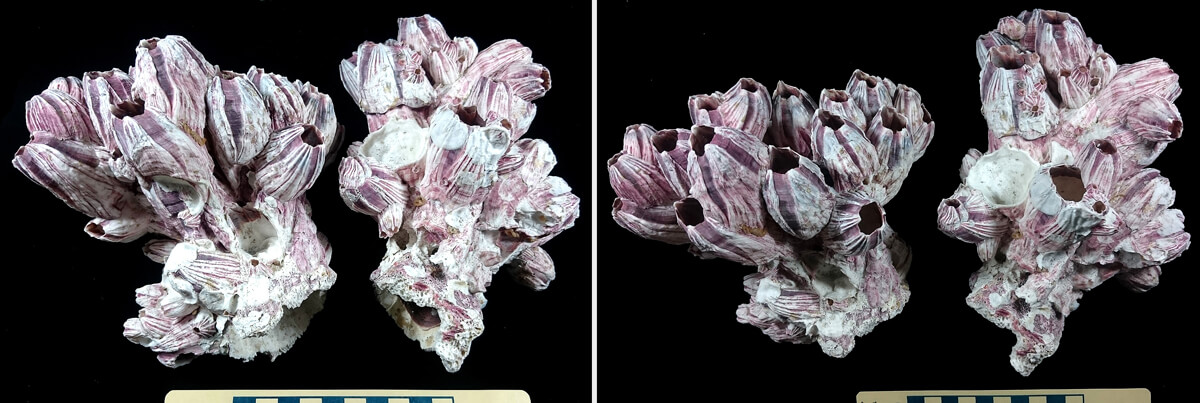
Biotic reef is a term for a topographical structure constructed by the in situ growth of organisms. From records of biotic reef building in the long geological history, the types of organisms that build such reefs include blue-green algae, foraminifera, calcareous and siliceous sponges, archaeocyaths, corals, oysters, vermetids, polychaete serpulids, bryozoans, barnacles, and crustose coralline algae. Biotic reefs are named according to the main type of organism that built them, for example, coral reefs, oyster reefs, and algal reefs. As the main component of the mineralized skeleton of reef-building organisms is calcium carbonate, layers of biotic reef are also called reefal limestone. Among them, stromatolites were formed by blue-green algae around 3.46 billion years ago, making them the oldest known reefs on Earth. Stromatolites were the only type of biotic reef during the Precambrian. Although development conditions in each geological era differed, there are geological records of fringing reefs, barrier reefs, pinnacle reefs, and atolls similar to what we see today. As the earliest reefs were formed by the growth of metazoans, they were biotic reefs built by archaeocyathans in the early Cambrian Period (around 530 million years ago). Although calcareous archaeocyathans are not large (generally 2-10 centimeters in height, rarely exceeding 20 centimeters), the reefs they built with calcareous blue-green algae on the Siberian Platform have achieved a geological record, measuring more than 300 kilometers in width and stretching over 800 kilometers. In the western part of North America, within the layers of archaeocyathan reefal limestone formed 5.1 million years ago, researchers have observed the phenomenon of community succession, which is similar to the process of reef development seen today. Subsequently, over the geological eras, there have been differences and diversity in the main reef-building organisms, community composition, and reef development conditions.
From a geological point of view, biotic reefs are topographical structural agglomerates constructed by living organisms. Therefore, the development of reefs must be able to withstand the destructive effects of winds, waves, and currents. From another perspective, reefs that can continue to develop make the best coastal breakwaters. In addition, as biotic reefs are mainly formed by the growth of organisms in situ, their internal structure often shows interactive and close cementation. At the same time, such reefs provide places for many organisms to rest, forage, for food, and incubate and care for their young. Due to the complex three-dimensional structure of biotic reefs, they often become marine ecosystems with a high degree of biodiversity. Modern coral reefs are the ecosystems with the highest level of biodiversity in the oceans. They are often referred to as “the rainforests of the ocean.” This comparison is due to “growth” of reefs from the continuous accumulation of calcium carbonate. Through the effects of physical damage, such as from waves and storms, and bioerosion from gnawing and burrowing, much calcium carbonate debris is produced during development of the reef. In addition to filling the pores of the reef, this debris gradually changes the substrate conditions around the reef. Taking Cenozoic coral reefs as an example, 60-80% and even up to 90% or more of the total sediment contained with them comes from the skeletons of organisms. Therefore, the reef system itself is a highly efficient calcium carbonate factory. It is also the main source of bioclastic sediment. Moreover, fossil reefs often preserve evidence of rich biological interactions. Based on these characteristics, reefal limestone greatly differs from general clastic sedimentary rocks.
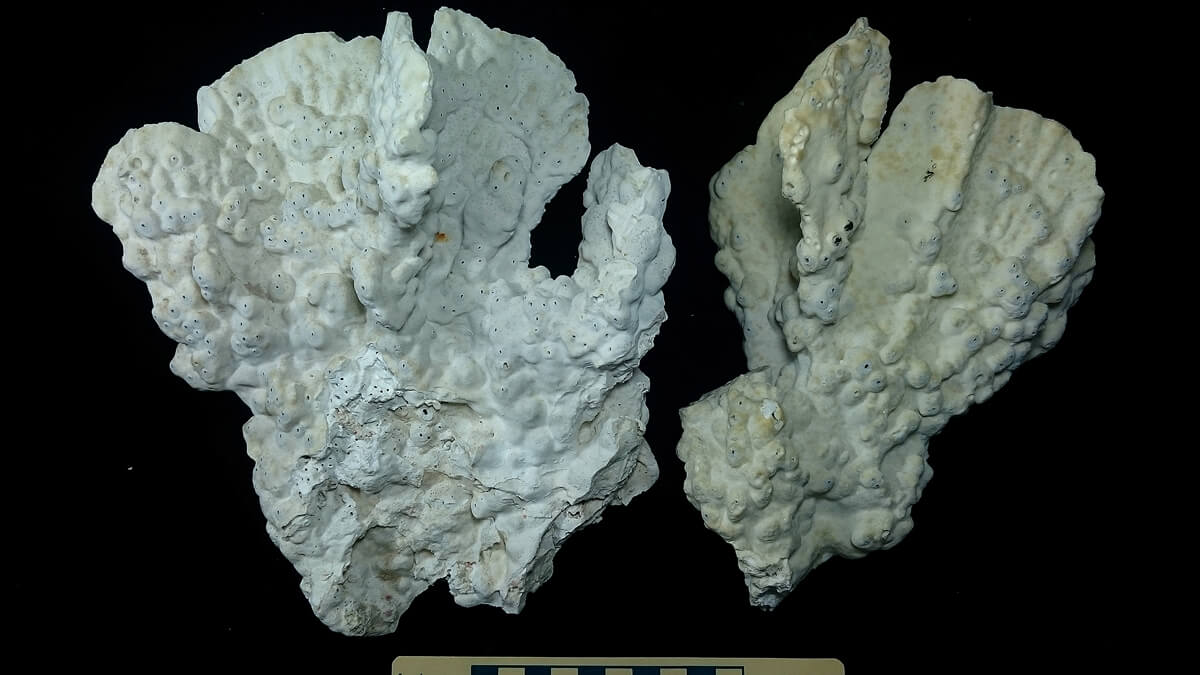
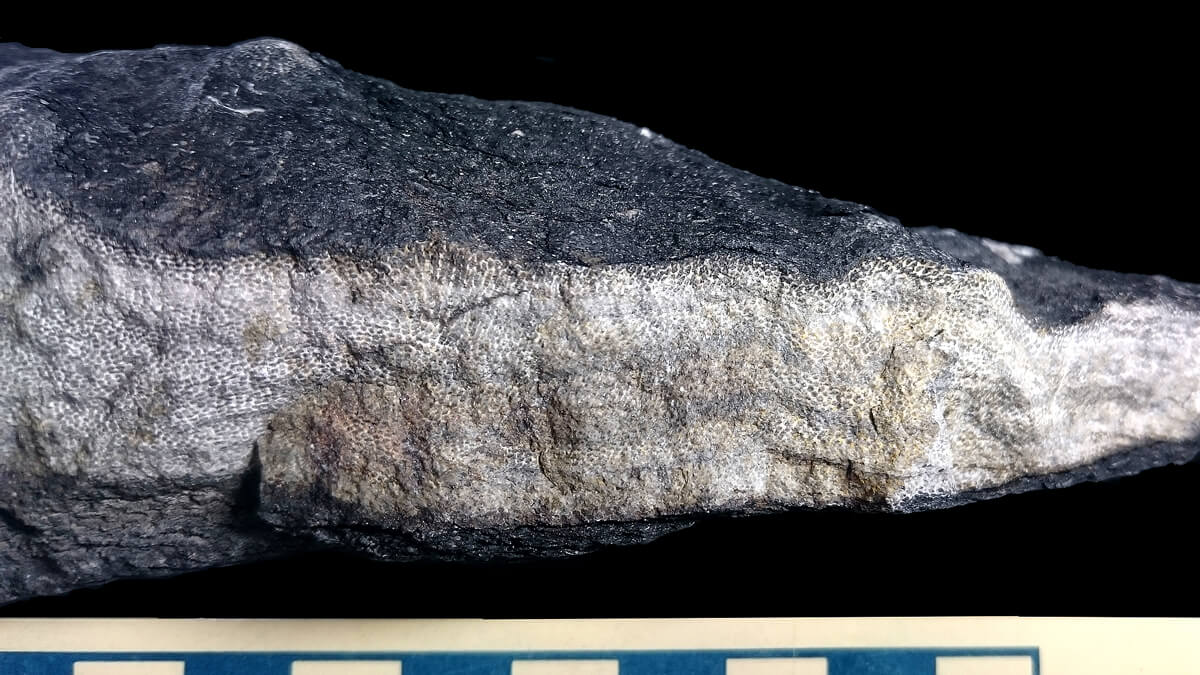
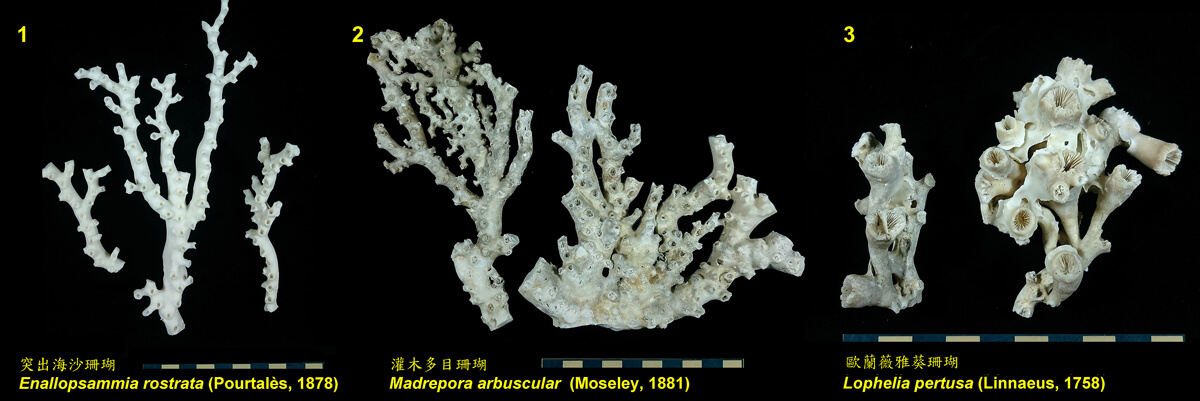
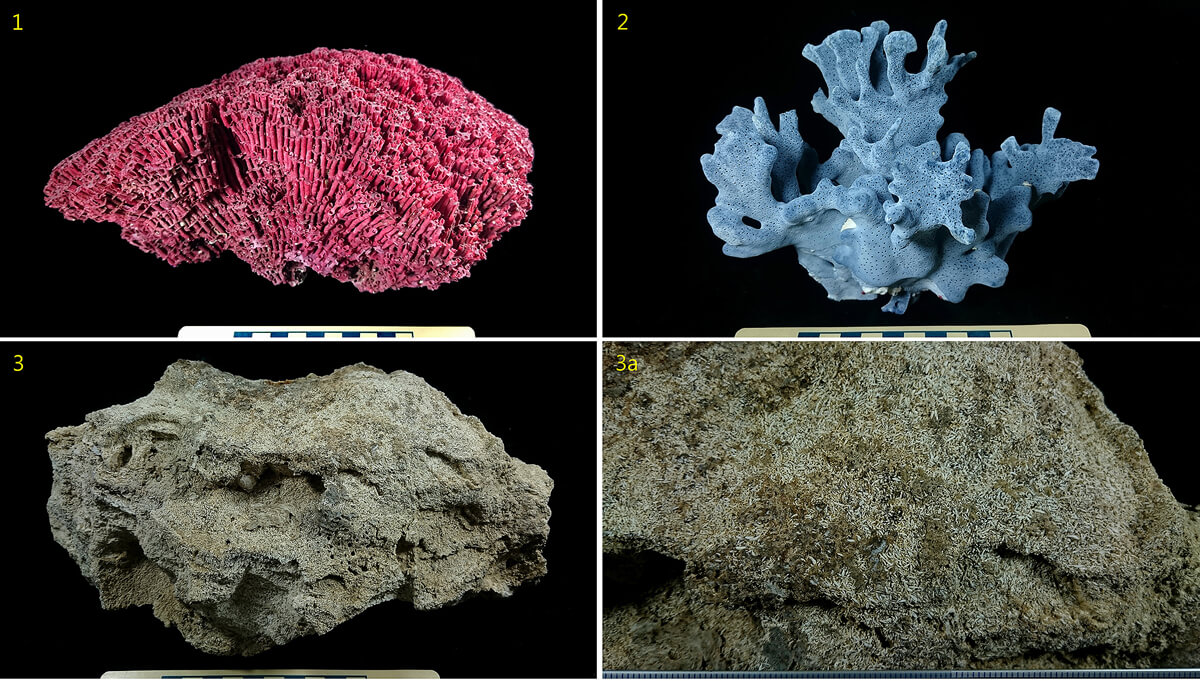
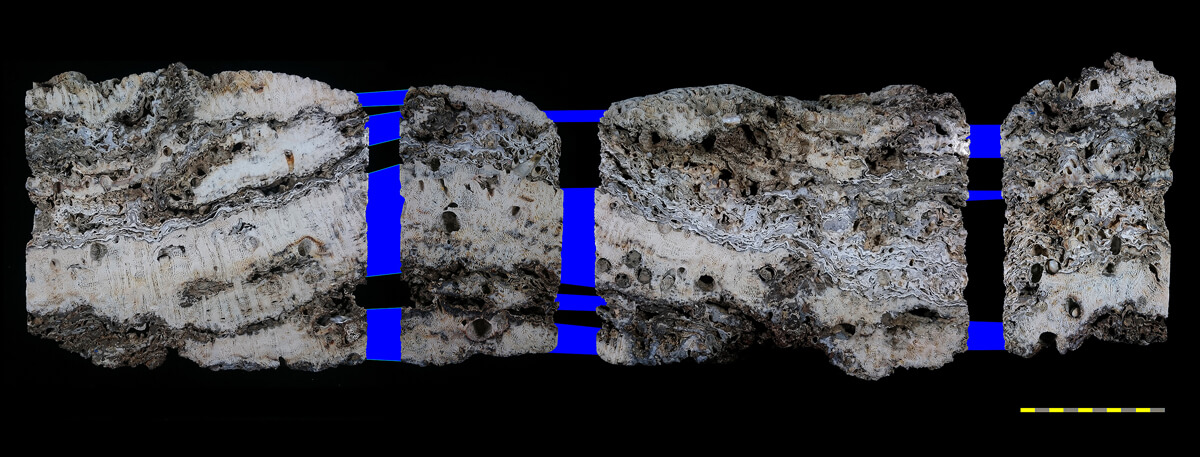
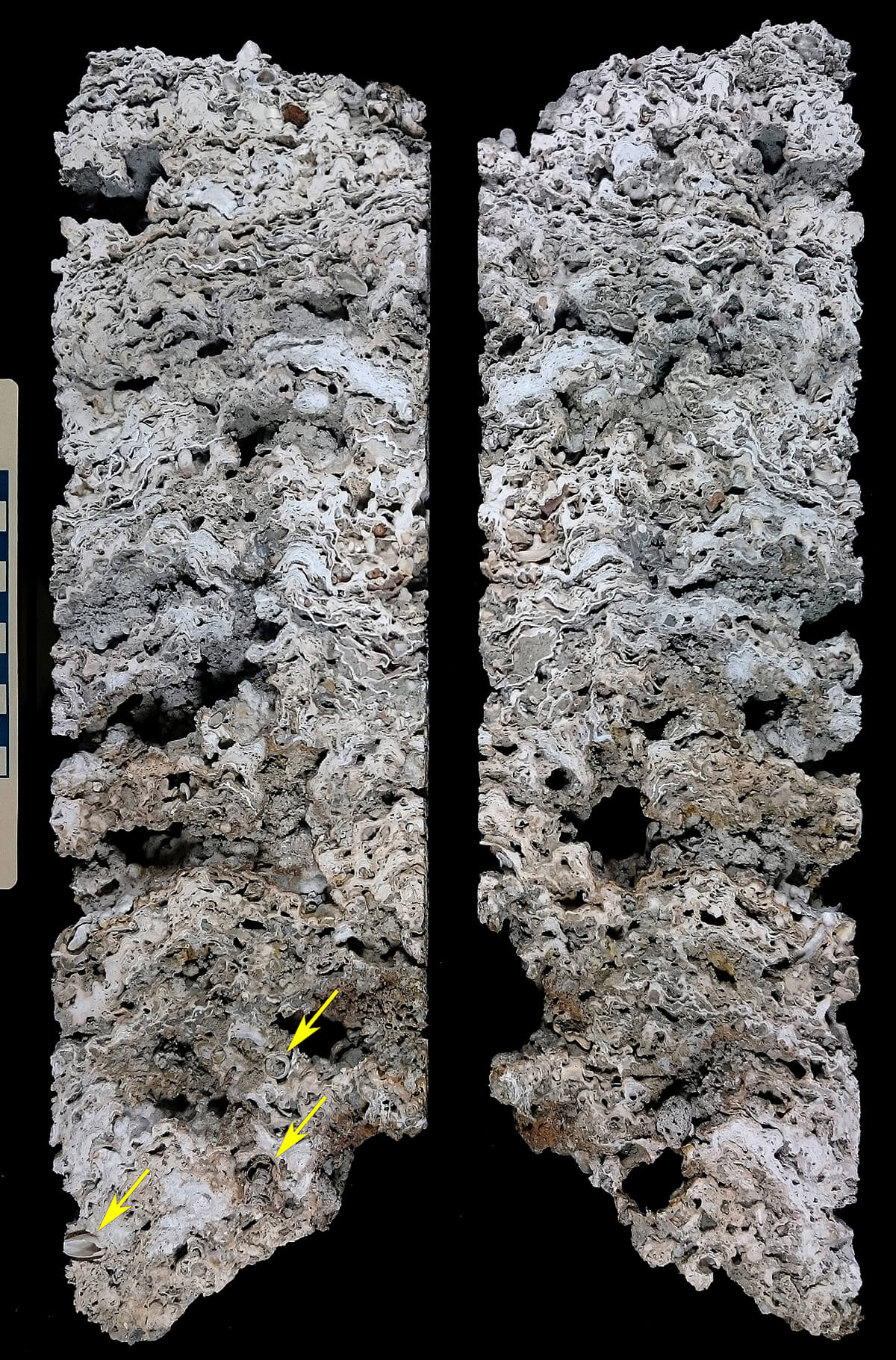
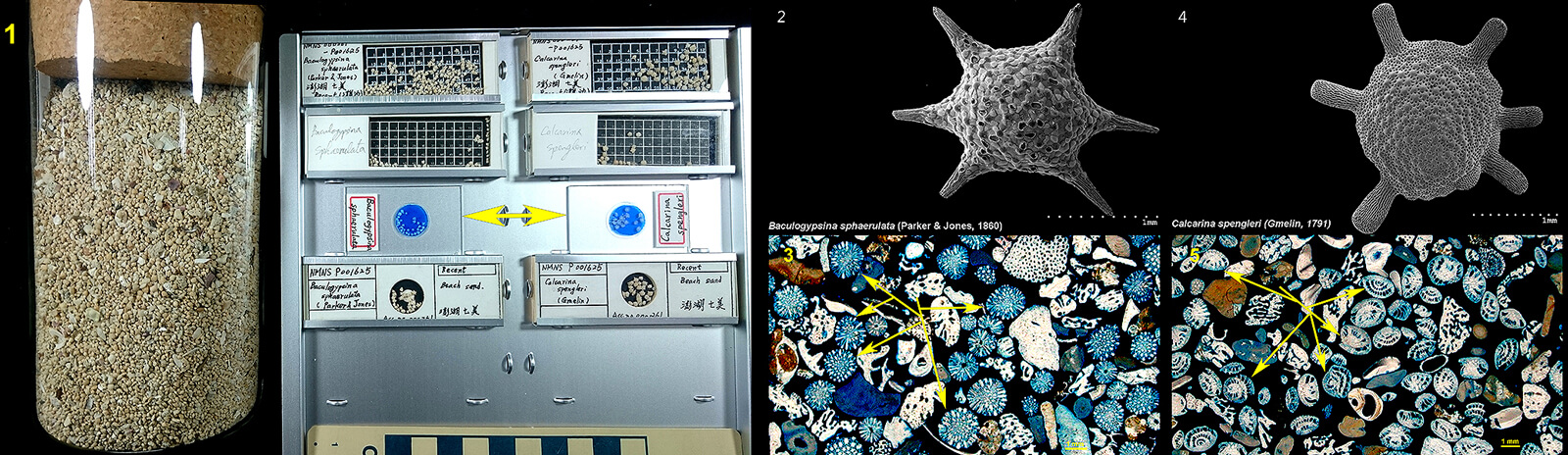
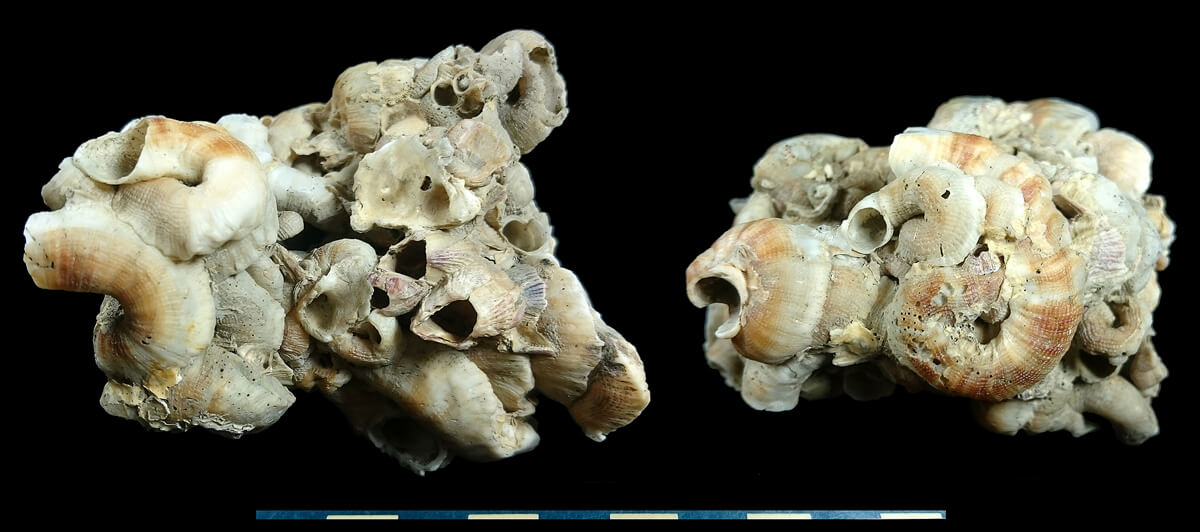
For this online exhibition, Precambrian stromatolites, Paleozoic stromatoporoids, Cenozoic coral reefs, and algal reefs were chosen, in addition to specimens of extant deep-water reef building corals, reef-building octocorals, hydrocorals, oysters, worm snails, annelid polychaete worms, barnacles, and large foraminifera. These provide an interesting overview of biotic reefs.