Qingshui Zhongshe Site: Iron Age Along Central Taiwan's Coast
In 2014-2015, the Construction Bureau of the Taichung City Government planned to carry out comprehensive greening and beautification of Yinlian Second Village, a former military dependents' community, in Qingshui District of Taichung City. During this process, a site dating back to the Iron Age, some 2000 years before present, was discovered. Based on the findings of the excavation report, this was named the Qingshui Zhongshe Site-Shekouwei Site and the culture represented here is the same as that of part of Qingshui Zhongshe.
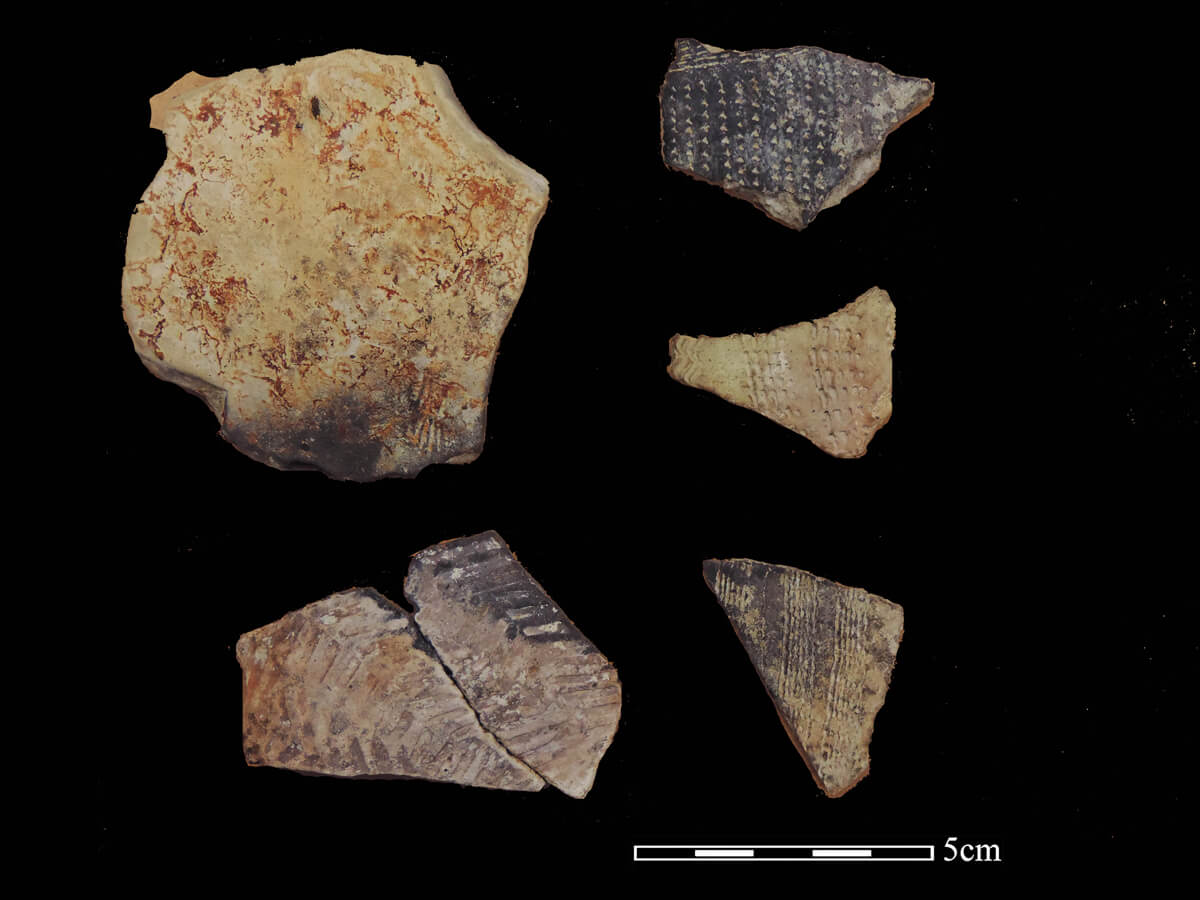
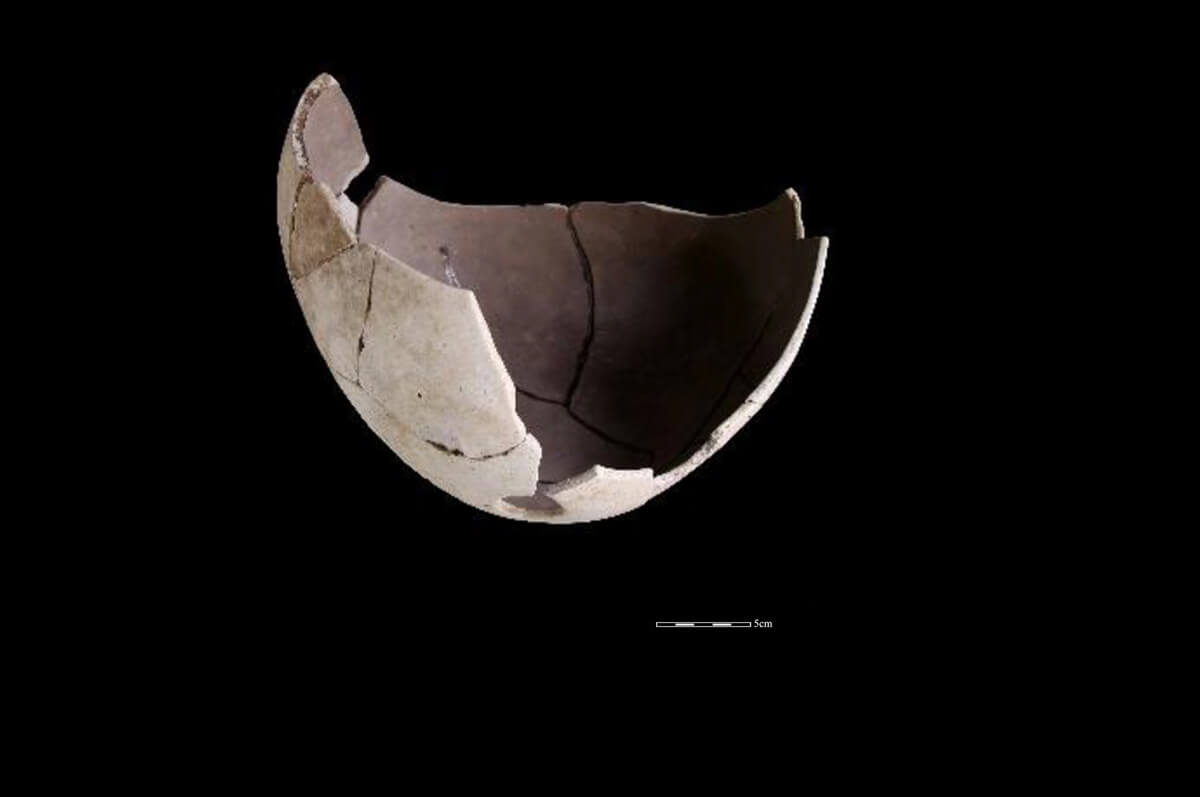
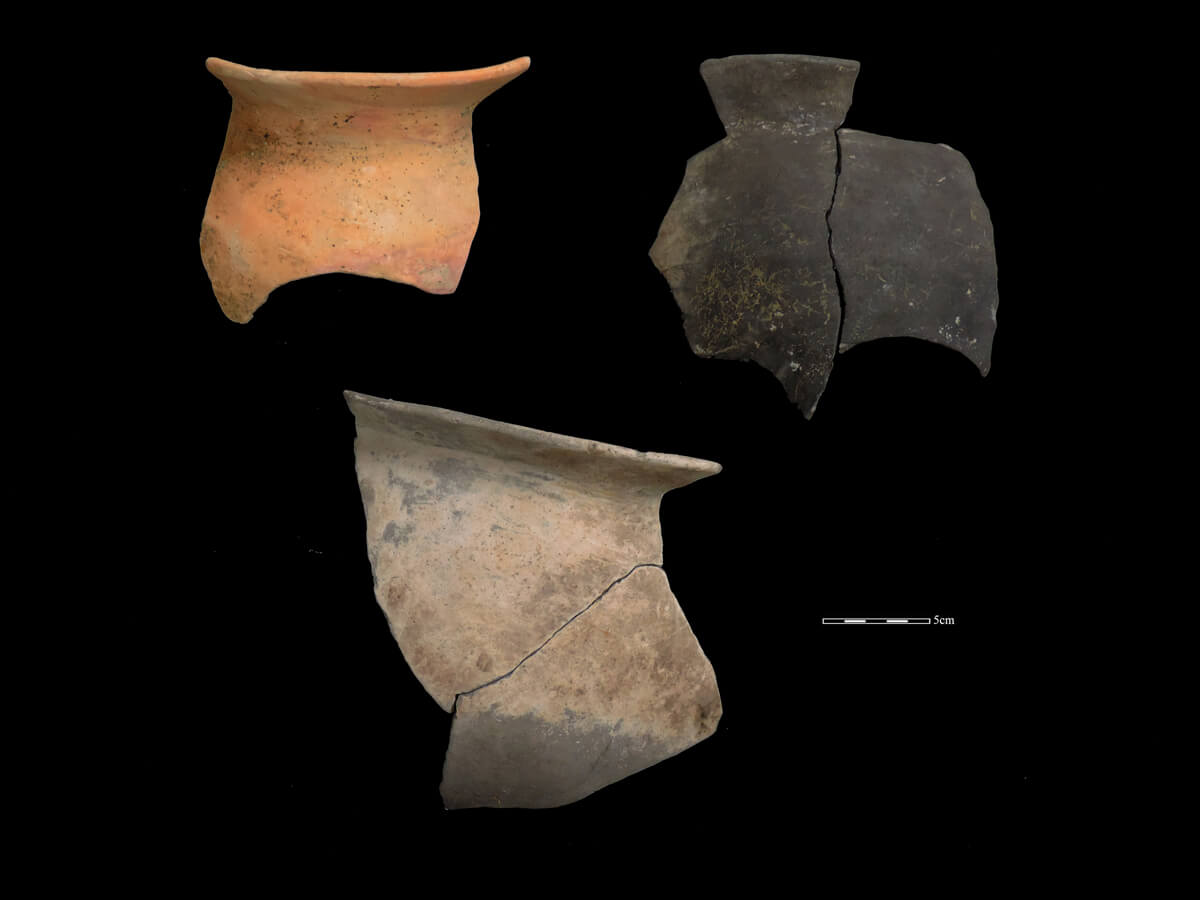
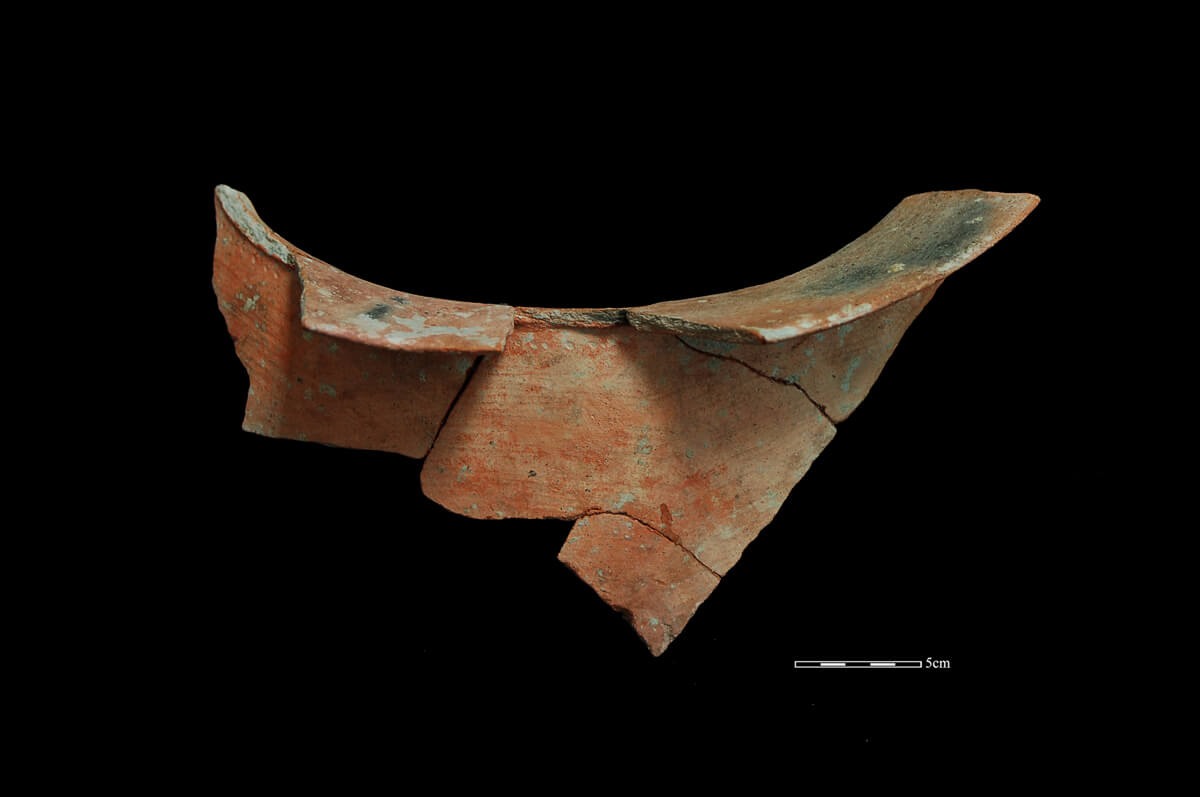
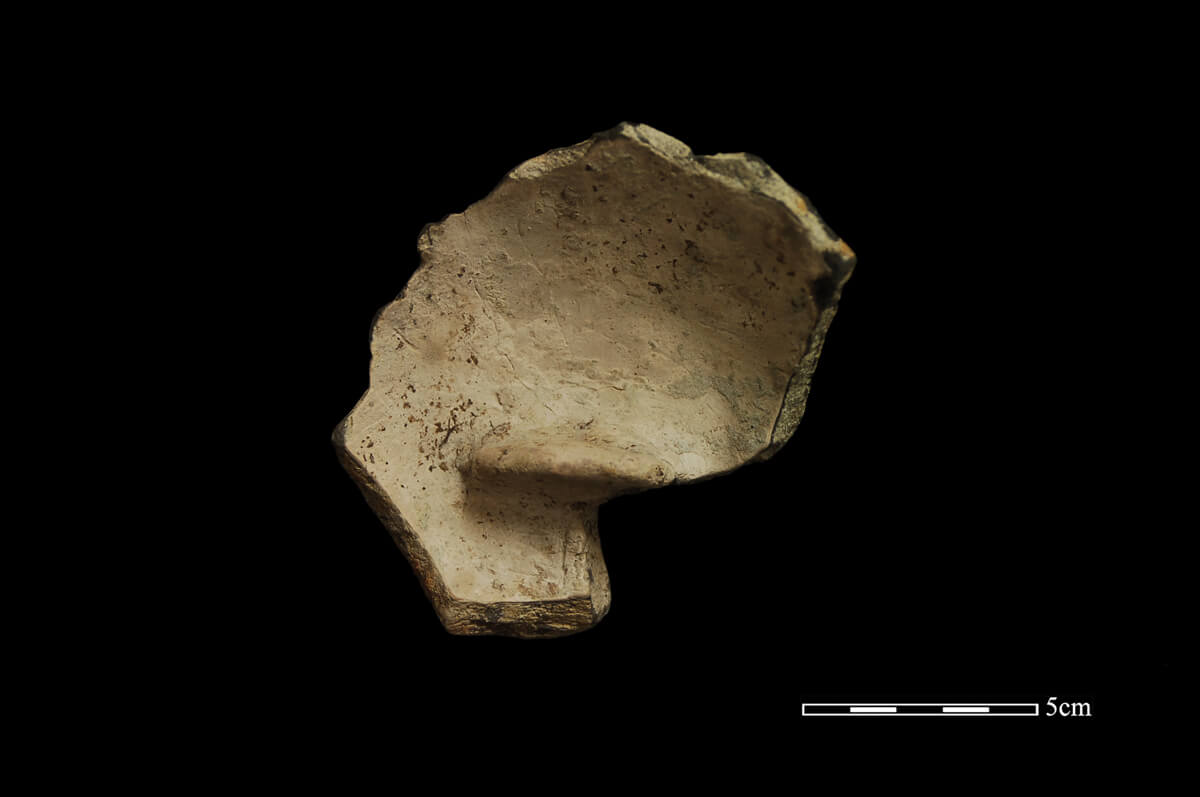
Yinlian Second Village is a former military housing complex for Air Force and Army personnel. During the Japanese occupation era (1895-1945), it was sugarcane fields. It was included in the expanded scope of the Qingshui Zhongshe City-designated Site. Since the Japanese occupation era, shells and human bones have been found in nearby paddies and vegetable gardens. In 1997, a team from the National Museum of Natural Science carried out an excavation survey in what is today the Taichung City Seaport Art Center area. Two 2x2 m test pits were excavated, with more than 5000 potsherds, stone tools, and other evidence of prehistoric lifestyles, as well as two graves and human bones, discovered. It is believed that this was a settlement of the Fantzuyuan Culture, which was prevalent in the coastal areas of central Taiwan. Based on the results of thermoluminescence dating, the gray black pottery group was from an earlier period of 2370 +/-1908 B.P. and the orange red pottery group was from a later period, the latest 450 +/-30 B.P. Ho Chuan-Kun, who excavated this site, named it the Zhongshe Site. In 2013, due to construction work along Zhenzheng Road, Liu Yi-Chang of Academica Sinica led a team to carry out salvage archaeology. They discovered 67 graves and other traces of prehistoric community life including postholes, trash pits and pottery firing pits, from 1600-400 years before present. The excavated artifacts were of the earlier Fantzuyuan type and later Luliao type of the Fantzuyuan Culture. From the results of these two excavations, there is preliminary confirmation of the abundance of artifacts at this site, with good preservation over a large area. This was most likely one of the larger settlements of the Fantzuyuan Culture.
There are records of the Qingshui area from the Dutch occupation in the 17th century. At that time, there was an indigenous Pingpu (Papora tribe) community referred to as Gomach. This was one of the four large settlements on the Qingshui Plains. During the early part of the Qing dynasty, it was given the Chinese name of Niuma. In 1697, Yu Yonghe wrote in the Small Sea Travel Diaries that, "On the 13th, we crossed Daxi and passed through the Shalu Community to the Niuma Community. The homes were extremely narrow. They were especially damp right after the rain. Outside the window, there was a bed, which was reached by ladder. Although there was no door, they found this preferable." This describes the homes and location of the Niuma Community. Gomach is believed to have been located in the Qingshuijie area in the foothills of what is today the Dadu Terrace. The Qingshui Zhongshe Site is not necessarily the predecessor to the Niuma Community. However, it is likely closely related to the local Pingpu groups.
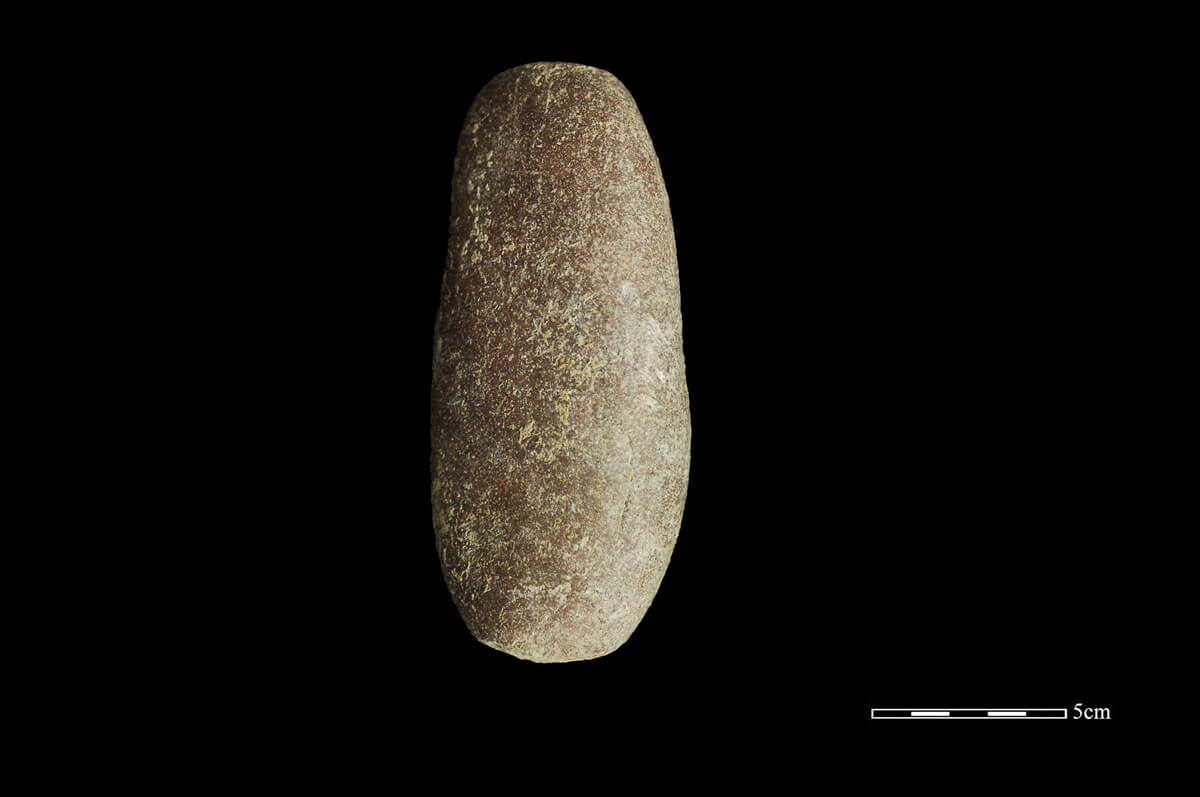
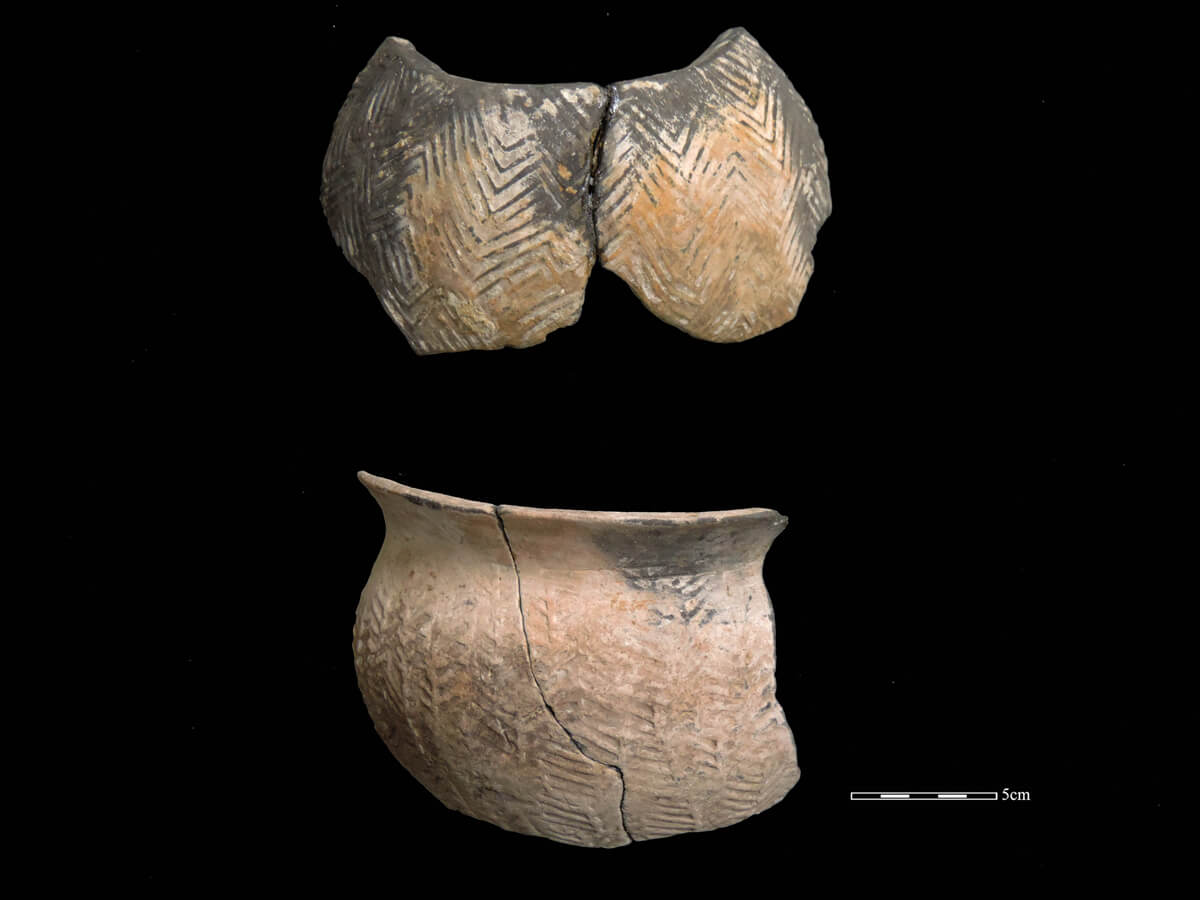
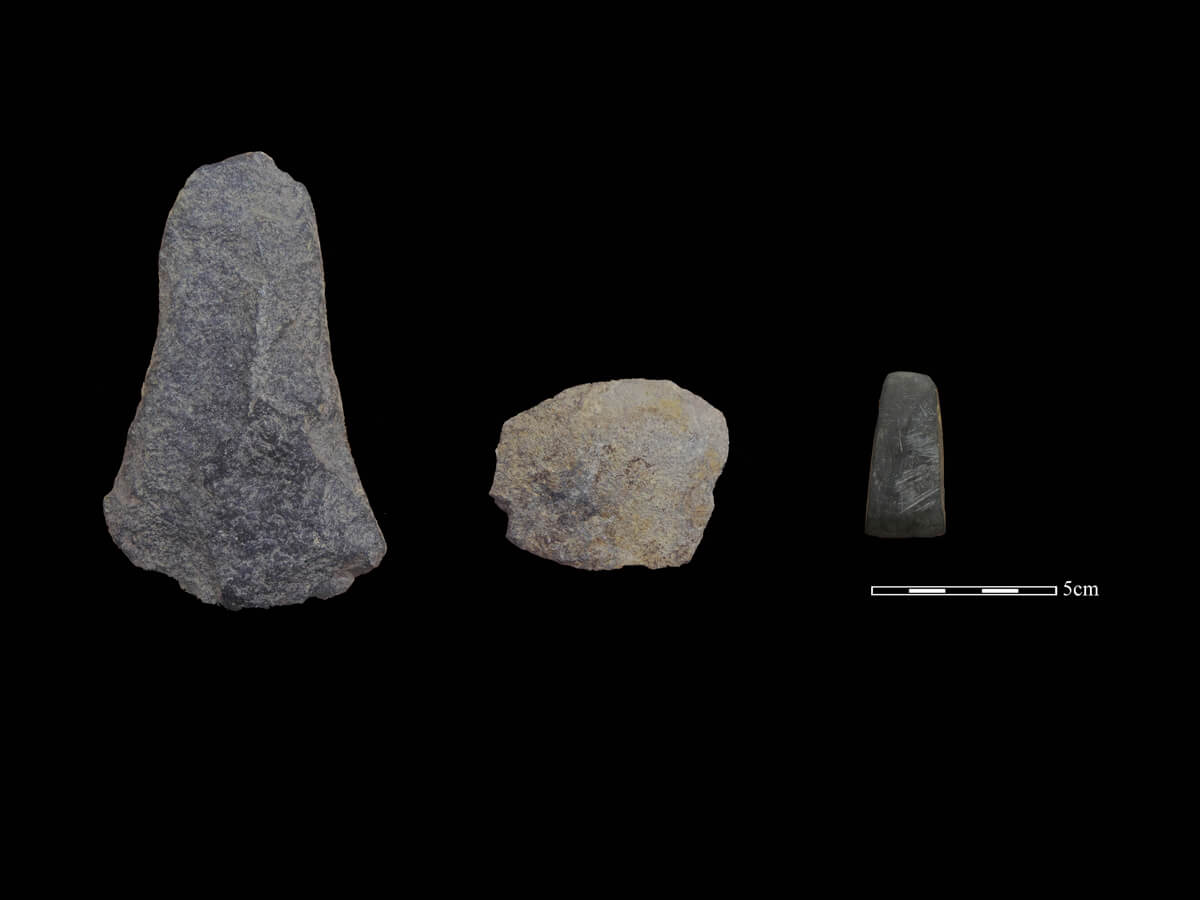
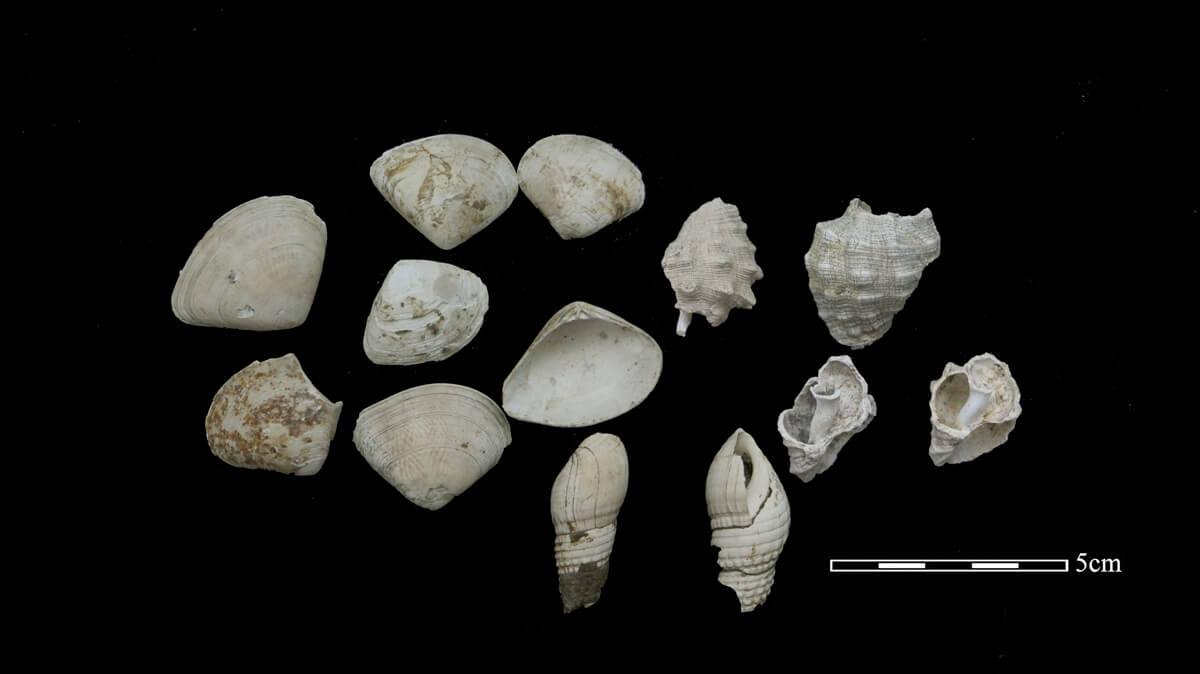
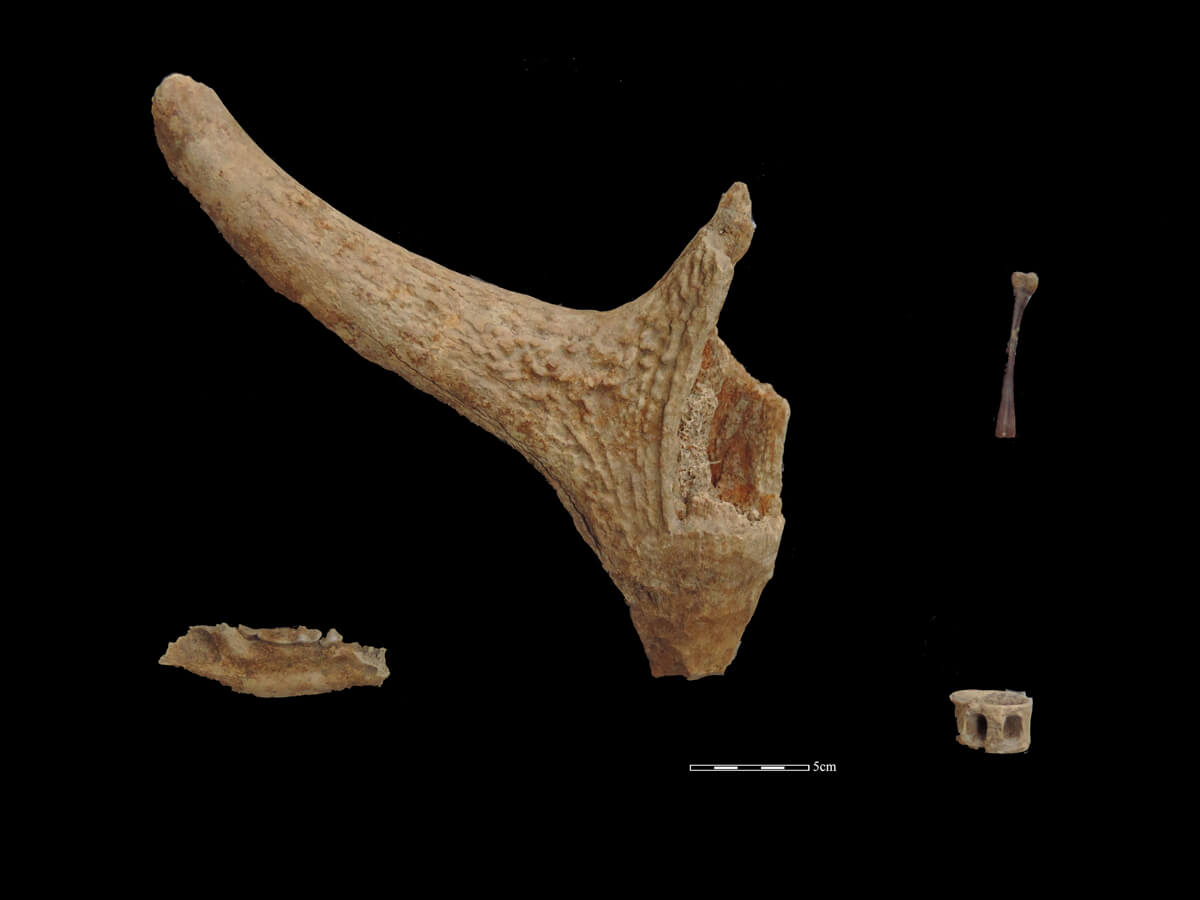
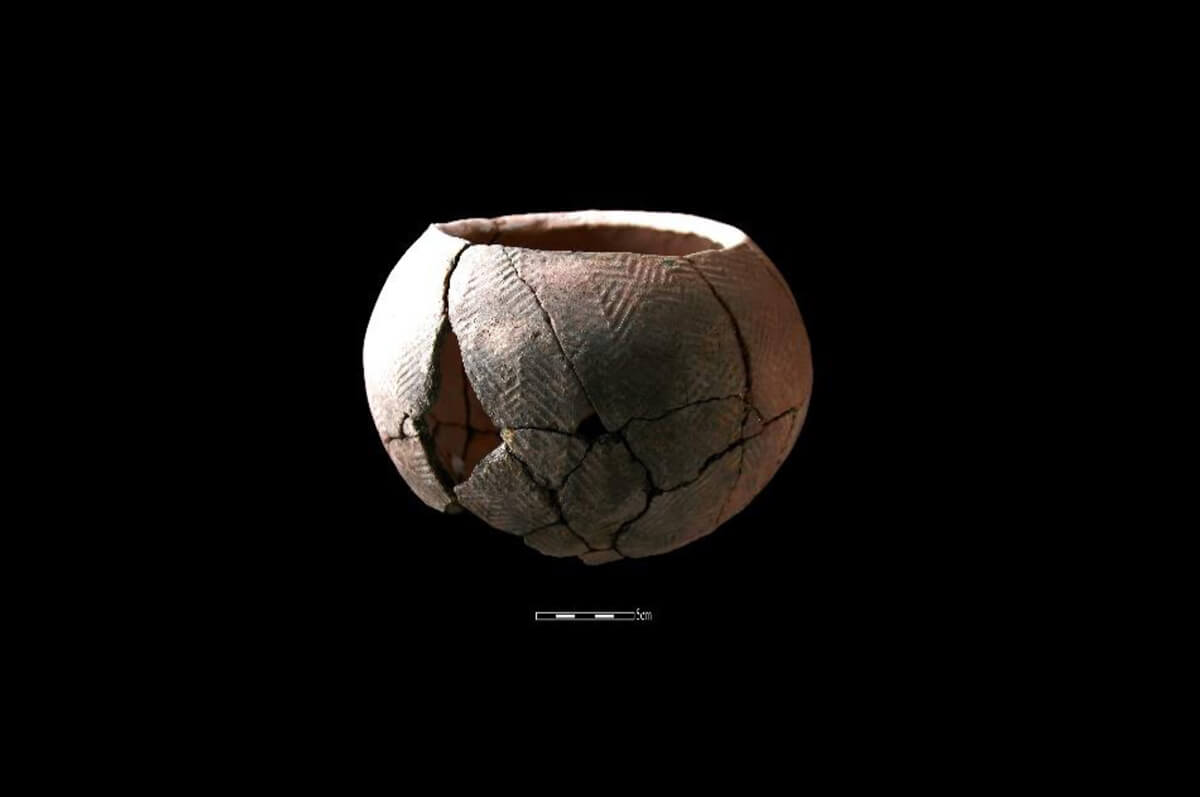
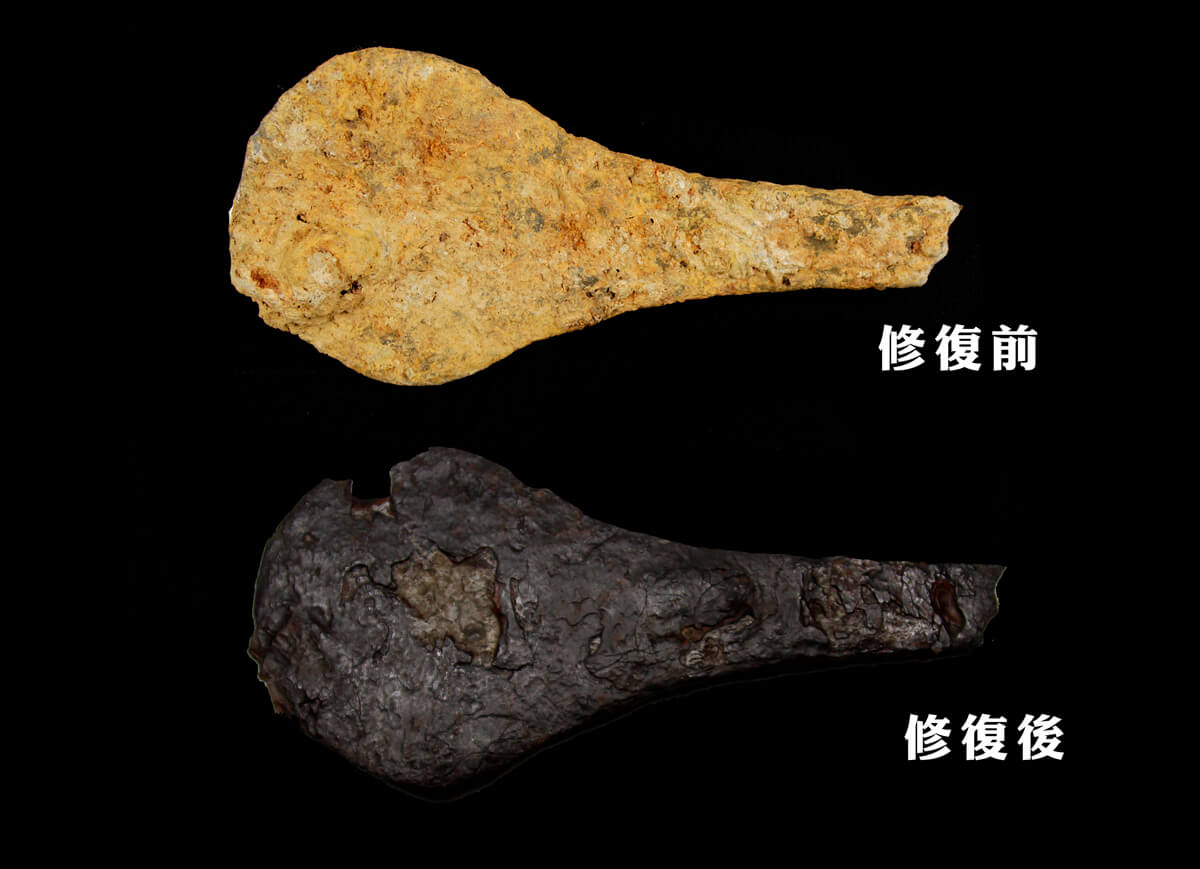
The Fantzuyuan Culture is one of the characteristic prehistoric cultures of the central Taiwan coastal areas. It is well known for its exquisite and unique impressed pattern pottery. As ironware was already in use during this time, there were relatively few types of stone tools. Most of the stone tools that were found were axes and hammers. Iron is difficult to preserve as it easily oxidizes. However, iron shovels and pointed utensils have been excavated. In addition, shell mounds and animal bones are very characteristic.
References: (Ho Chuan-Kun, Liu Ke-Hung, Chen How-Wei, 1998), (Liu Yi-Chang, Huang Chen-Chang, 2008), (Liu Yi-Chang, 2013), (Lee Tsuo-Ting, 2014, 2015).