Puppetry – from Tradition to Innovation
Puppet theater, also known as glove puppetry, originated in Quanzhou of China’s Fujian Province in the 17th century and spread throughout Quanzhou and Zhangzhou in Fujian Province, as well as to Chaozhou in Guangdong Province and Taiwan.
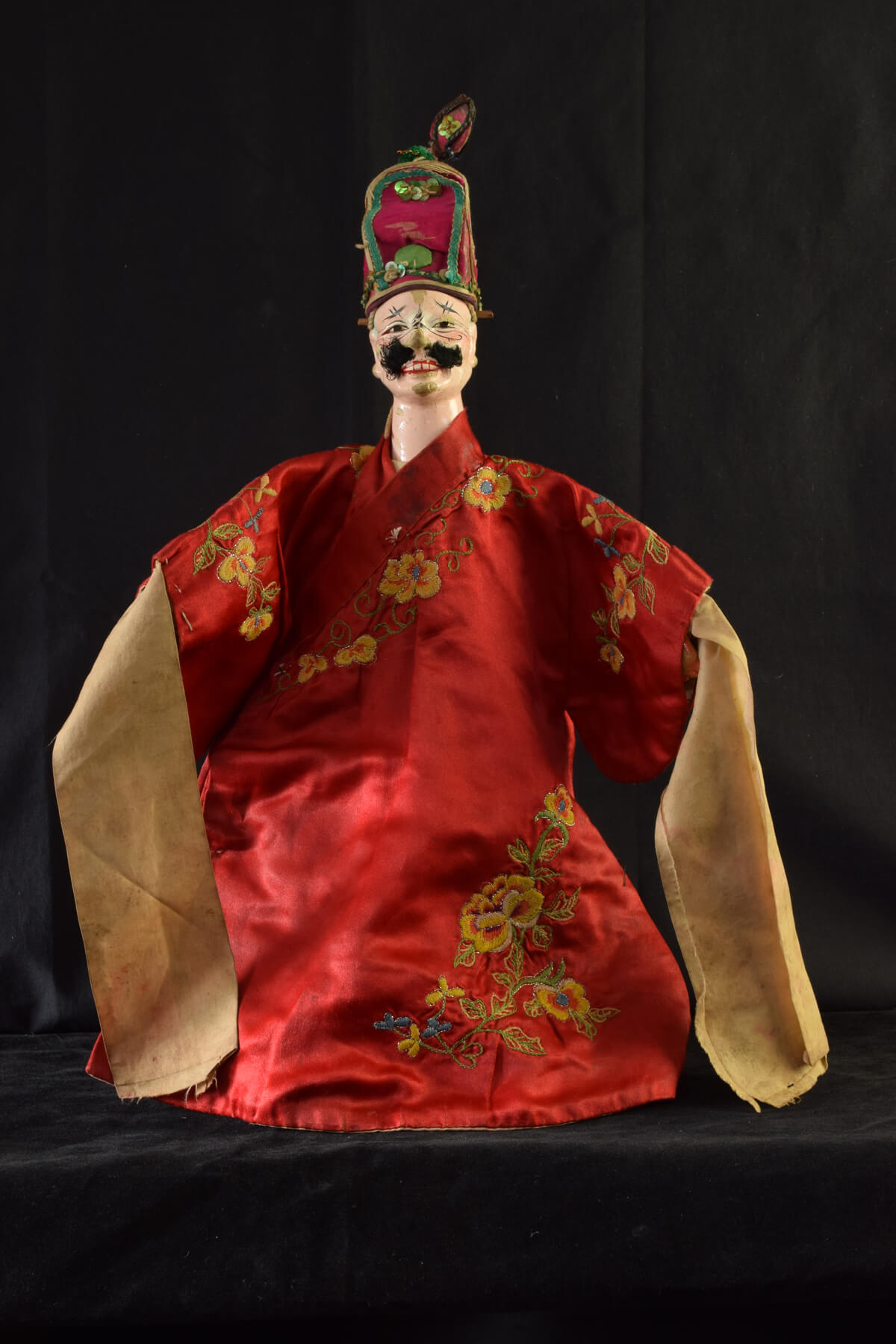
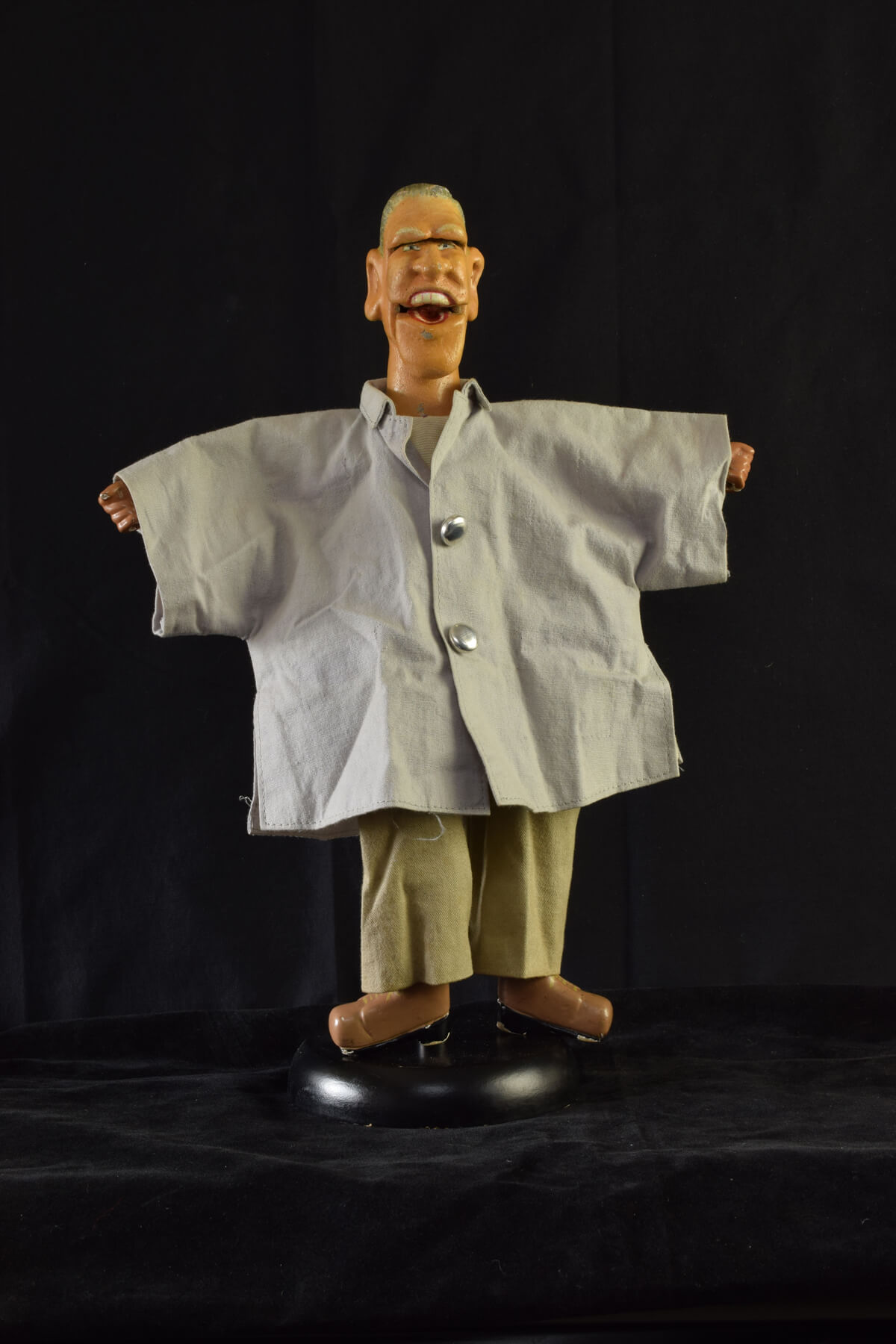
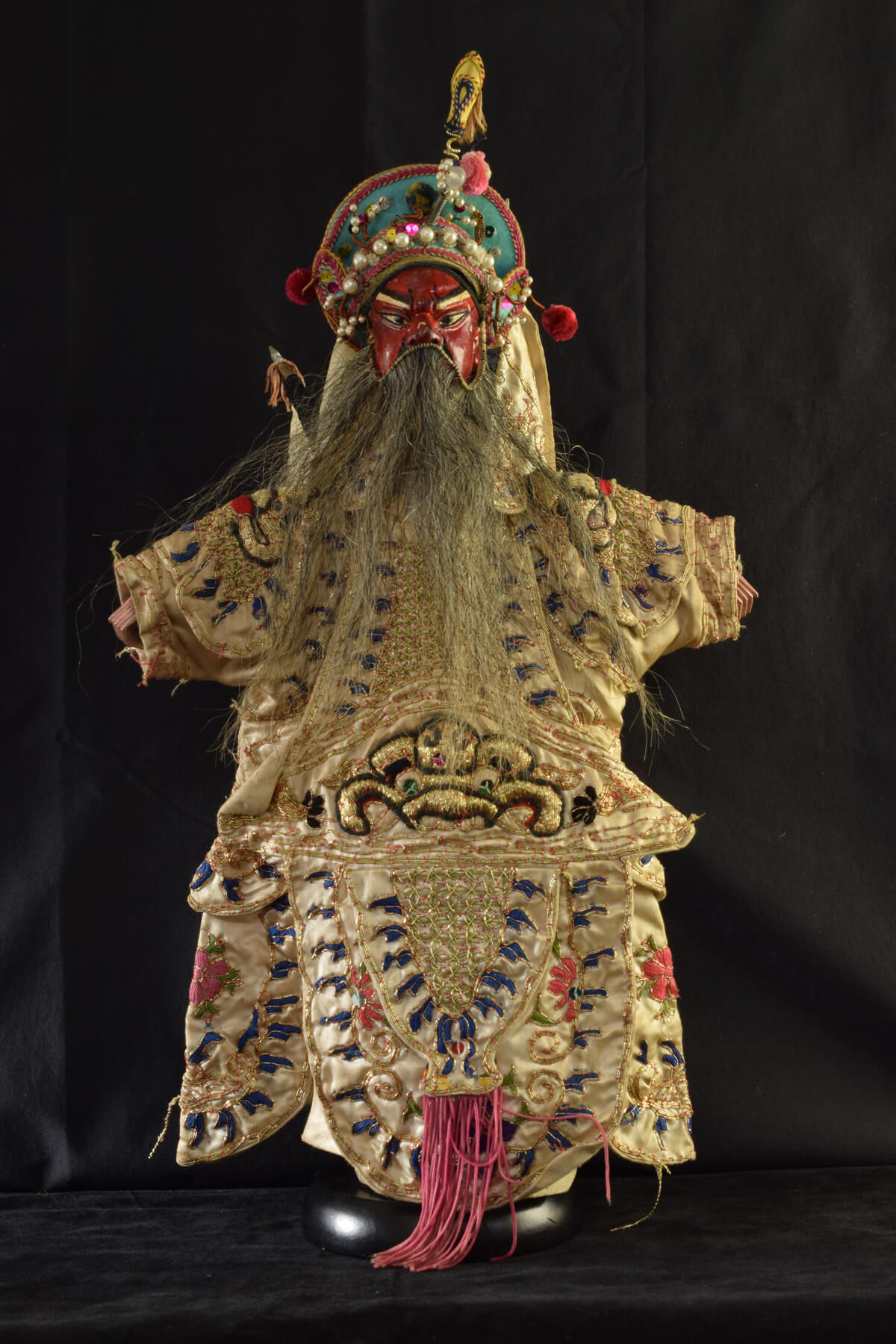
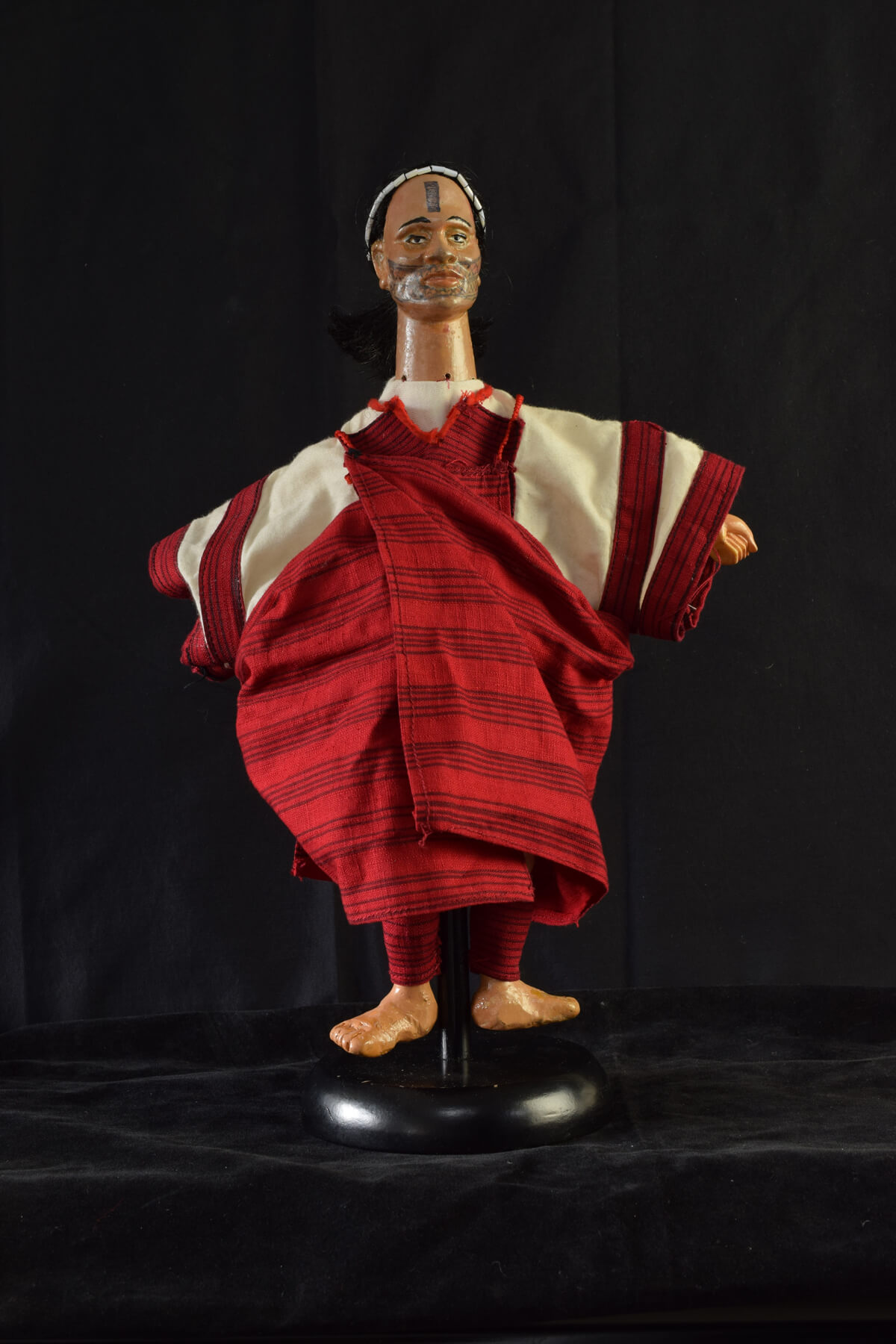
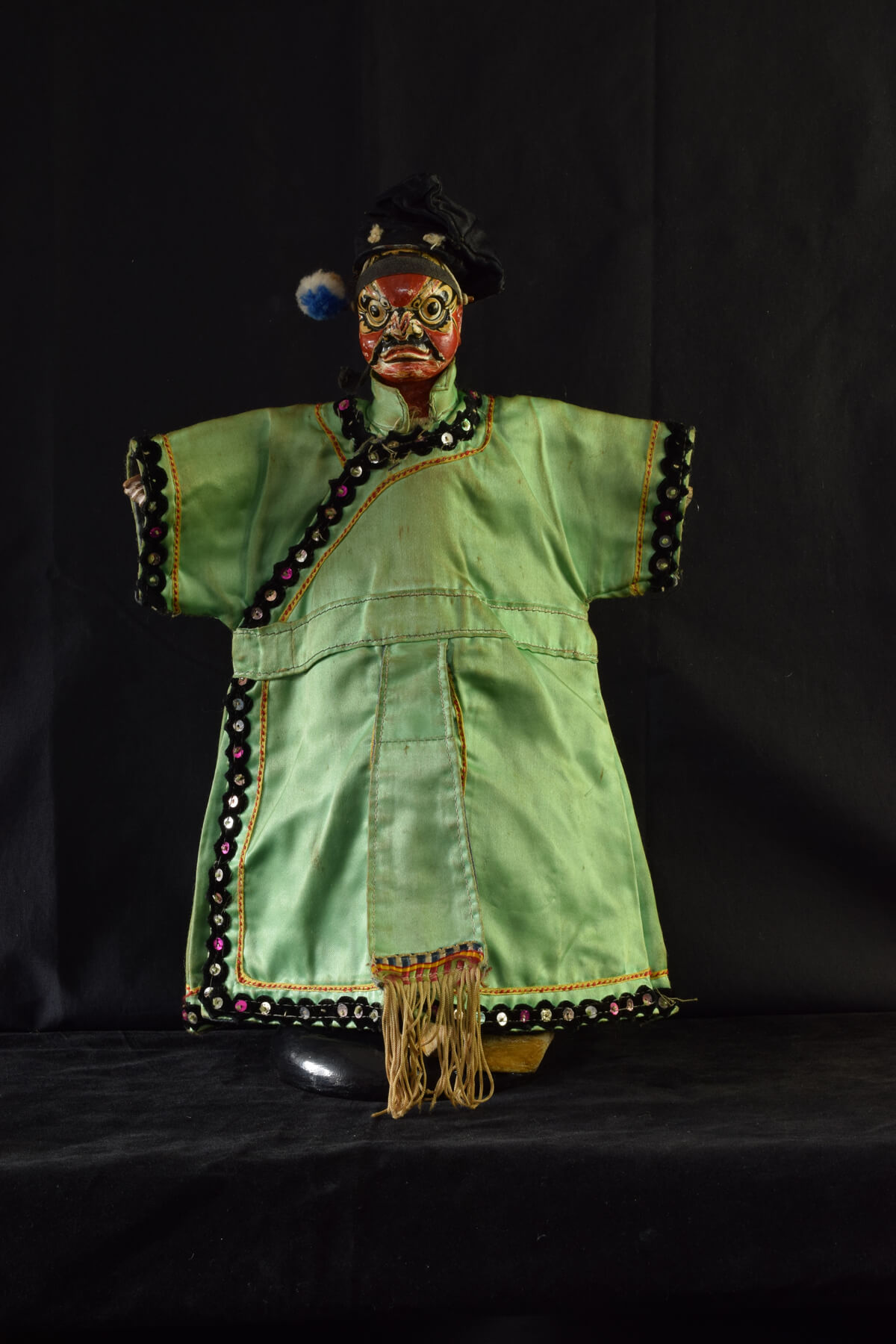
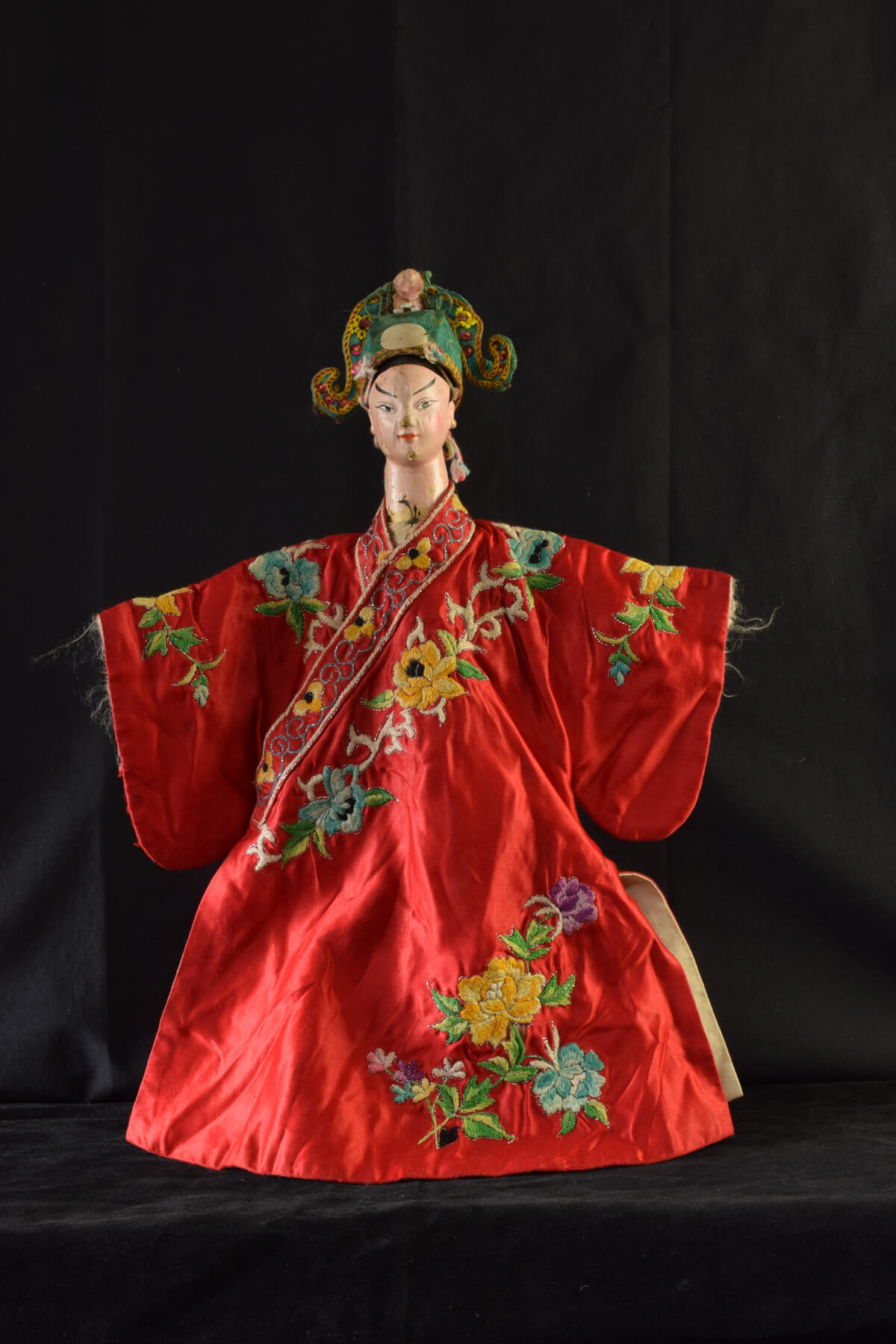
The basic structure of puppets includes frame, clothing and accessories, and cap (headgear). The frame includes the head, cloth body, arms, cloth legs, and shoes. During performances, the puppeteer inserts a hand into the costumed frame of the puppet to manipulate it.
Traditional costumes are scaled-down versions of traditional Chinese clothing and feature the same exquisite embroidery as on clothing worn by real people. The production of headgear is even more particular, following the standards for headgear but with complex changes, to enable audiences to immediately understand the identity and status of the role of each puppet. The traditional puppets in this exhibition were specially selected based on the representativeness of their headgear.
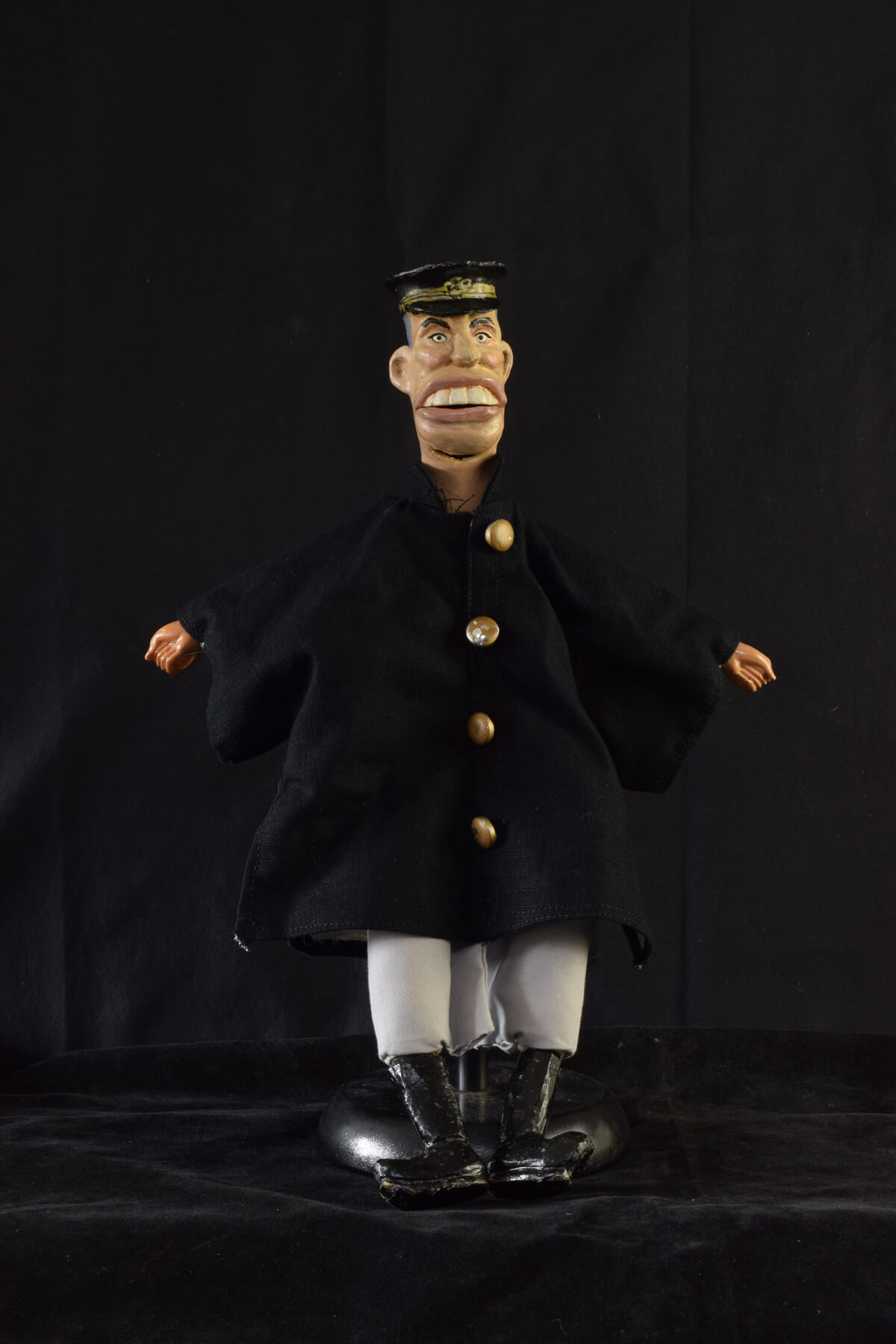
In its earliest form, only one person manipulated the puppets in the leading roles. These puppets were not large, about 30 centimeters in height. Once puppet theater performances were developed for the stage, puppets became larger to make them visible to those sitting in the back row. Today, puppets on TV shows can reach up to 100 centimeters.
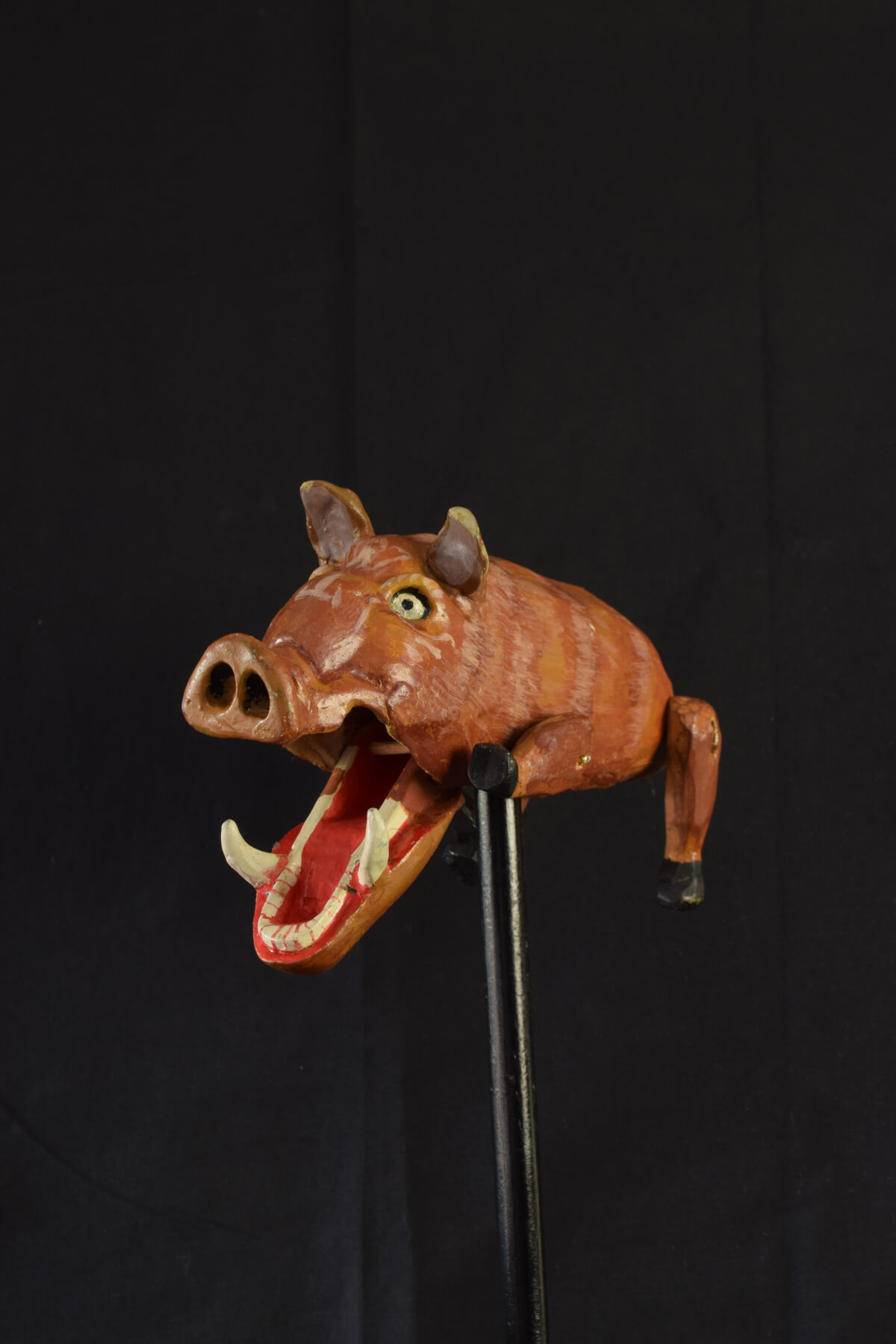
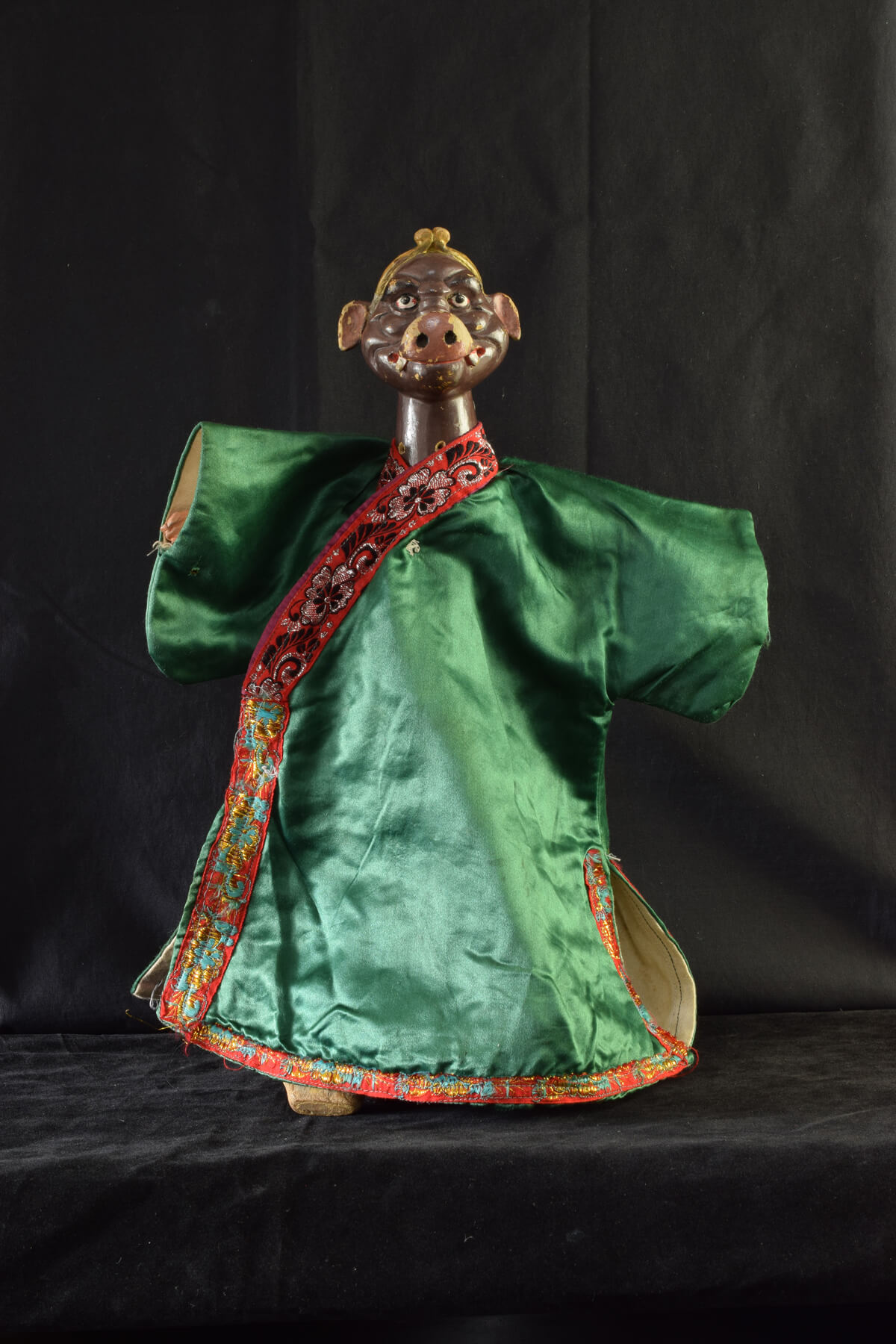
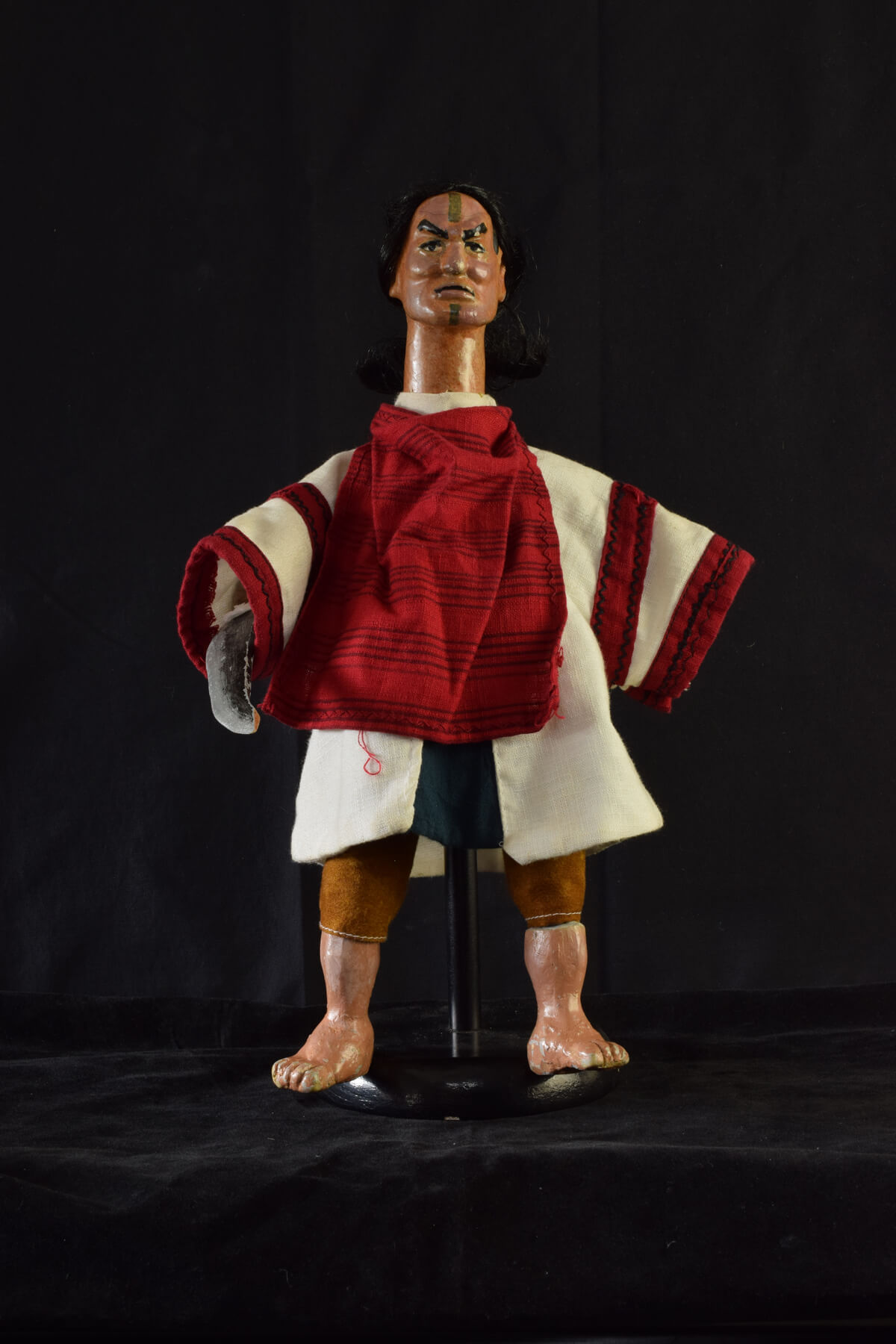
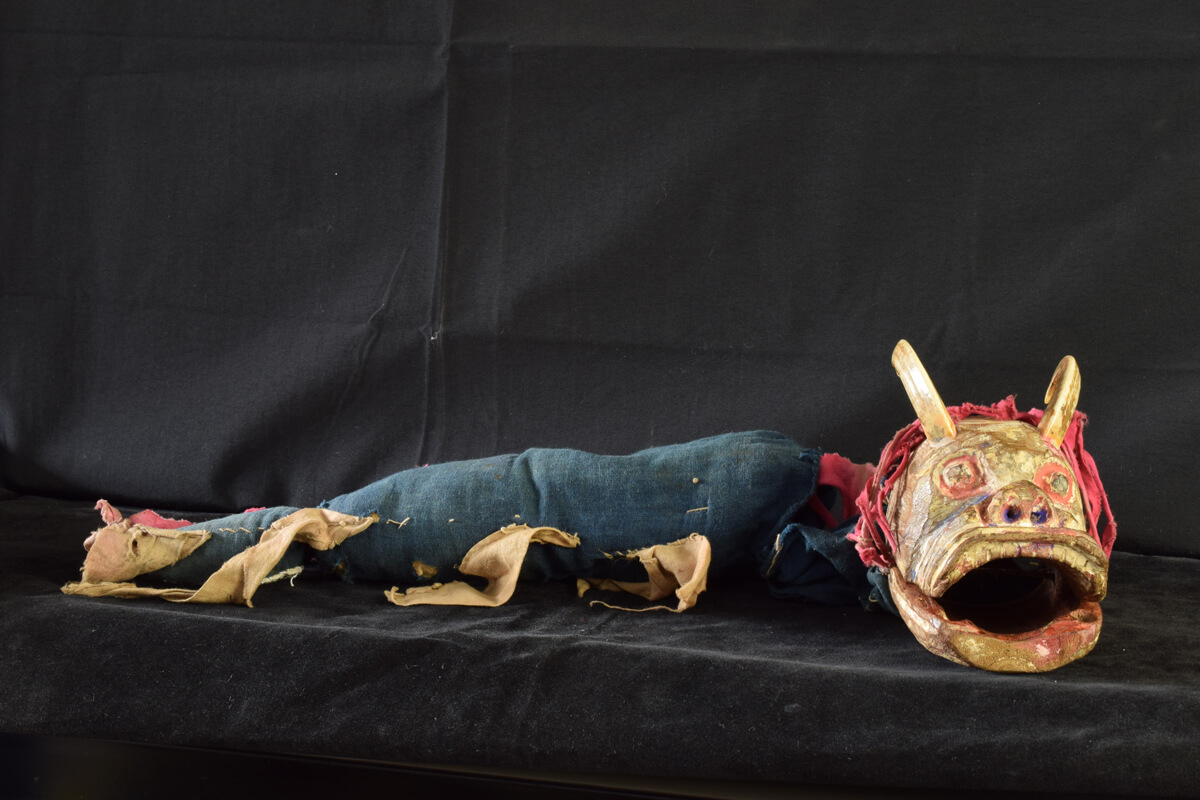
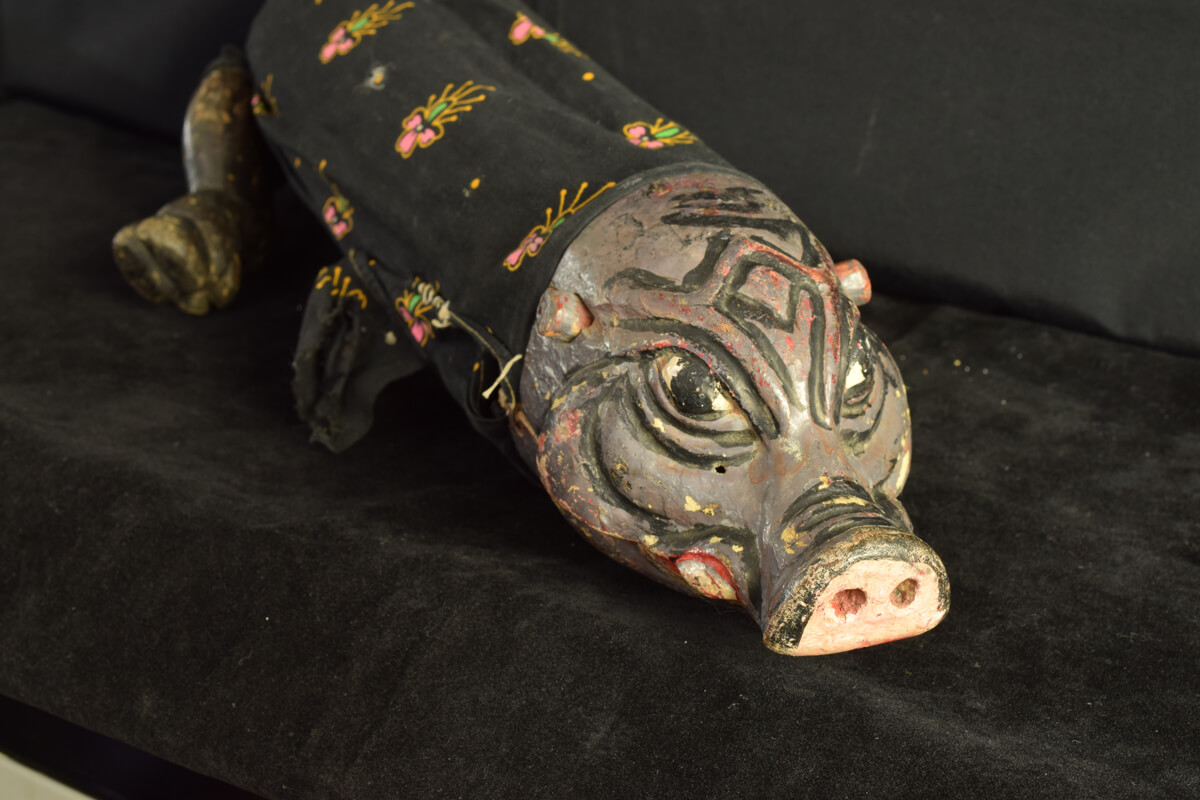
Traditionally, puppet heads were carved from wood or formed from clay. Nowadays, they are made from celluloid or plastic. Different from the Beijing opera classification of sheng, dan, jing, mo, and chou roles, in traditional puppet theater there were sheng, dan, dahua, erhua, sanhua, xiaoquezai, monster, animal, immortals, and miscellaneous roles. Sheng refers to a male with a generally plain face. Dan is generally a female role. Dahua refers to a puppet with painted patterns on the face. Erhua also has colorful patterns but these are not as complex as those of dahua roles. Sanhua refers to a supporting character such as a clown. Xiaoquezai includes servants, laborers, passersby, and men on horseback. Monsters are anthropomorphic beasts with the head of a bull, horse, or pig. Animals include tigers, lions, horses, and dragons. Immortals refer to celestial beings and Buddha, while miscellaneous roles are those that do not belong to any other category.
Even if the pig is the same, it has different roles based on the type of drama. In this special exhibition are included three pig puppets for comparison.