Fascinating Swallowtails of the World
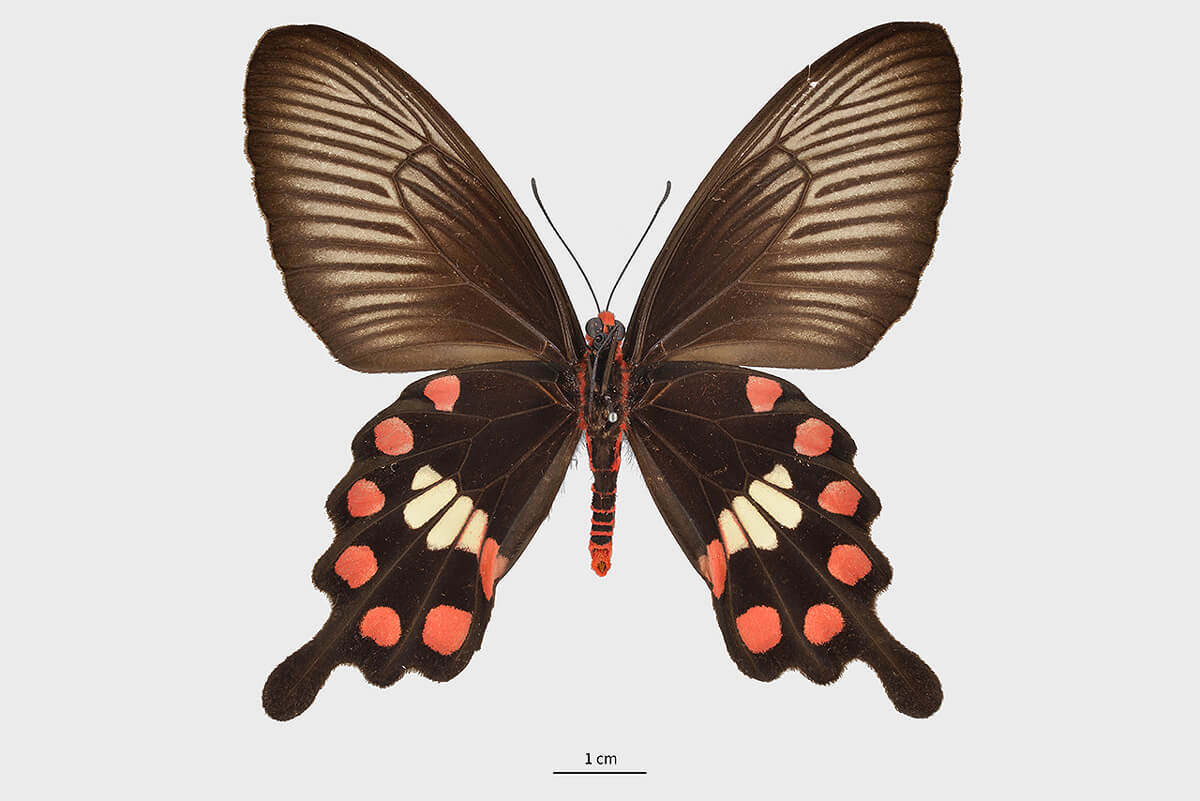
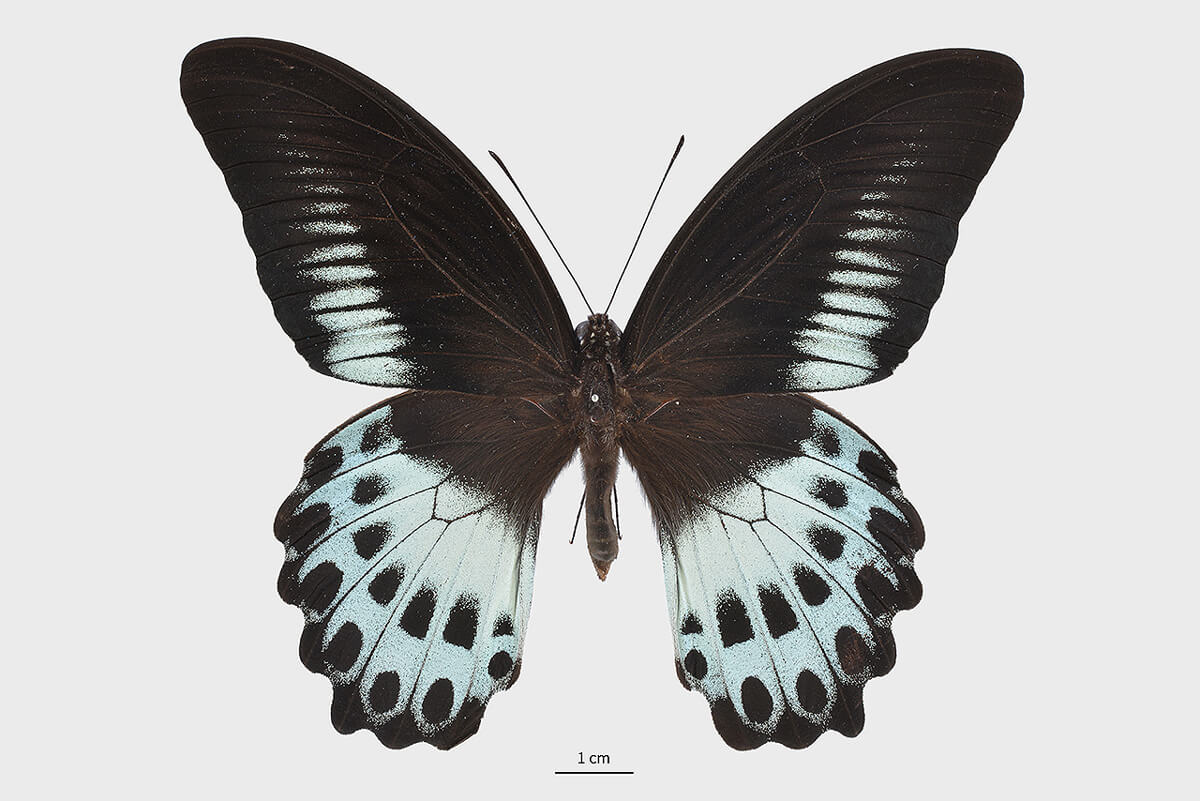
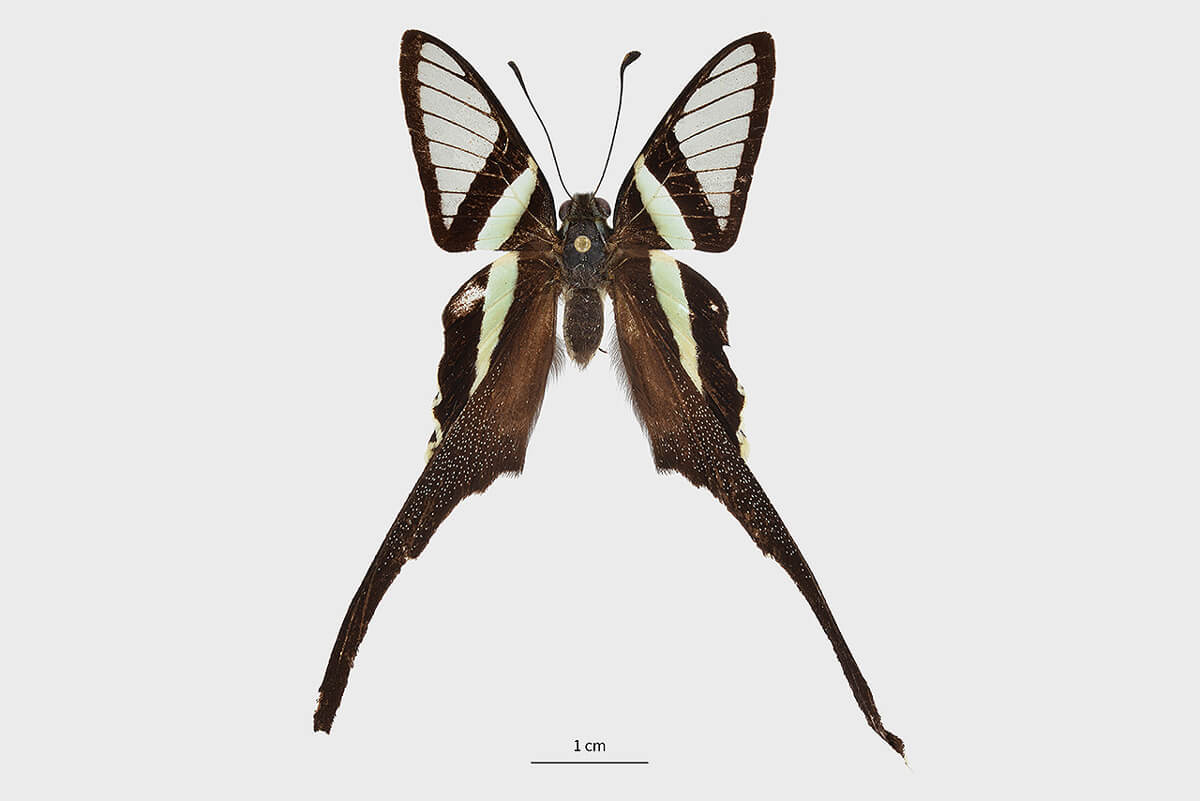
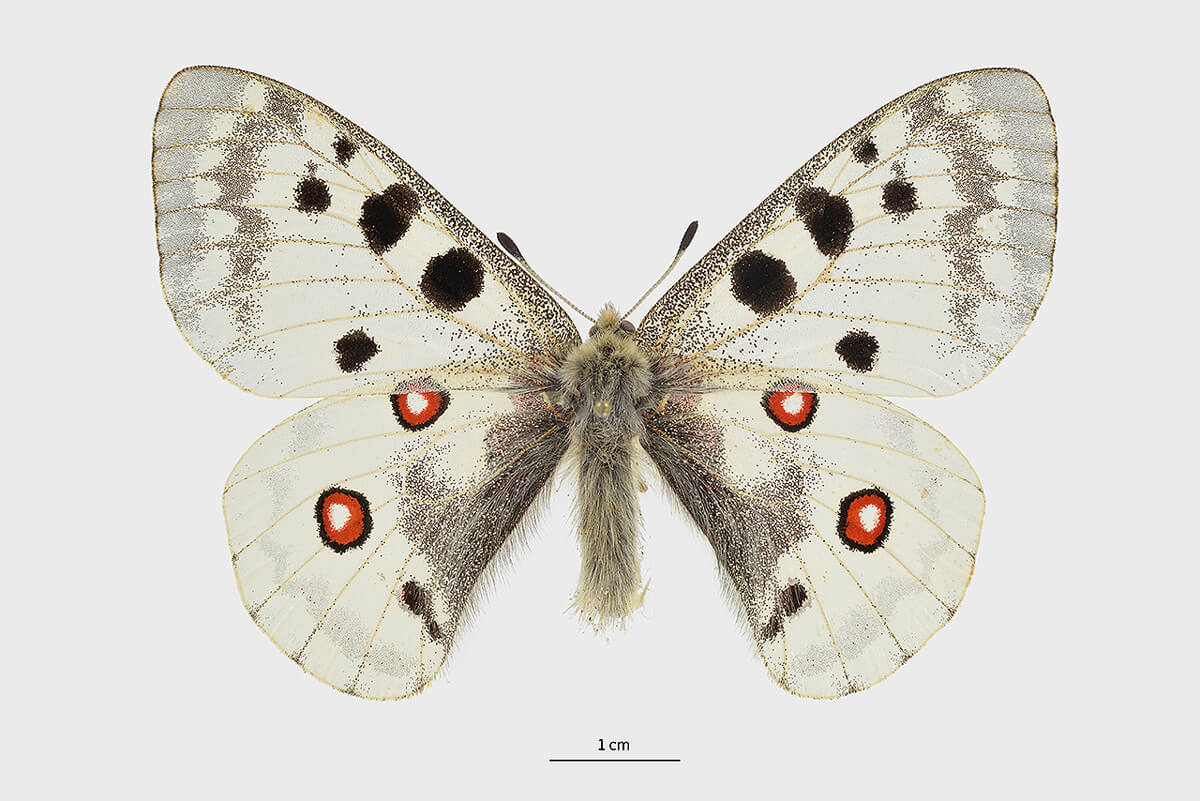
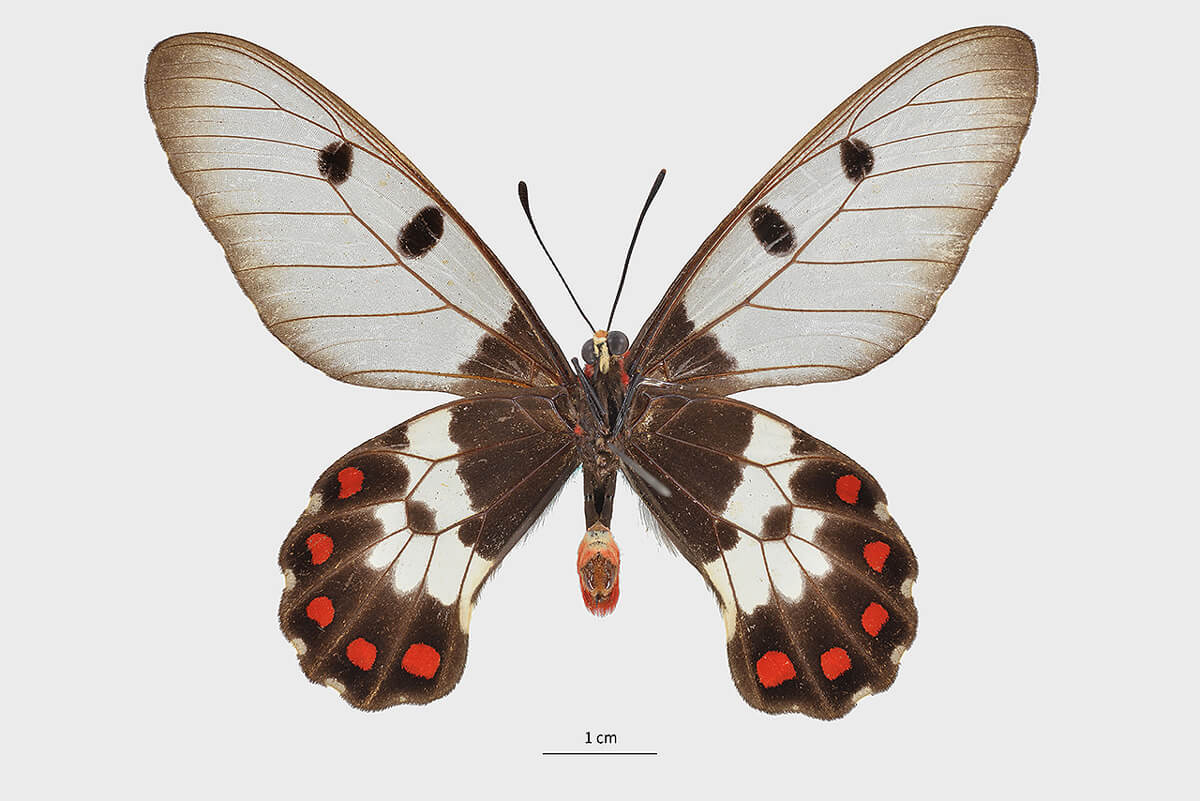
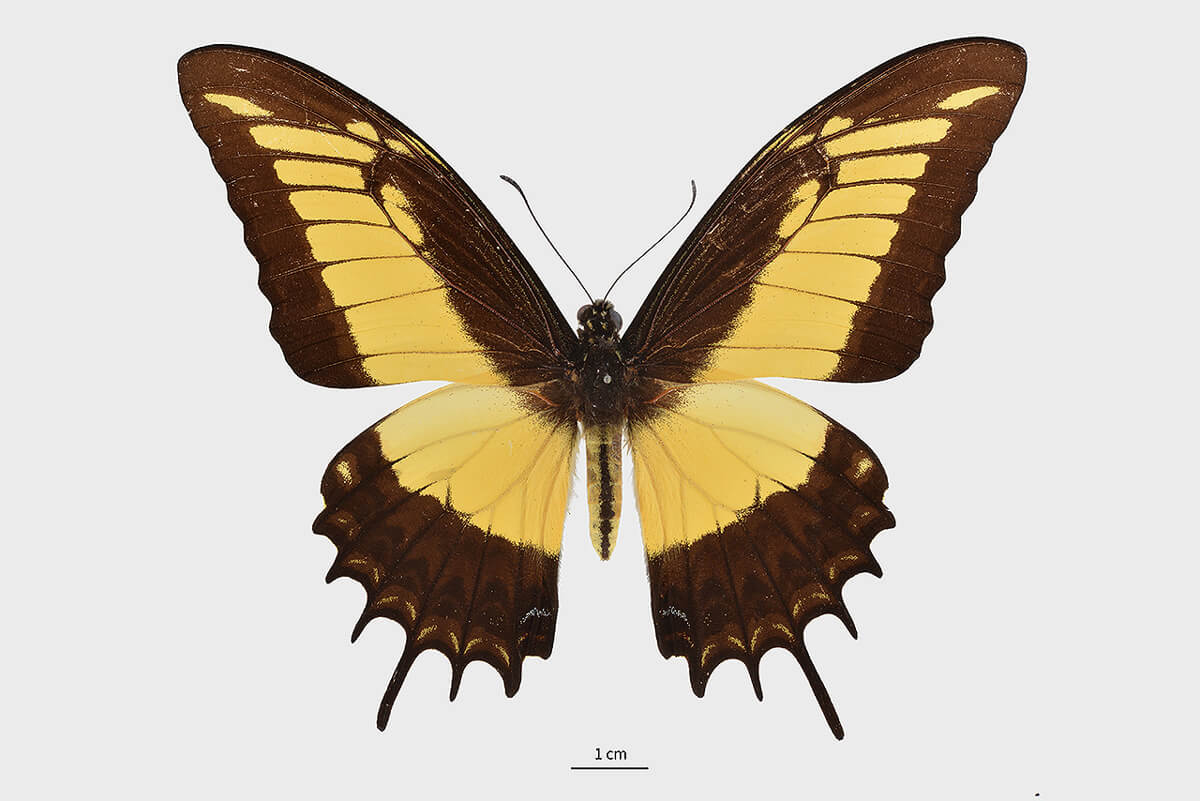
The Papilionidae family is a group of extremely beautiful and diverse butterflies, with large disparities in size from small swallowtail butterflies in the genus Lamproptera with a wingspan of 2-3 centimeters to large birdwing butterflies in the genus Ornithoptera with a wingspan of 20 centimeters. There are around 550 species in 32 genera in this family. Those in the genus Papilio account for more than half of the species in this family. Most are distributed in tropical areas. However, some have adapted to temperate and cold climates, such as those of the genus Parnassius. Based on the results of recent phylogenomic studies, divergence in the Papilionidae family began as early as the Late Cretaceous (around 71.4 million years ago). However, it was not until after the Cretaceous-Paleogene extinction event (66 million years ago, known as the K-Pg boundary, formerly the K-T boundary), around the Eocene Epoch 52 million years ago, that the existing branches started to evolve rapidly and on a large scale. Existing tropical branch representatives Tribe Leptocircini (35 million years ago), Tribe Papilionini (31 million years ago), and Tribe Troidini (38 million years ago), as well as temperate branch representative Tribe Parnassiini (25 million years ago), began to diverge and become more diverse from the Late Eocene to the Oligocene. It is estimated that the place of origin of swallowtail butterflies is in the eastern Palearctic realm of the Northern Hemisphere. They then spread southward to Australia and South America via different land bridges. At that time was the early Eocene Climatic Optimum. In the area of the Bering Strait near the polar circle, there was a warm climate, with formation of mixed mesophytic forest and boreotropical biota and dispersal and exchanges of many populations. Later, different periods of cold and warm, such as cooling during the Late Eocene, warming during the Late Oligocene, climatic optimum in the Mid Miocene, and glacial cycles in the Pliocene-Pleistocene, led to divergence, dispersal, and extinction of the swallowtail butterfly branches that had adapted to cold climates and tropical climates.
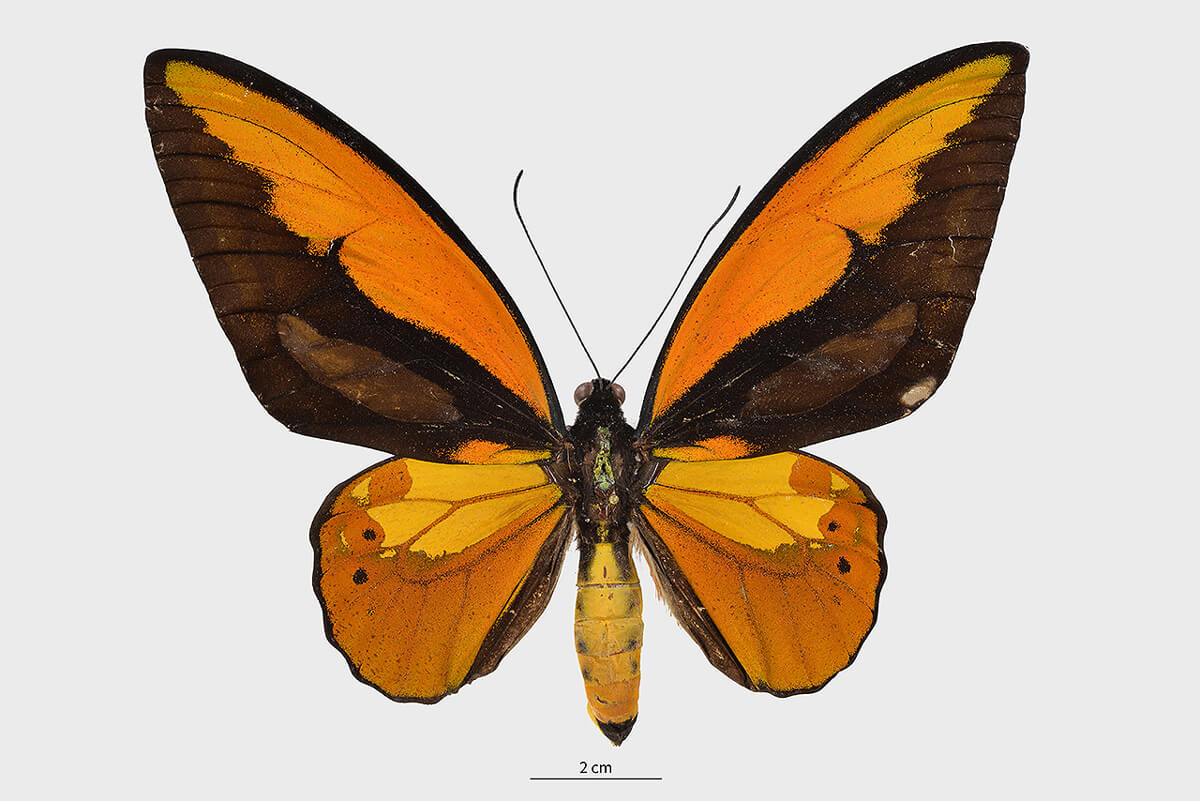
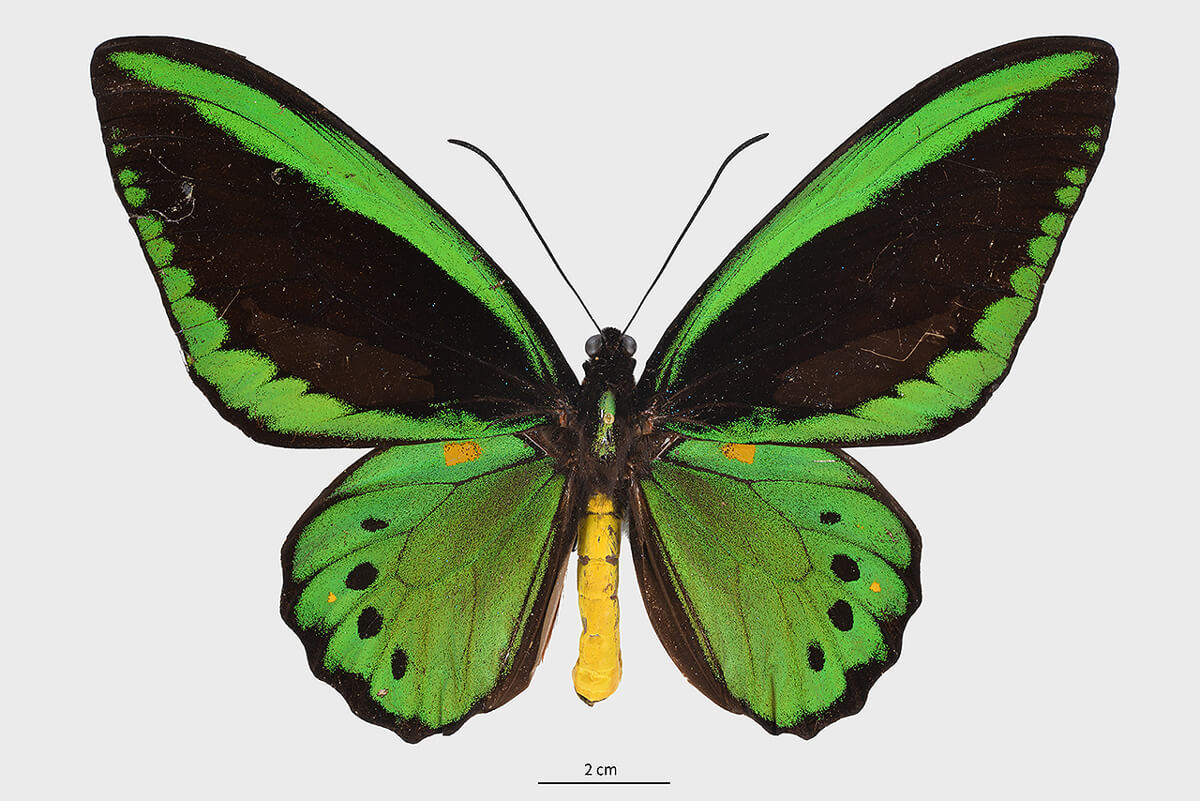
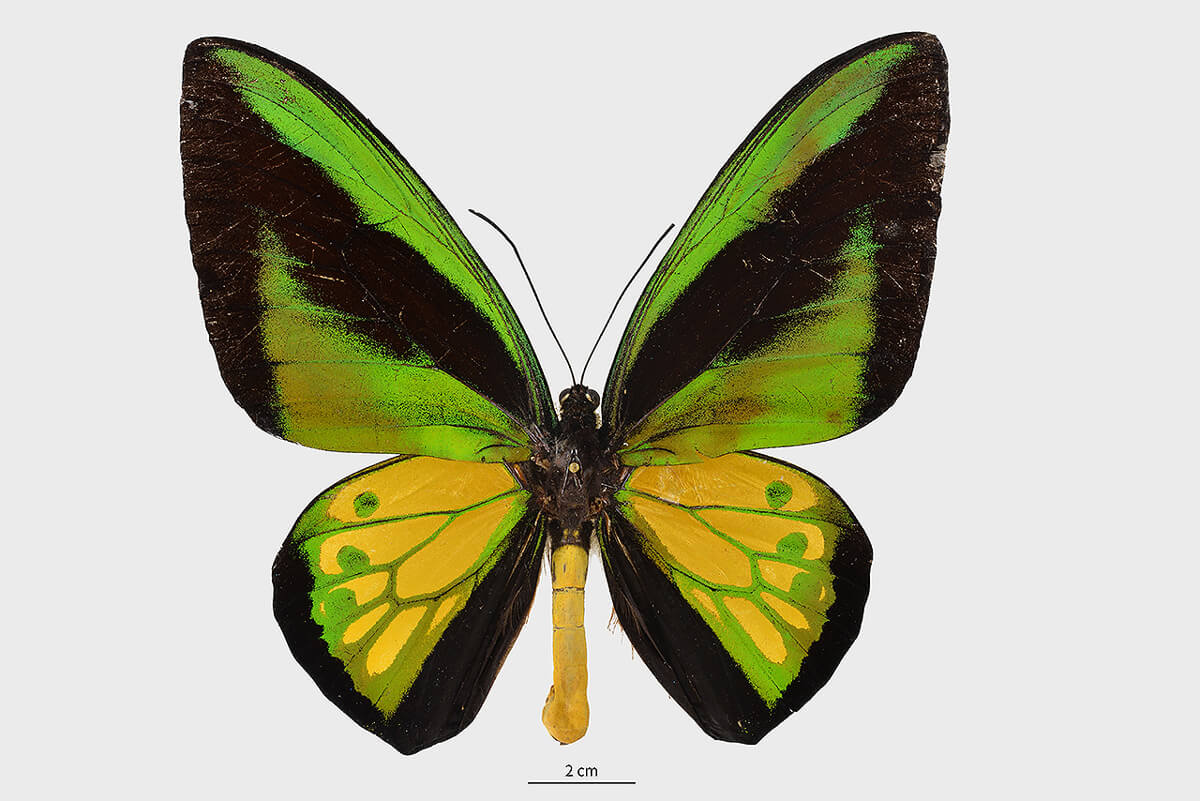
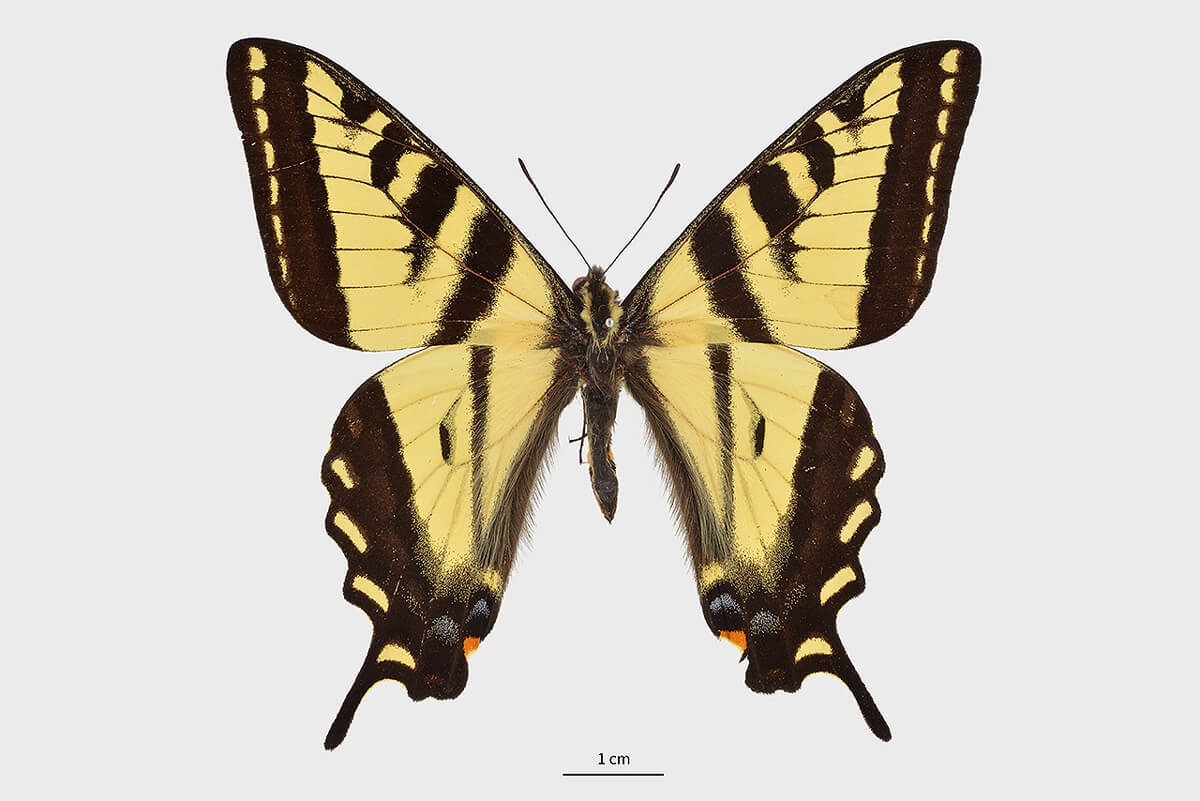
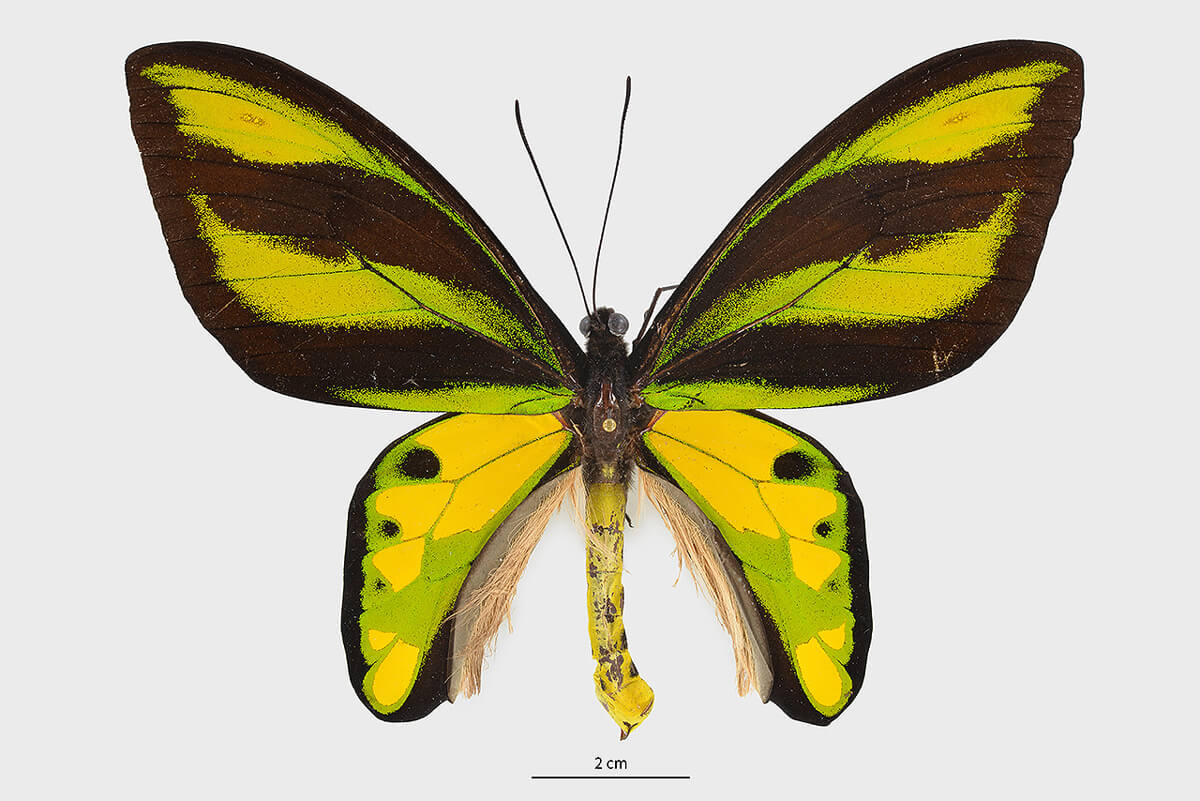
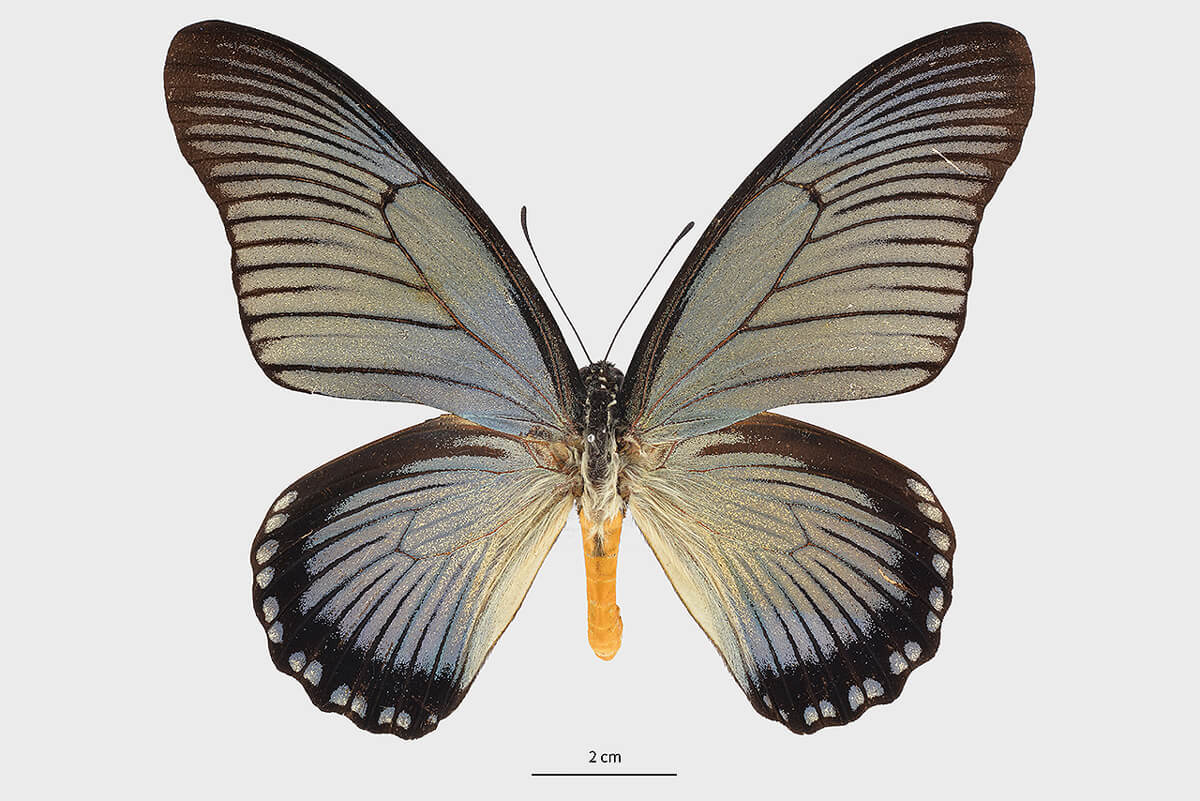
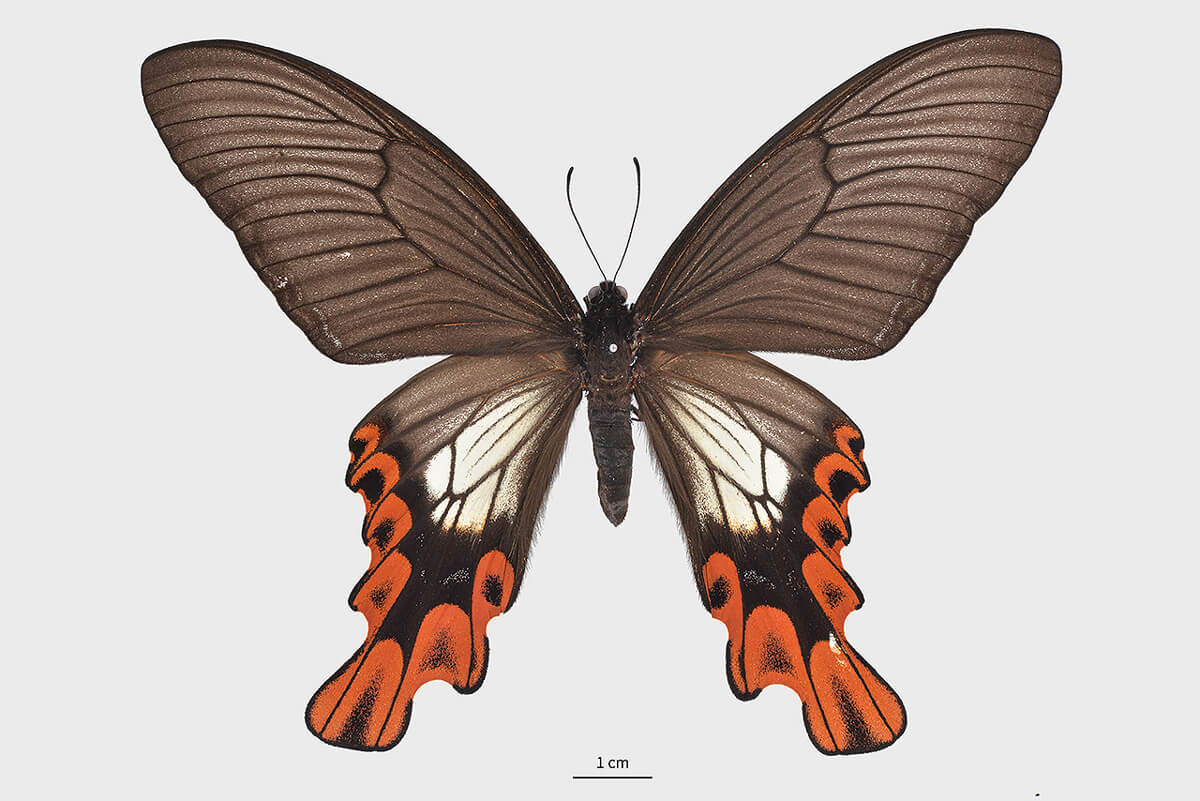
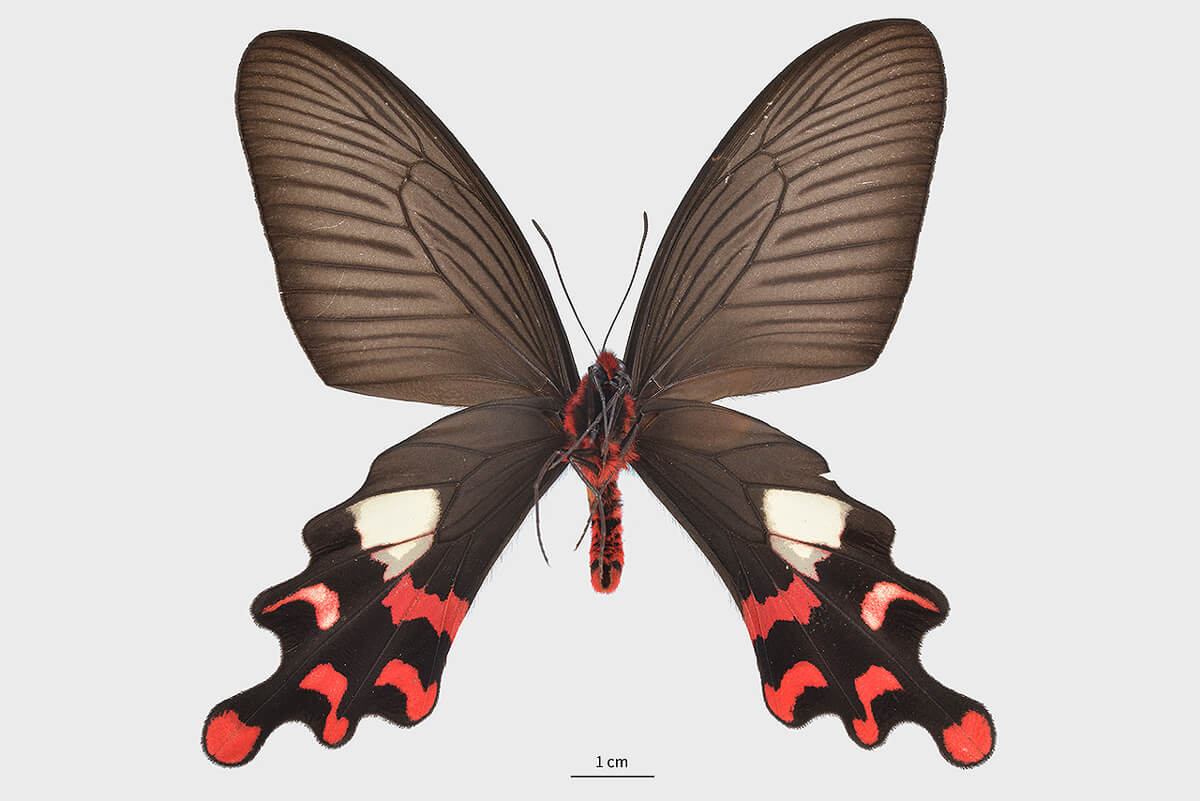
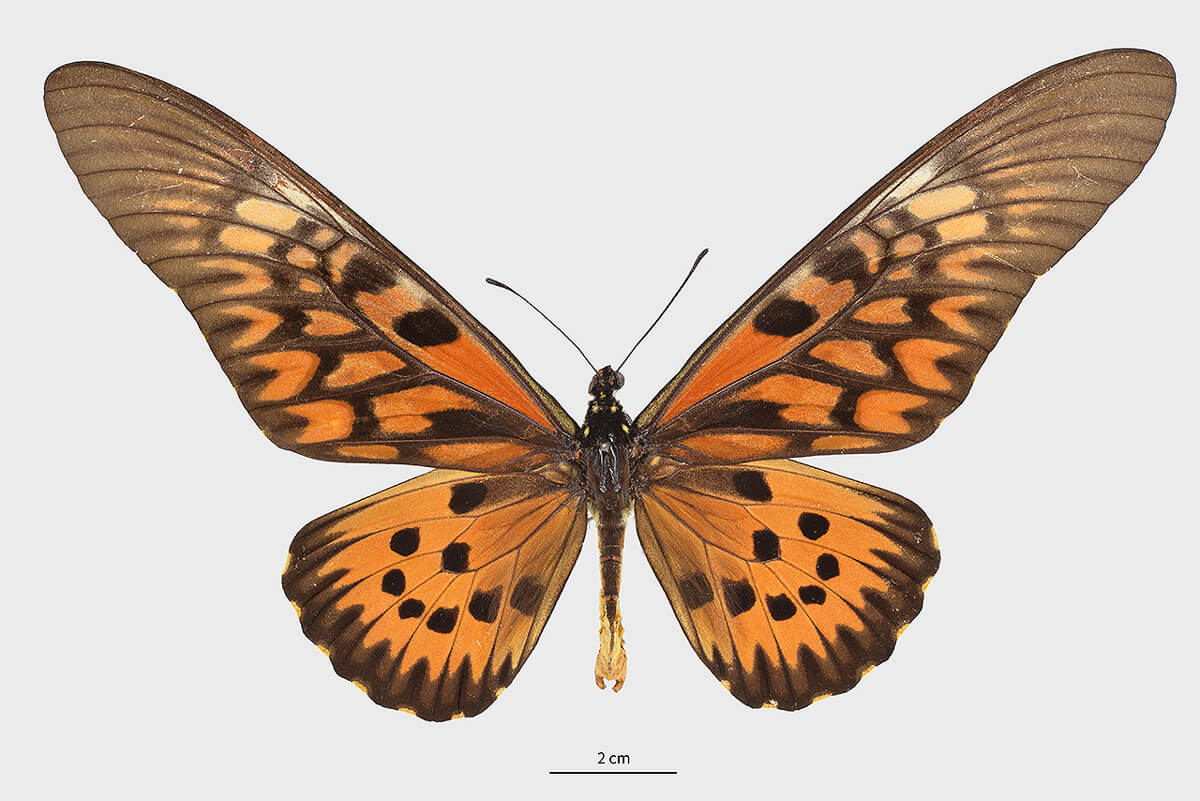
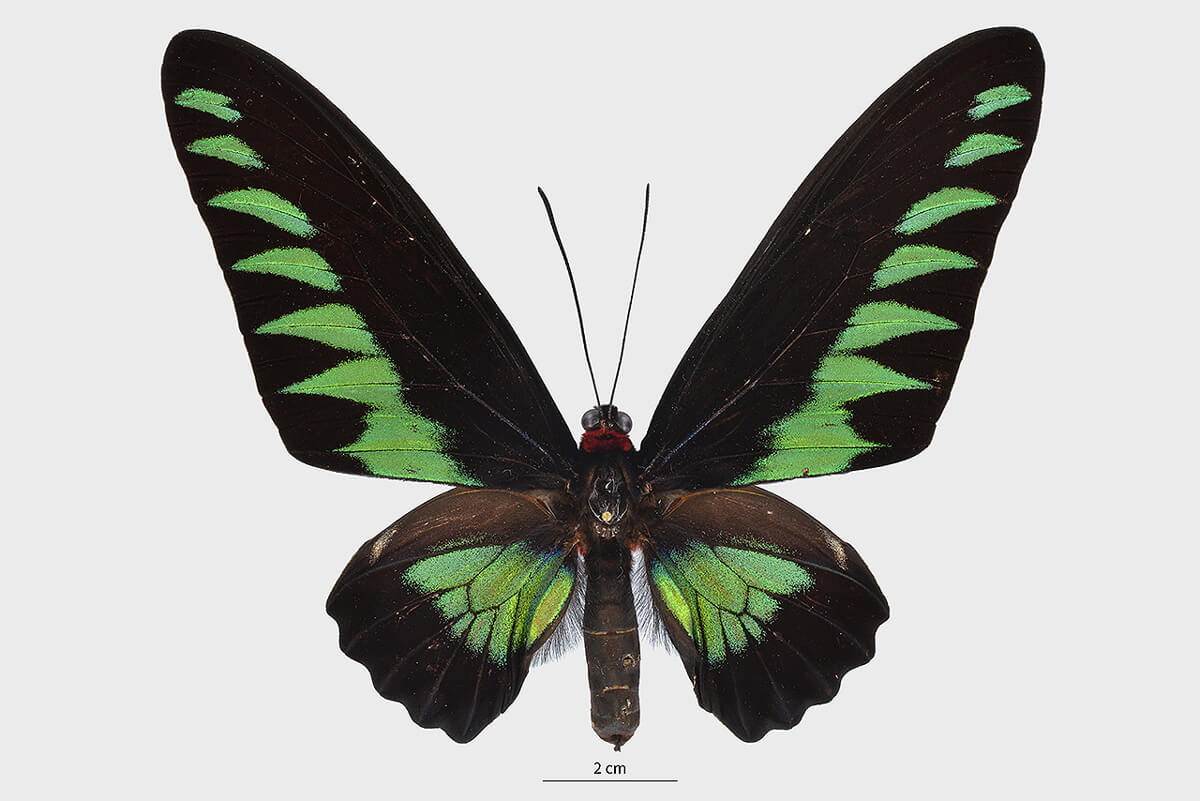
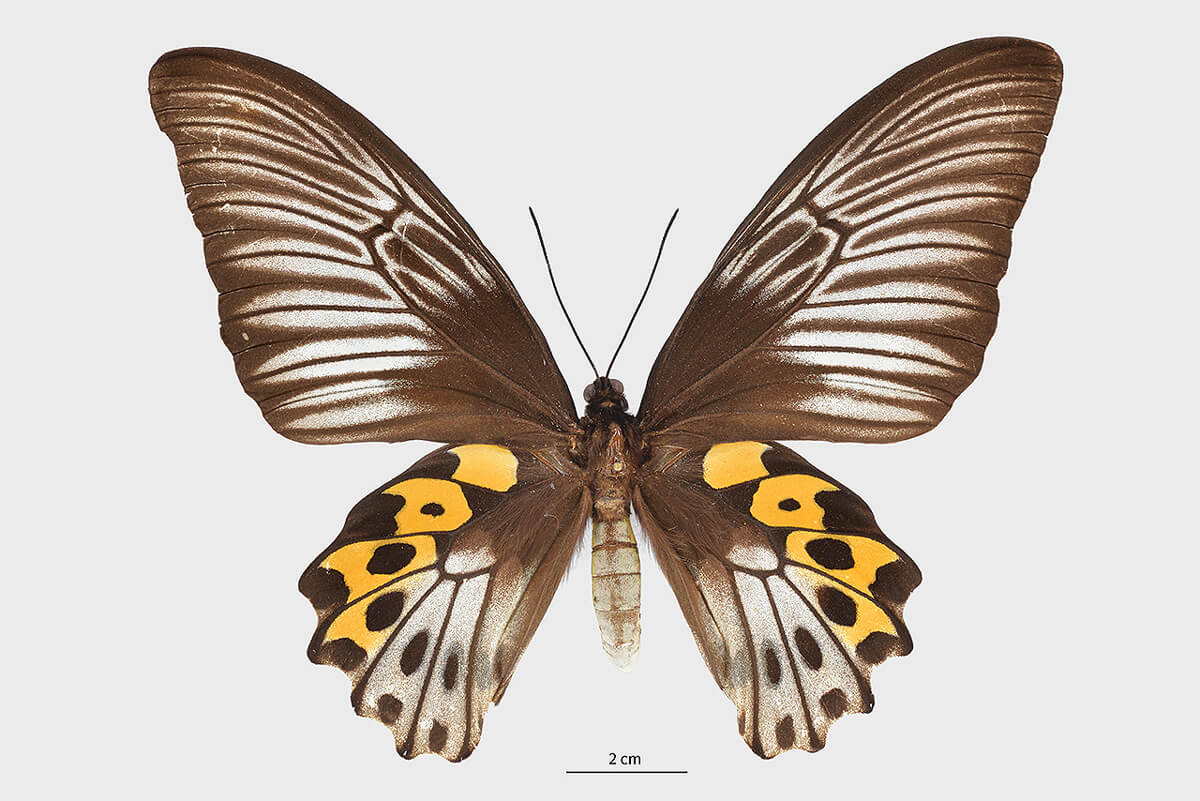
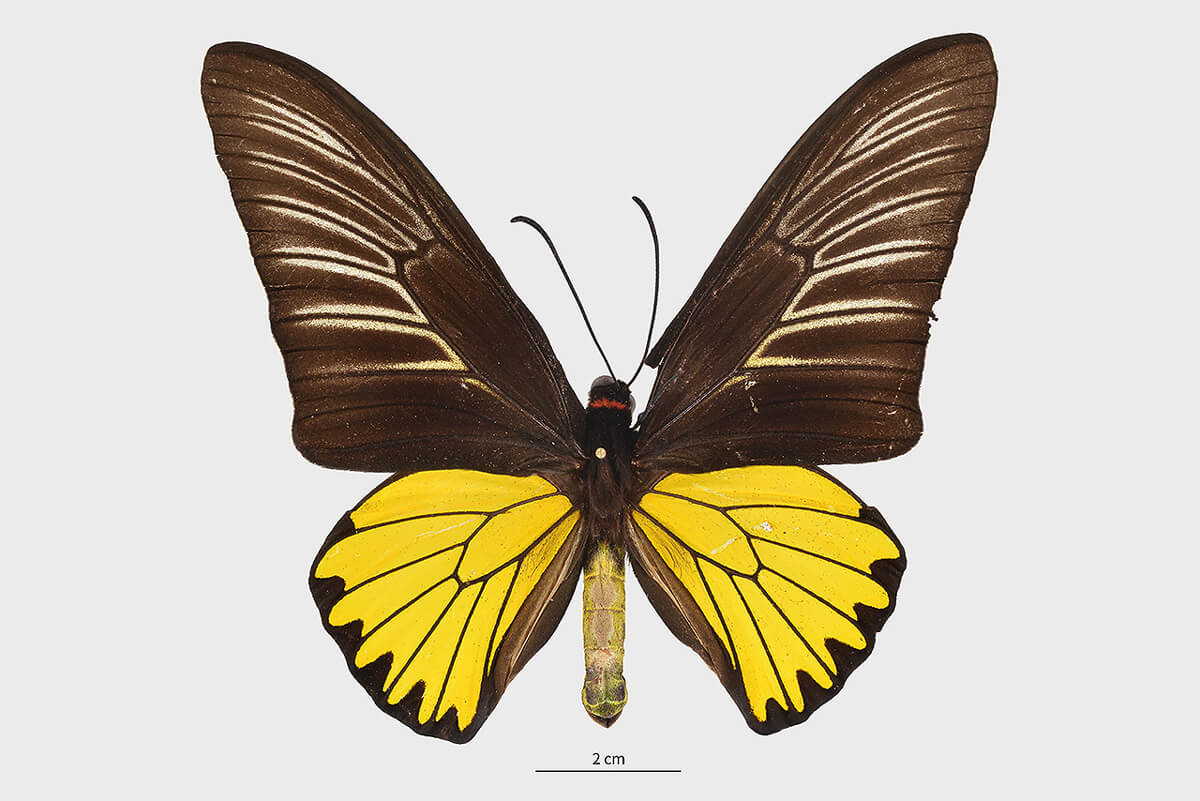
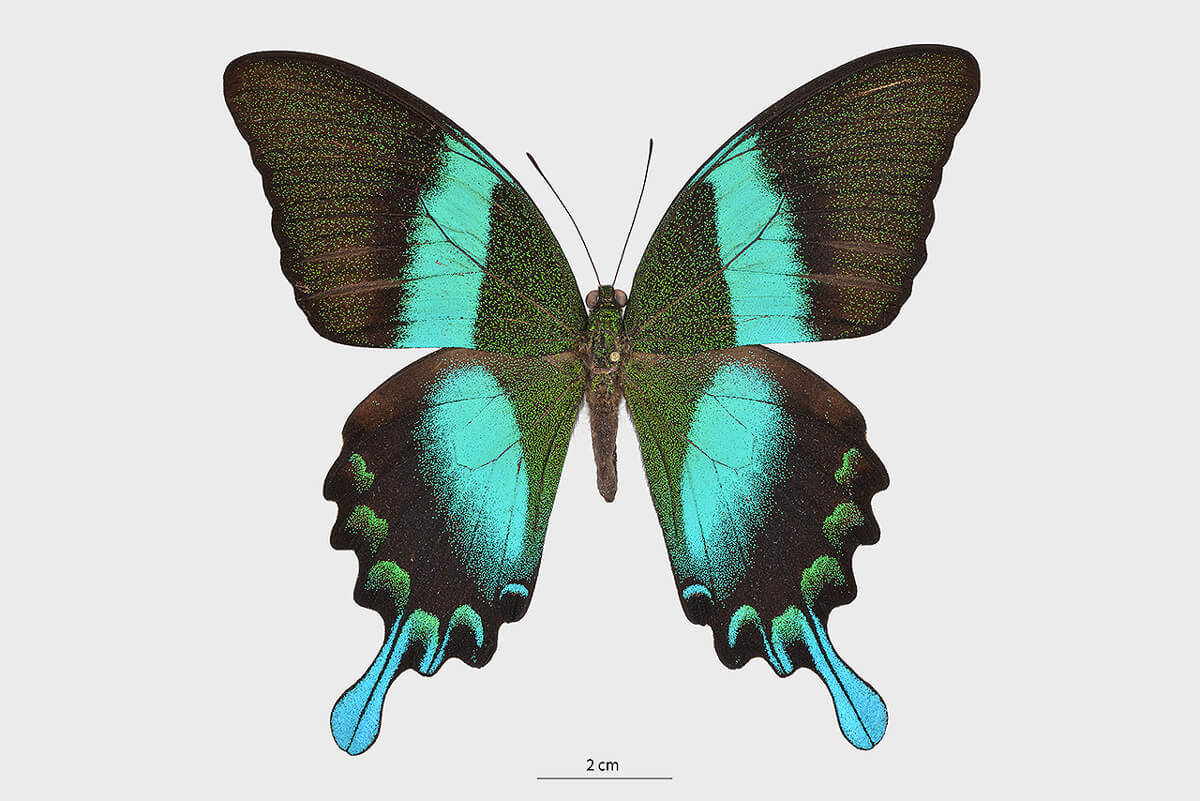
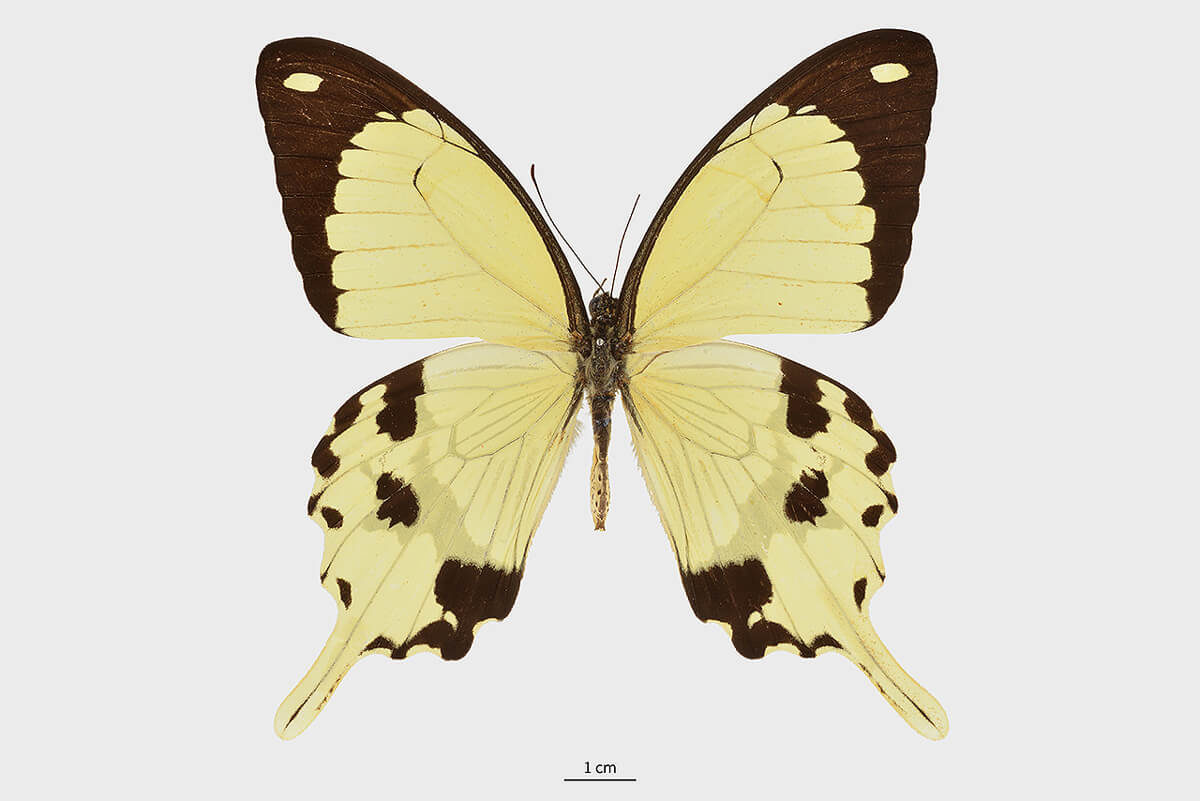
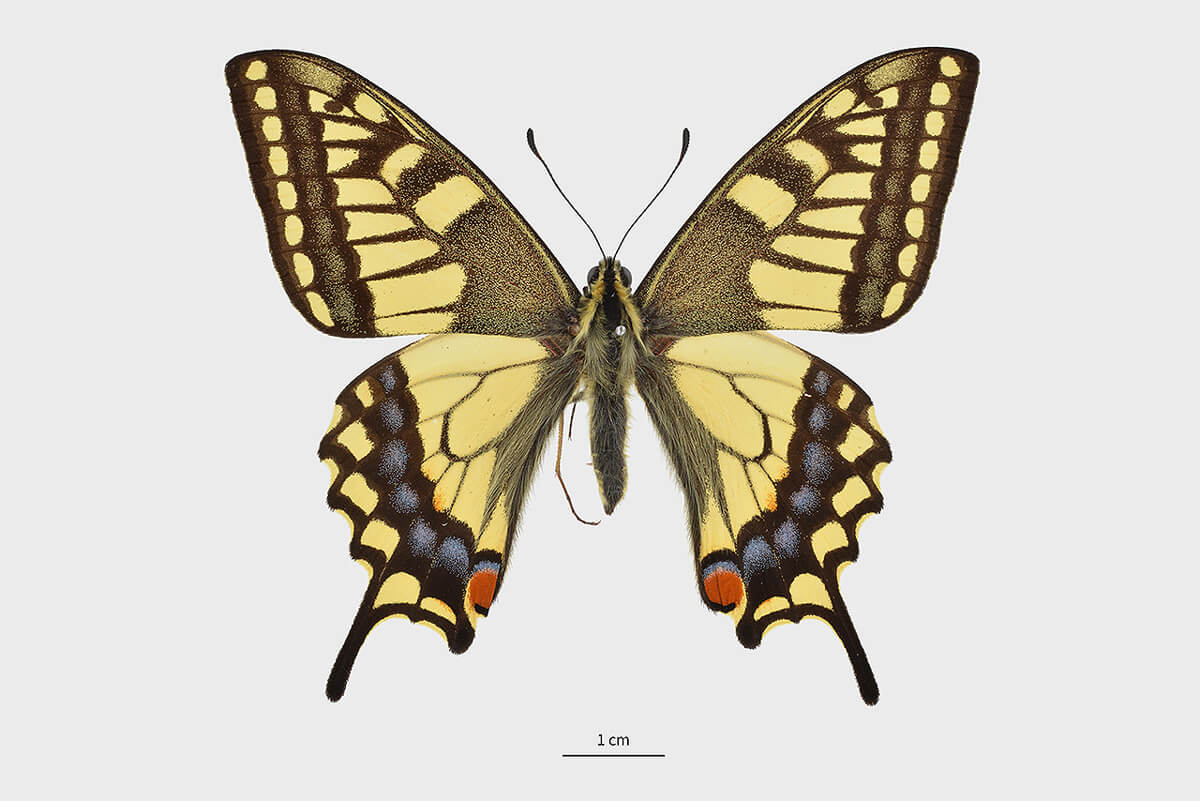
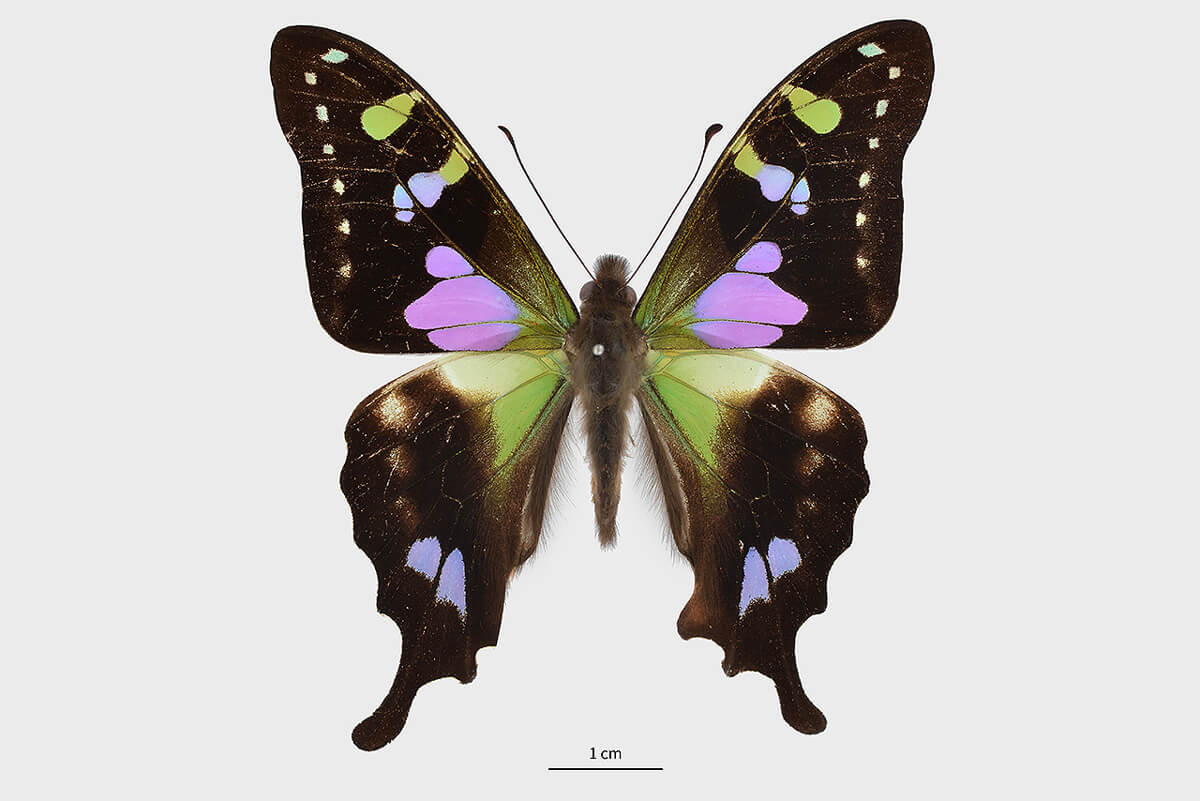
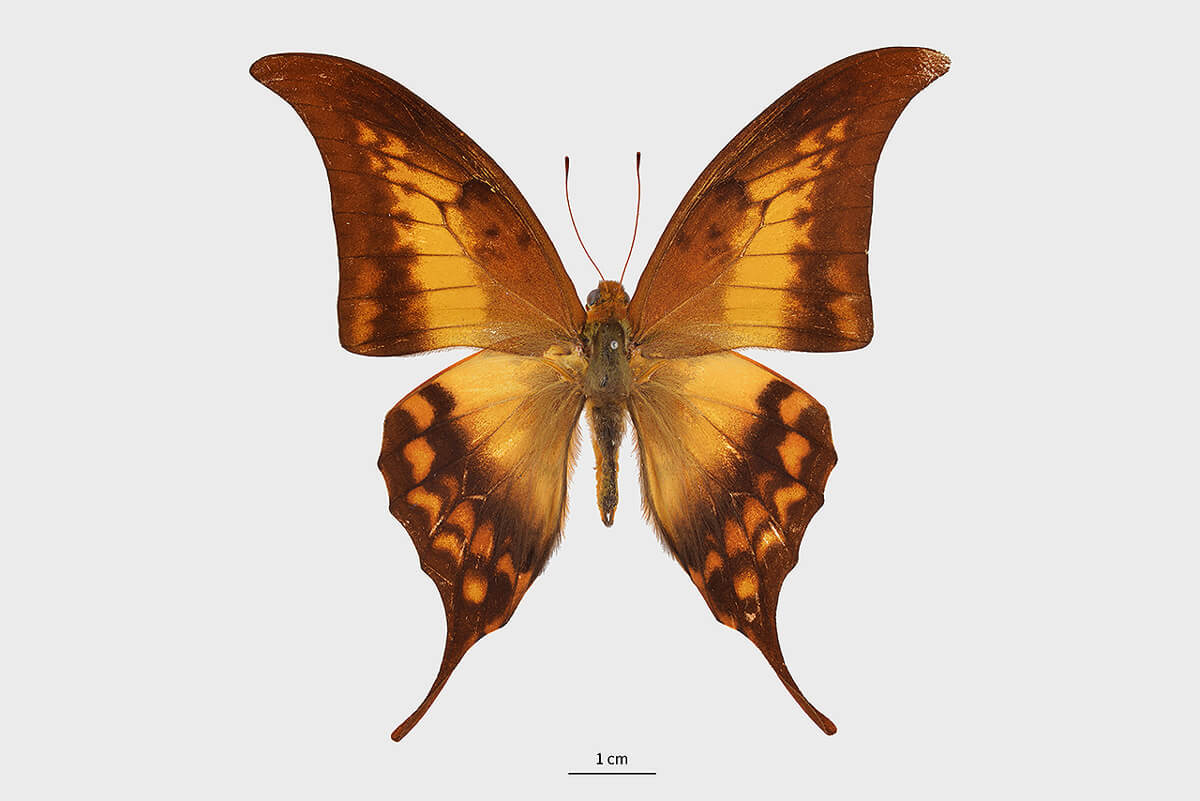
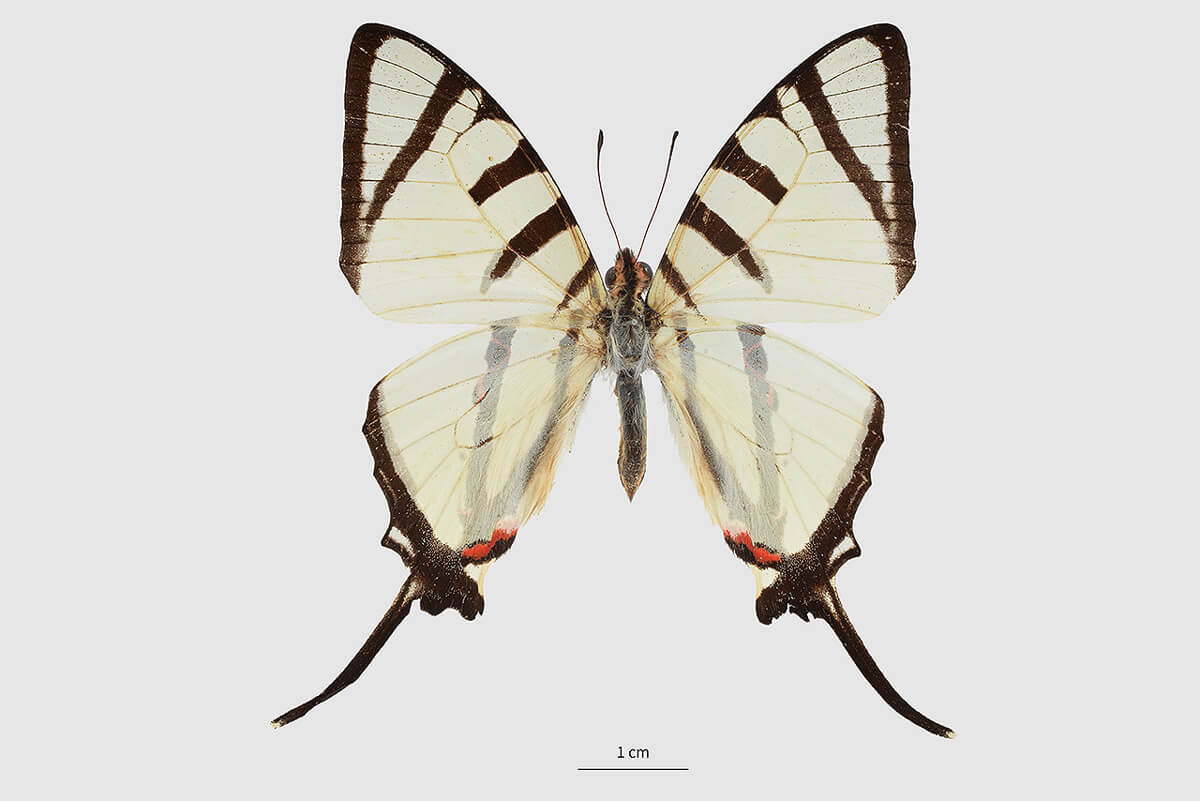
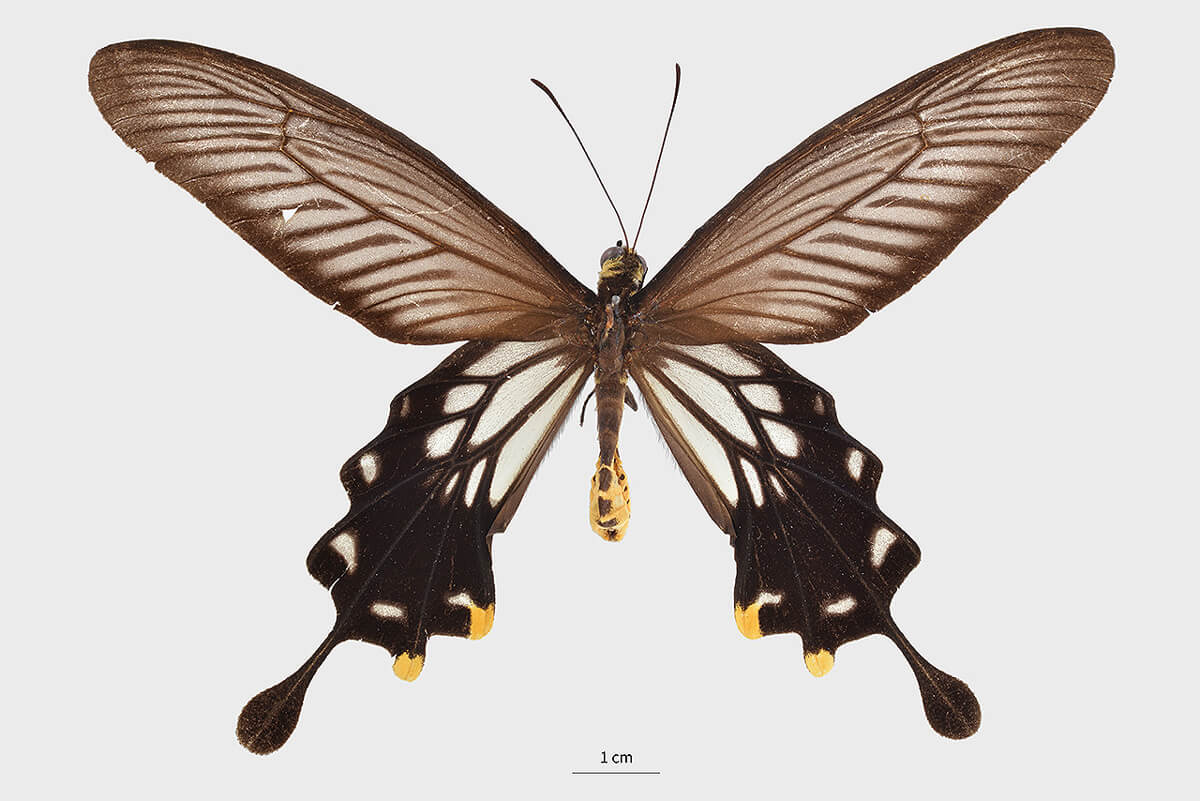
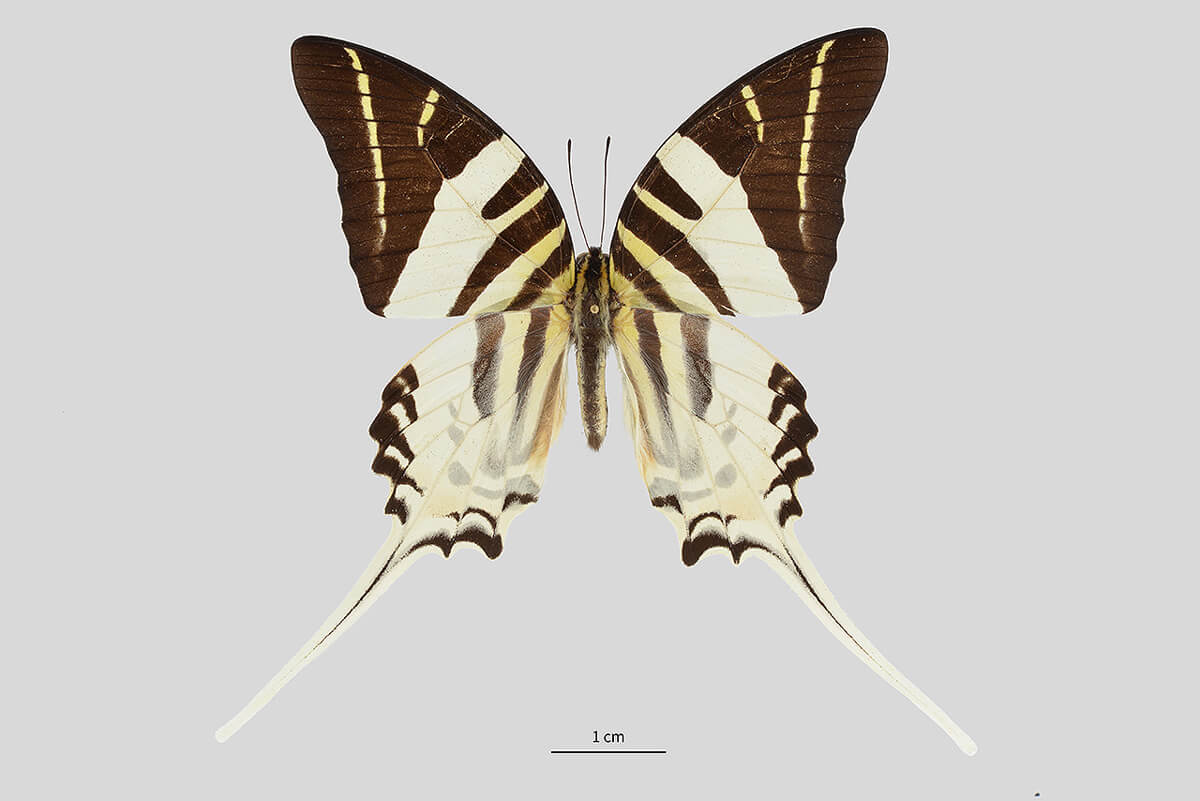
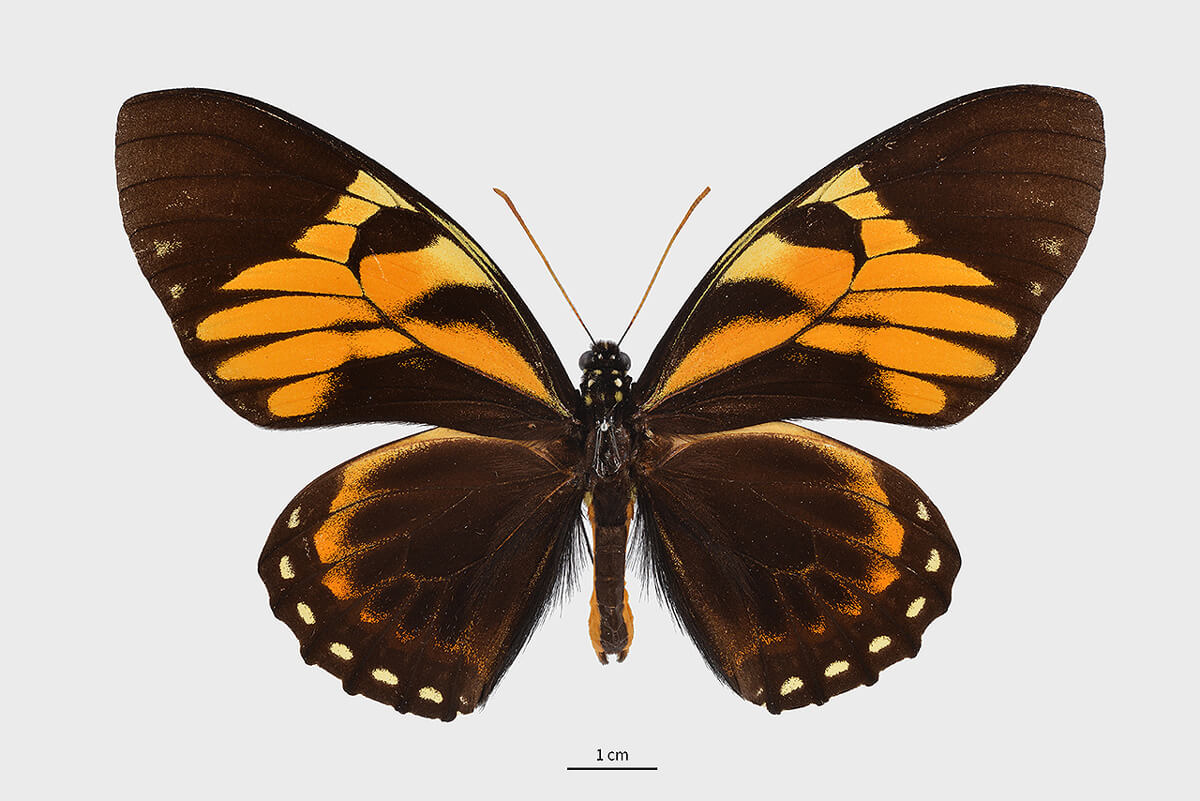
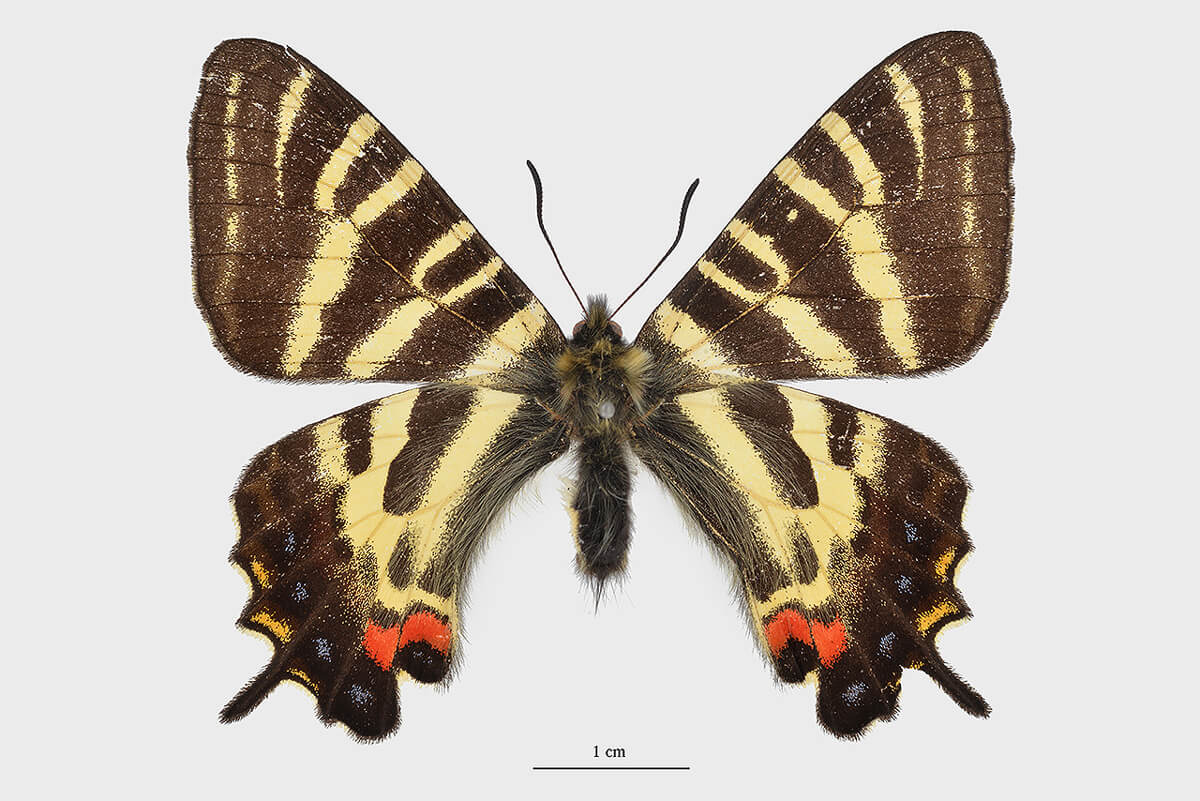
In this online exhibition are introduced 30 species of butterflies from around the world, representing various zoogeographic regions. Among them, the majority are from the Oriental realm (also known as the Indomalayan realm)-Australasian realm. The story of the birdwing butterflies (Ornithoptera, Troides, Trogonoptera), which include some of the largest butterflies, is also presented. They began to evolve during the Late Oligocene (around 28 million years ago). In the Late Miocene-Pliocene (11.62-2.55 million years ago) they underwent rapid adaptive radiation, speciation, and colonization in the islands of Wallacea with recent dispersal to the Indomalayan realm west of the Wallace Line. The impacts of the warming event of the Miocene and current global climate changes on these vulnerable birdwing butterflies are explained. There is another story about the broad-tailed swallowtail, which is endemic to Taiwan. Its ancestors diverged from the subgenus Pterourus, which was endemic to the Americas, entering Asia via the Bering (Strait) land bridge 18 million years ago. From the Late Oligocene to the Early Miocene (28.1-15.97 million years ago), the climate was warm and mixed conifer and broadleaved forests developed at high latitudes, enabling these organisms, which are reliant on plants, to disperse between two continents across the Bering Strait. In addition, the genus Parnassius, which has adapted to cold environments, began to diverge in the Early Miocene. After undergoing adaptive radiation in the Mid Miocene and experiencing dramatic climate change in the Pleistocene, nearly 50 species have evolved to date.
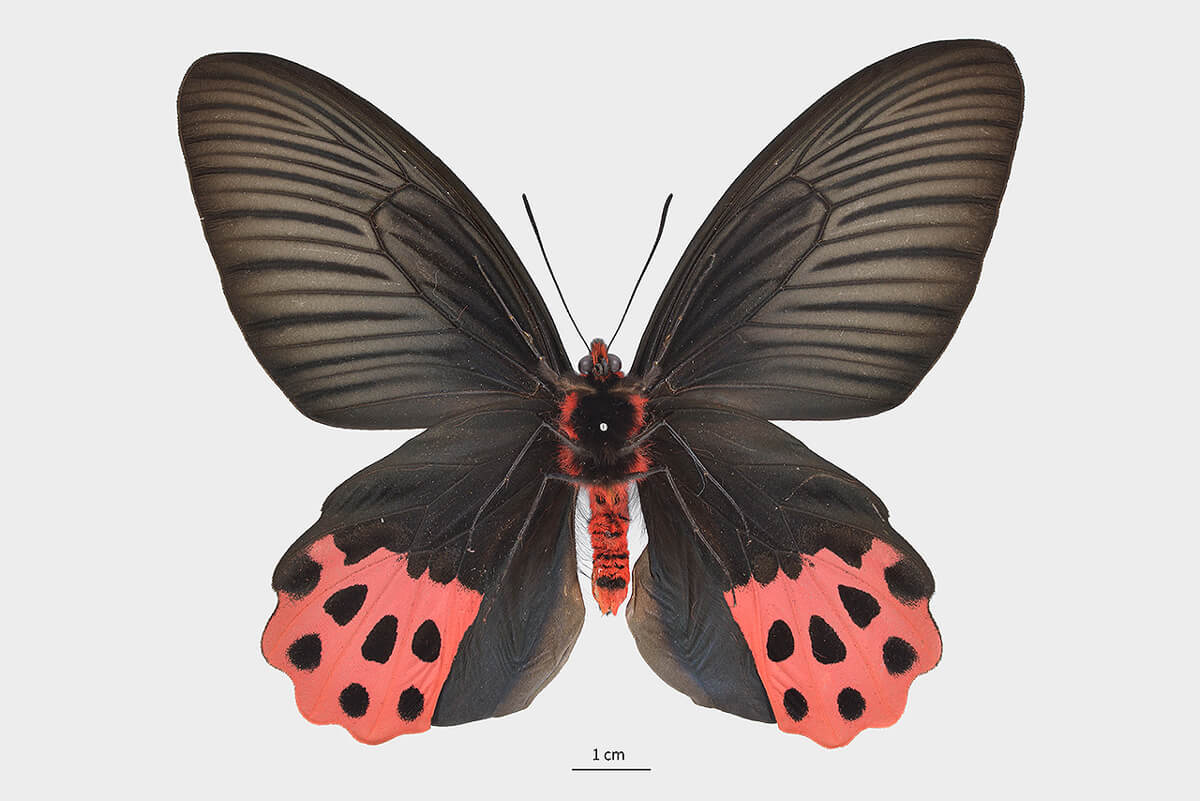
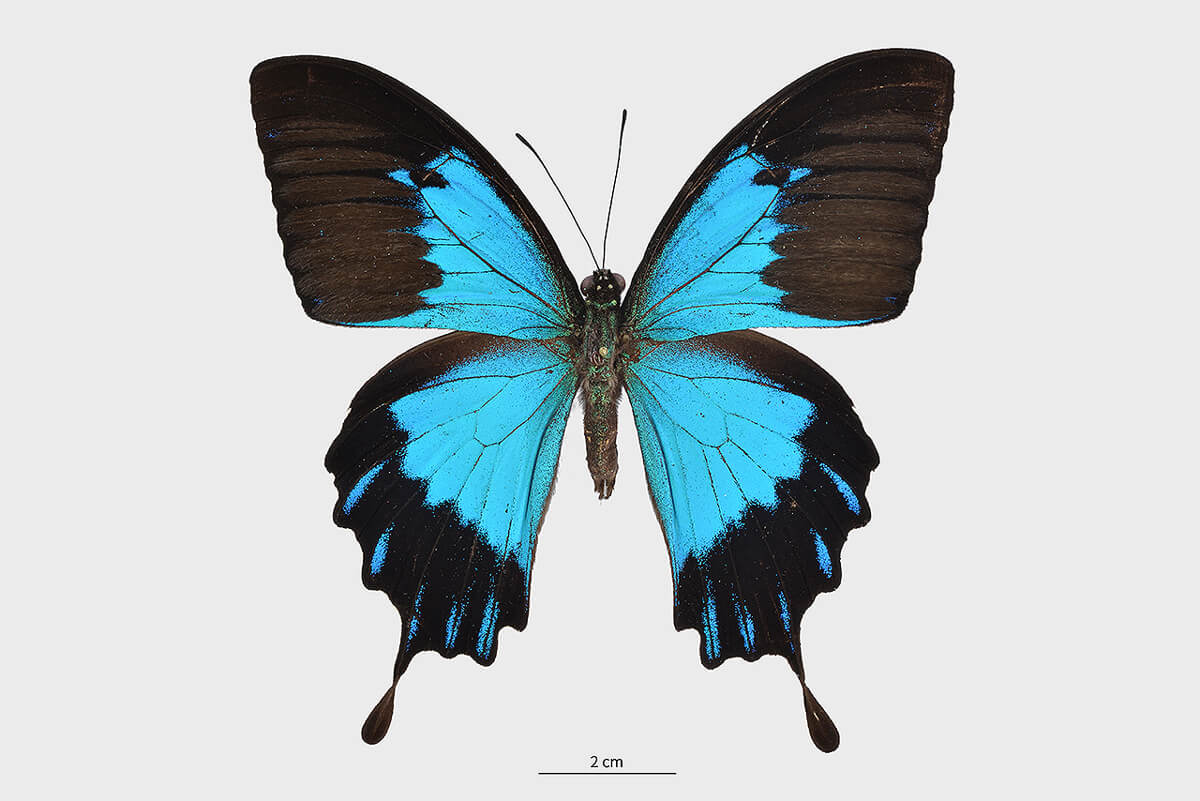
There are many rare butterfly species in this online exhibition, which are used to introduce the beauty and diversity of butterfly morphology and species. Through geological history and paleoclimatology, their evolutionary history and current distributions can be better understood.