Millennium Pottery Techniques
Central Taiwan is an important area for archaeological research. There are currently more than 200 known sites, distributed along coastal plains, the Dadu and Bagua plateaus, Taichung Plain, hilly areas, and high mountain areas. Prehistoric cultures include the Tapenkeng Culture (6,000-4,500 B.P.), Niumatou Culture (4,500-3,000 B.P.), Yingpu Culture (3,000-1,600 B.P.), and Fantzuyuan Culture (1,600-400 B.P.).
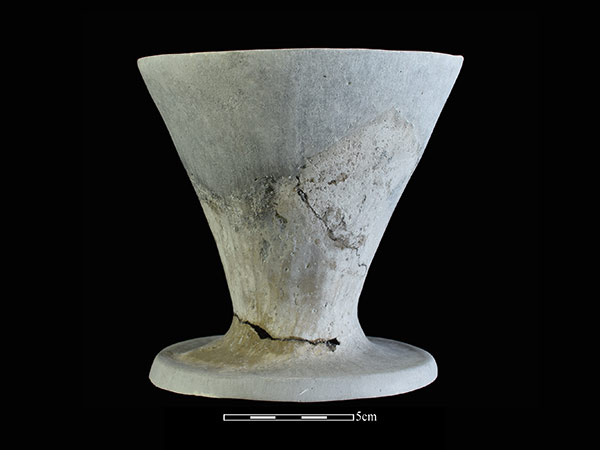
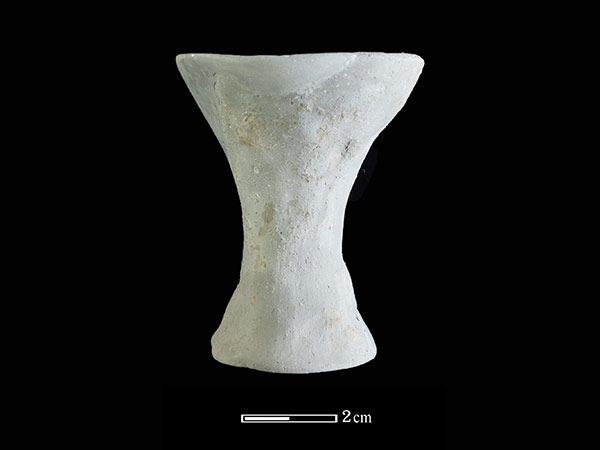
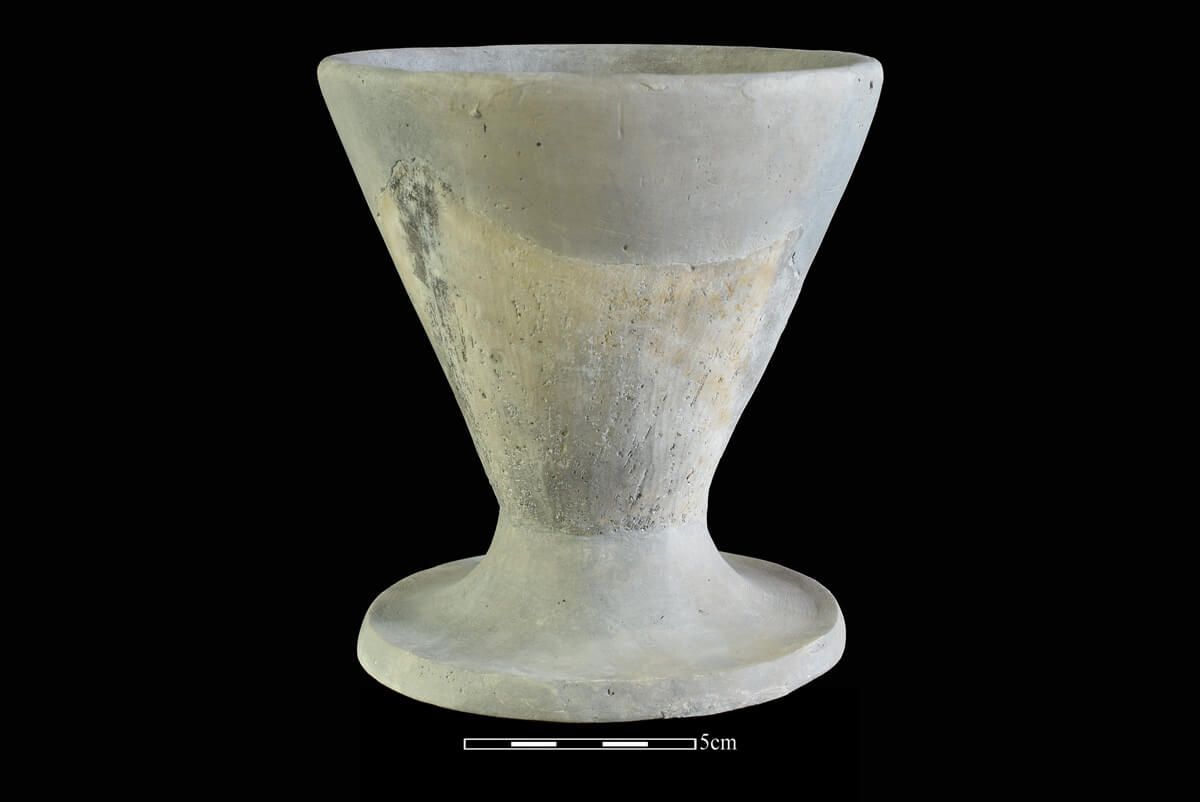
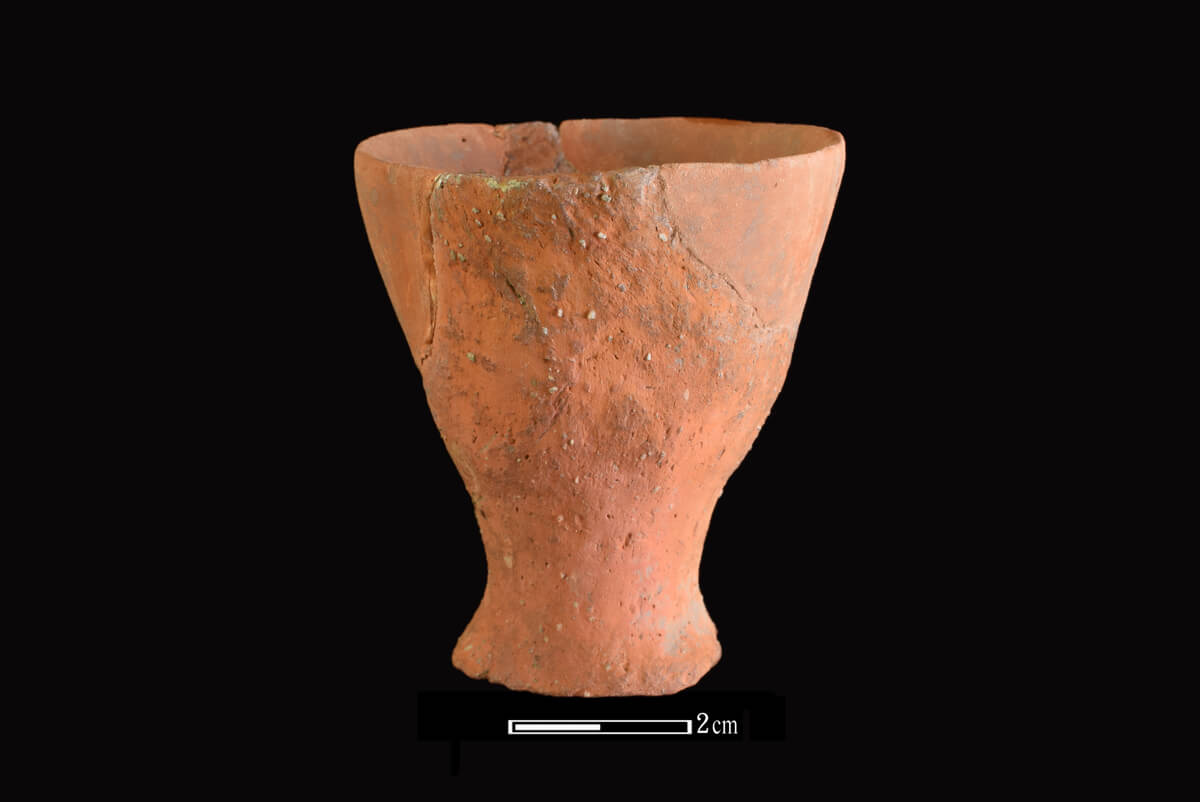
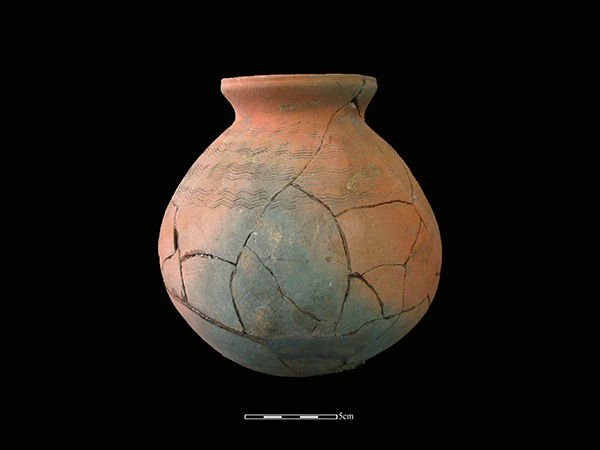
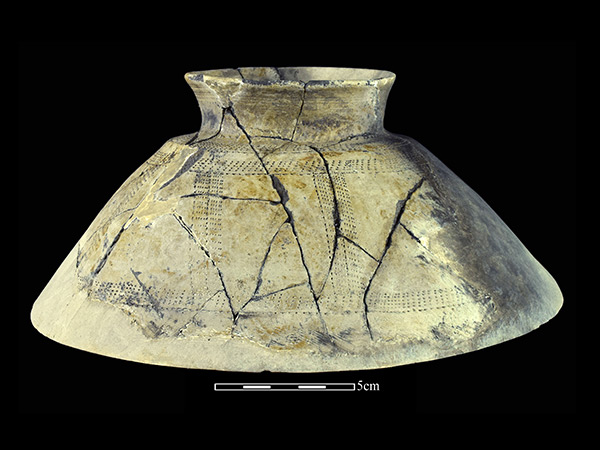
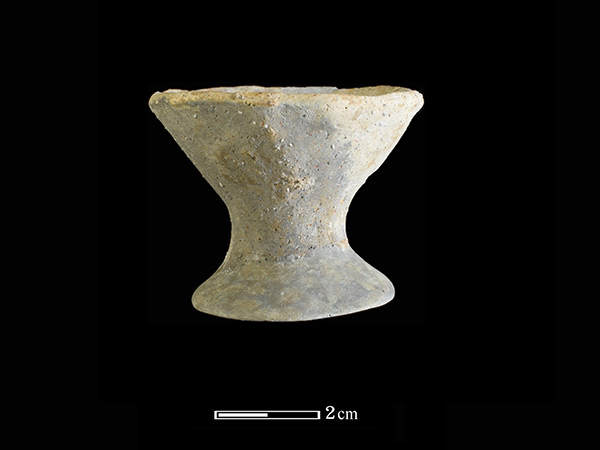
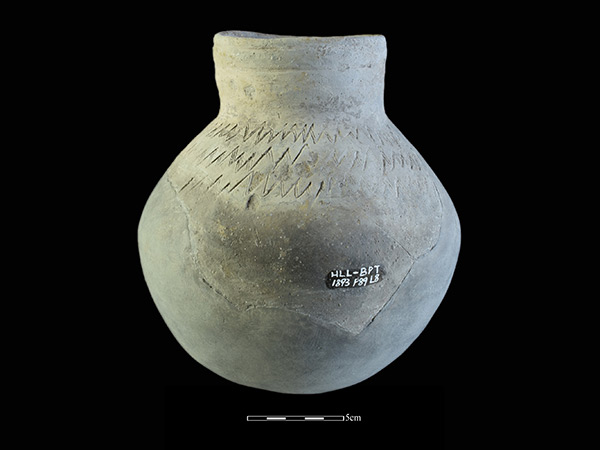
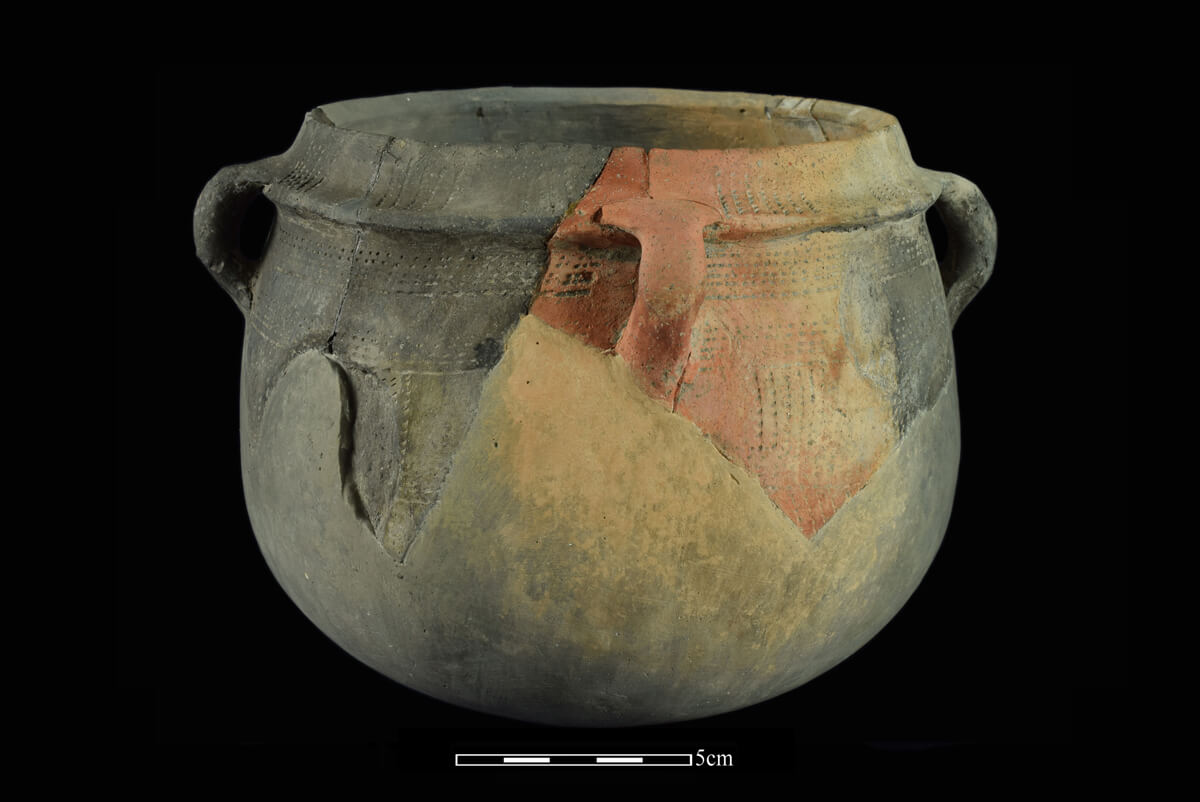
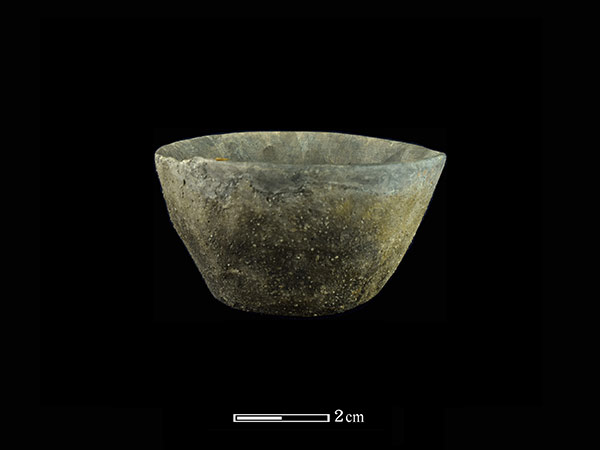
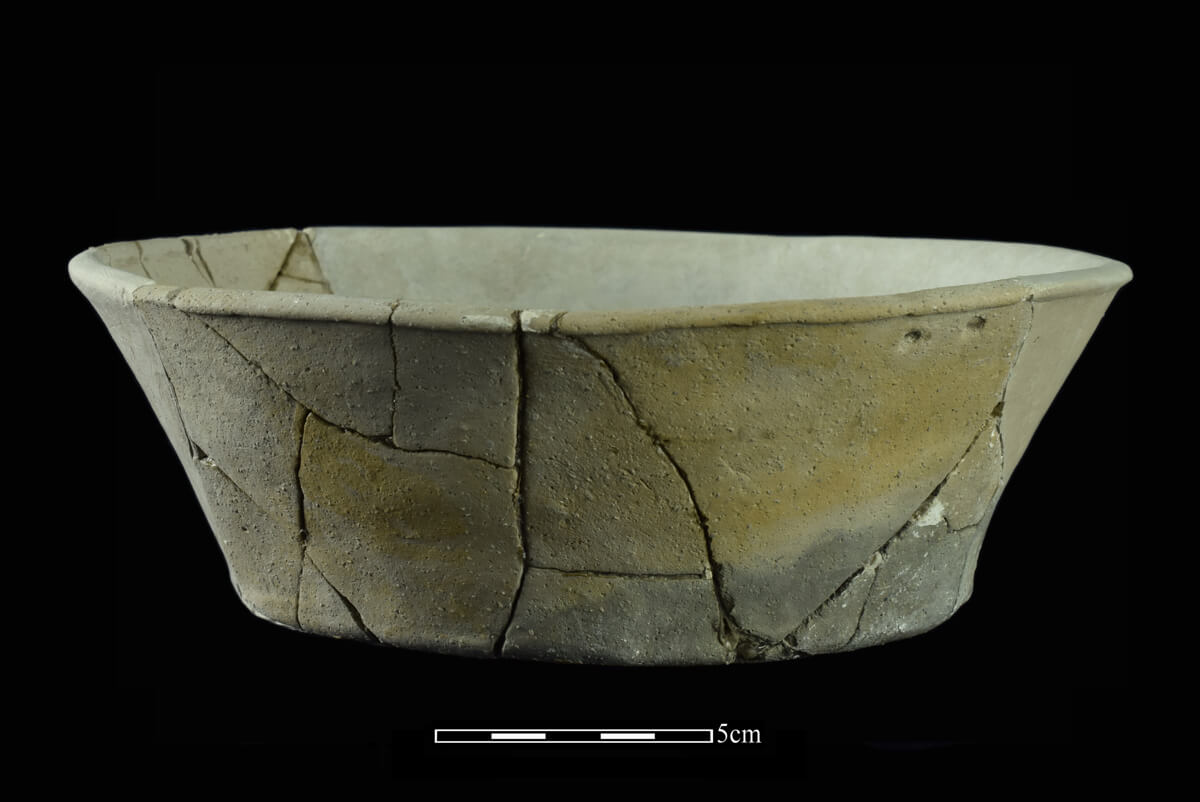
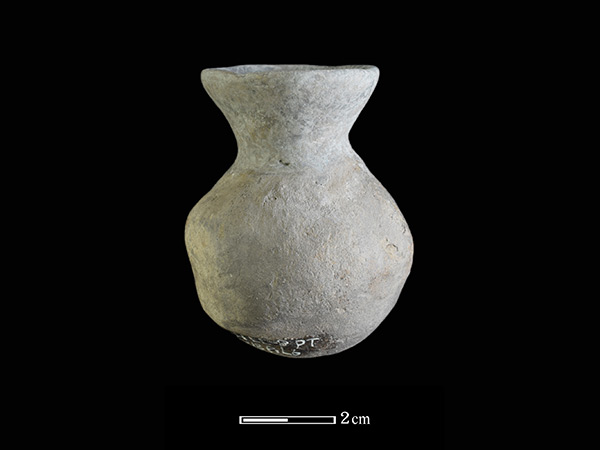
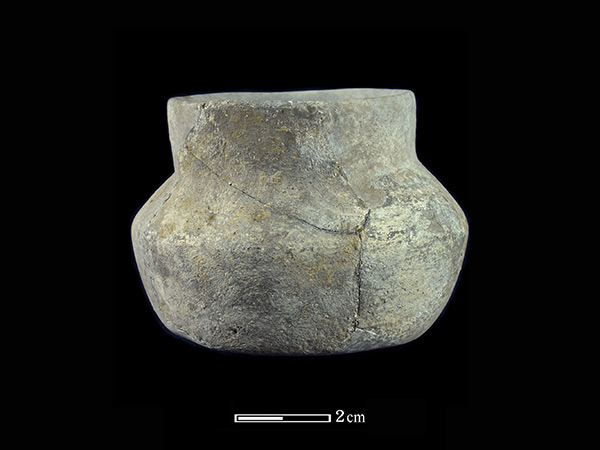
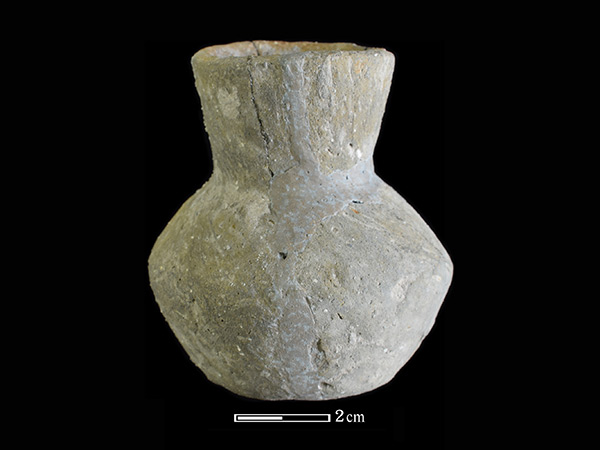
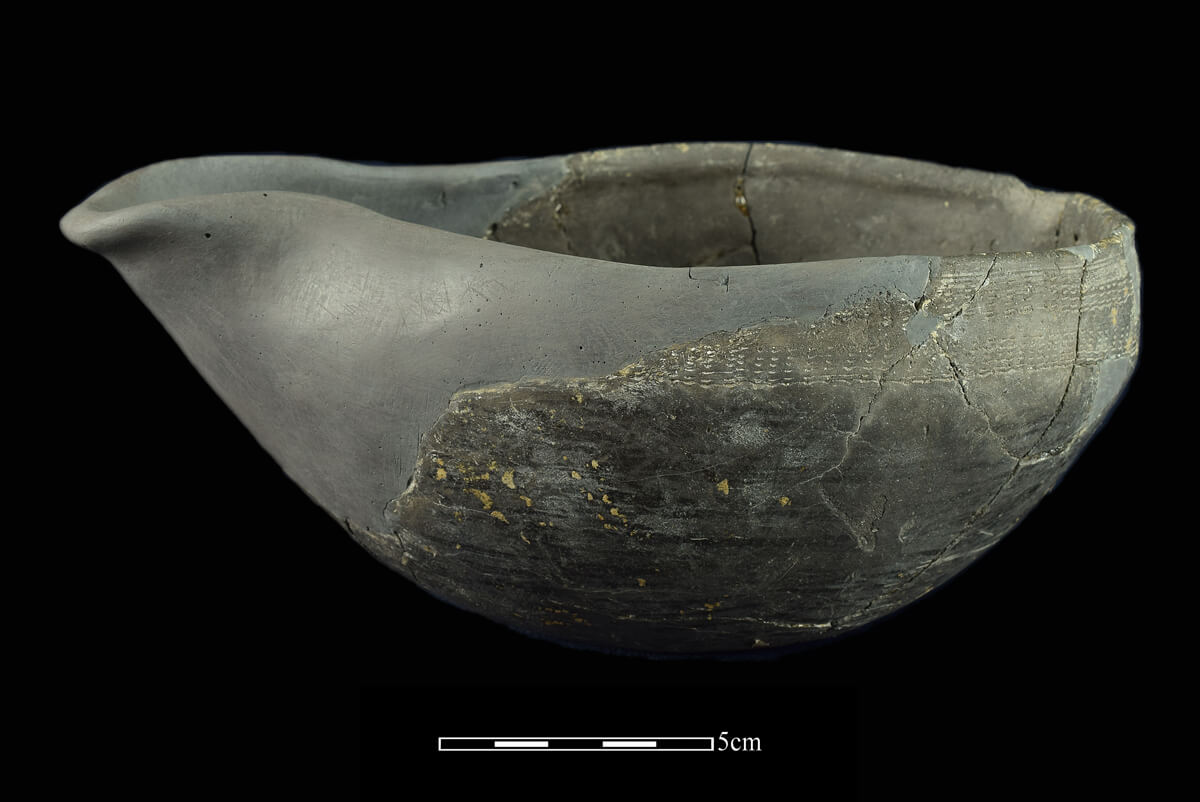
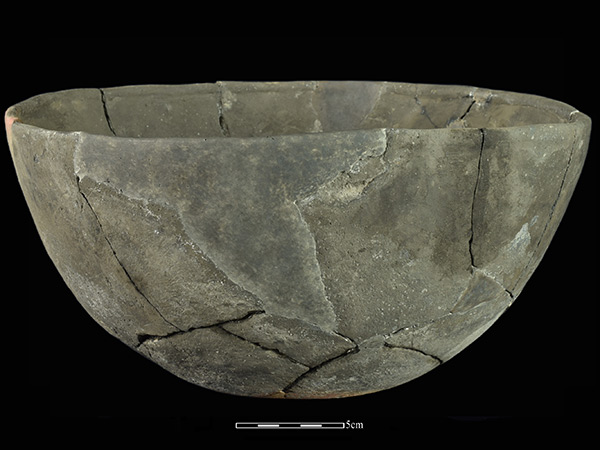
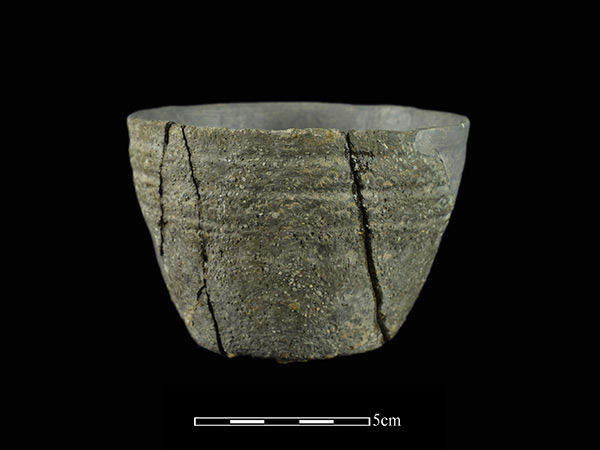
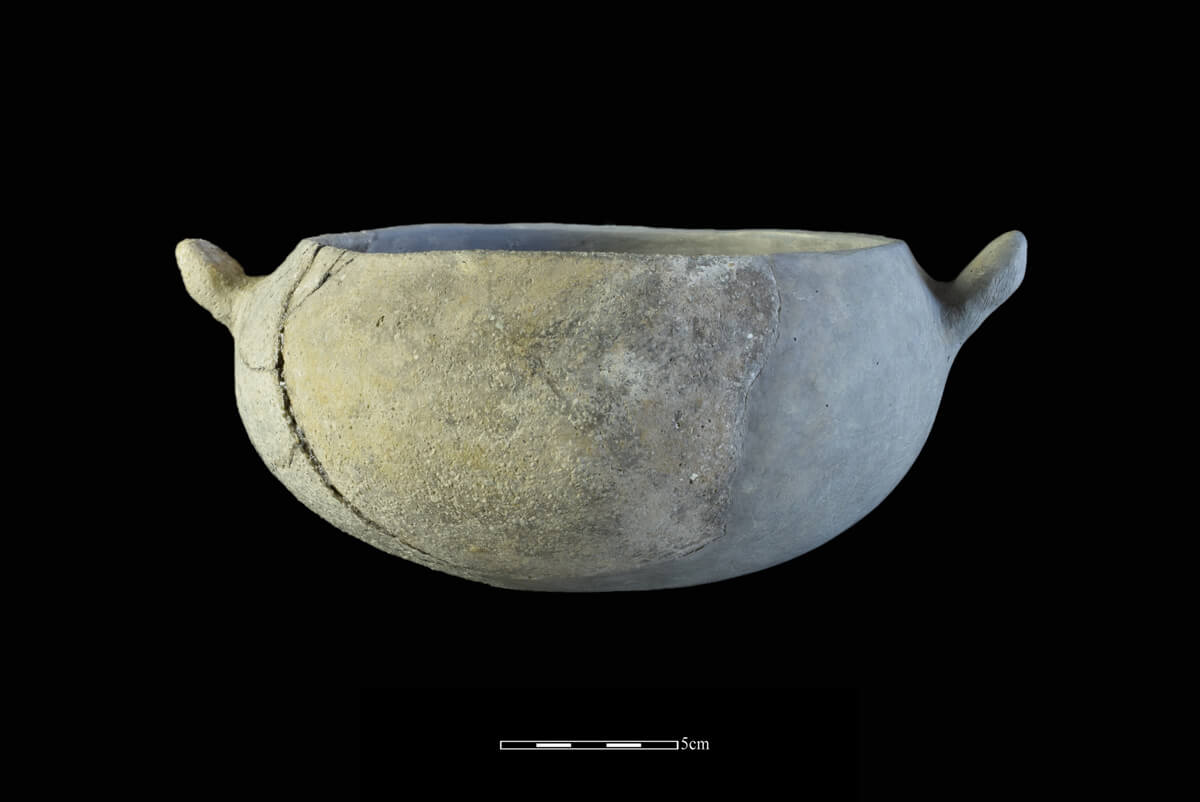
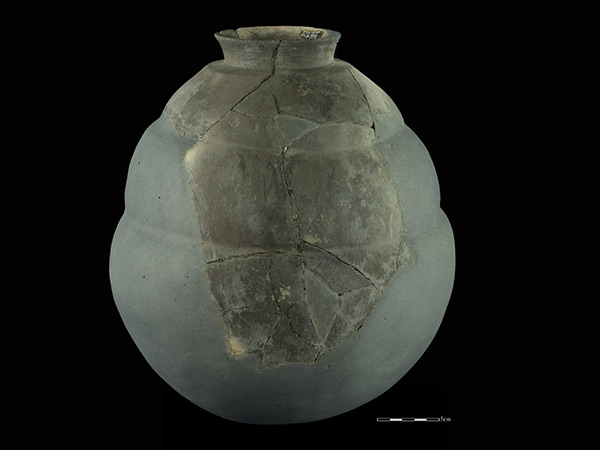
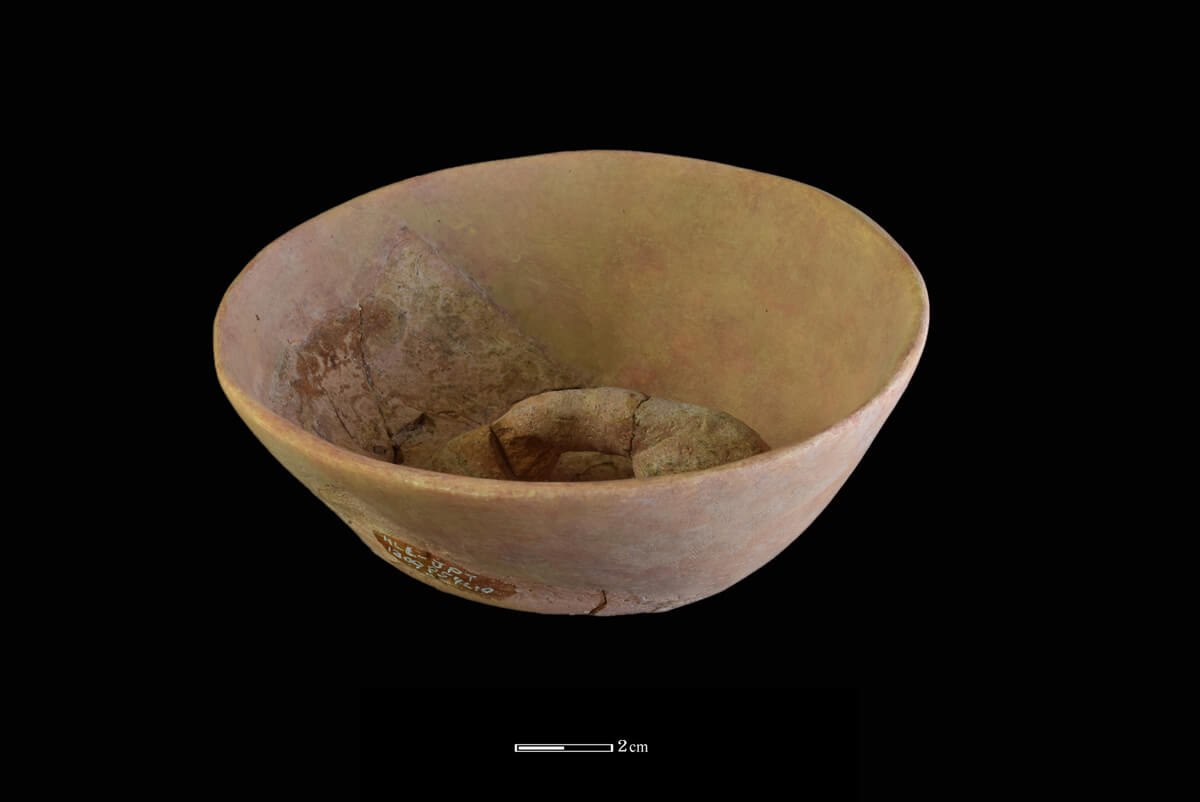
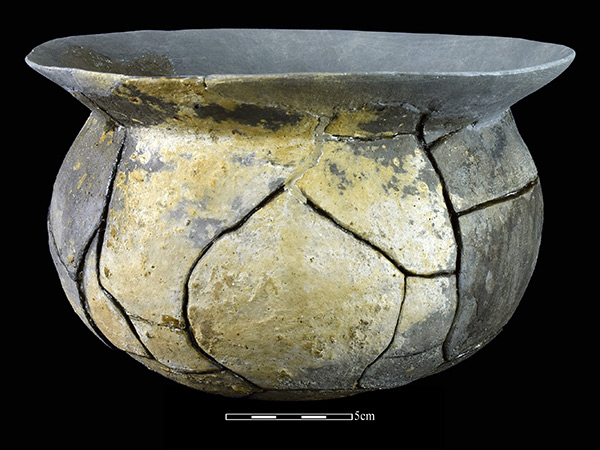
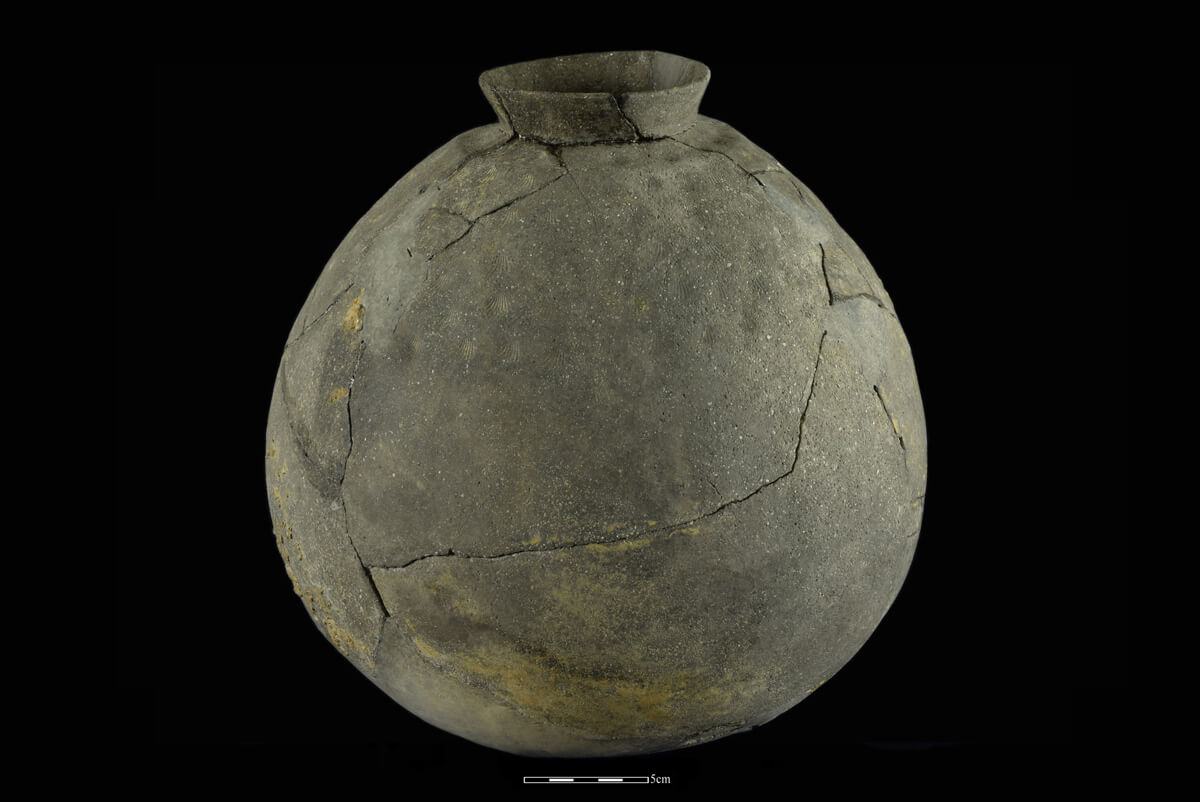
This exhibition showcases the daily use potteryware that played major roles in the Fantzuyuan Culture. The selected artifacts are from the Huilai site in Taichung’s Xitun District and the Machipu site in Taichung’s Nantun District. The Fantzuyuan Culture had entered the Iron Age and had complex and diverse cultural expressions. The burial style was mostly prone burial and the types of relics that have been found include stone tools, pottery, ecological remains, bone and horn tools, and shell mounds. During this period, there were large numbers of trade activities among peoples within Taiwan and with peoples of China and Southeast Asia. Ironware, glass beads, agate beads, deerskins, and other materials were traded.
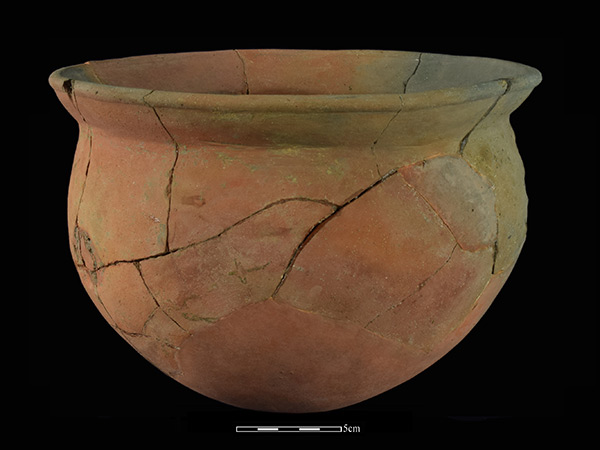
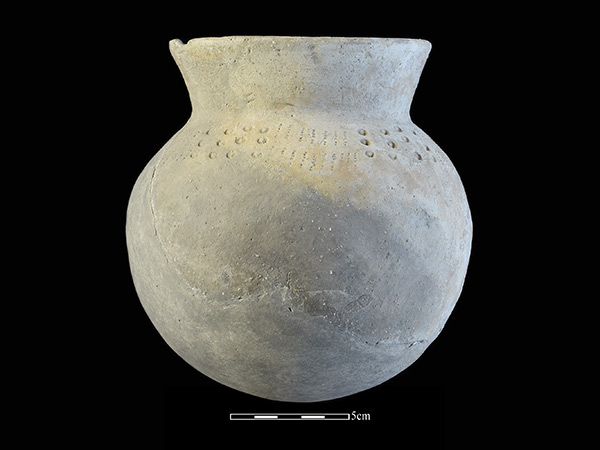
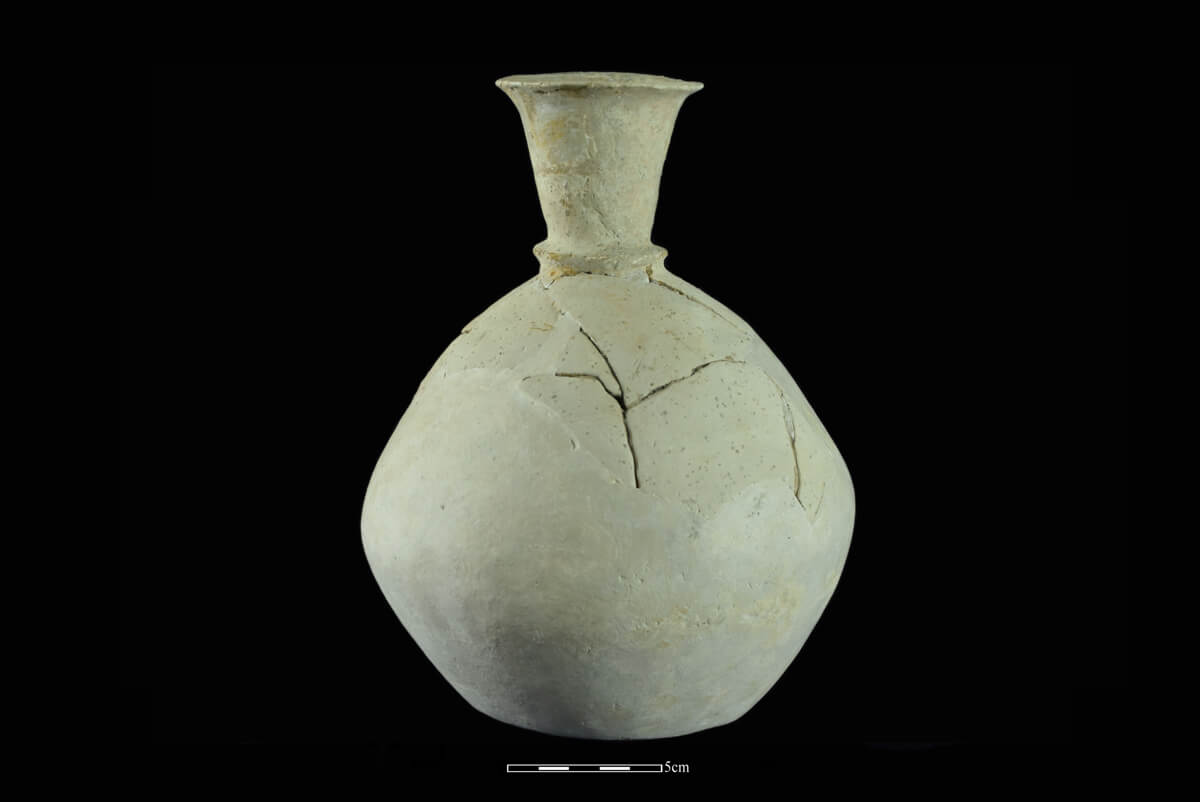
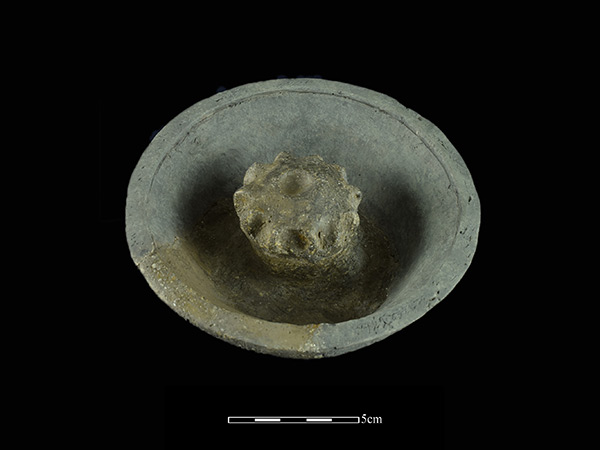
The Fantzuyuan Culture developed sophisticated pottery-making techniques. It produced a diversity of pottery vessels from ash-gray clay that was mixed with sand, including jars, bowls, bottles, basins, ladles, cups, and lids. This culture was well skilled in pottery making and often used tools to impress or imprint continuous or band-like single or composite patterns inside and outside the rim and in the center of the belly. These included puncture, incised, wave, impressed circle, grid, fishbone, dotted, incised comb, and ripple patterns, which reveal the outstanding craftsmanship of artisans thousands of years ago.