Begonias
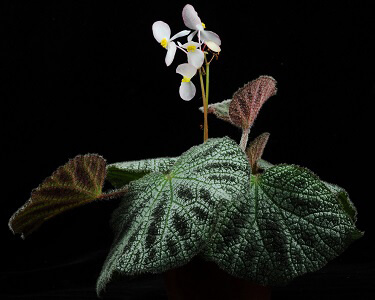
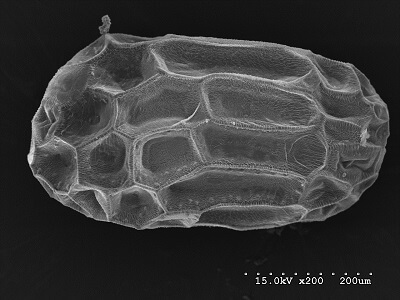
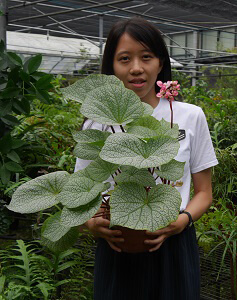
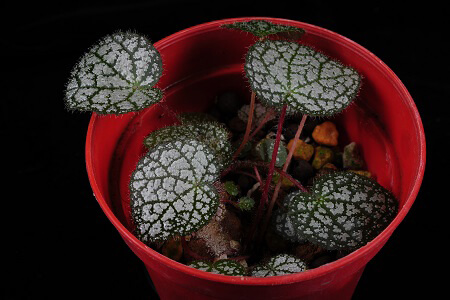
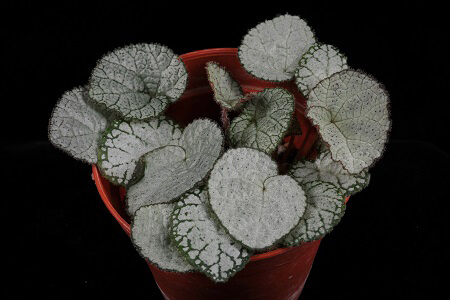
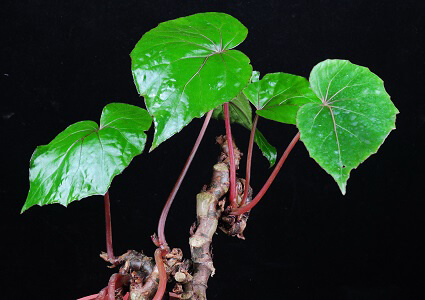
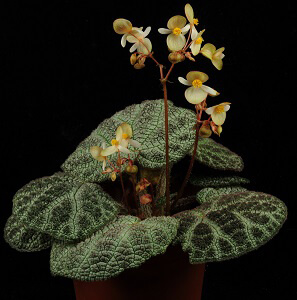
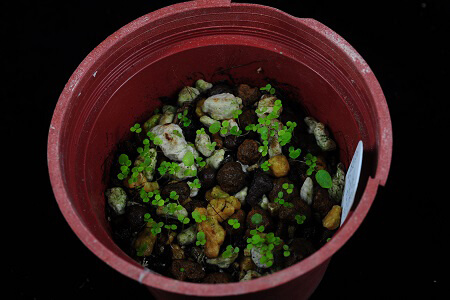
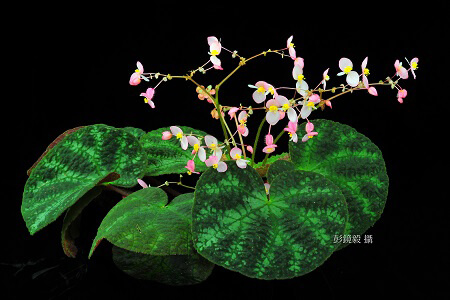
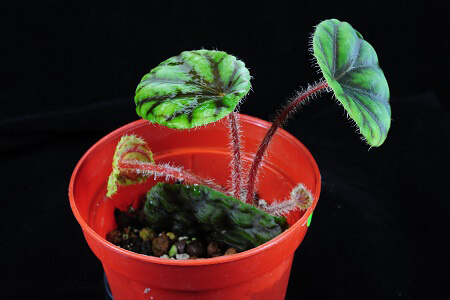
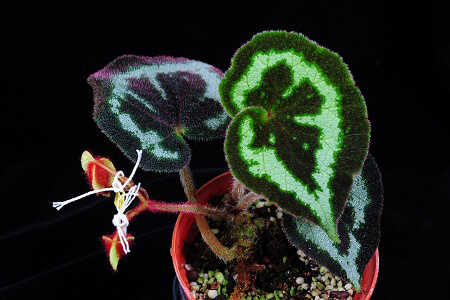
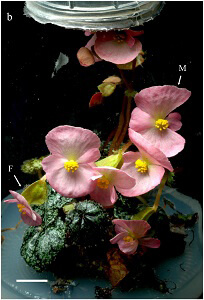
Begonia is the sixth largest flowering plant genus, with around 1,800 species distributed in tropical and subtropical regions around the world. Within this genus are species with diverse morphologies, interesting leaf shapes, and beautiful and colorful patterns, many of great ornamental value. However, some begonia species have a narrow distribution and are highly regional and may become extinct due to habitat destruction. In 2003, with the support of Professor Ching-I Peng from the Biodiversity Research Center of Academia Sinica, the National Museum of Natural Science’s Botanical Garden began cultivating living plants in environmentally controlled greenhouses with tissue cultures and applying seed cryopreservation techniques. In addition, materials collected from the wild have been used to conduct artificial hybridization research, with selection of varieties with ornamental value and other applications. In this exhibition are introduced newly selected varieties, as well as the propagation and preservation, of begonias. Begonias are an important horticultural crop. However, in the past, not much was known about them. Over the past 20 years, Professor Peng’s research on wild begonias has opened a whole new horizon for this group of plants, attracting the attention and dedication of many scholars in Asia, with begonia research becoming prominent in the taxonomy field. Unfortunately, Professor Peng passed away on May 1, 2018. The live specimens in this exhibition were all collected by Professor Peng during his lifetime. Here, we would like to express our gratitude to him for leaving behind such a rich and wonderful legacy.