The World of Legumes
The Fabaceae (traditionally Leguminosae) or legume family is the third largest taxonomic group of flowering plants after Asteraceae and Orchidaceae. Globally, it includes an estimated 19,500 species in 770 genera, most of which are useful plants. As food resources, they are second in importance only to the Poaceae family (grasses). They are major sources of plant proteins and oils. In addition to human food, legumes have many uses: animal feed, pasture forage, green manure, mulch, shade, soil and water conservation, fiber, forest growth, wood, tannins, dyes, resins, gums, spices, medicines, pesticides, poisons, fuel, honey source, vegetables, fruit trees, and ornamental plants.
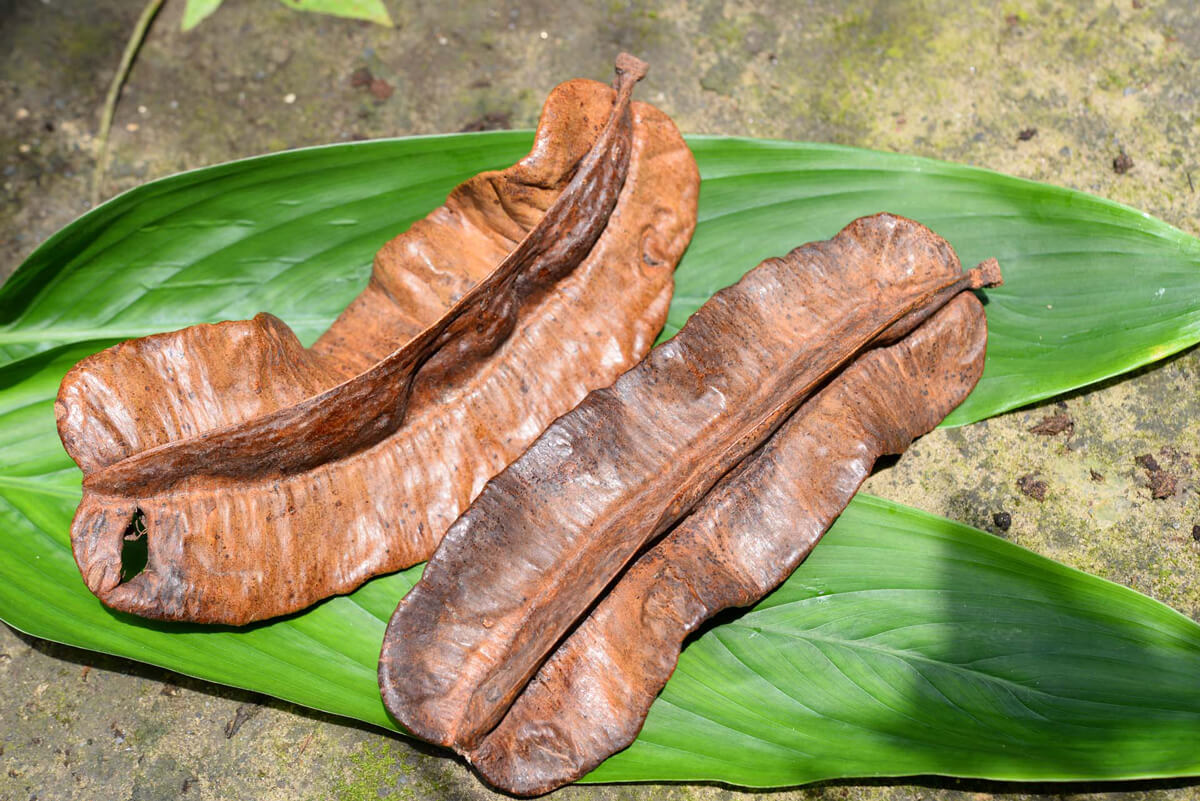
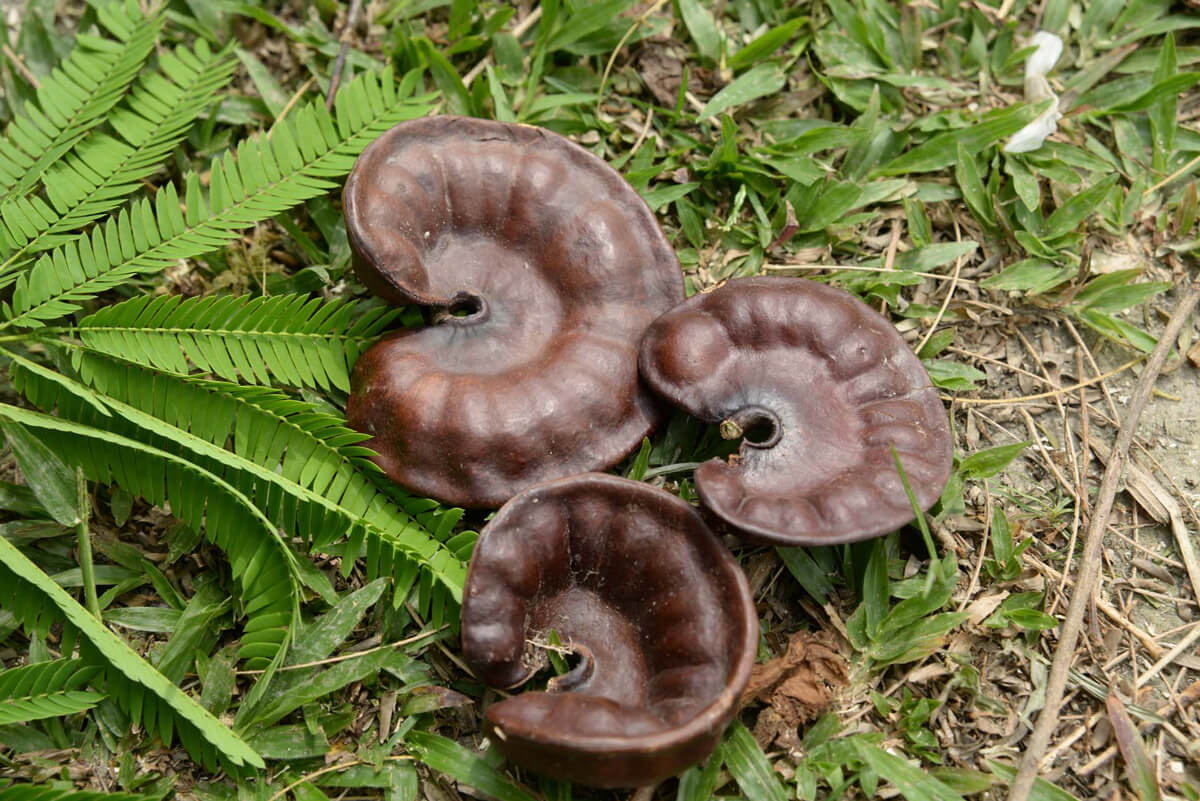
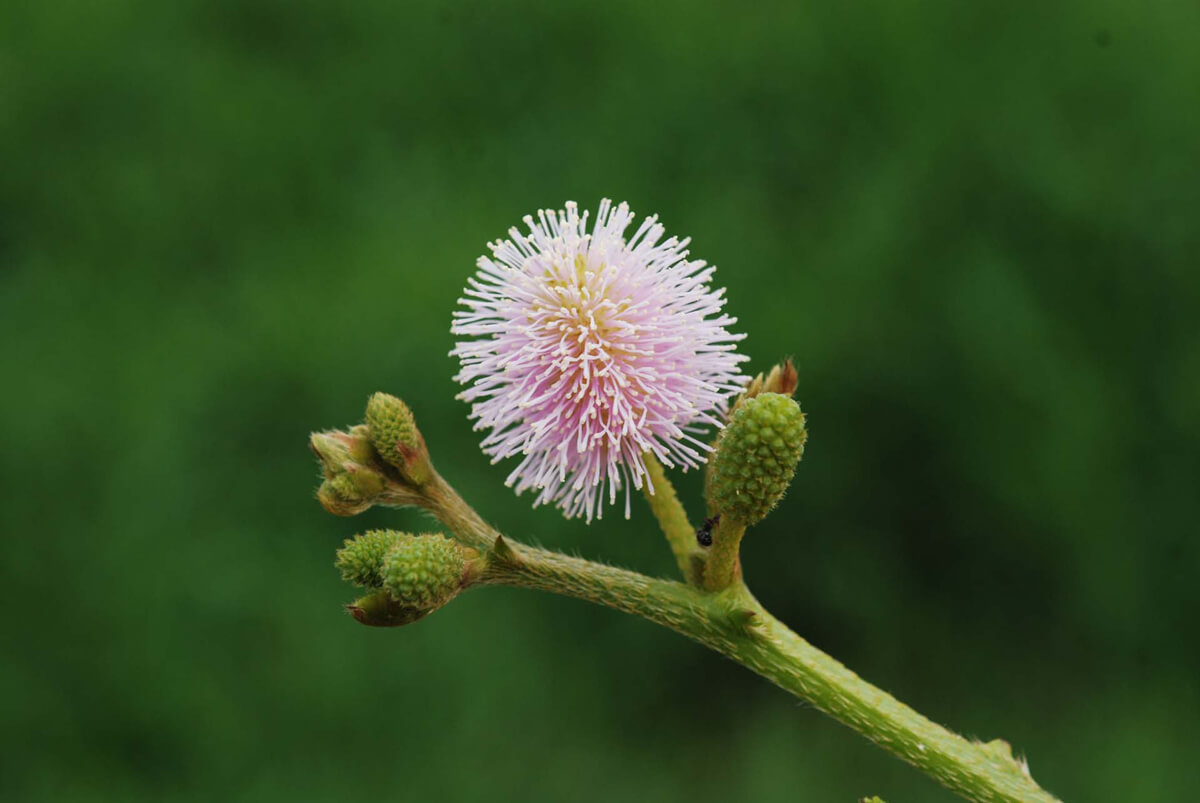
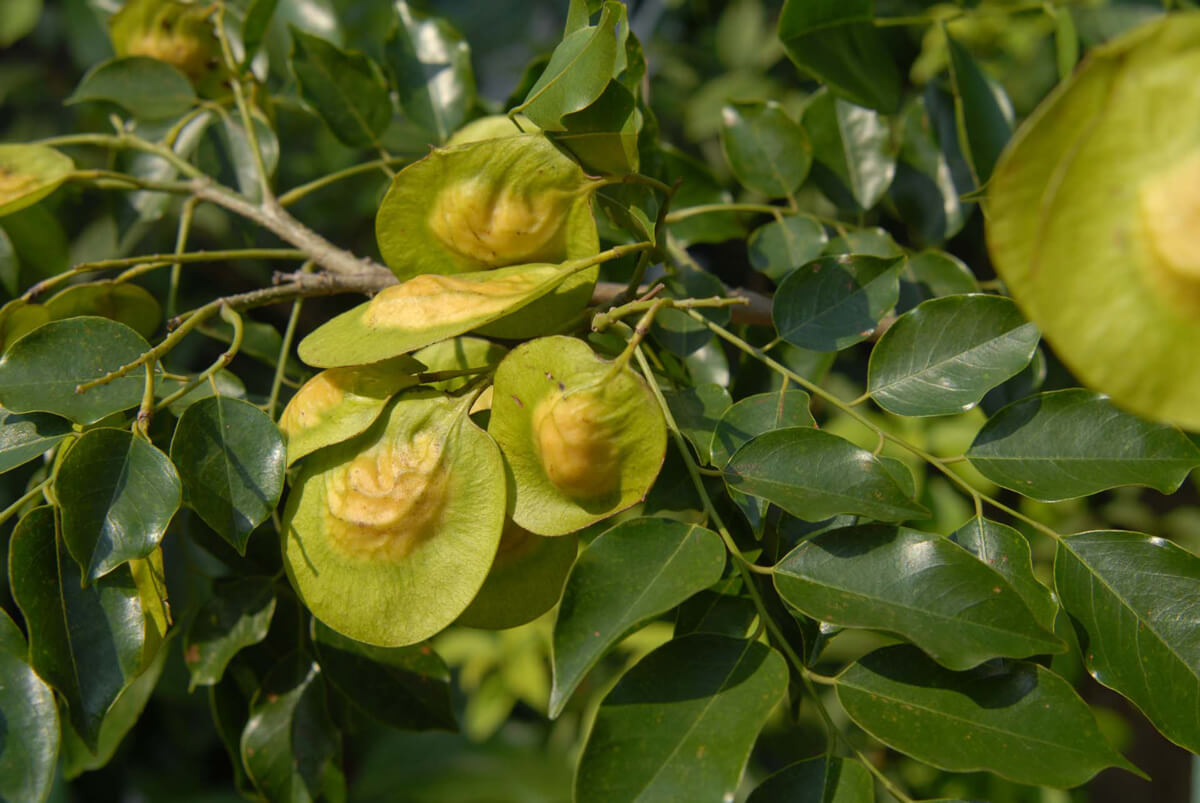
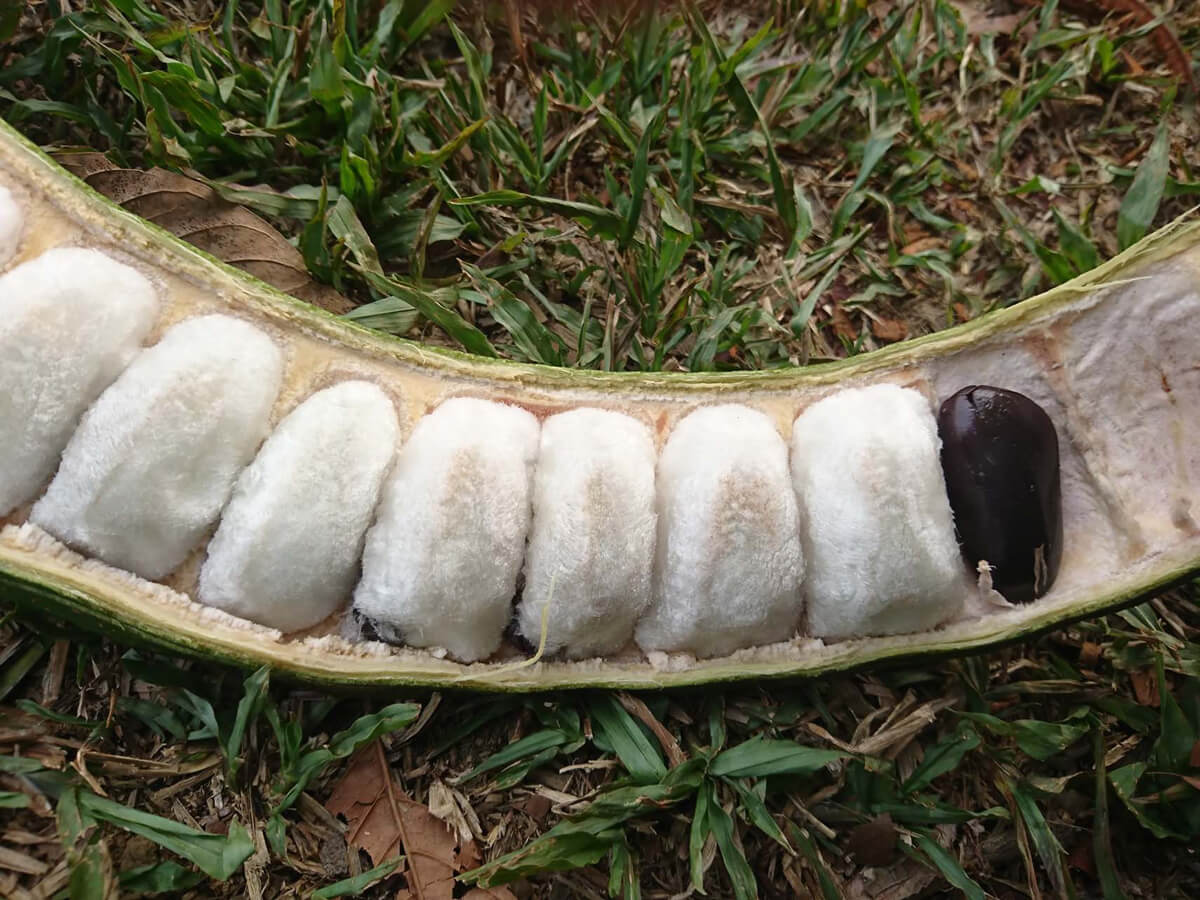
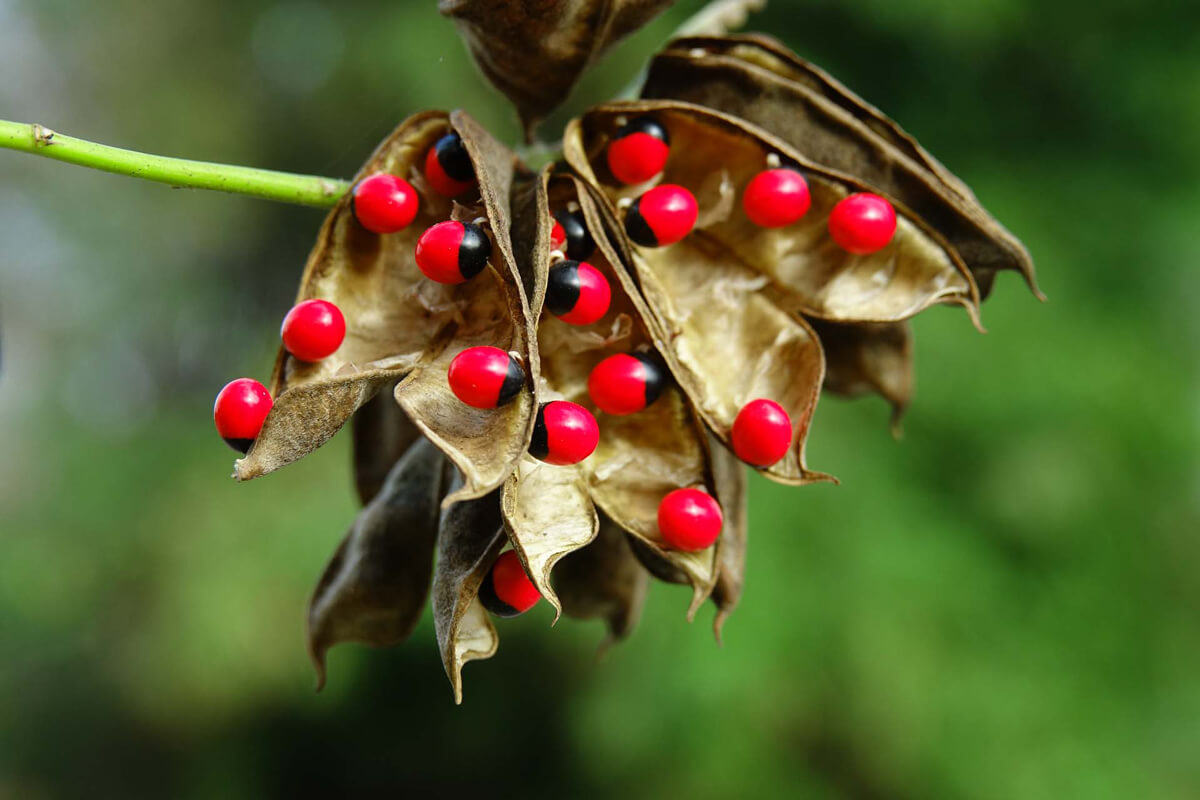
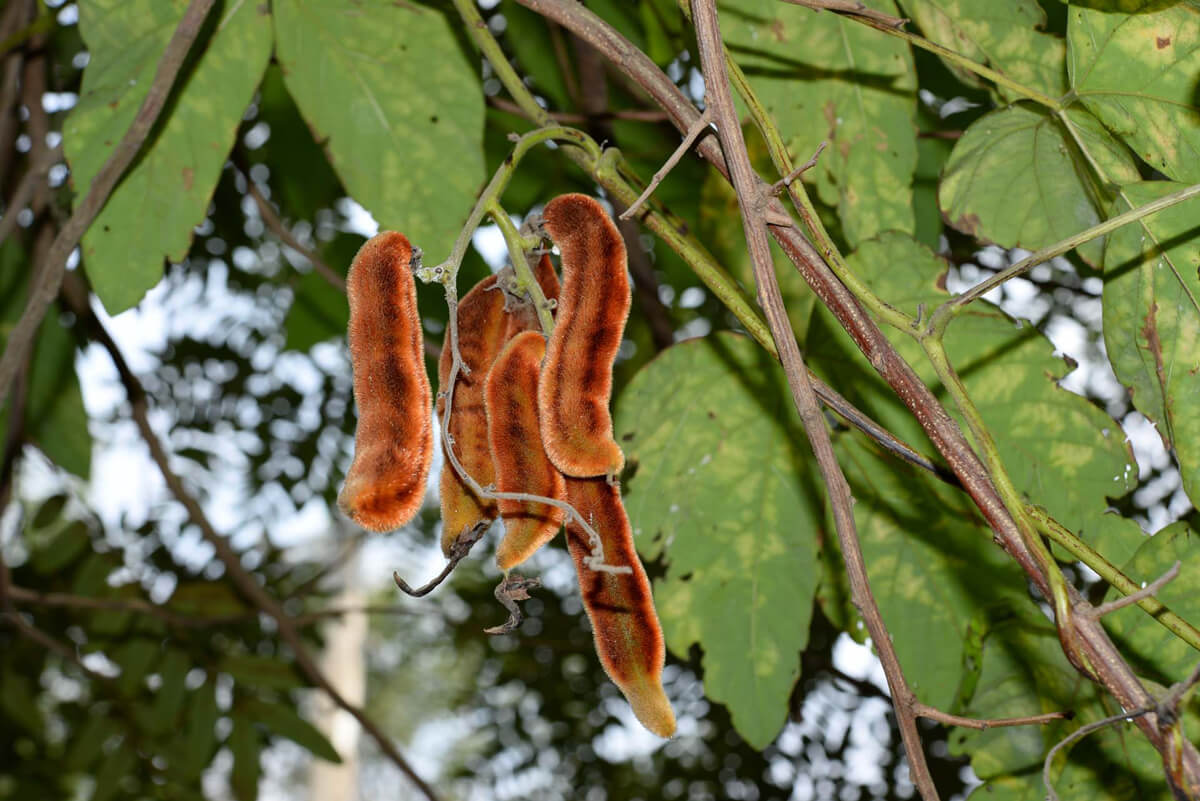
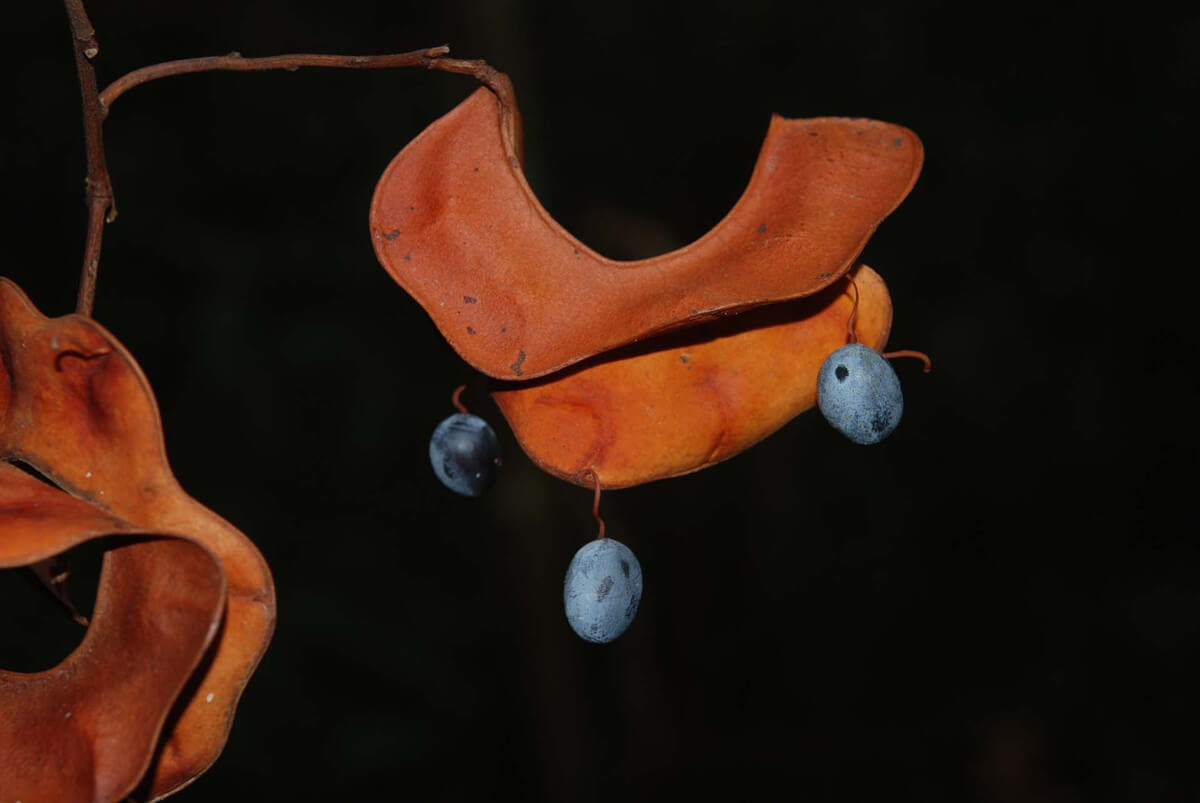
Based on morphology, legumes are divided into trees, shrubs, vines, and herbaceous plants. Their leaves are odd- or even-numbered, pinnately compound to bipinnately compound, or simple, and generally alternate. Leaflets are opposite or alternate, sometimes turning into tendrils but rarely degenerating into false leaves. Flowers are radially symmetrical or bilaterally symmetrical; most are bisexual, rarely unisexual. Inflorescences are mostly racemes, panicles, or spikes, with few umbels or capitula. Stamens often number 10 or nine, rarely less than nine or more than 10. Stamens are connate or separate, often there are diadelphous stamens or monadelphous stamens. Pods are dehiscent or indehiscent, sometimes winged or ribbed. Seeds come in various shapes, with or without obvious hilum, appendages, or arils.
In the traditional classification system, the legume family was known as Leguminosae. It is divided into three subfamilies: Caesalpinioideae, Mimosoideae, and Papilionoideae. In the Hutchinson system, this family is upgraded to a division. The Leguminales division is divided into three families: Caesalpiniaceae, Mimosaceae, and Papilionaceae. In 2017, the Legume Phylogen Working Group (LPWG) used plastid matK gene analysis to divide the legume family into six subfamilies: Cercioideae, Detarioideae, Duparquetioideae, Dialioideae, Caesalpinioideae, and Papilionoideae. The original Mimosoideae subfamily was reclassified as a branch of the subfamily Caesalpinioideae.
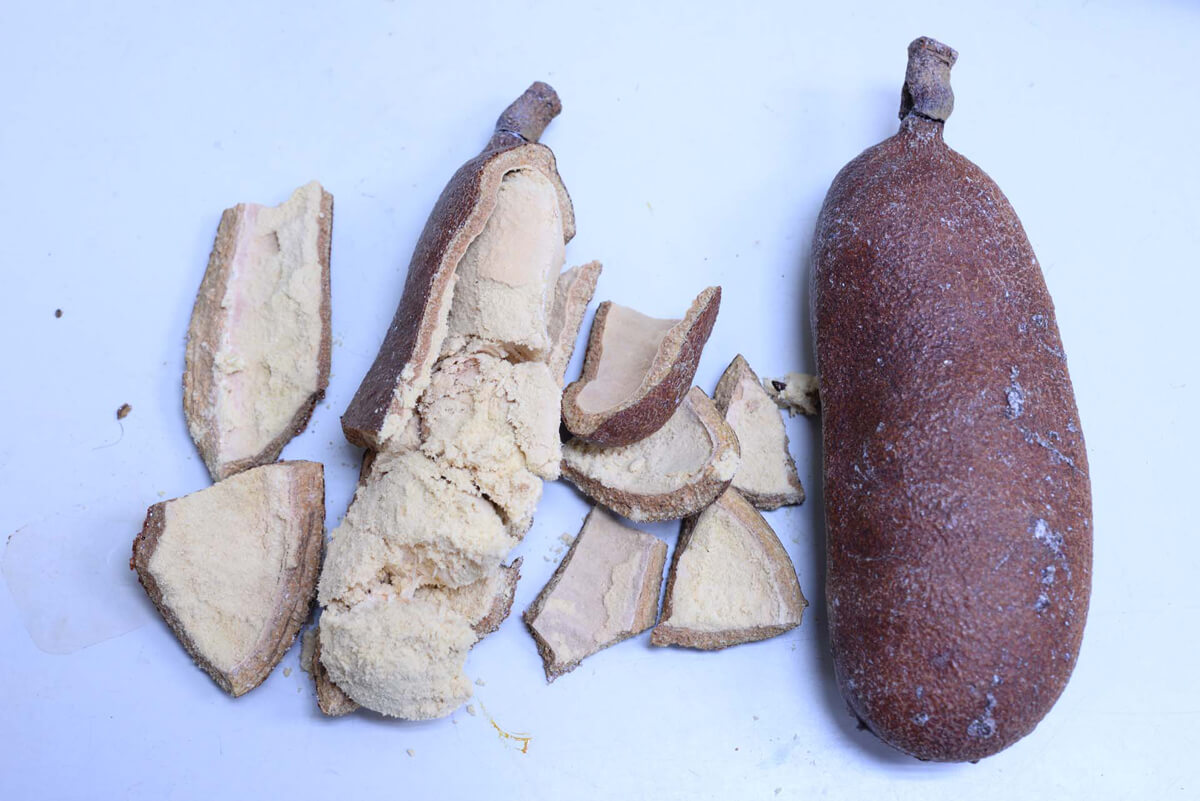
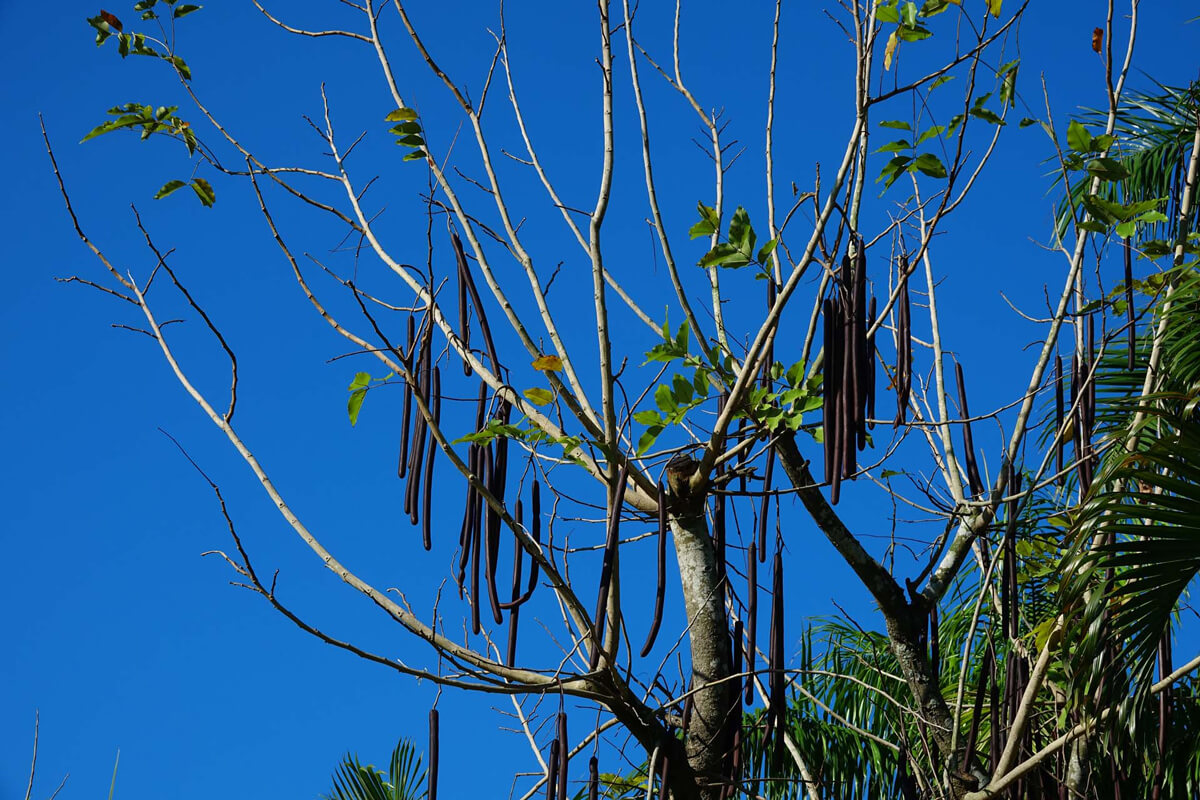
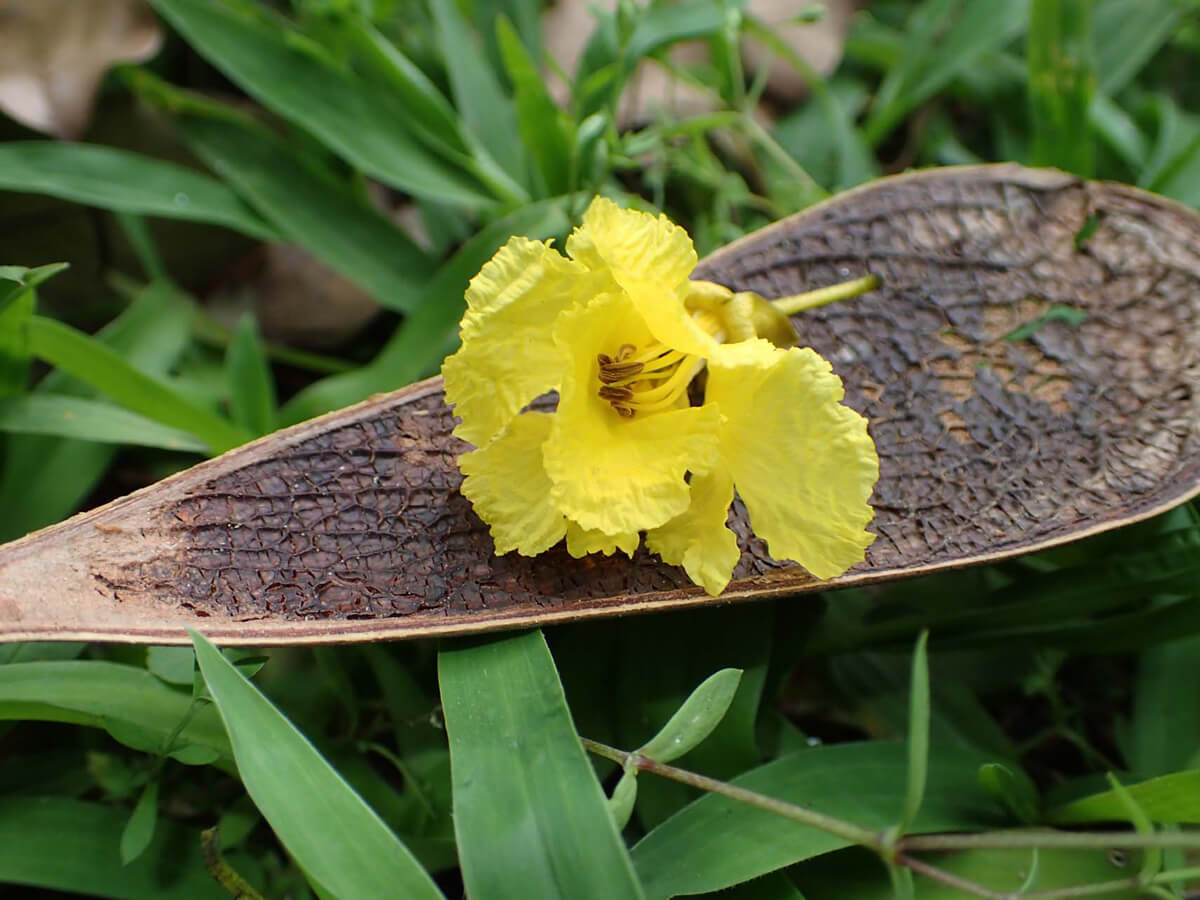
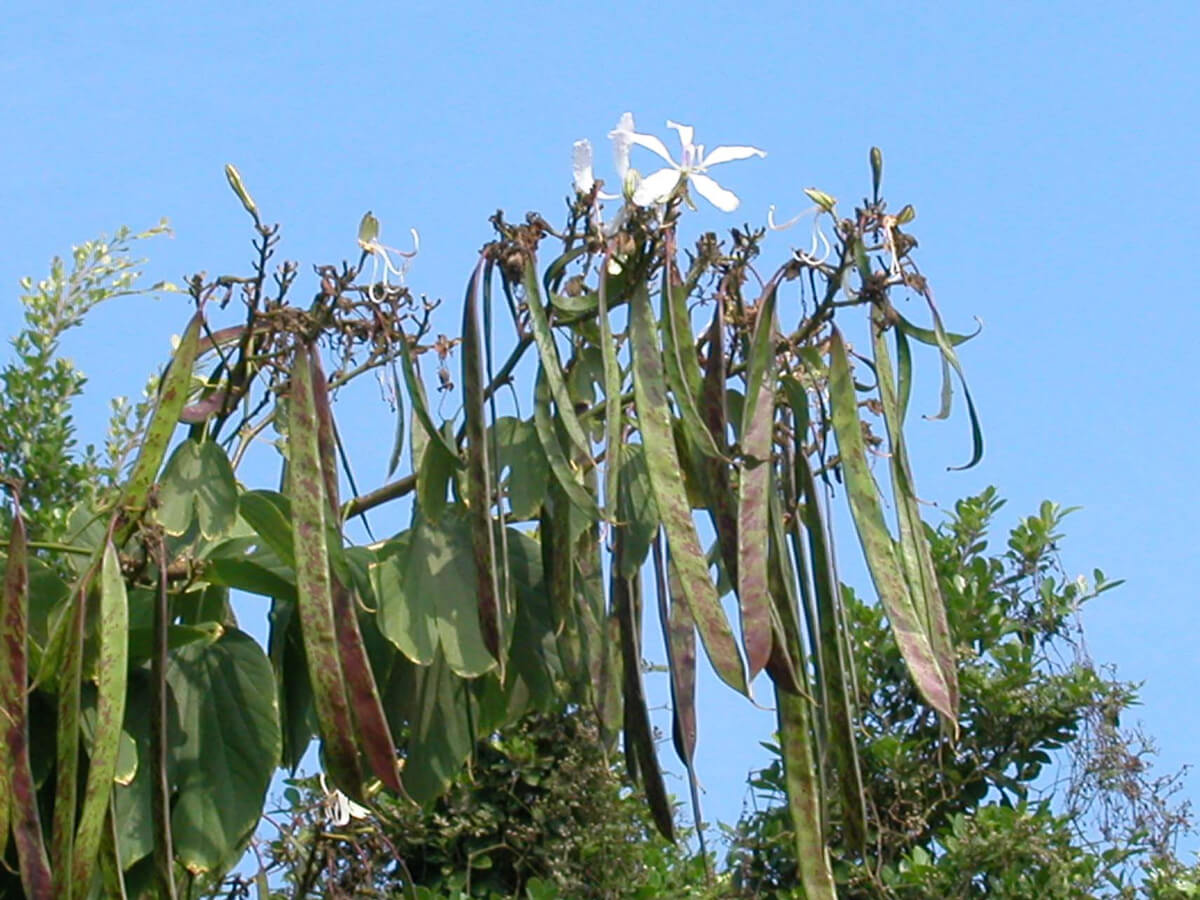
Taiwan’s native and introduced legumes include members of all these subfamilies except for Duparquetioideae. The many varieties of legumes exhibit differences in their fruits. In this exhibition, only 12 varieties of legumes, each with different fruit morphologies are presented. If you would like to learn about the fruits and seeds of more members of the legume family, refer to the large-fruit Mucuna and whiteflower casealpinia in the Seeds of Life Valuable Plant Garden section in this online collection. This museum’s A Hundred Seeds, A Thousand Quests special exhibition introduces three species in the Glycine and Entada genera, as well as the unique pollination methods of the large-fruit Mucuna.