Endless life – parasitism and mutualism
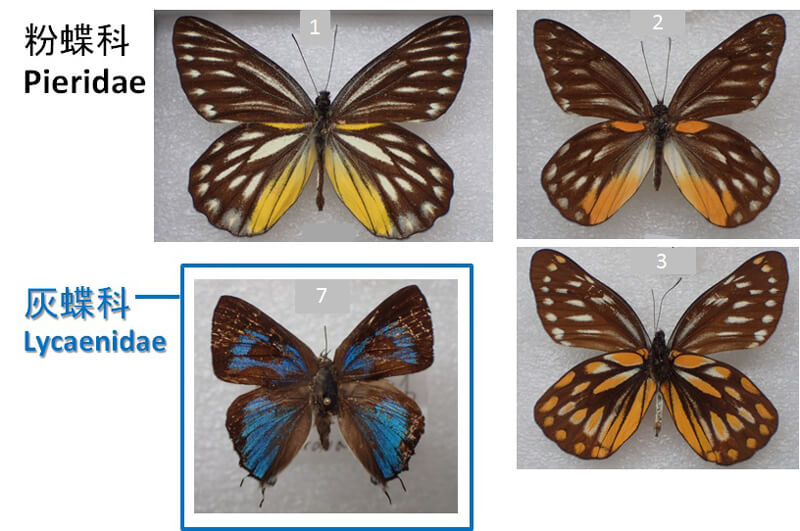
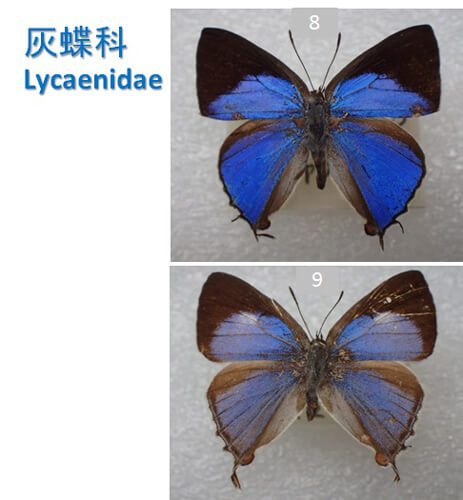
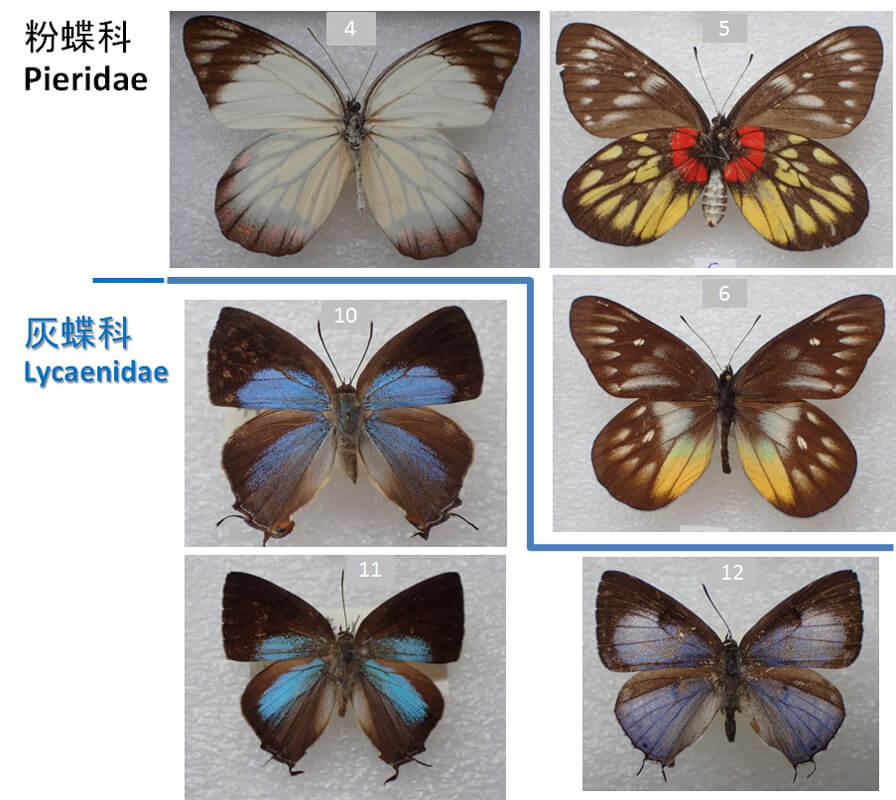
In the botanical world, survival strategies include autotrophism and heterotrophism. In the food chain, members of the family Loranthaceae (snowy mistletoes) latch onto host plants in the ecosystem, using their haustoria to penetrate the host plant’s protective layer. As they rob their hosts of nutrients and water, they are considered the “vampires of the plant world.” Members of the family Loranthaceae are also food sources for other species. For example, pierid butterflies and gossamer-winged butterflies feed on their leaves. When they bloom and bear fruit, they provide nectar for pollinators and fruit to dispersers. Flowerpeckers and snowy mistletoes depend on and benefit one another, like a match made in heaven. They are partners in a mutualistic relationship.
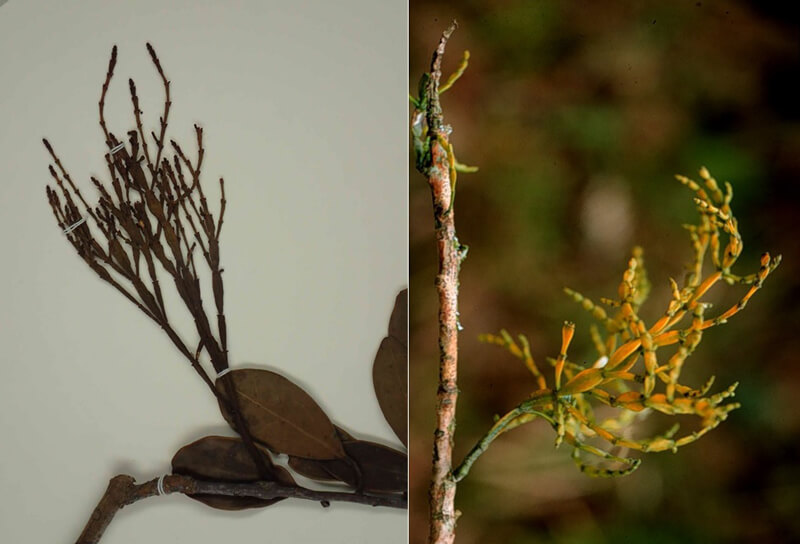
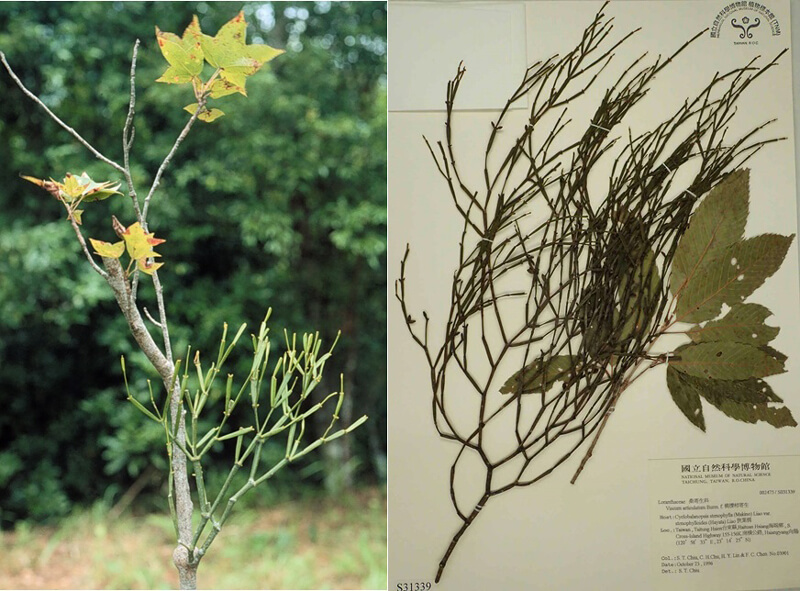
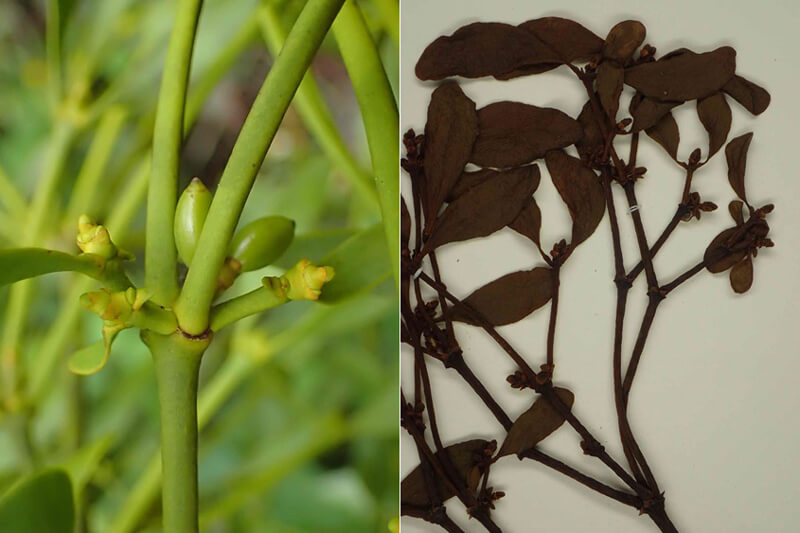
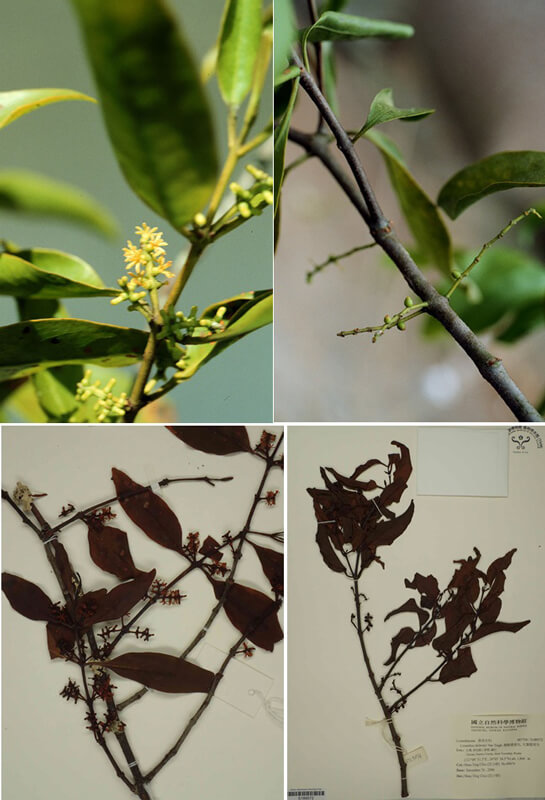
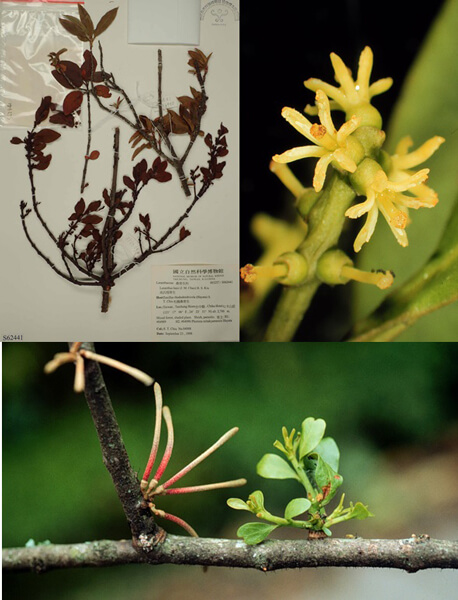
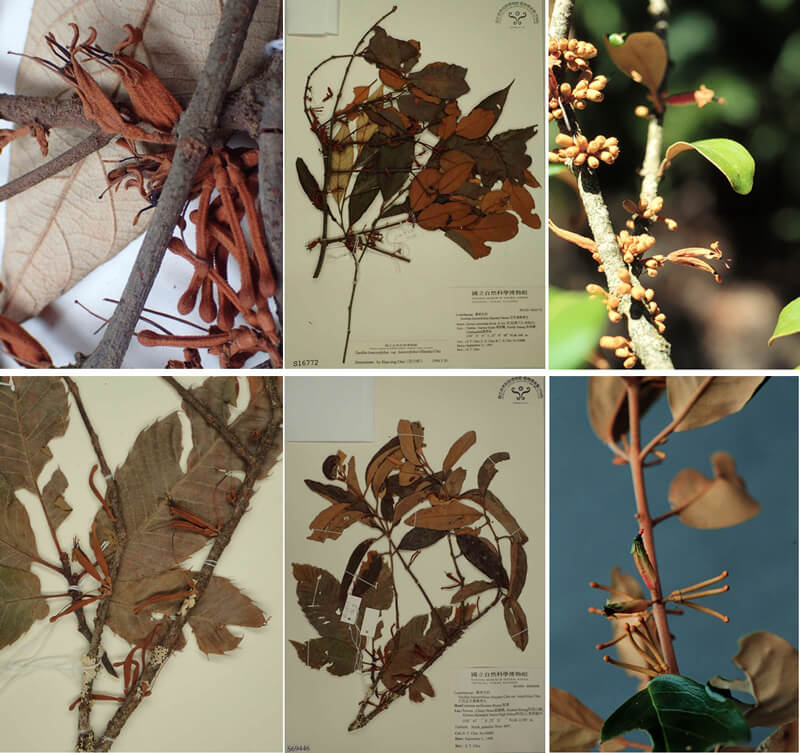
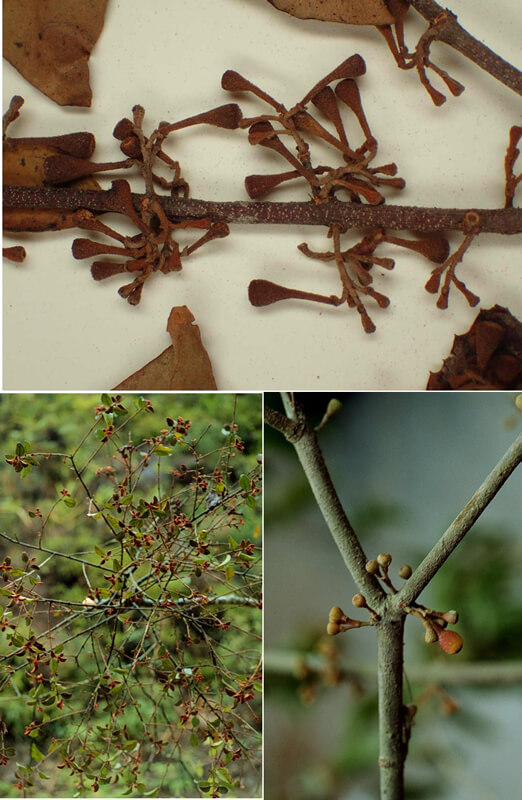
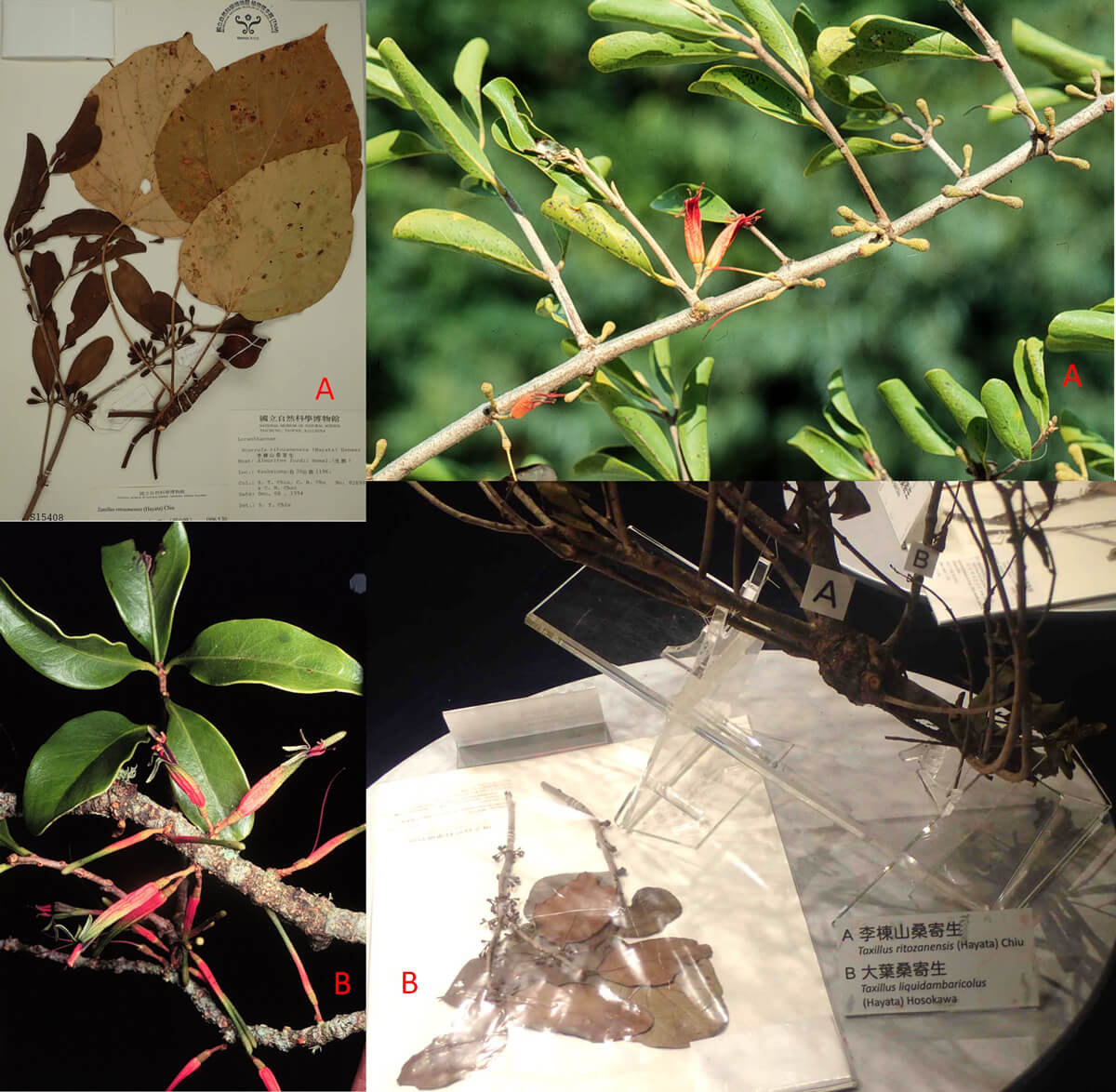
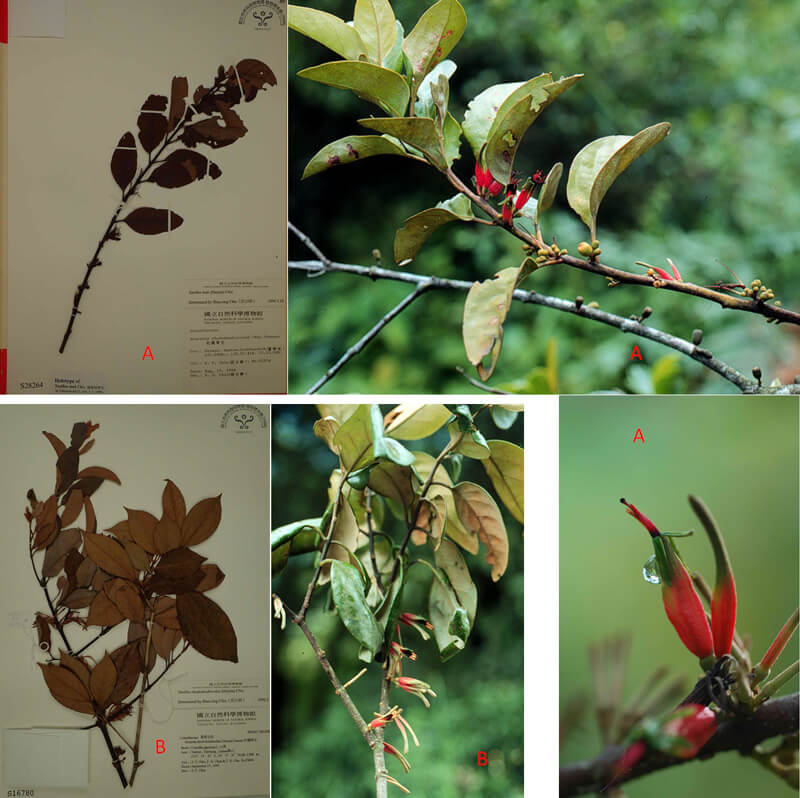
Members of the family Loranthaceae in Taiwan include those in the genera Korthalsella, Viscum, Loranthus, and Taxillus, which cover the smallest plant species, species without true leaves, groups with leaves and small flowers, and groups with leaves and large red or orange flowers among the stem parasites. In addition to an already long history of plant systematic classification, in-depth exploration of the structures used to invade hosts has revealed differences.
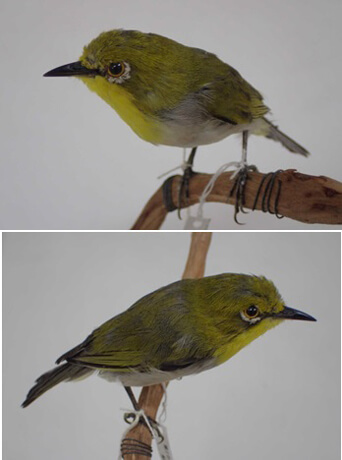
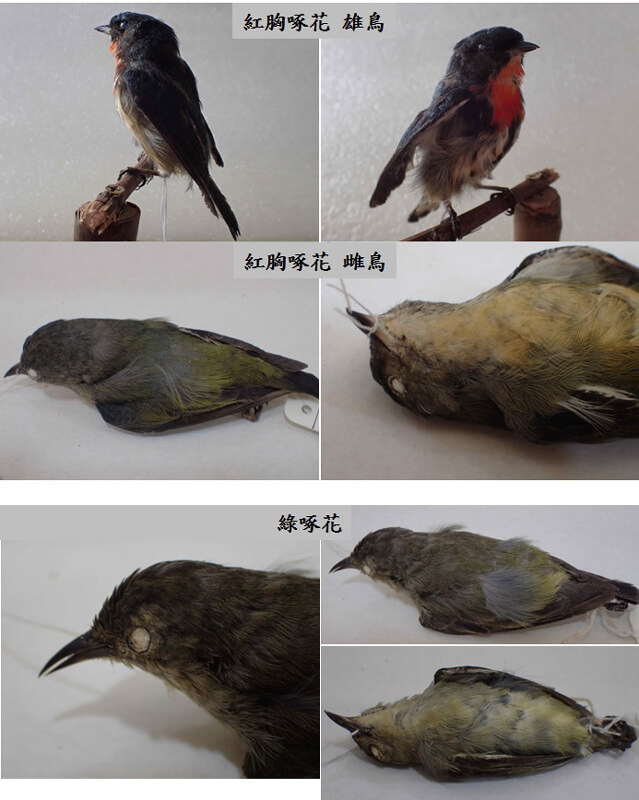
From long-term observations of butterflies that feed on leaves, they have specific preferences. As for the co-evolution of snowy mistletoes and flowerpeckers, flowering and fruiting are closely related to the feeding habits and excretion behaviors of the vector (flowerpeckers). However, occasionally other types of birds interfere, such as the warbling white-eye, which is attracted to orange and red flowers, feeds on nectar, and is similar in size.
In this online exhibition are 14 mistletoe/snowy mistletoe specimens, two bird specimens (warbling white-eye and fire-breasted flowerpecker), and 12 butterfly/gossamer-winged butterfly specimens. These parasite and host displays are lifelike. By introducing the mysteries related to the morphologies and structures of different taxa, as well as the diversity of species carefully collected by researchers, we gain a glimpse into how parasitic plants survive through the receiving of nutrients and the role of mutualism.
Items 1-3 Family Viscaceae or subfamily Viscoideae in family Loranthaceae.
Item 4 Nectar-feeding pollinating birds and seed-dispersing birds of parasitic plants.
Items 5-7 Overview of Loranthus, the most important genus in the Loranthaceae family.
Item 8 Butterflies in the families Pieridae and Lycaenidae which feed on the leaves of snowy mistletoes and mistletoes.
Item 9. Multiple species of parasitic plants growing on the same host.
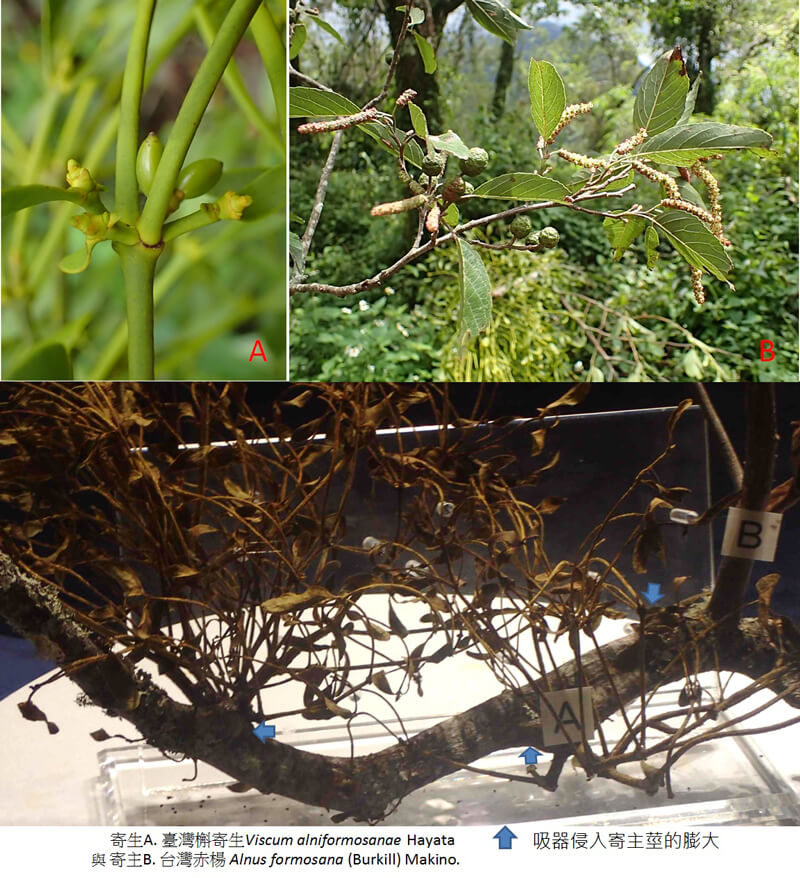
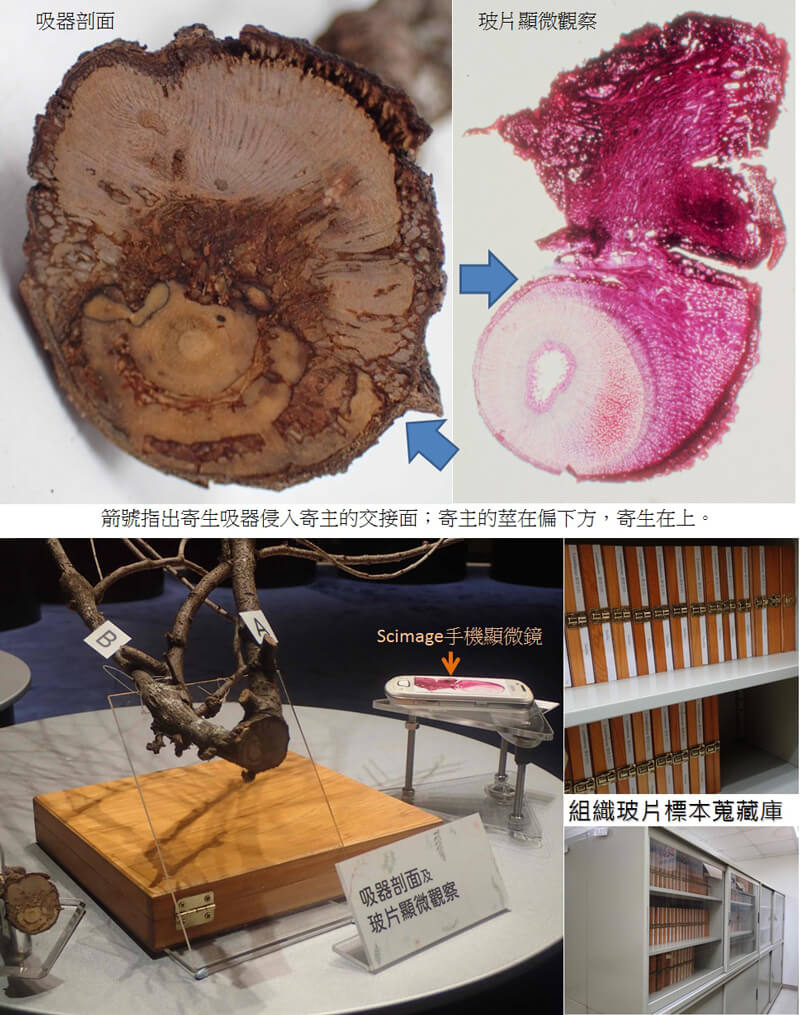
Items 10-12 Species endemic to Taiwan in the genus Taxillus and family Loranthaceae. Included are cross section of haustorium (item 11) and microscopic observations of glass slides using Scimage smartphone microscope.