Entomopathogenic Fungi
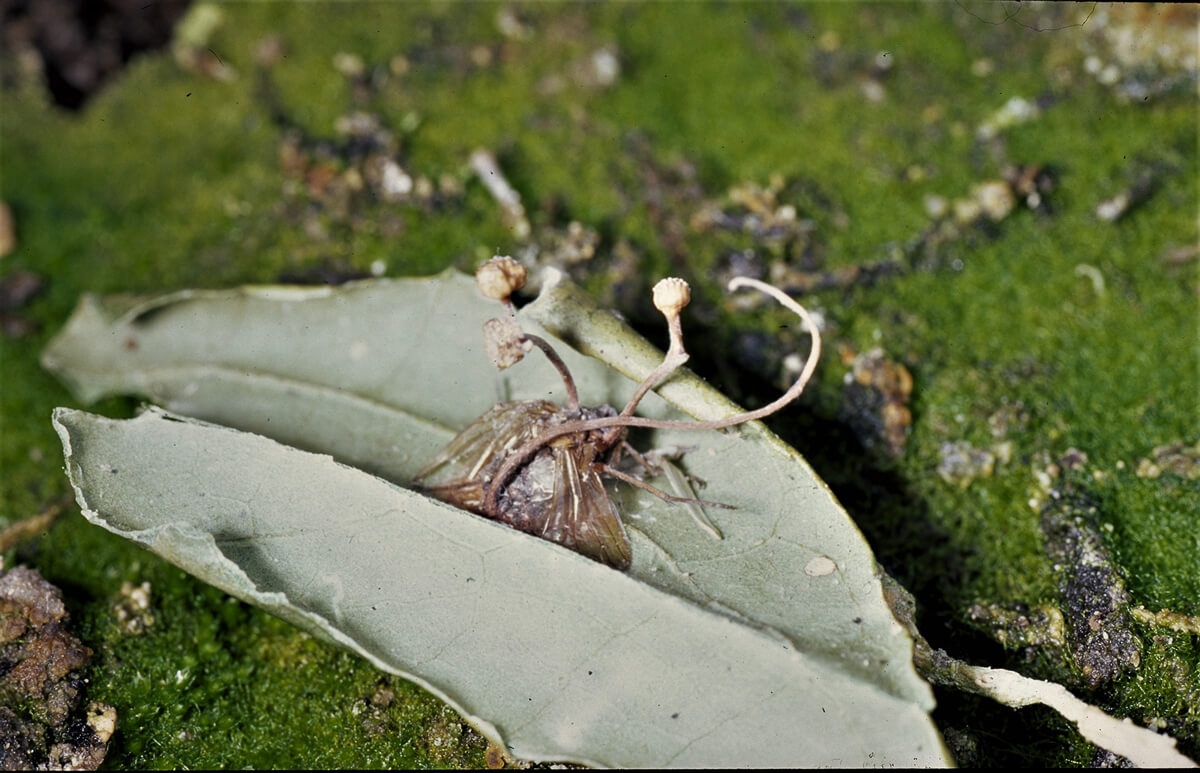
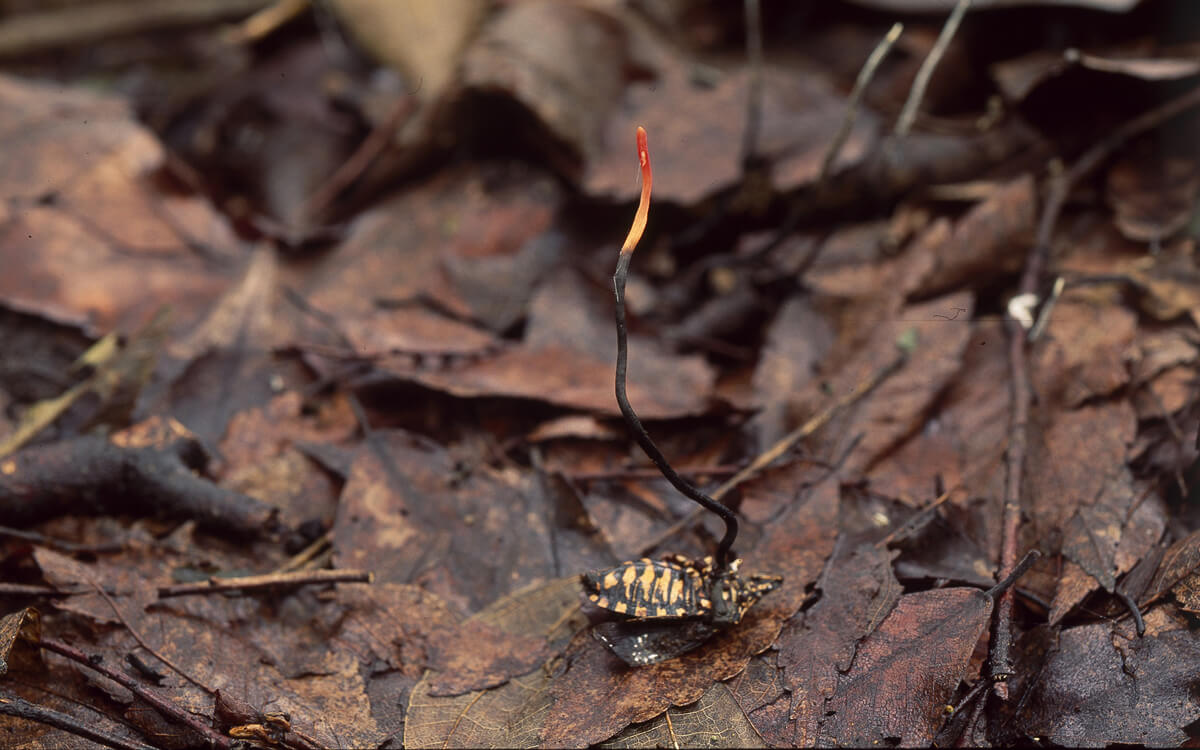
As fungi are unable to produce nutrients on their own, they must rely on other organisms. Fungi have developed various ways to survive. There are a multitude of insects in the wild and naturally some of them are coveted by fungi. There is a group of fungi that specializes in growing inside or on the surface of the body of insects, absorbing nutrients from them. They even cause a change in behavior of their host, which eventually dies. Such fungi are collectively referred to as entomopathogenic fungi.
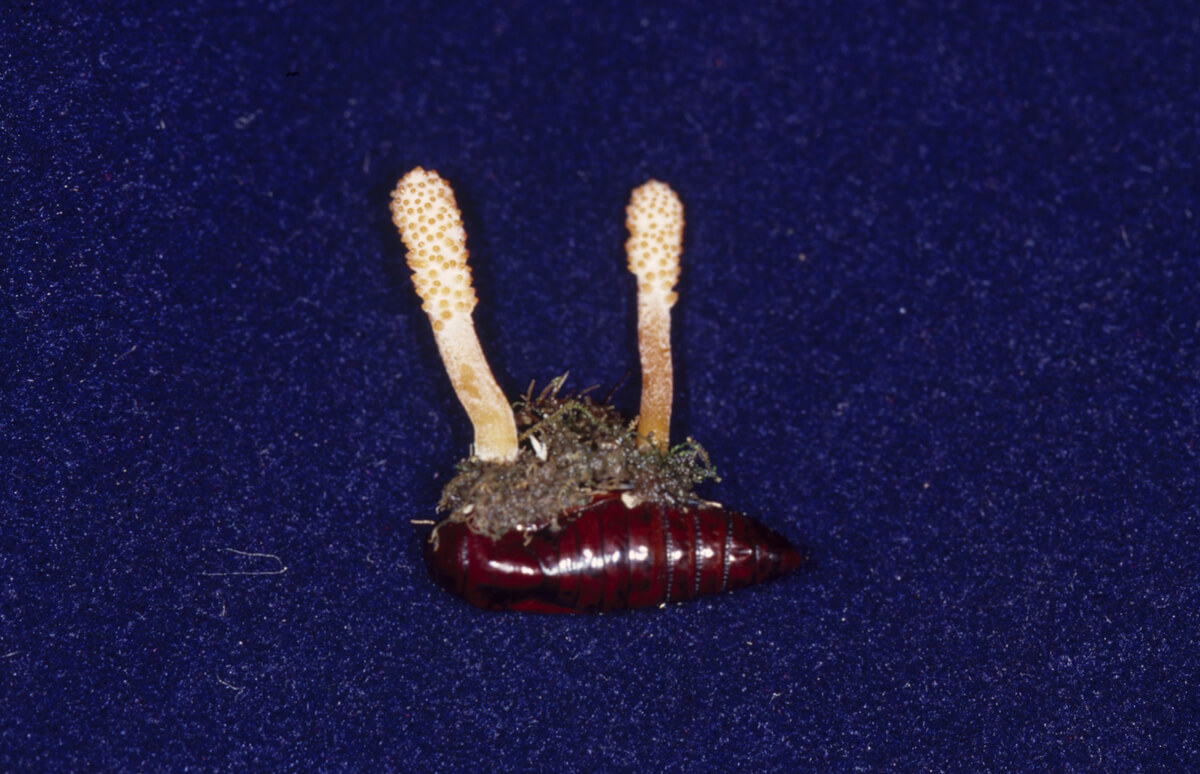
The most well-known genus of entomopathogenic fungi is Cordyceps, which belongs to the class Ascomycetes, order Hypocreales, and family Clavicipitaceae. There are more than 500 species of fungi officially recorded in this genus. A rough description of their life history is as follows: Spores of Cordyceps fungus infect insect larvae or nymphs in the soil. They invade them and begin to spread and develop, as they absorb nutrients from them. In winter, the host dies and its body is filled with hyphae, called stroma. It remains buried in the soil and is dormant in winter. As the weather becomes warmer, the fungi in the insect’s body (the stroma) are activated and grow fruiting bodies. Once mature, they release spores which then infect other larvae, thus completing the life cycle.
Due to the diversity and complexity of species within the genus Cordyceps, scholars divided them into four genera based on molecular biology techniques and morphological characteristics in 2007. They are Cordyceps, Elaphocordyceps, Metacordyceps and Ophiocordyceps.
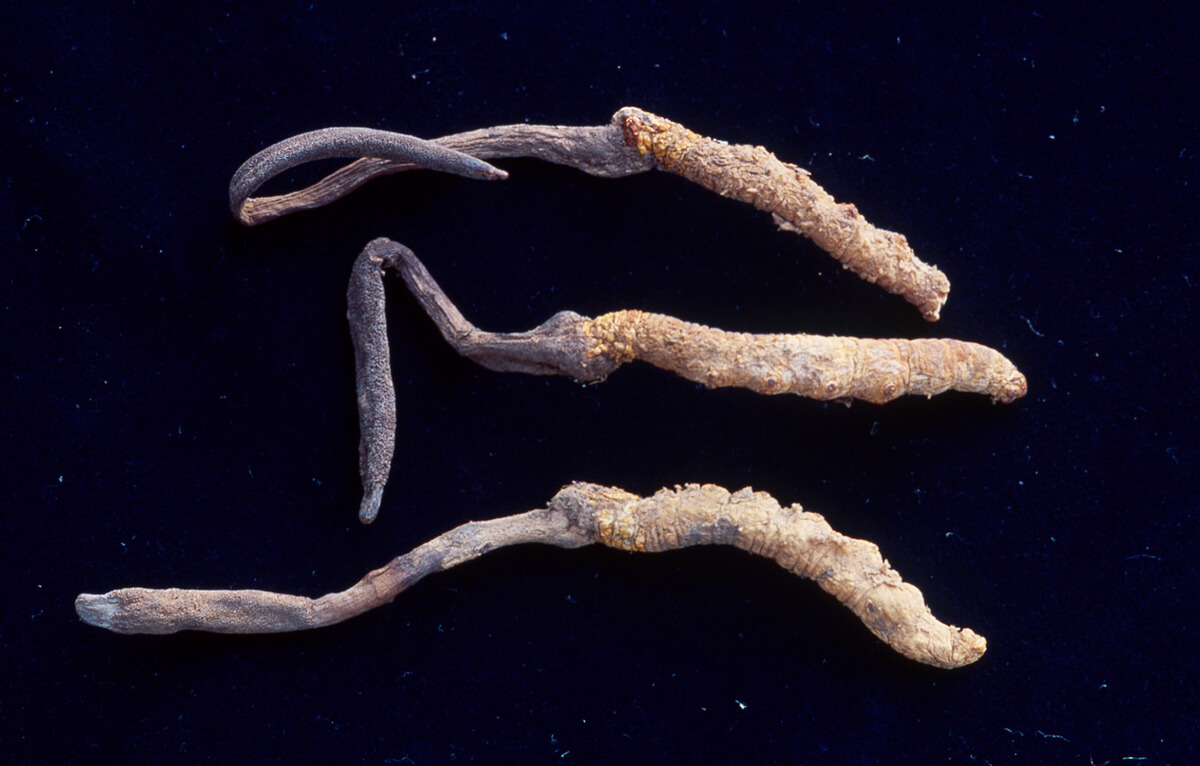
Some host insects of fungi are crop pests. Therefore, some fungi are used as biological agents to prevent and control plant diseases, such as Beauveria bassiana and Aschersonia badia. Some fungi have been found to be nourishing to the human body, such as the well-known Cordyceps sinensis, which is used as a dietary supplement. Or some are used as traditional Chinese medicinal materials, such as Cordyceps sobolifera.
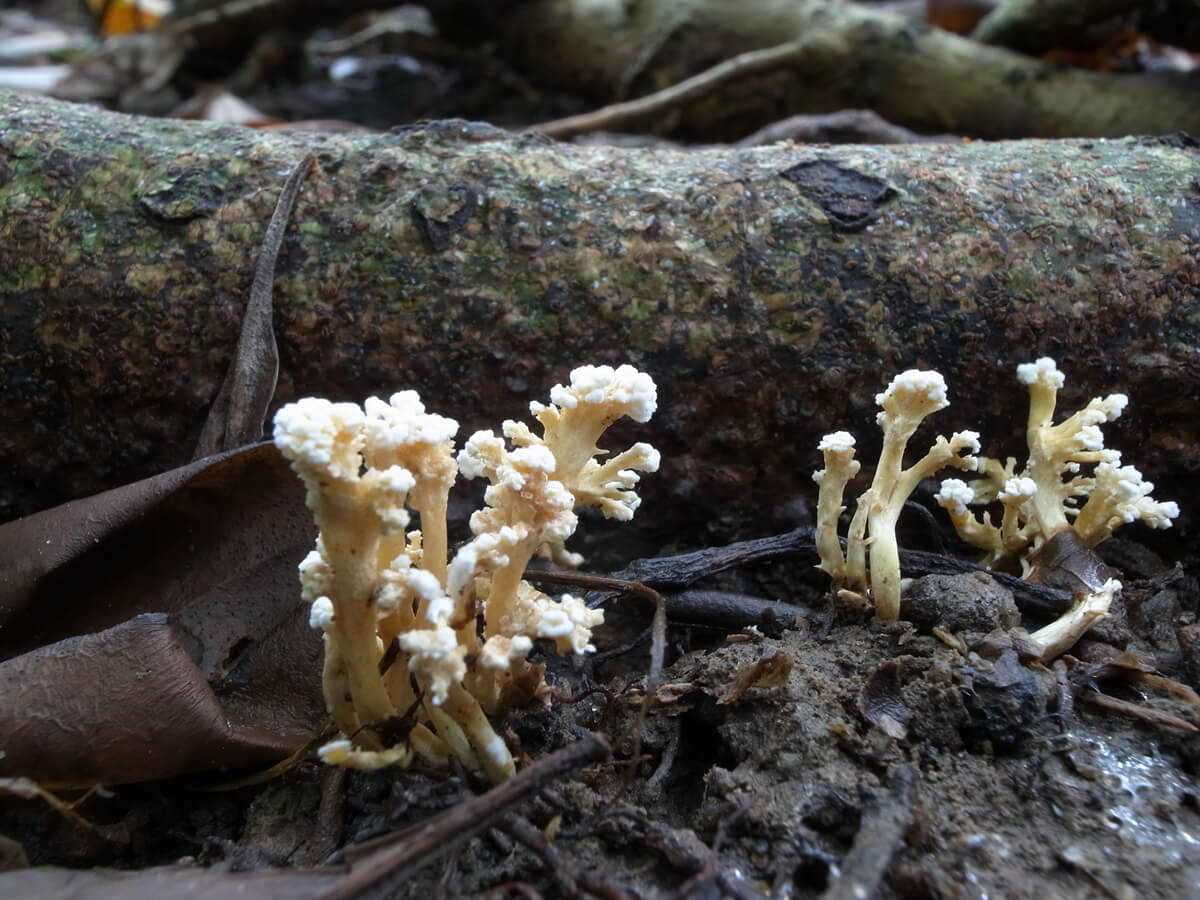
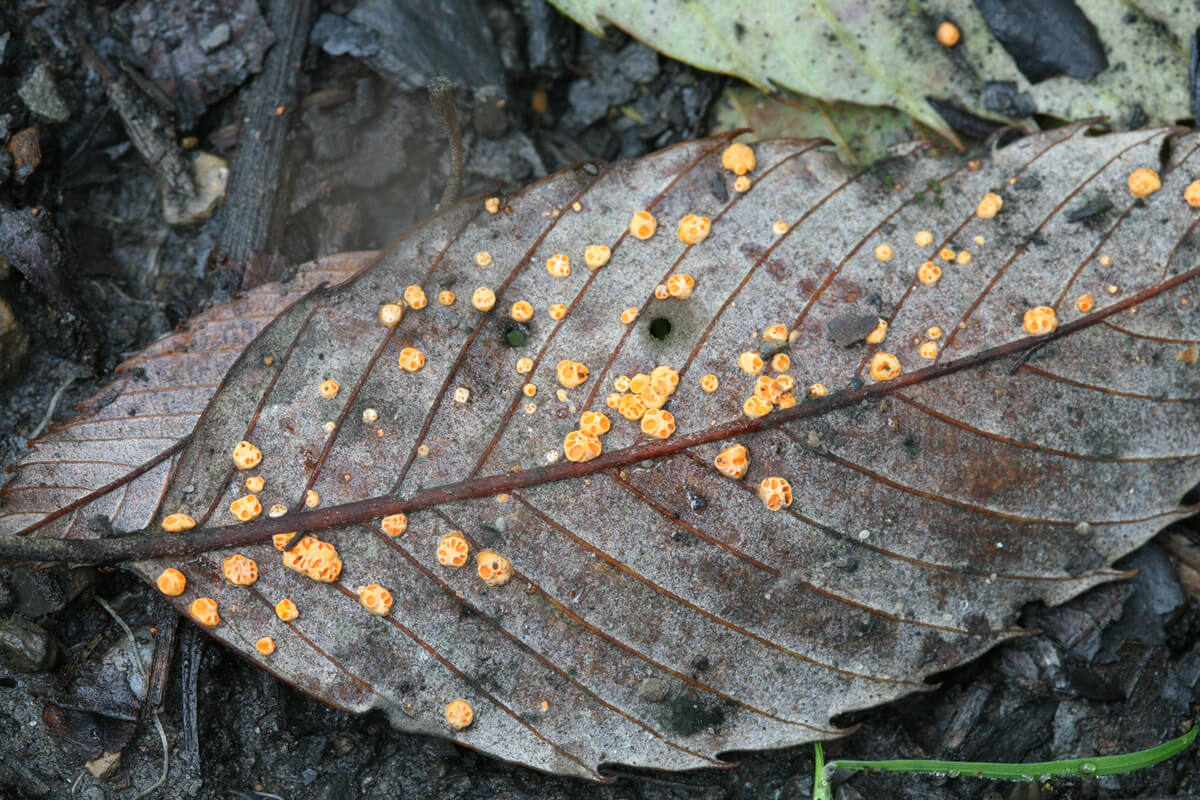
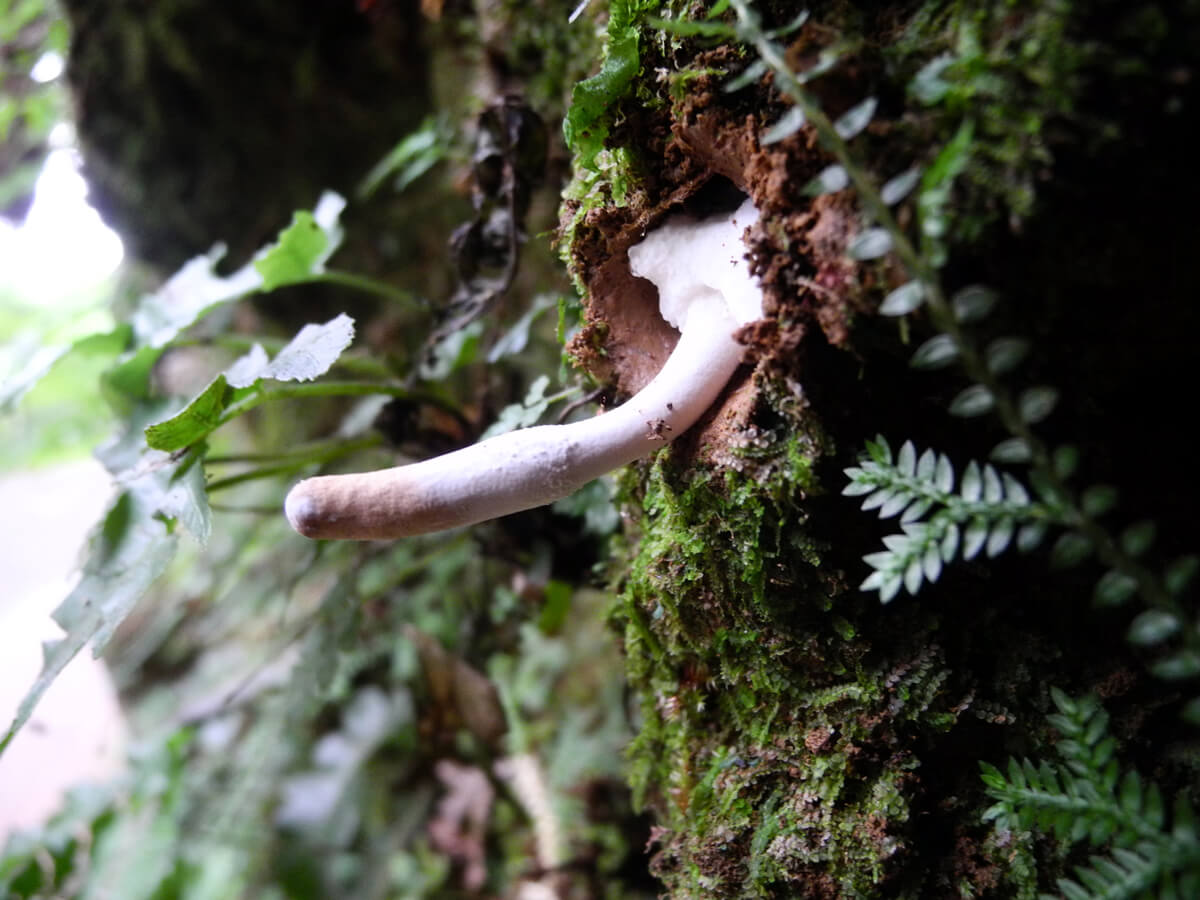
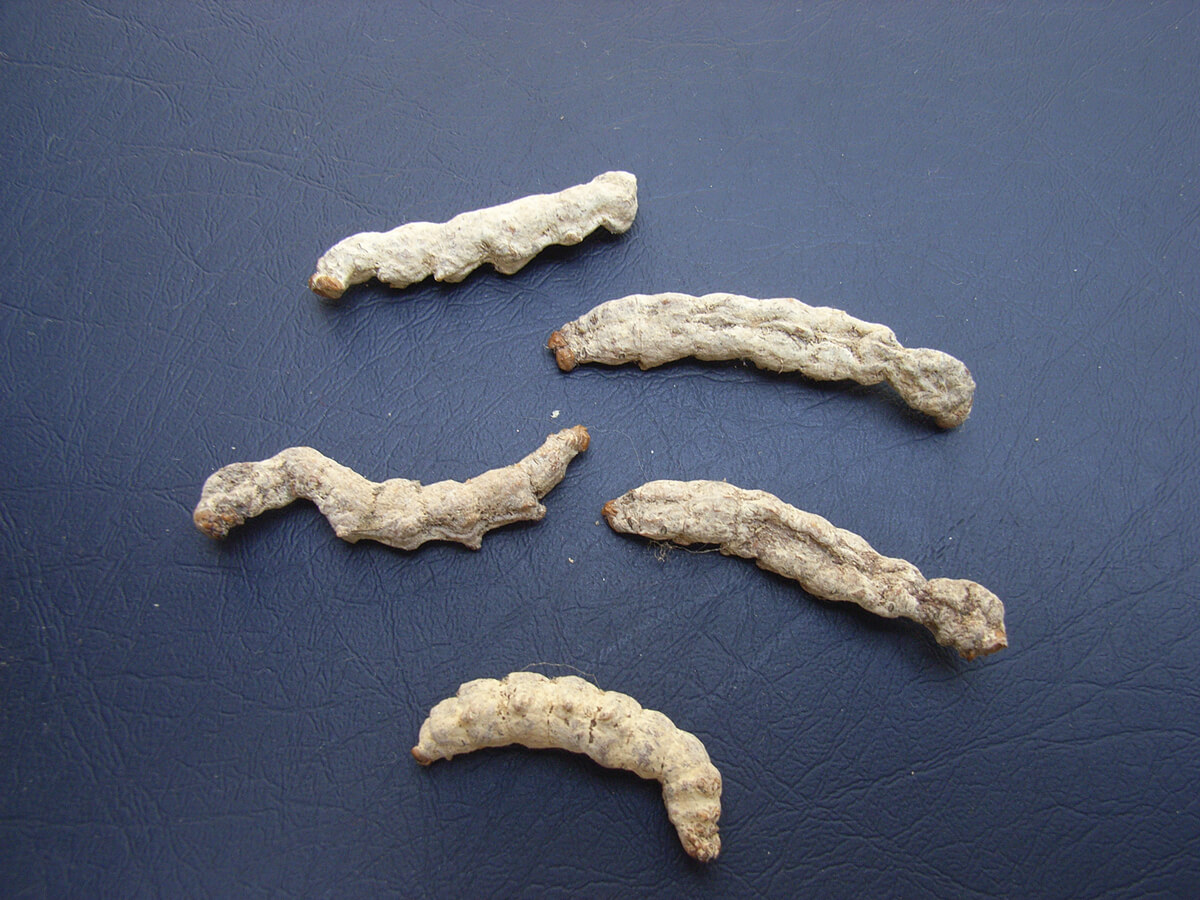
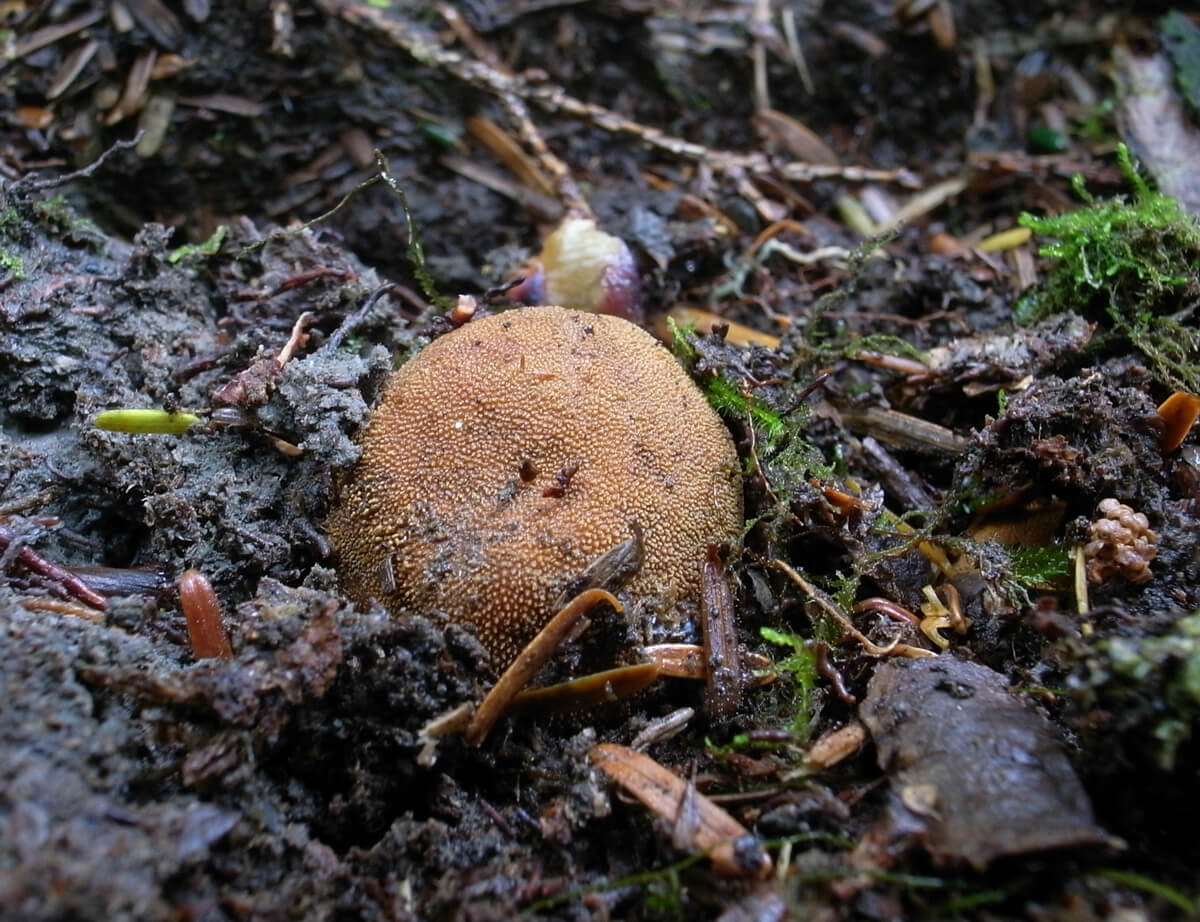
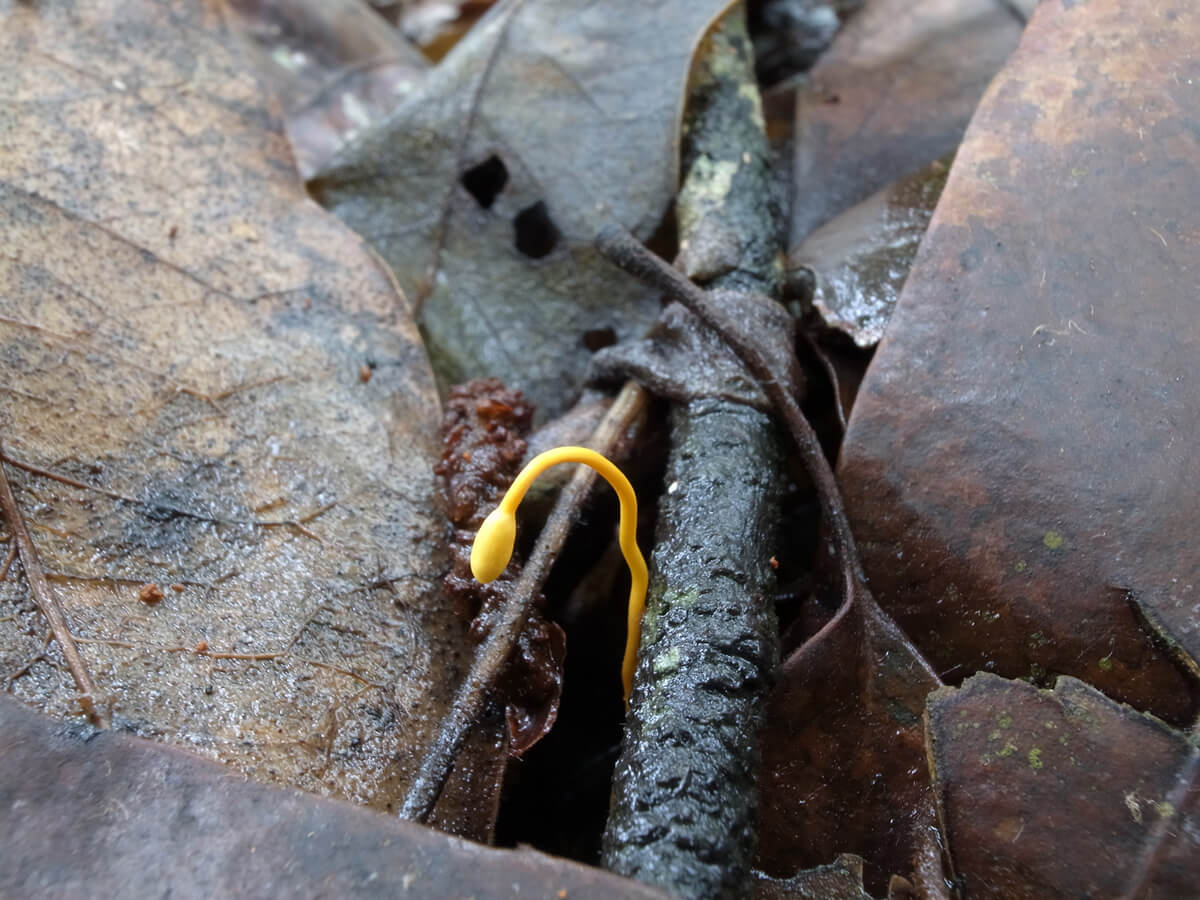
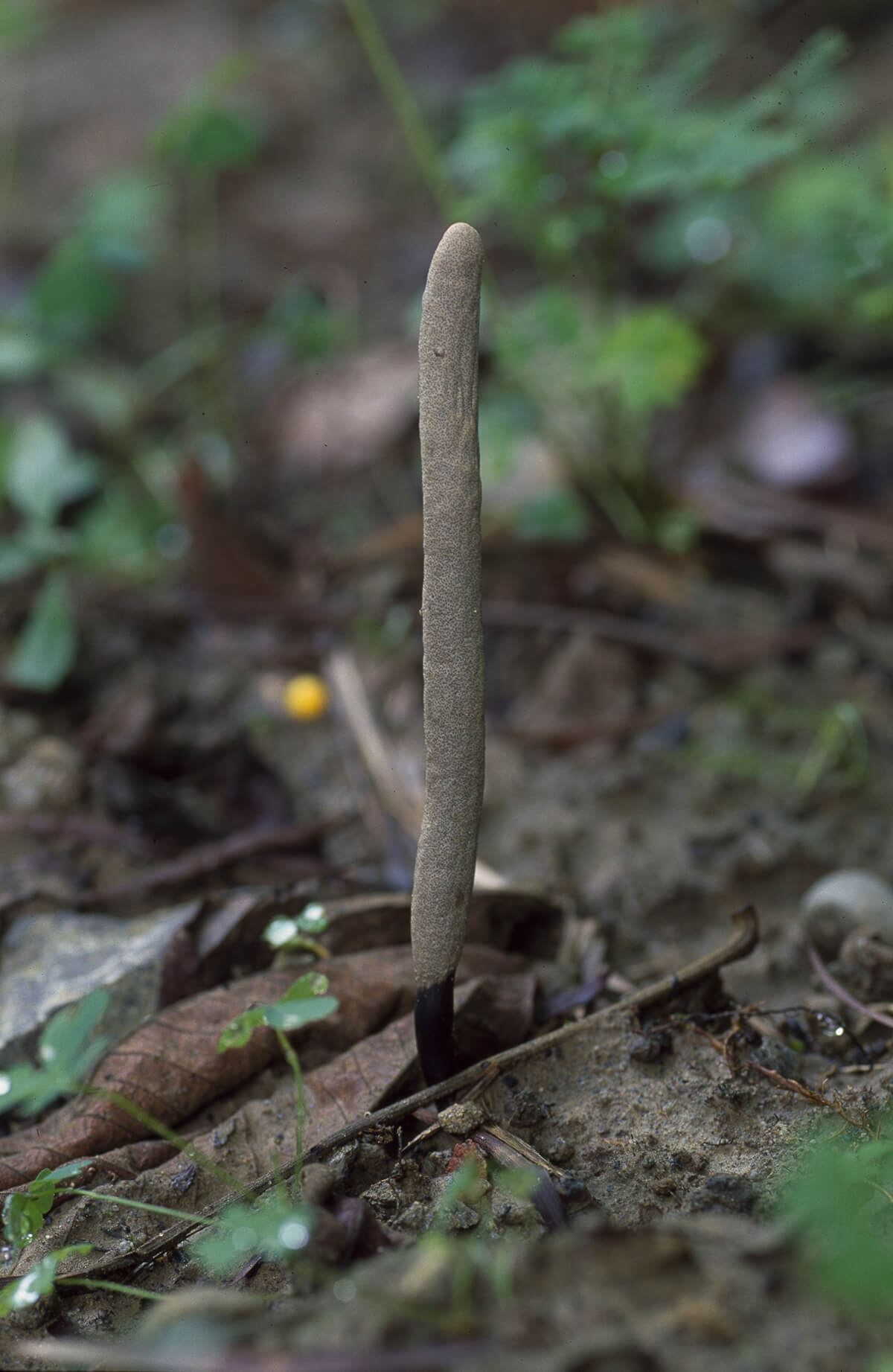
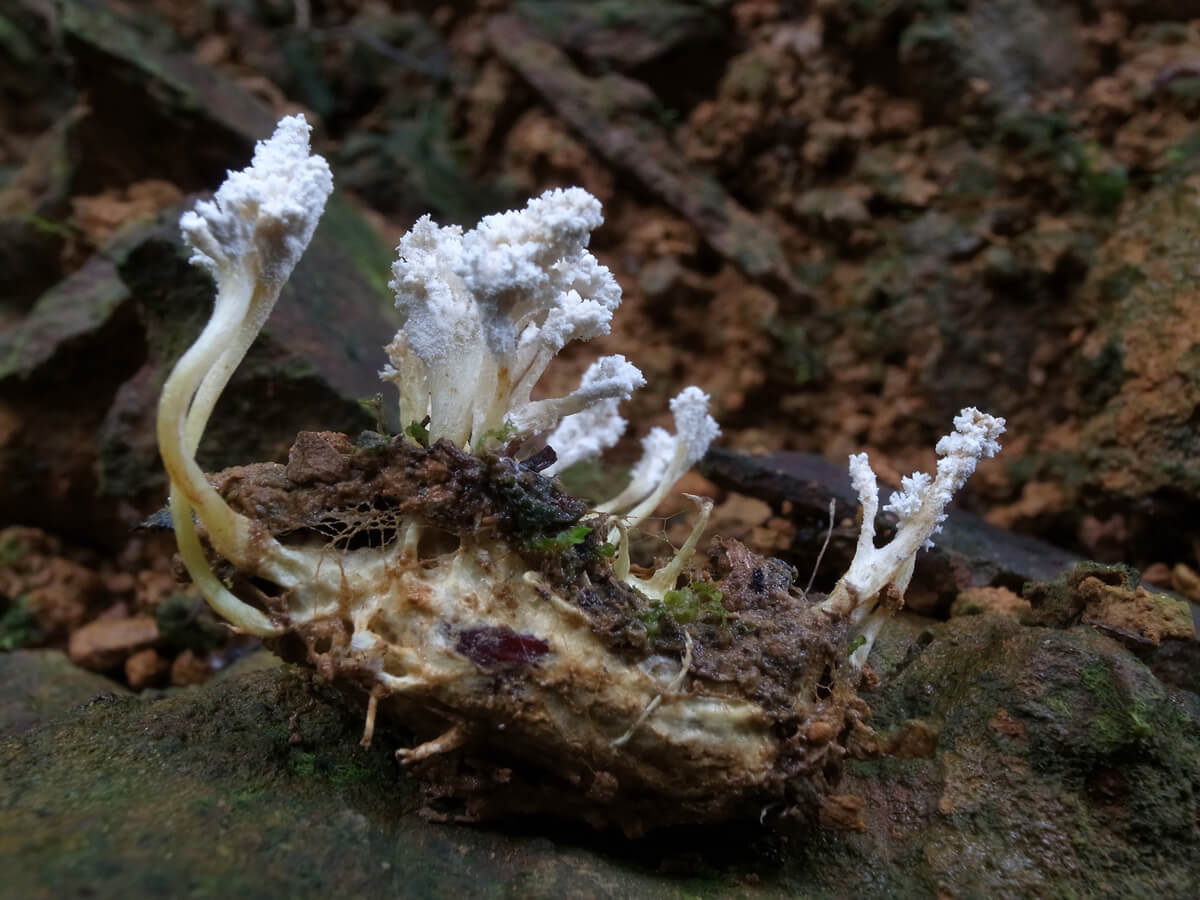
Twelve fungal specimens are exhibited here, all of which are related to insects. They include a brief introduction with images and text. It is hoped that those who view this exhibition can catch a glimpse of the mysterious relationship between fungi and insects, as well as a gain a better understanding of the natural world.