
:::
Adjust reading text size
:::
Stromatolites
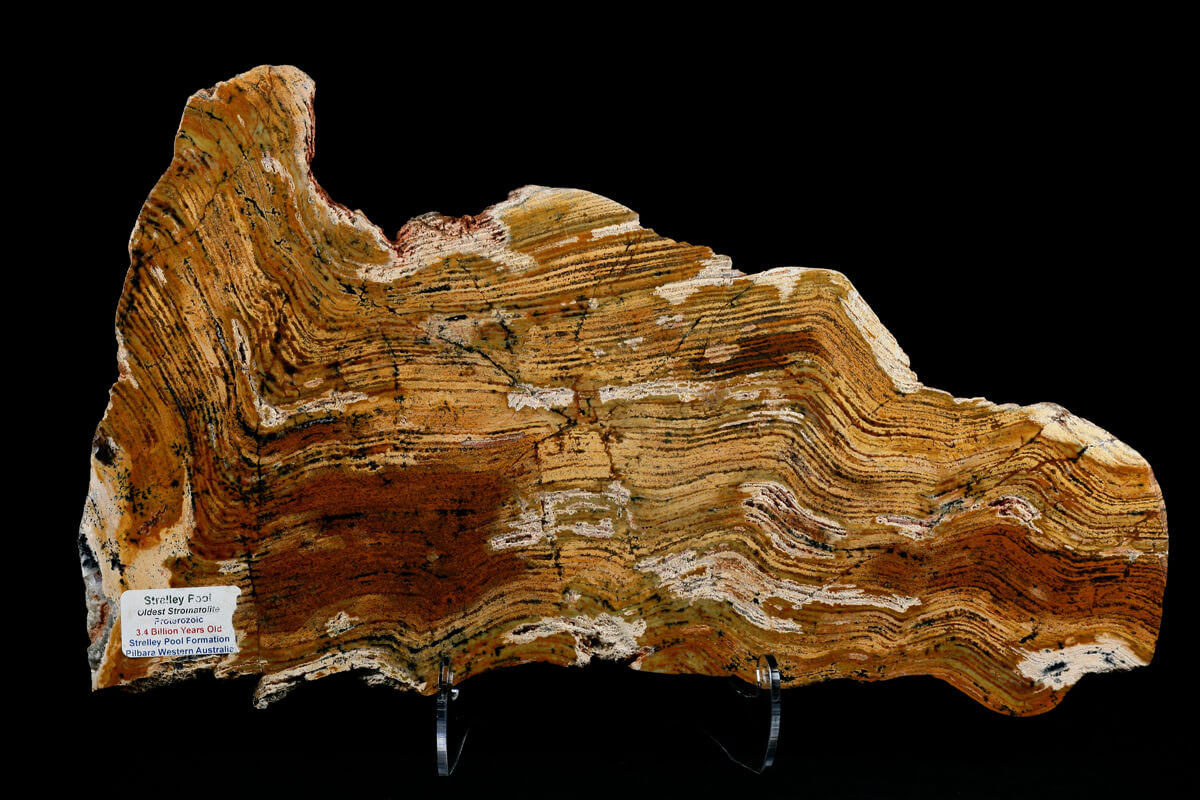
Volcanic activity on the early earth resulted in a dense atmosphere composed of water vapor, carbon dioxide, hydrogen sulfide, hydrogen chloride, hydrogen fluoride, ammonia, methane, and other gases. Over time, there was greater penetration of light, providing favorable conditions for photosynthesis by marine microorganisms. Carbon dioxide in the atmosphere was gradually consumed, with increases in oxygen content. At the same time, a large amount of carbon dioxide dissolved in the oceans and was deposited in the form of carbonates attached to microorganisms, leading to the formation of unique paleontological fossils – stromatolites. Stromatolites resulted from the adhesion and accumulation of microorganisms, especially cyanobacteria.
2025/11/27 Updated