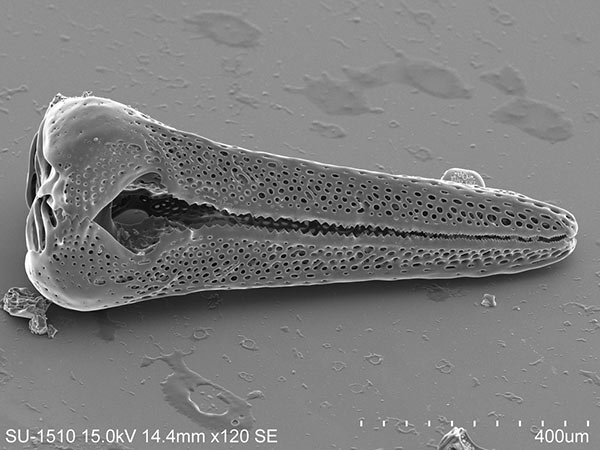
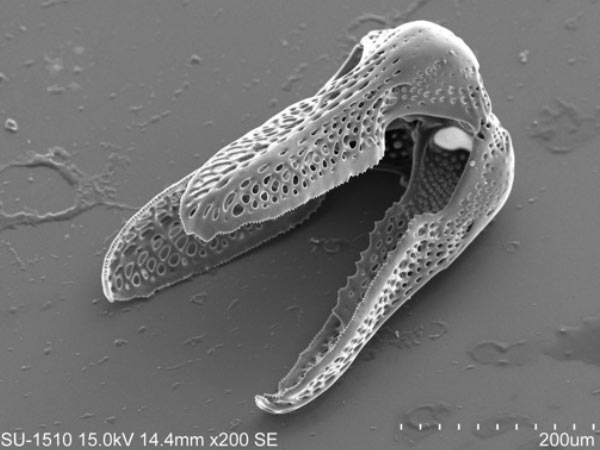
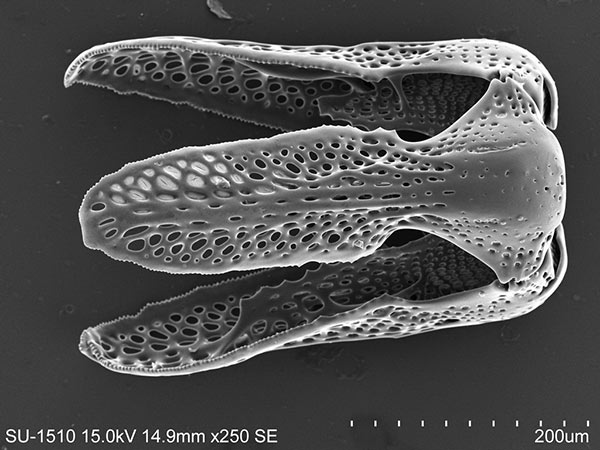
07 Stomopneustes variolaris (Lamarck, 1816)
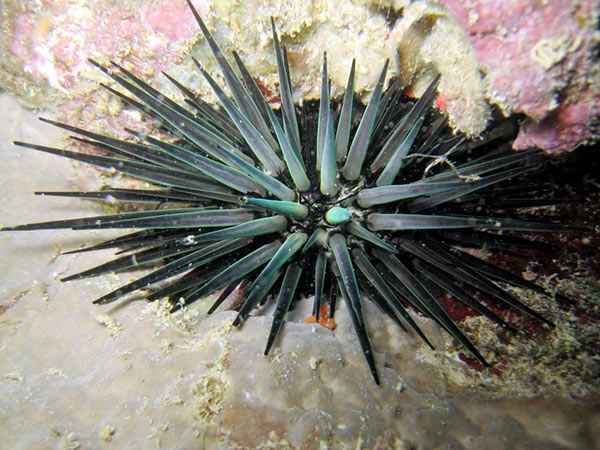
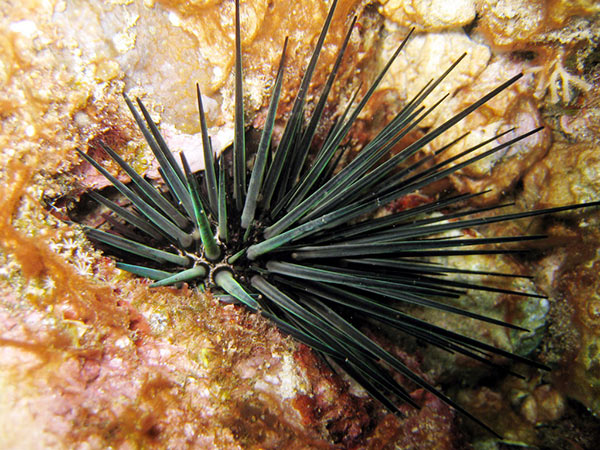
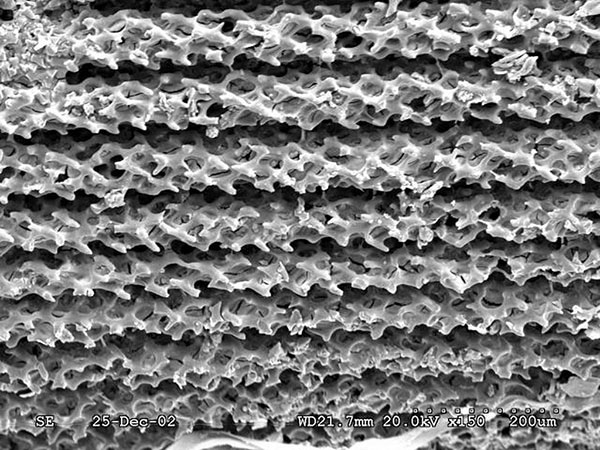
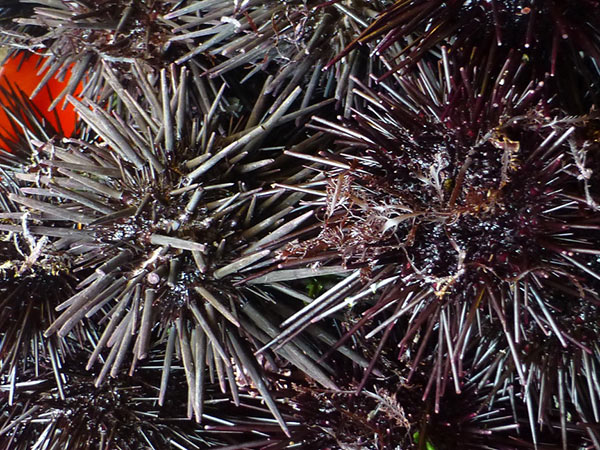
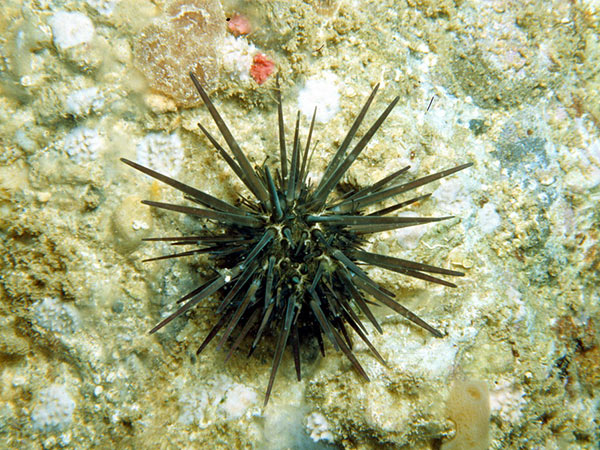
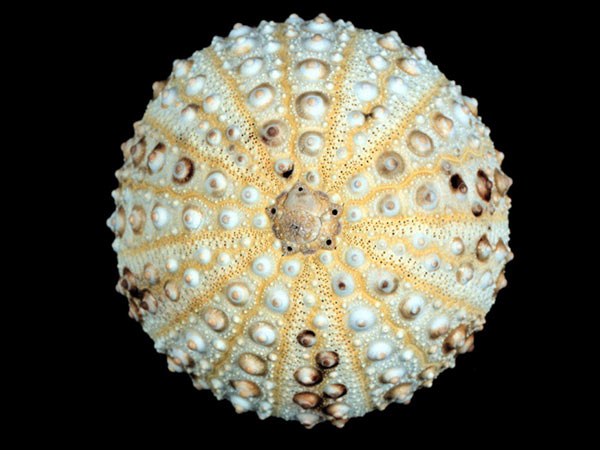
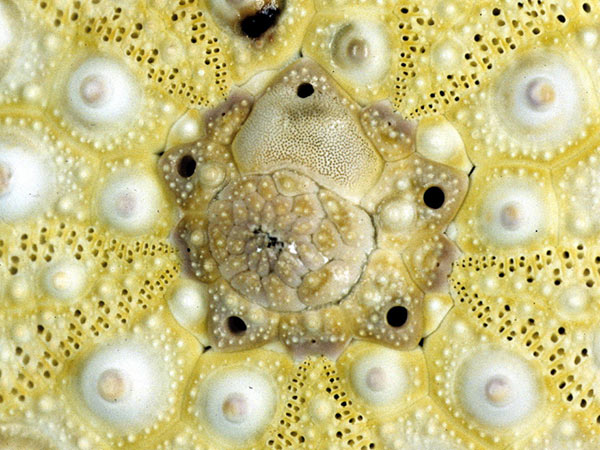
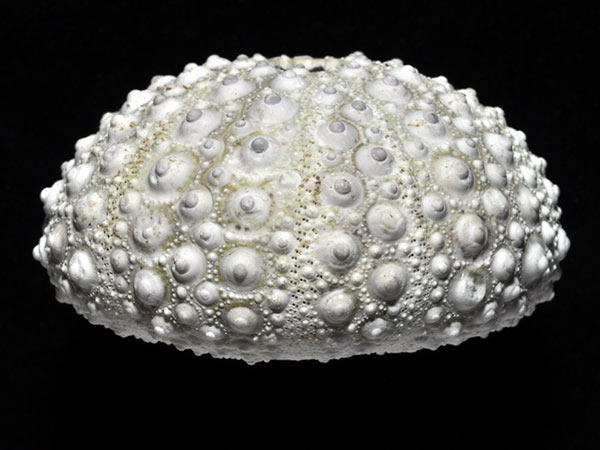
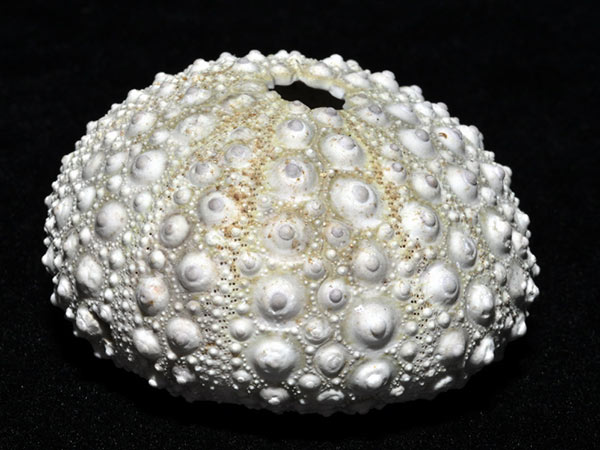
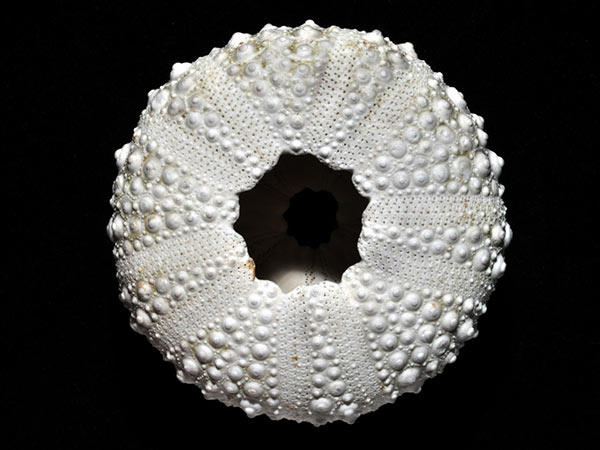
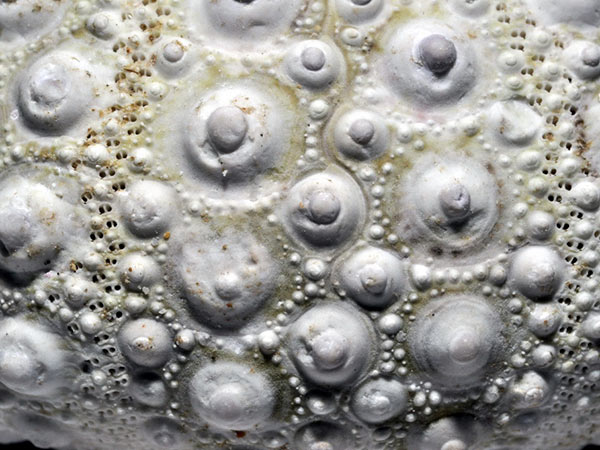
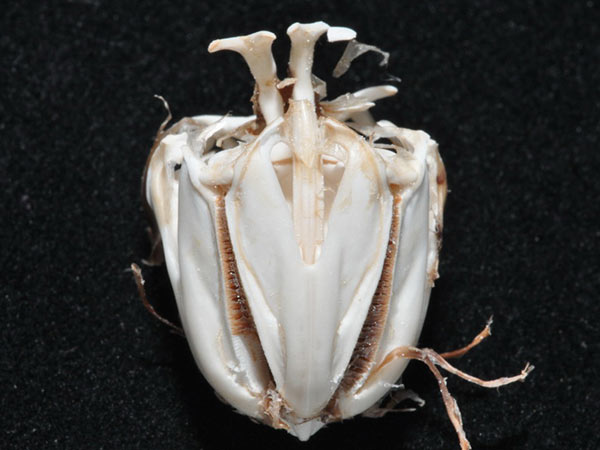
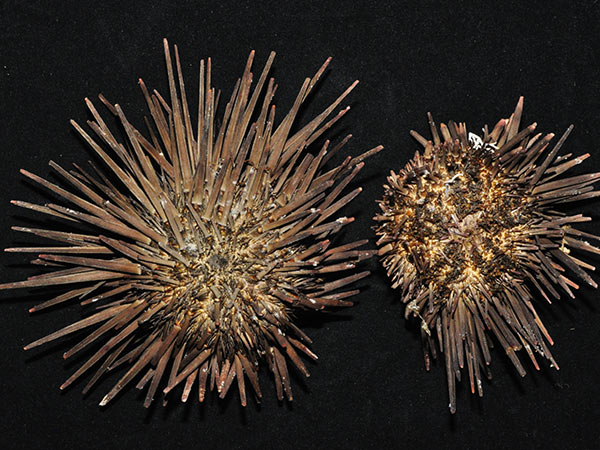
Stomopneustes variolaris is classified in the Order Somopneustoida and Family Stomopneustidae. It is commonly known as the long-spined black sea urchin. It is similar in appearance to the purple sea urchins. Outside of water it appears dark black to brown. Its spines are coarse like sandpaper. Under water, it reflects dark green fluorescence. The spines of purple sea urchins are smooth to the touch and are purplish black in color. The diameter of the test is between six and eight centimeters. However, this species can reach a diameter of more than eight centimeters. The height of the test is about half of its diameter. The test is round or slightly pentagonal in shape. The oral surface is slightly flat. There are almost no indentations surrounding the mouth. Tube feet pores are arranged in three irregular lines. On the aboral surface, the spines are very thick and strong with slightly pointed tips. The length of these spines is approximately half of the test diameter. The spines on the oral surface are shorter and thinner. The exposed test is white. However, the ambulacral grooves are yellowish green. At the base of the teeth are cross structures.
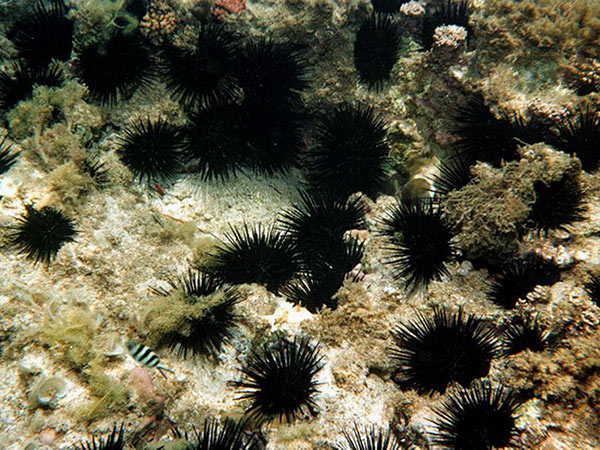
This is an omnivorous large sea urchin. It is found at depths of 0-20 meters. It prefers tidal pools in coral reef areas and shallow water coral thickets and rock crevices. It digs out a hiding place in the rock, using its spines and teeth. The lengths of the spines vary depending on the rock cavern. Large numbers of this sea urchin congregate in one area. Sometimes, they are in such high concentration that it looks as if there is a black carpet along the shore.
Its distribution is in the Indo-Pacific region, except for the Philippines and Hawaii. In China, this species is only found at the southern tip from the Paracel Islands to Hainan Island. From Java, fossils of this species from the Tertiary sediment have been discovered. In Taiwan, it is found along rocky coasts, such as in the northeastern cape and coral reef areas of Kenting, as well as the offshore islands of Penghu and Xiaoliuqiu. Their density around Xiaoliuqiu is truly astonishing. They chisel holes for hiding near the low water line or in shallow waters and feed on large algae. In Taiwan, they are seen in various coastal areas and are often harvested for food or for sale.