11 Colobocentrotus mertensenii Brandt, 1835
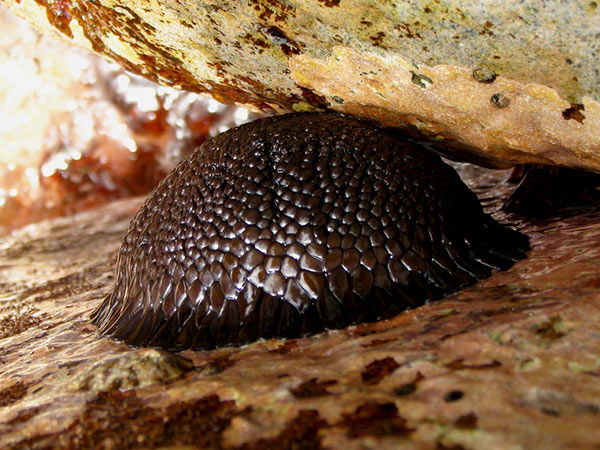
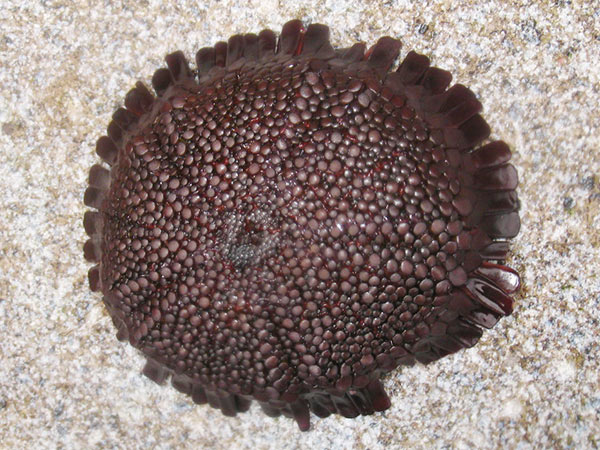
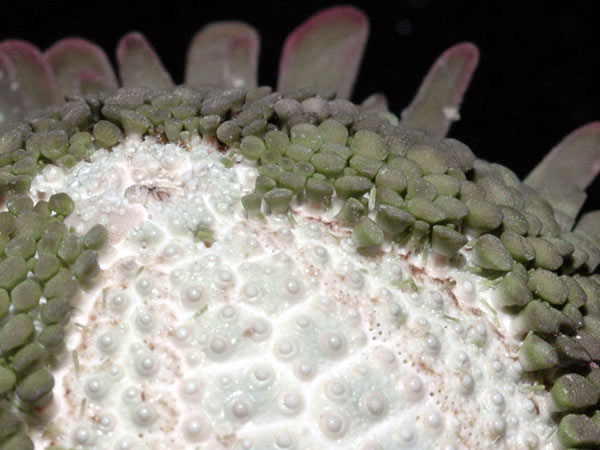
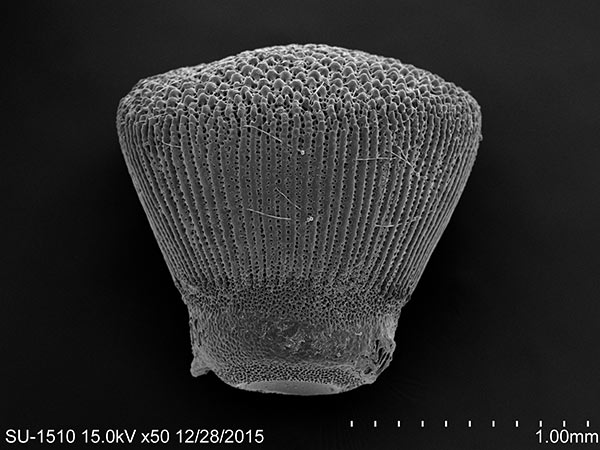
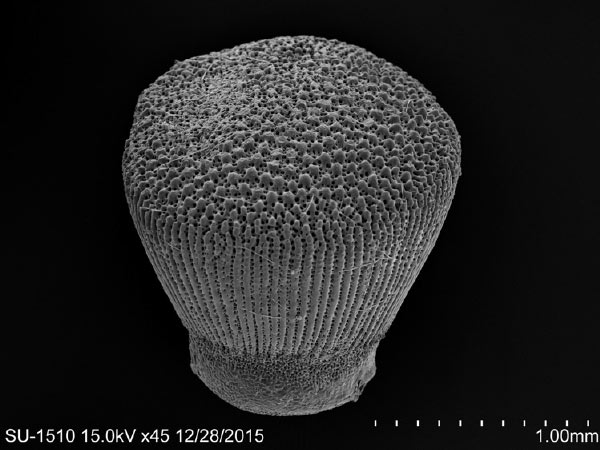
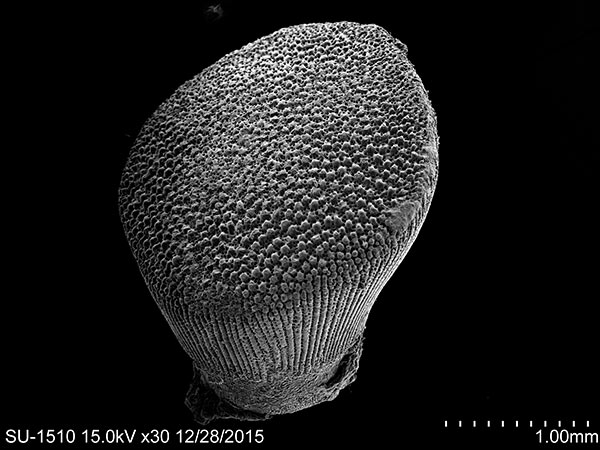
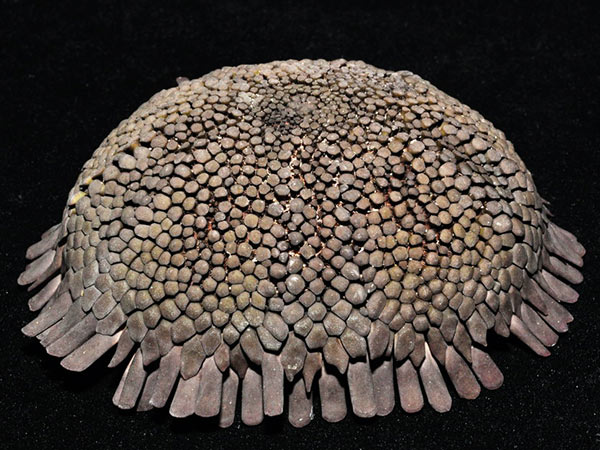
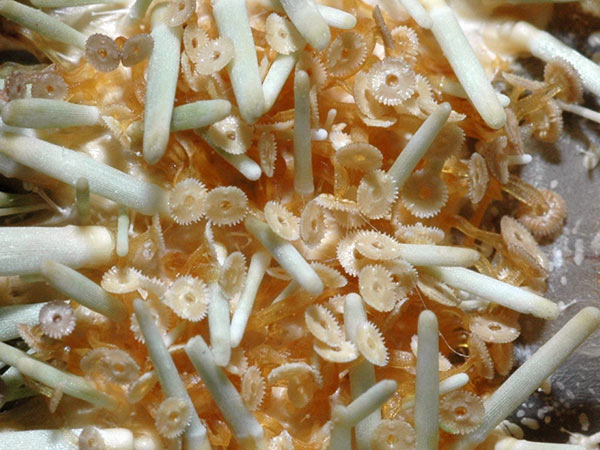
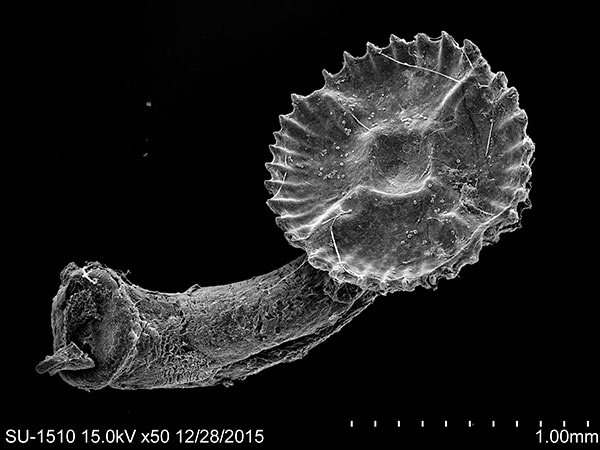
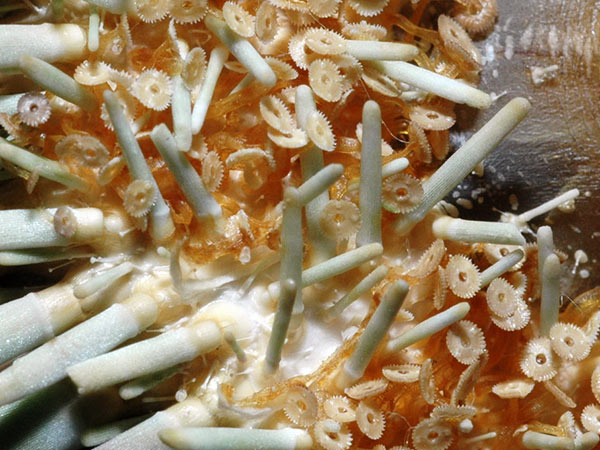
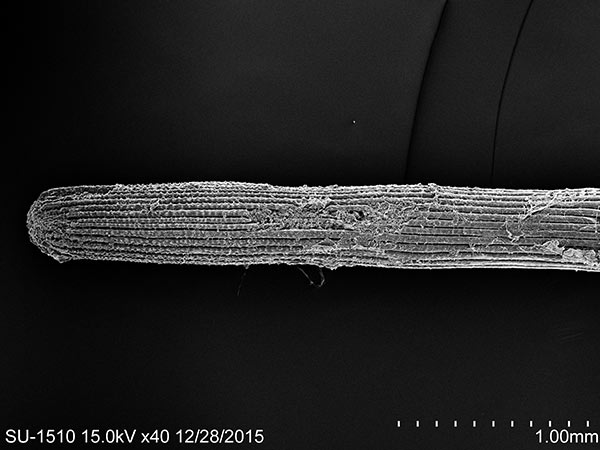
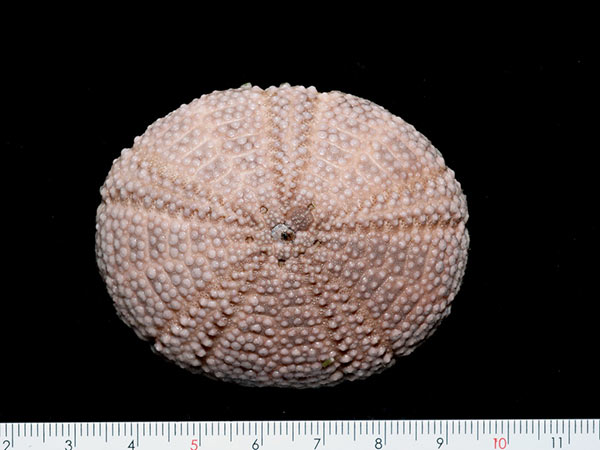
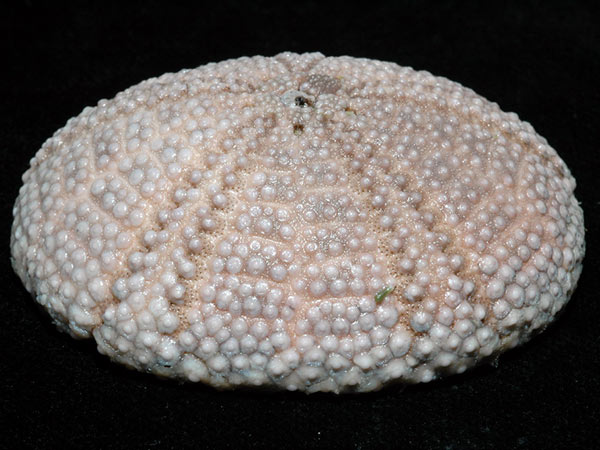
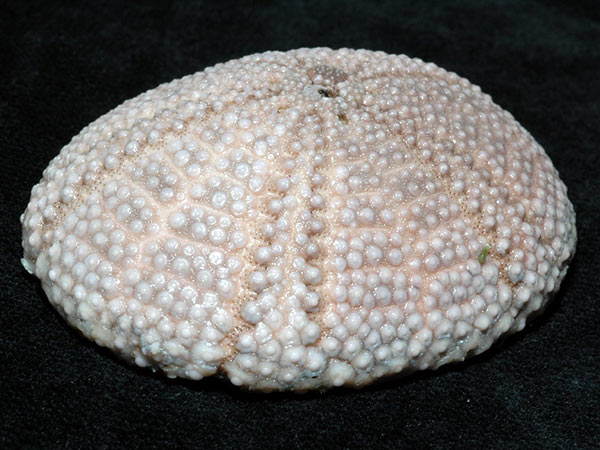
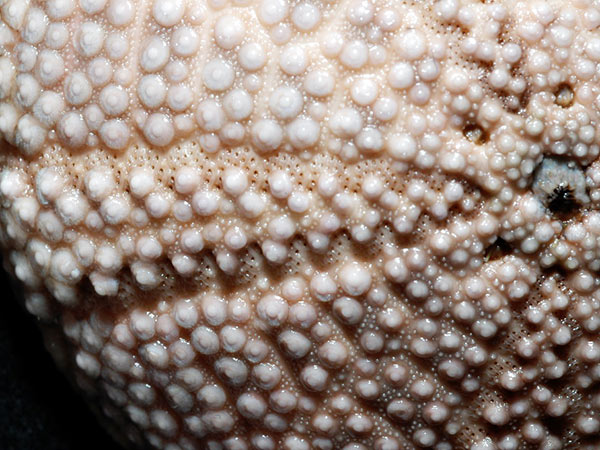
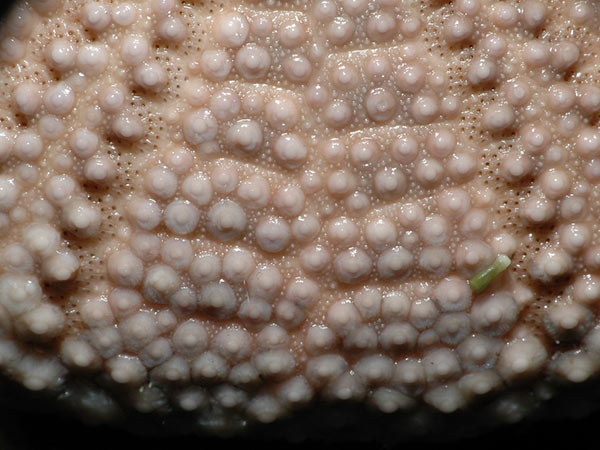
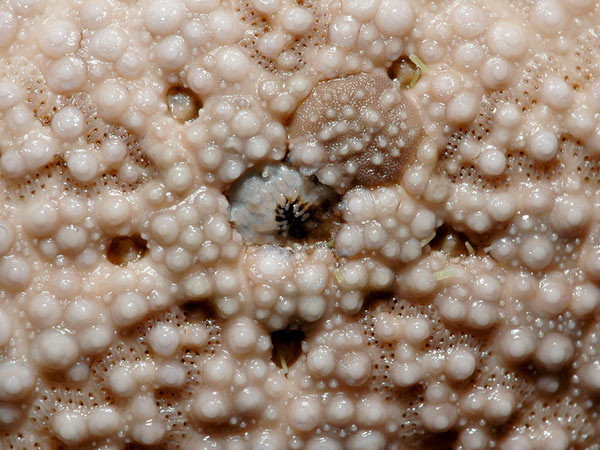
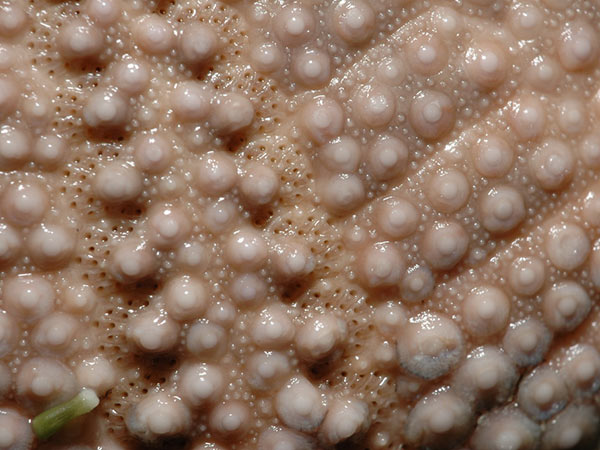
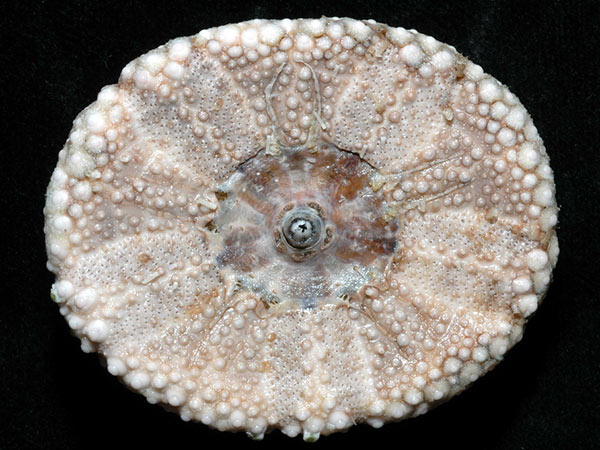
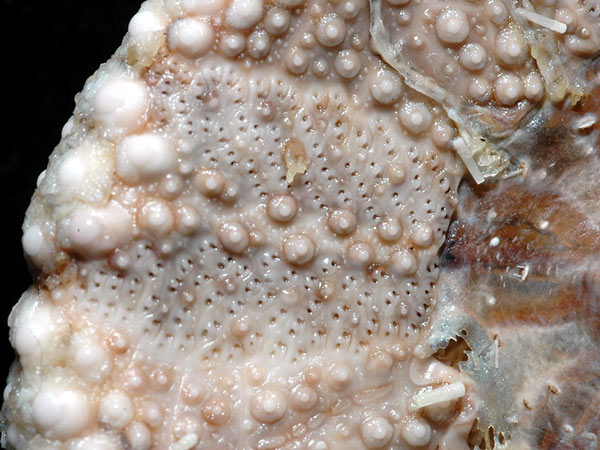
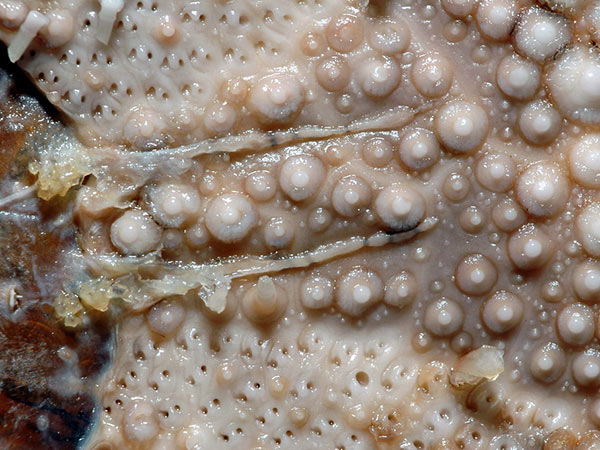
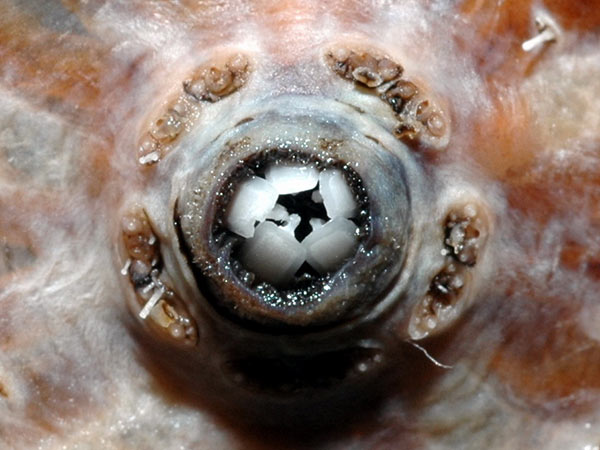
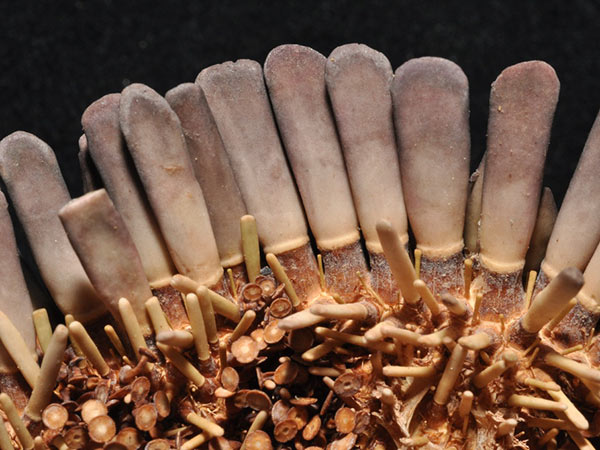
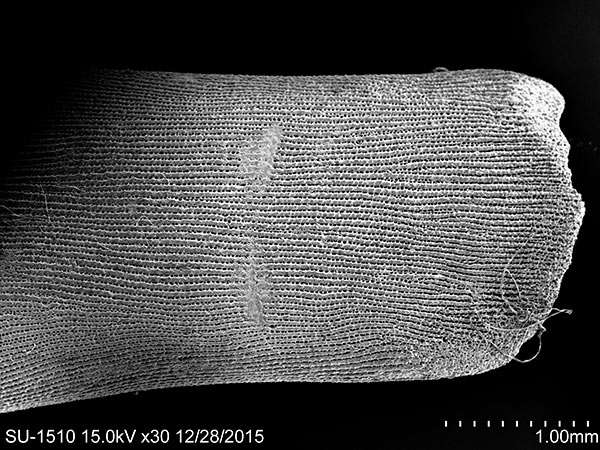
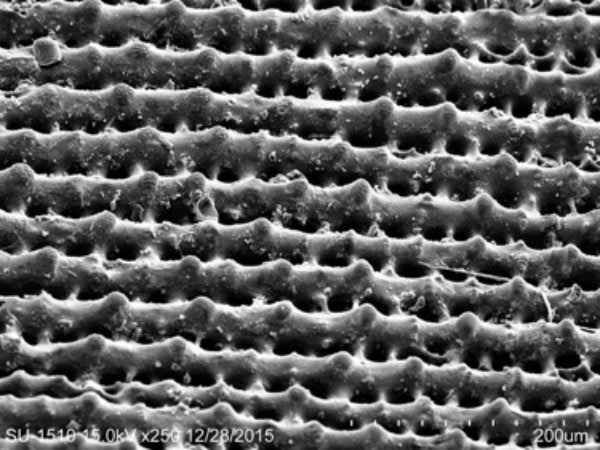
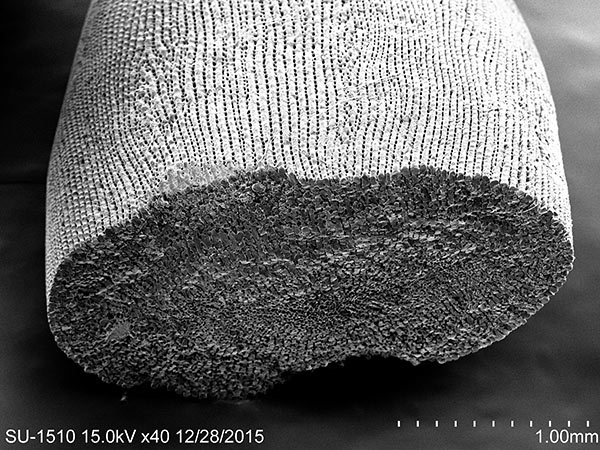
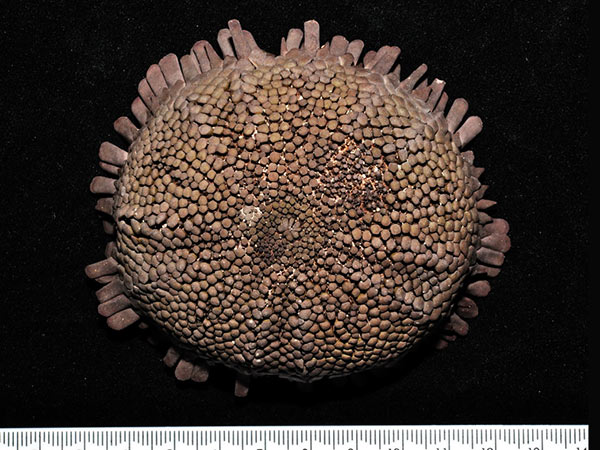
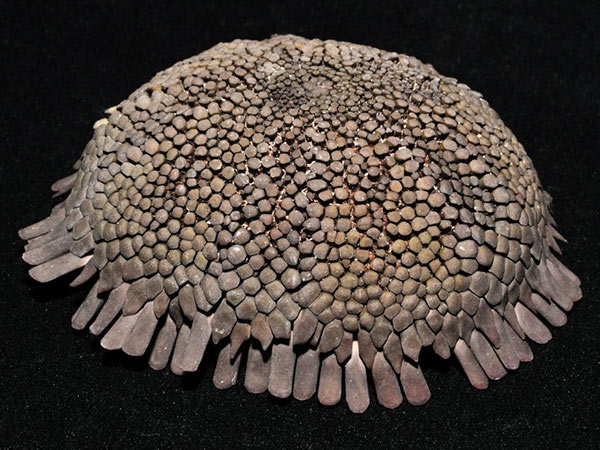
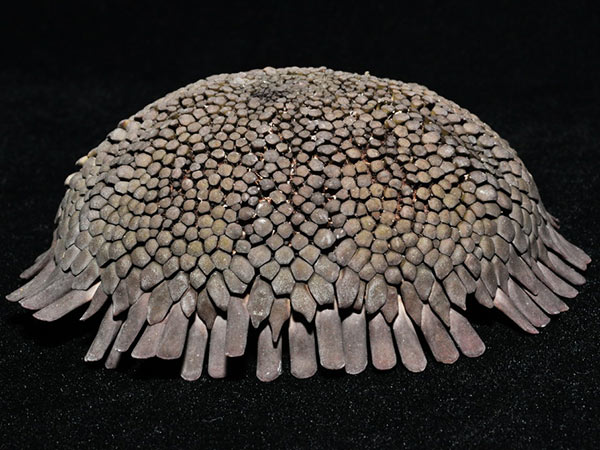
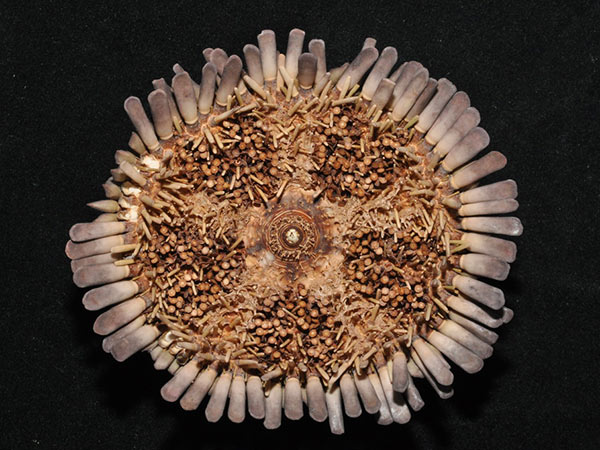
Colobocentrotus mertensenii is a member of the Order Camaradonta and Family Echinometridae. It is oblong oval in shape. On side view, it appears helmet-shaped. Diameter is usually less than six centimeters. However, large individuals can reach more than eight centimeters. This is one of the regular sea urchin species with the most specialized primary spines. The aboral surface is in a circular arch shape with densely packed, extremely short spines that are rivet or mushroom-shaped with inflated tips. Between the primary spines are numerous rod-shaped secondary spines. Around the edges of the body are one to two circular, flat primary spines with flat tips. The aboral surface appears like an impenetrable helmet. It is brownish green, while the oral surface is purplish red. This species possesses well developed tube feet. The ends of the tube feet are inflated with wheel-shaped suction disks. Among them are many long, rod-shaped primary spines. The oral surface possesses well-developed gills with five pairs of long, thin gill clefts. The test is oblong oval in shape. On side view it appears to be a flattened semi-spherical shape. The oral surface is extremely flat. The exposed test is white or pink. At the base of the primary spines on the aboral surface are light green plaques. The apical system is solid and not easily damaged. On the madreporite are several tubercles. There are a number of secondary spines surrounding the anus and large tubercles in the interambulacral zones along the equator. There are more than 10 on each of the test plates.
This species is mainly found near the breaker zone, usually on smooth rock surfaces that are hit by waves. In recent years, there have been records of this species on wave energy dissipating blocks along Taiwan's northern coast, northeastern cape and on Lanyu (Orchid Island). Its activity level is low. It adheres tightly in medium to low tide areas where there are powerful waves. It is possible that it feeds on algae on rocks or on organic fragments brought by the waves.
Its distribution includes breaker zones along the rocky coasts of the Ryuku Islands and Ogasawara Islands of Japan, as well as northern and eastern Taiwan and the offshore island of Lanyu. There are also records of this sea urchin species from Xiaoliuqiu in southwestern Taiwan. The largest numbers are on Lanyu and Xiao Lanyu.