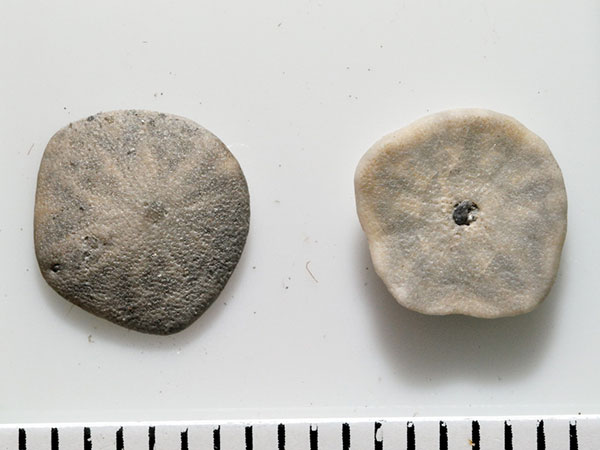
06 Sinaechinocyamus mai (Wang, 1984)
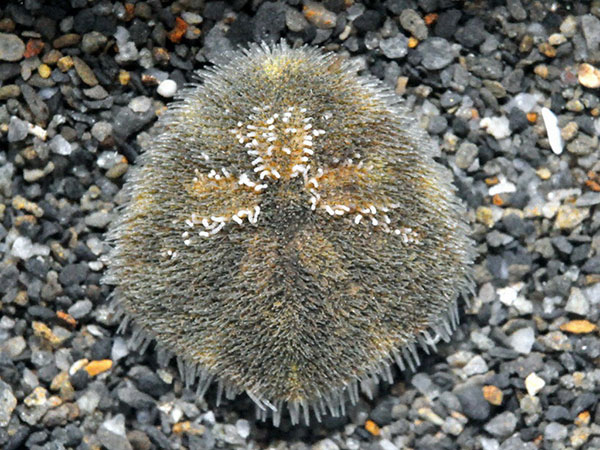
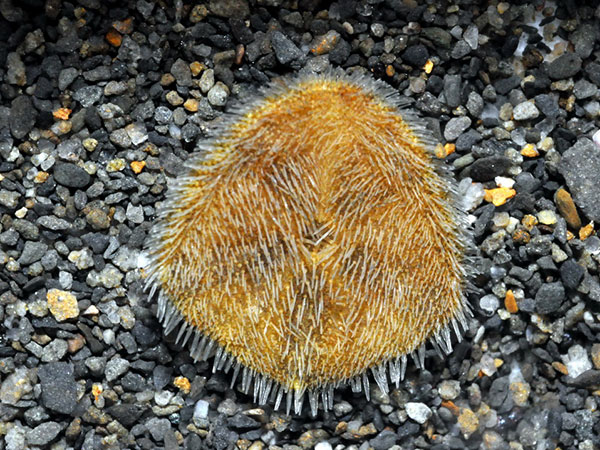
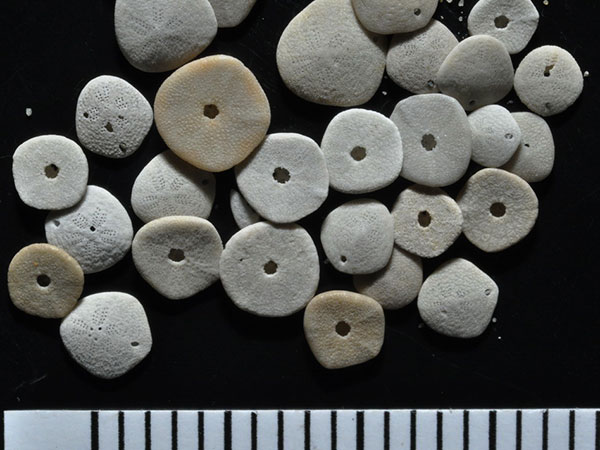
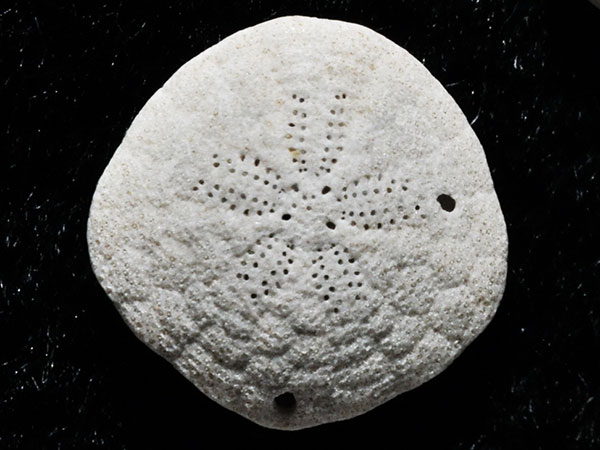
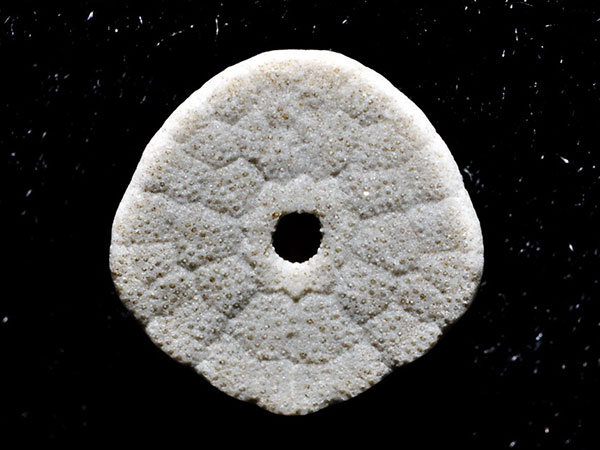
The classification of Sinaechinocyamus mai includes Order Clypeasteroida and Family Dendrasteridae. It is also known as the miniature sand dollar. It inhabits the intertidal zones and shallow water silt bottom at depths of 0-10 centimeters. This sand dollar is small in size. The diameter of its test is less than one centimeter. It appears somewhat like a rhombus, similar in shape to that of a kite.
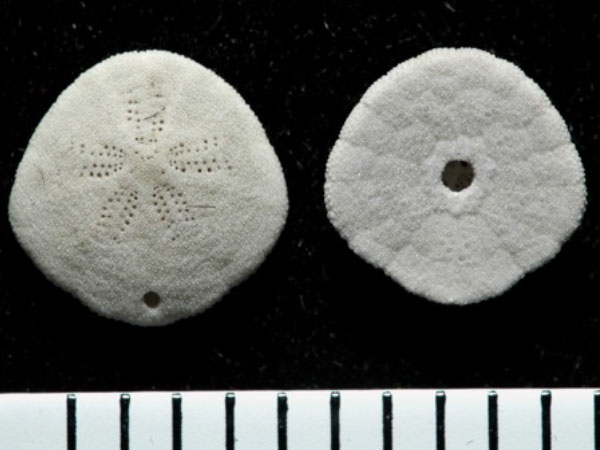
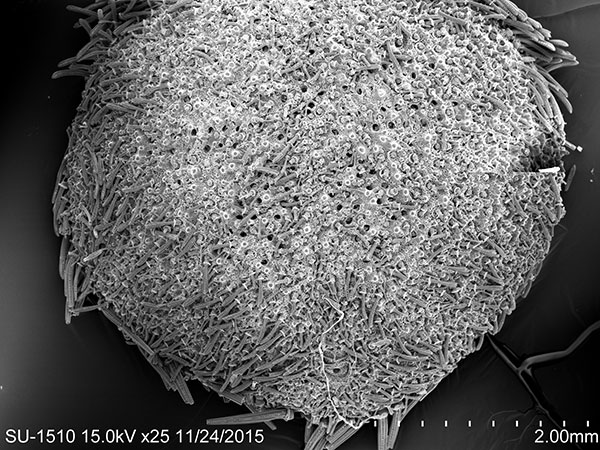
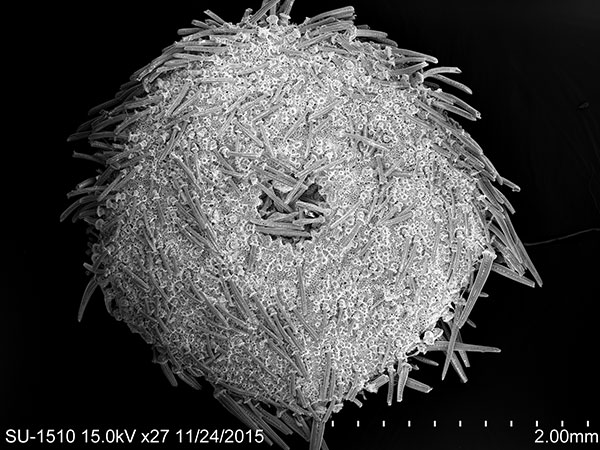
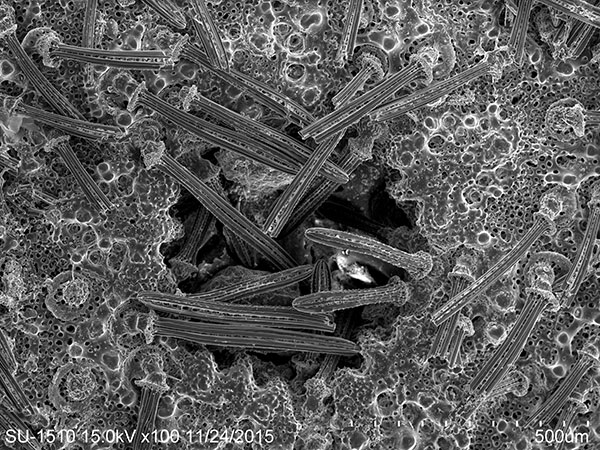
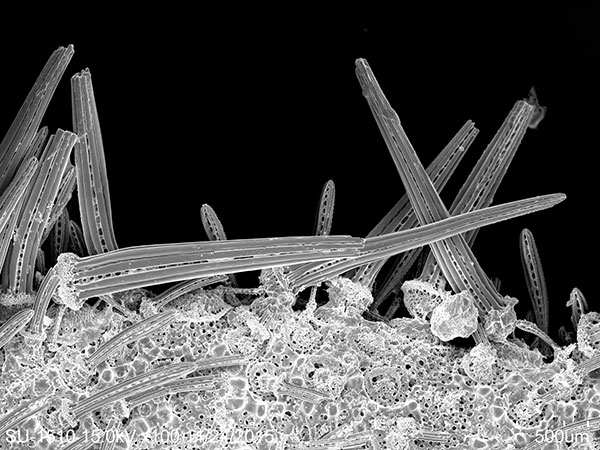
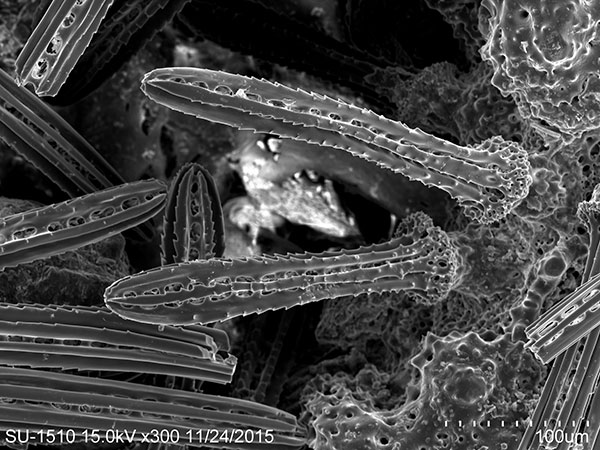
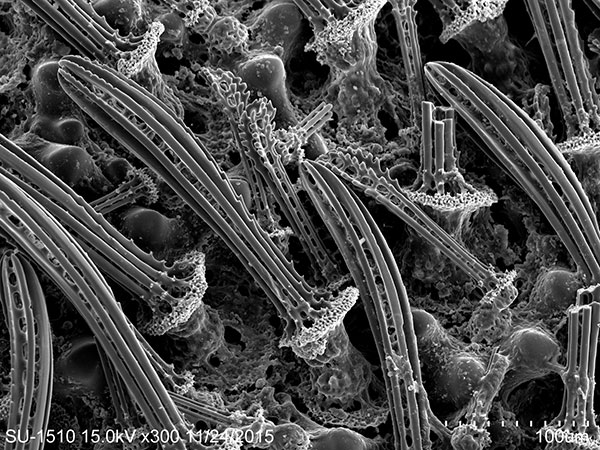
The living body is ash green and the surface is covered in hair-like short spines. From observations using scanning electron microscope (SEM), the spines near the edges of the body are straight and pointed. Those in other areas are slightly curved with dull, round tips. The test is white. In the center of the aboral surface are madreporite and four gonopores. The anal lunule is located on the posterior edge of the aboral surface. The mouth is located in the center of the oral surface.
Sinaechinocyamus mai feeds on small pieces of organic debris. It is usually active in sandy areas where it remains somewhat concealed. Within its body is an accumulation of sand grains. Reproductive season is from October to November.
This is a new echinoderm species reported in Taiwan. There are records along the southern coast of China and the coast of Vietnam. In Taiwan, its distribution is in intertidal zone to shallow waters of sandy coastline from Hsinchu to the Zengwen River estuary. Traces of this species are often found in fossil banks along the western coast of Taiwan.