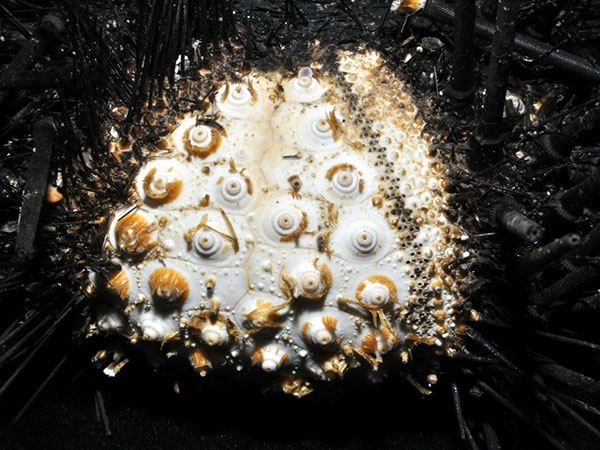
04-2 Echinothrix diadema (Linnaeus, 1758)
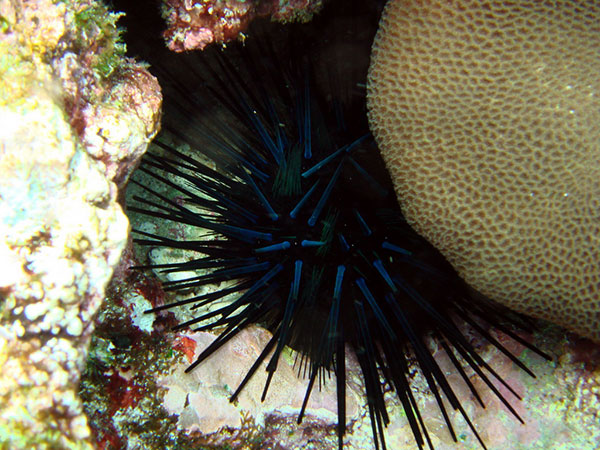
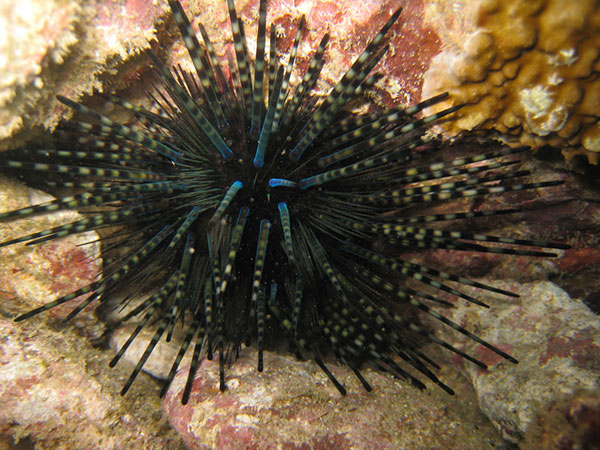
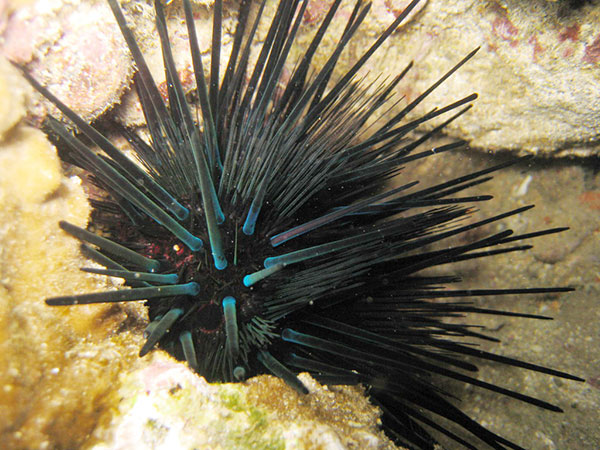
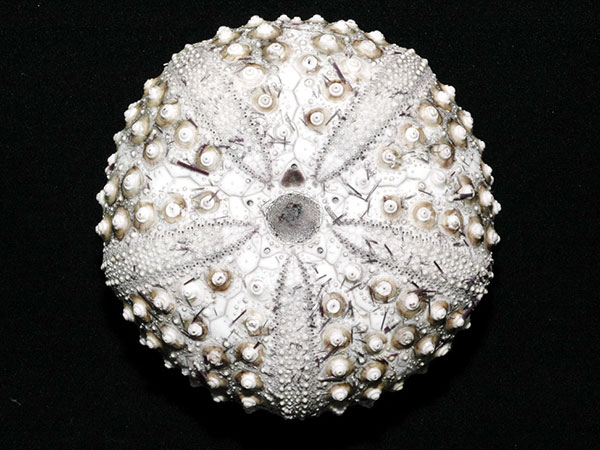
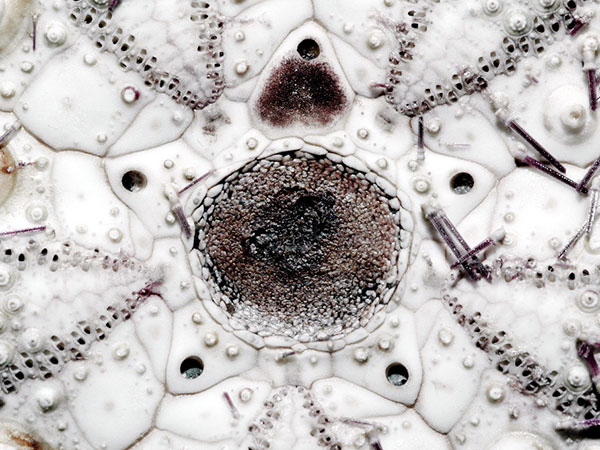
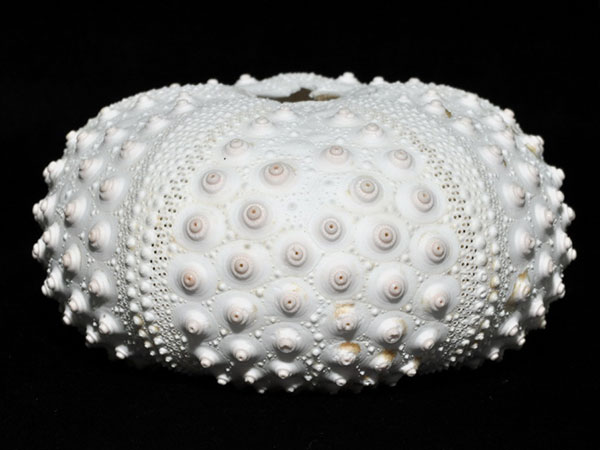
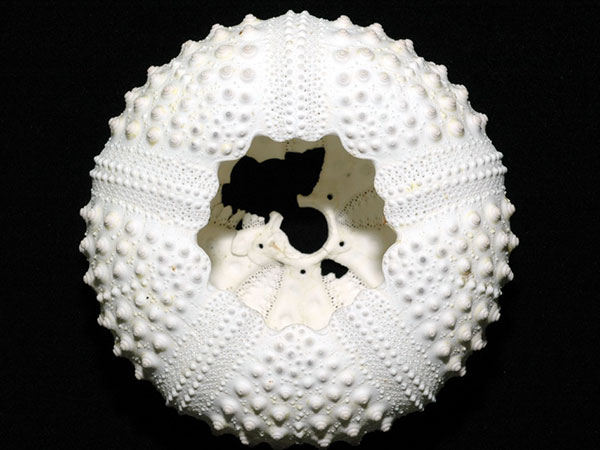
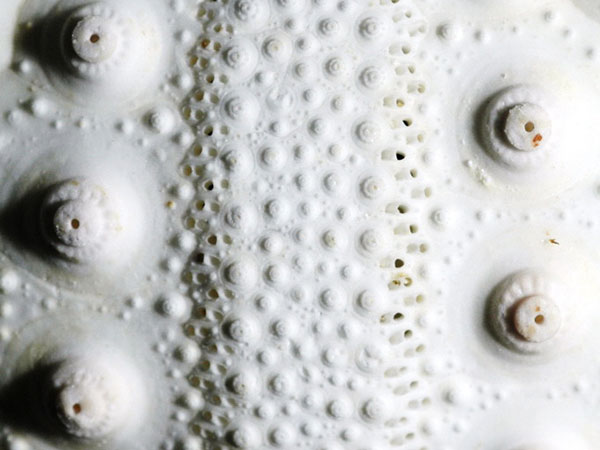
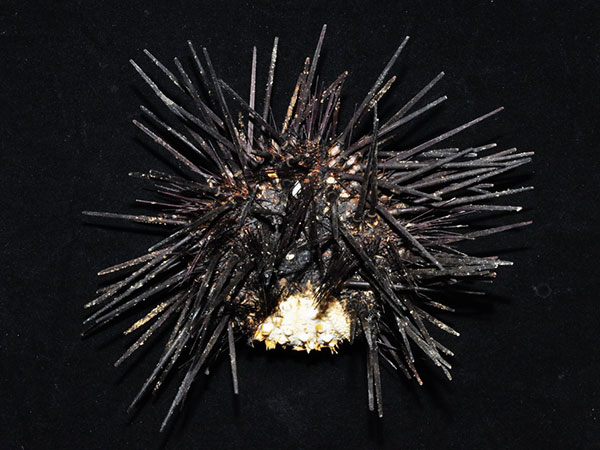
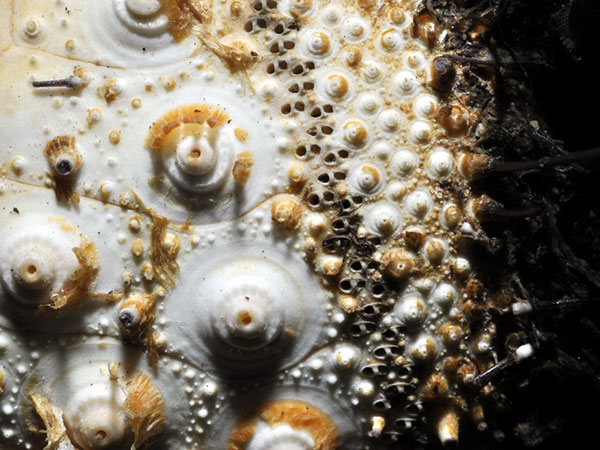
Echinothrix diadema is a large urchin of the Order Diadematoida and Family Diadematidae, with a diameter of more than 20 centimeters. The test diameter can reach nine centimeters. The test is thin and brittle and slightly round. The primary spines and test of this species are darker in color than those of Echinothrix calamaris. Some are dark blue-green and some are dark green. In juveniles, the primary spines do not have a sheen, but often have black and white bands. The ambulacral zones are narrow, especially at the equator. The nearby upper apex and adoral zone are slightly wide. The ambulacral zones along the equator possess two lines of tubercles. The interambulacral zones posses three oblique lines of large tubercles. There are no exposed areas along the midline of the ambulacral zones.
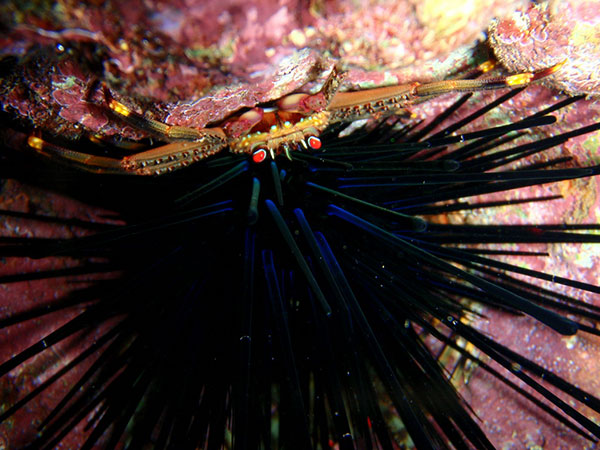
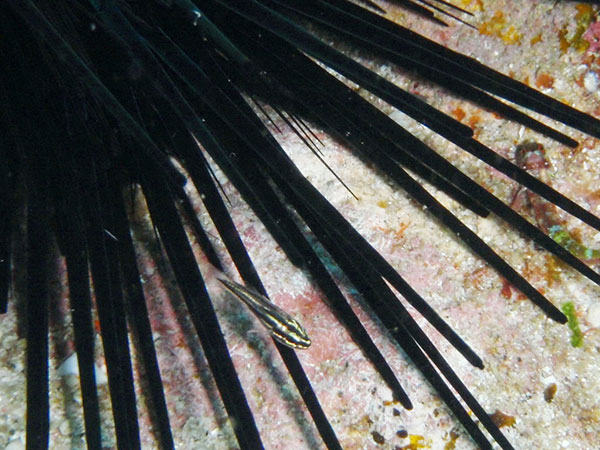
This species is found in intertidal zone tide pools to rocky bottom at 70 meters in depth. It appears in the largest numbers in low tide areas to 10 meters in depth. It mainly feeds on algae that grows on rock, as well as on other small attached organisms. This is a nocturnal species and can be seen in tide pools at night. The primary spines of the ambulacral zones are long, thin and pointed. As it is considerably large, during the day it is common for crabs of the Percnon planissimum species and juvenile cardinal fish to hide among the spines.
The distribution of this species is shallow rock and coral reef areas in the Indo-Pacific region. It is often seen in coral reef areas of southern Taiwan and Taiwan's offshore islands.