作品賞
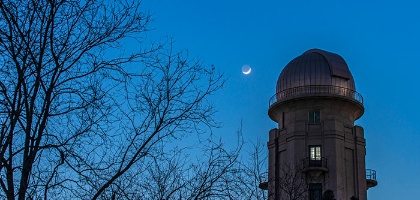
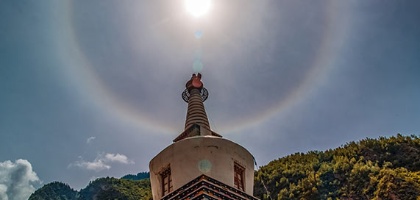
白塔與日暈
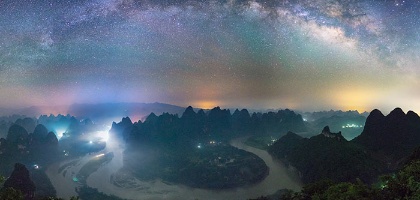
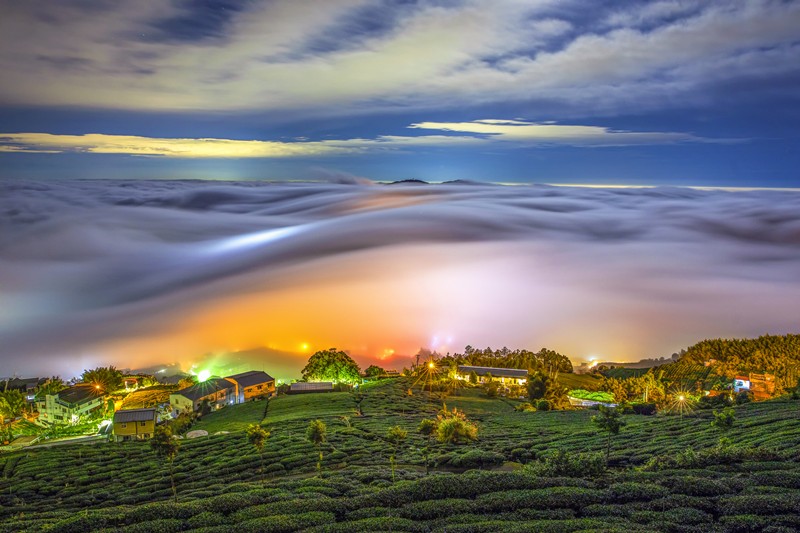
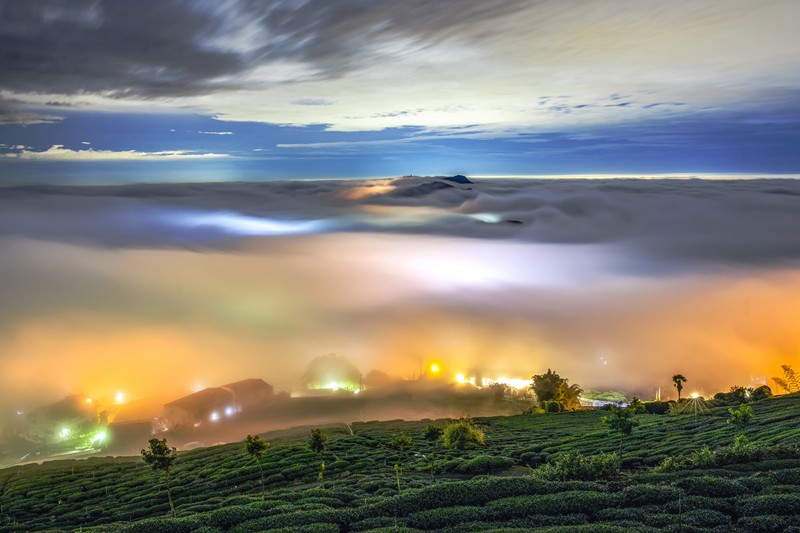
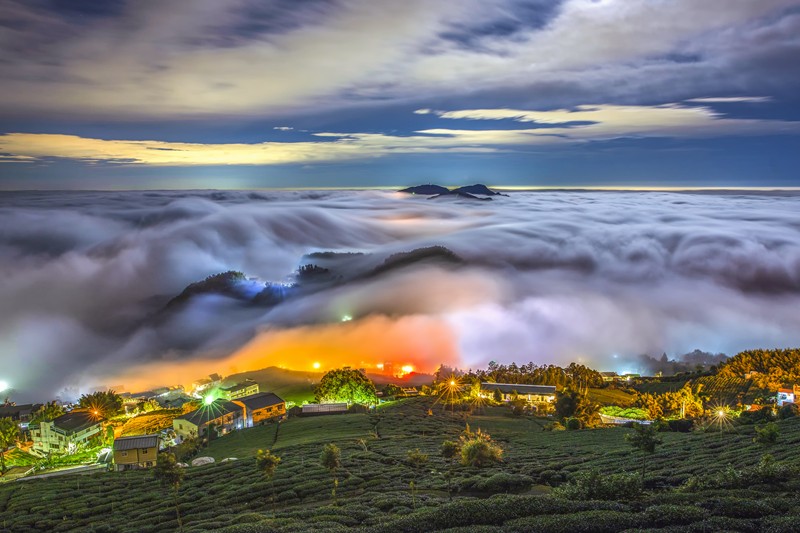
雲海,因地表水蒸氣的蒸散,潮濕的空氣受熱輻射上升,在高空遇冷凝結成雲,但未達到降雨程度。當水滴的高度達到某個穩定且溫度較低的區域(逆溫層)便會受阻停留在該高度並水平展開。隨著不斷增加的雲團堆積,在山谷間,形成一片起伏流動,狀似海洋波浪般的雲海景觀,且最常發生於十一月至隔年四月。而琉璃光形成是在雲霧繚繞的夜晚,由高處往下拍攝時,街道燈光透過雲霧往上的折射而產生的燈光暈染,呈現繽紛的色彩。雖然臺灣高山在秋冬季時易見雲海,但琉璃光比雲海更難預測,因為有雲海、雲瀑的夜景,才是形成「琉璃光」的基本條件。
The sea of clouds effect results from the evaporation of water vapor from the Earth’s surface, causing humid air to rise and condense at high altitudes, but not enough to result in rain. When water droplets reach a stable, cooler region (the inversion layer), they remain at that altitude and spread horizontally. As clouds accumulate, they flow and undulate, like ocean waves. This phenomenon is most common between November and April. A glassy glow (translucent diffused) appears on misty nights. Shooting downward from a high position, streetlights refracted upwards through the sea of clouds, creating a colorful halo effect. While seas of clouds are common in Taiwan’s mountains in fall and winter, “glassy glow” is much harder to predict because both the sea of clouds and cloud waterfall effects must be in place.
攝影日期:2022年11月01日
攝影地點:嘉義頂石棹
設備:全幅相機、三腳架、廣角鏡頭
設定:以低ISO、中等光圈、長曝光1-2分鐘。以相機特有的累積功能,異於人類的眼睛,紀錄呈現如大海般的海浪景象,而風的流動速度也影響形成波浪的動態感。並使用Photoshop作基本修圖