作品賞
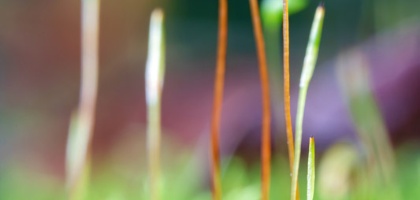
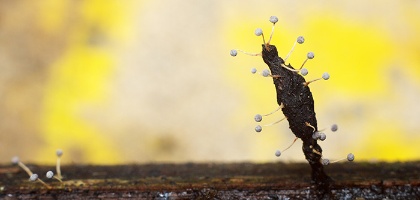
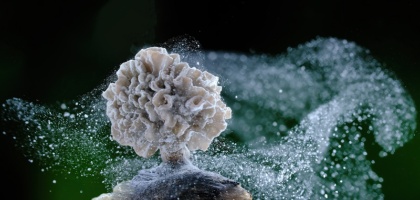
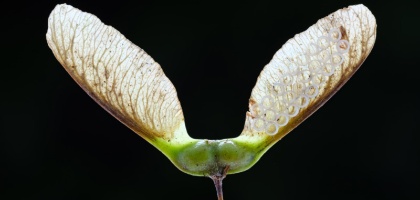
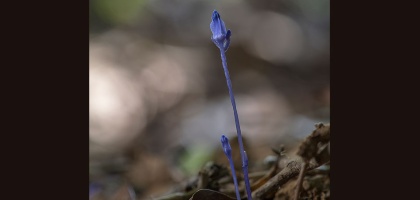
腐生植物:紫水玉簪
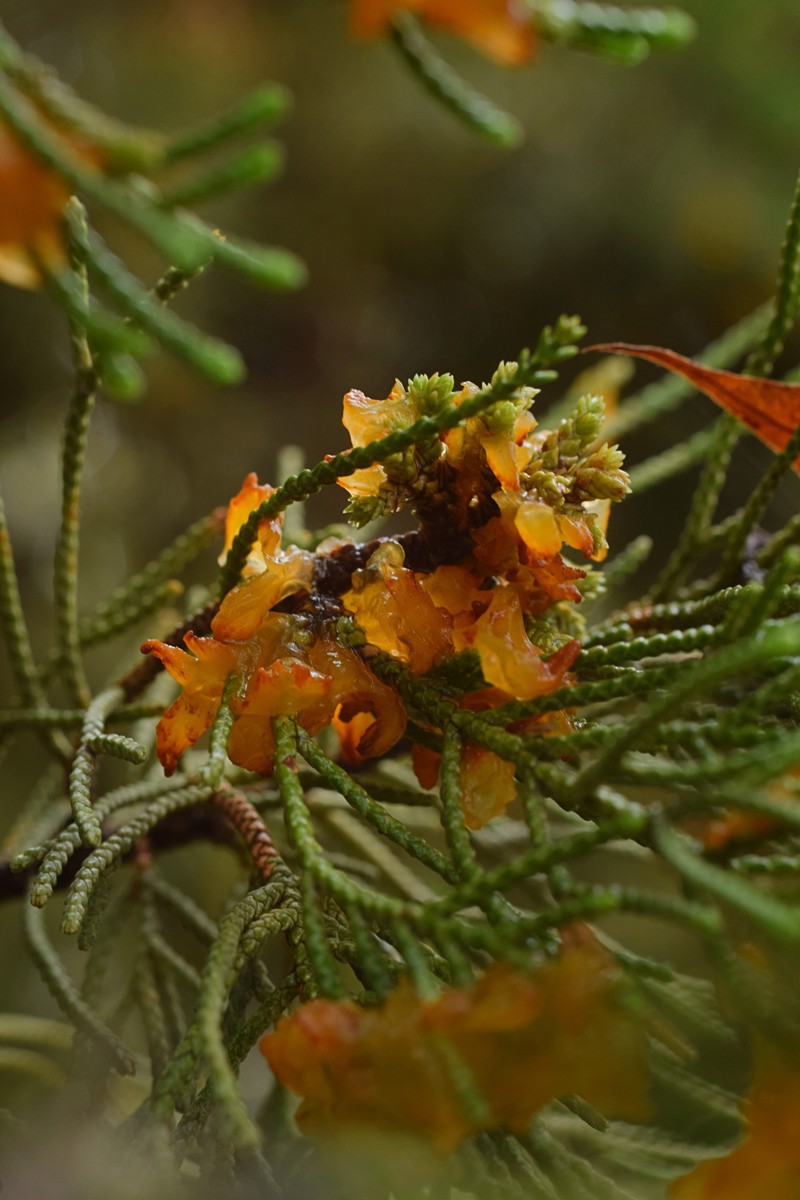
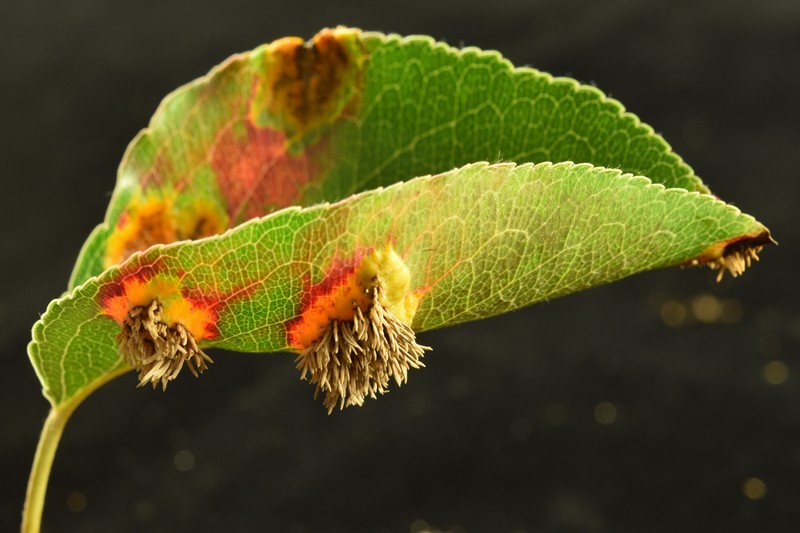
經過漫長的冬季,臺中迎來了第一場春雨,滂沱的雨下了一整夜,而我趁著早晨雨勢變小之際來到校園窺探造成龍柏生病的元兇。經過一晚上大雨的洗禮,龍柏上出現了橘褐色黏稠的膠狀物,這便是銹菌的冬孢子堆與擔孢子,擔孢子藉由風雨傳播至臨近的梨樹上。一個月後,梨葉背面會出現春孢子器,又稱梨赤星病,春孢子器內的春孢子隨風再次感染龍柏並潛伏直到下一次春雨的到來。沒錯,這個循環每年都在進行,而犯人就是亞洲膠銹菌 (Gymnosporangium asiaticum),這隻擁有兩個面貌的絕對寄生菌,很酷對吧!隔年的春雨也來場雨中漫步吧!
After a long winter, Taichung welcomed its first spring rain, which came down in torrents for an entire night. I took advantage of an early-morning lull in the storm to investigate the cause of the sticky, orange-brown substance on the Kaizuka junipers on campus. These are the teliospores and basidiospores of rust fungi. The basidiospores are spread by wind and rain to nearby pear trees. A month later, aecia appeared on the underside of the pear leaves; this is known as pear rust. The aeciospores within the aecia were carried by the wind to reinfect the junipers, remaining dormant until the spring rain. Yes, this cycle repeats, and the culprit is Gymnosporangium asiaticum, an obligate parasite with two faces—cool, right? Let us take a walk in the rain next spring!
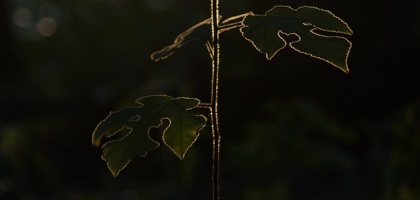
第一張:
攝影日期:2023年04月01日,雨後
攝影地點:國立中興大學校區
設備:使用Nikon D5300機身+ Sigma 50mm鏡頭
設定:光圈f/5.6、快門1/30秒、ISO 200、手持拍攝。後期微調色溫與清晰度。
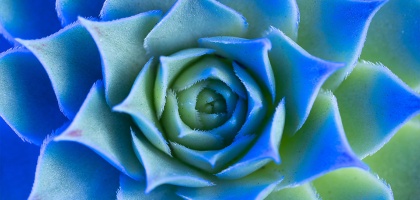
第二張:
攝影日期:2024年04月27日,這一季龍柏感染後約一個月
攝影地點:國立中興大學校區
設備:使用Nikon D5600機身+ 60mm微距鏡頭
設定:光圈f/20、快門1/4秒、ISO 320,搭配補光燈和腳架,無後期。
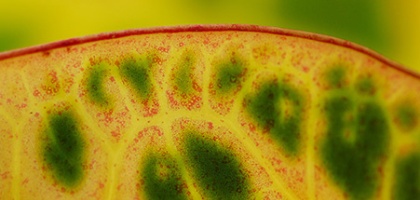
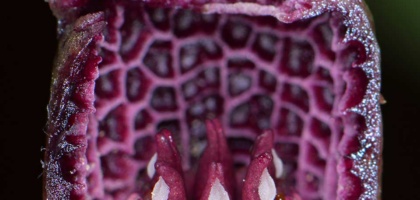
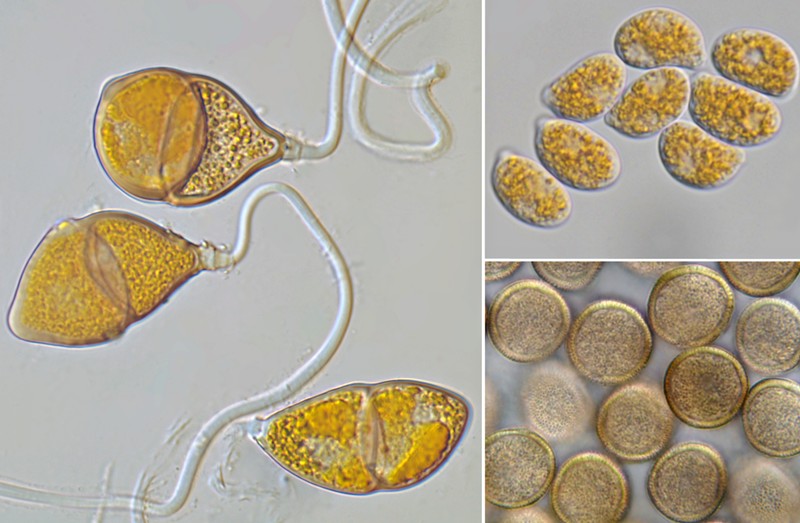
第三張:
將樣本帶回,使用光學顯微鏡搭配Nikon D5600進行拍攝,後期調整色溫、對比及亮度後使用PhotoScapeX匯出。註:左為冬孢子、右上為擔孢子、右下為春孢子。